
 Save
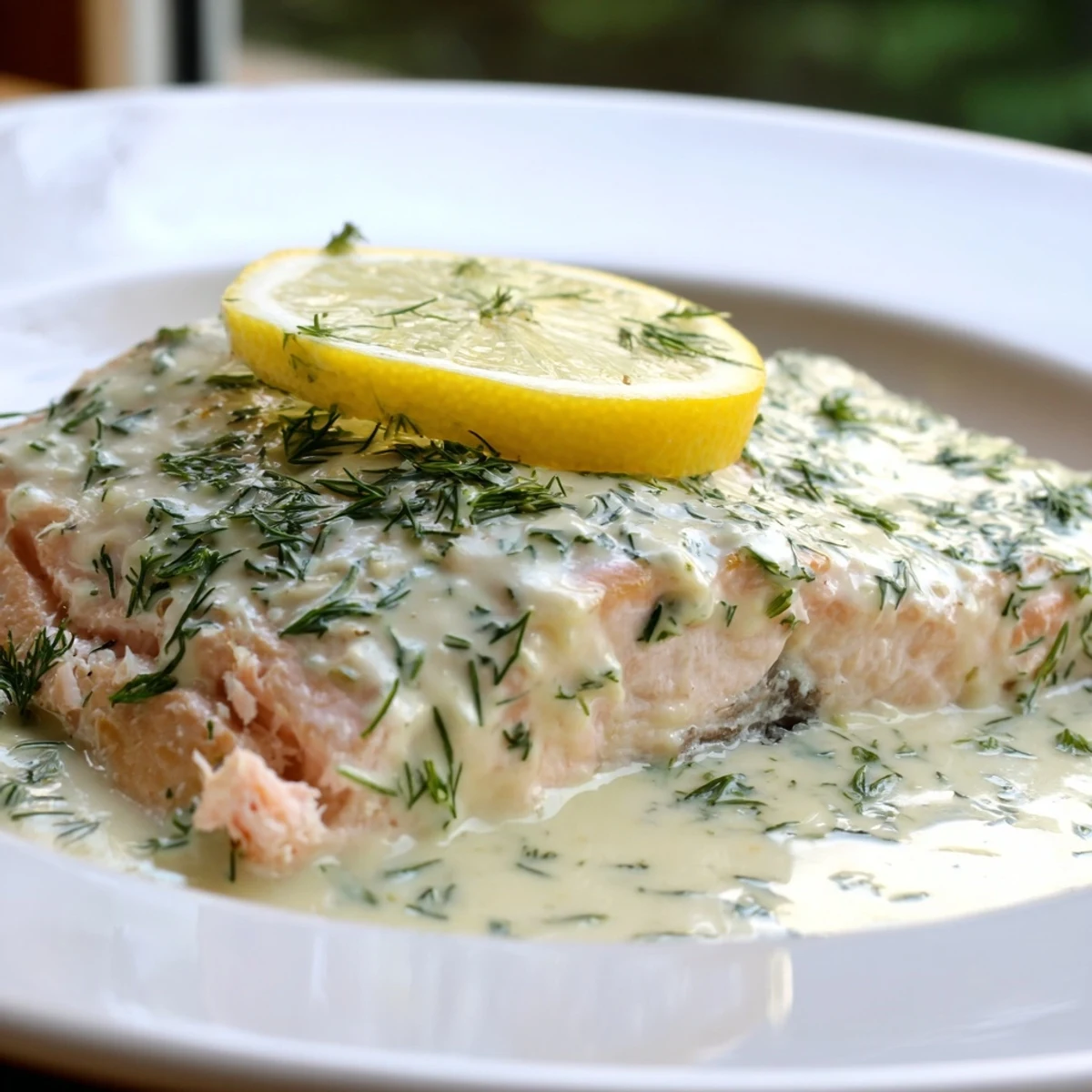
Save Baked salmon fillets are seasoned with olive oil, salt, and pepper, then baked at 400°F for 12–15 minutes until tender and flaky. While the salmon cooks, combine sour cream or Greek yogurt with fresh dill, lemon juice, lemon zest, minced garlic, and Dijon mustard for a bright, creamy sauce. Plate the cooked salmon and generously spoon the sauce over each fillet. Garnish with fresh lemon slices and extra dill for an elegant presentation. This 28-minute main course serves four and pairs beautifully with steamed asparagus, roasted potatoes, or wild rice.
The first time I made this baked salmon was during a rainy spring evening when I craved something elegant yet unfussy. Standing in my kitchen with an impulse-bought piece of salmon and a handful of fresh dill from my windowsill planter, I created this dish almost by accident. The way the creamy sauce melted slightly over the warm fish immediately transported the dreary evening into something special.
Last month when my sister visited with her picky eaters, I nervously served this salmon, expecting resistance. Instead, the table fell silent except for the sounds of forks against plates and little murmurs of approval. My niece, who claims to hate fish, asked for seconds, and my sister immediately requested the recipe while still at the dinner table.
Ingredients
- Salmon fillets: Look for pieces with consistent thickness so they cook evenly, and dont worry if youre missing the skin, as this recipe actually works better without it.
- Fresh dill: The dried version simply wont do here, as fresh dill brings a garden-bright flavor that completely transforms the sauce.
- Greek yogurt: I discovered that using full-fat Greek yogurt instead of sour cream gives the sauce a protein boost while maintaining that luxurious mouthfeel.
- Lemon zest: The oils in the zest carry flavor compounds that juice alone cant provide, making this tiny step worth the extra effort.
Instructions
- Prep your canvas:
- Preheat your oven to 400°F and line a baking sheet with parchment for easy cleanup. This simple step saves you from scrubbing crusty fish bits later.
- Season with intention:
- Pat those salmon fillets completely dry before oiling and seasoning them. Moisture is the enemy of that beautiful golden exterior were aiming for.
- Arrange thoughtfully:
- Place your salmon pieces with at least an inch between them on the baking sheet. Crowding creates steam which prevents proper browning.
- Bake with patience:
- Slide that sheet into the oven for 12-15 minutes, resisting the urge to peek too early. Youre looking for that moment when the fish flakes easily but still has a touch of translucence in the center.
- Whip up liquid gold:
- While the salmon works its magic in the oven, mix your sauce ingredients until smooth and bright. The sauce should be thick enough to drape over the fish without immediately running off.
- Dress to impress:
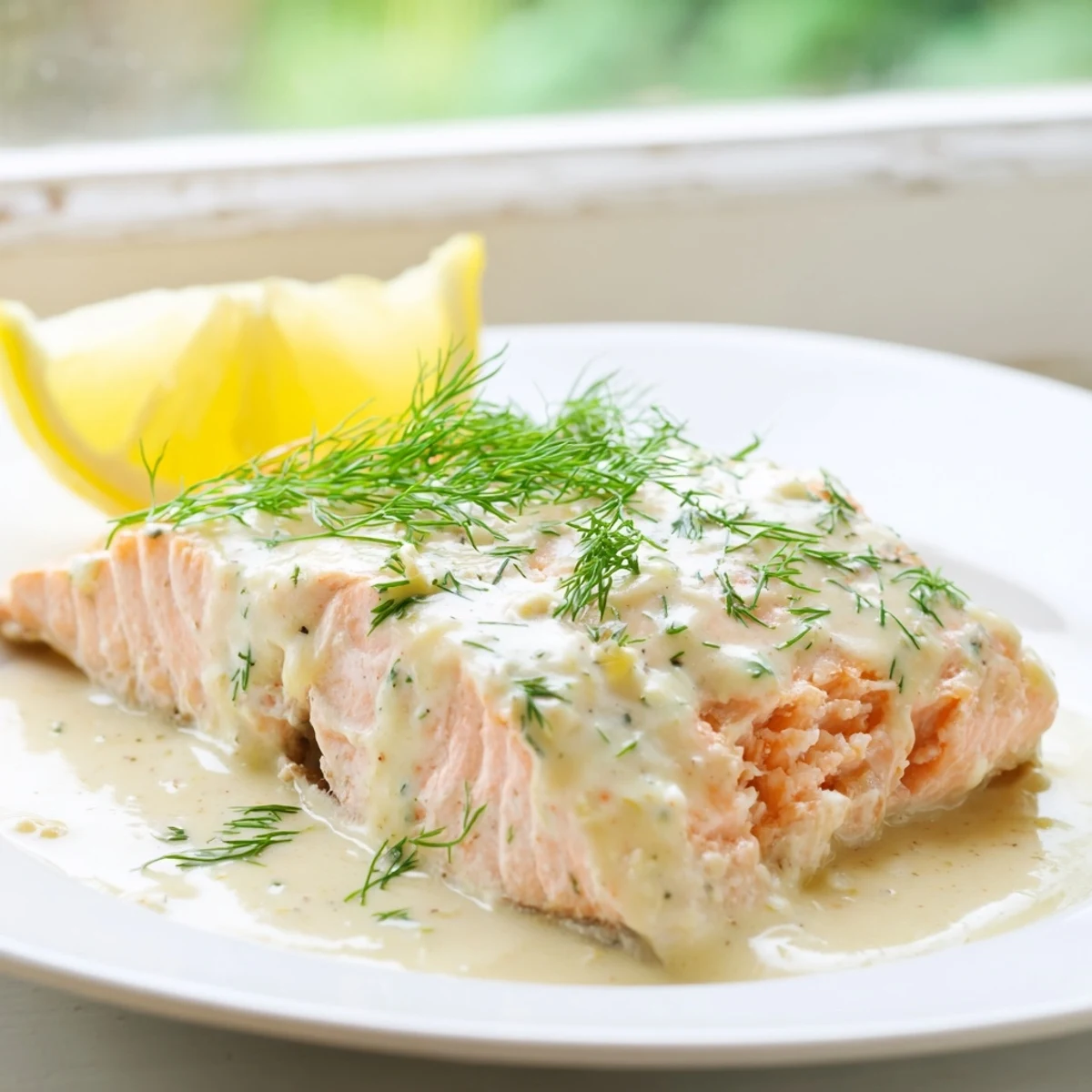
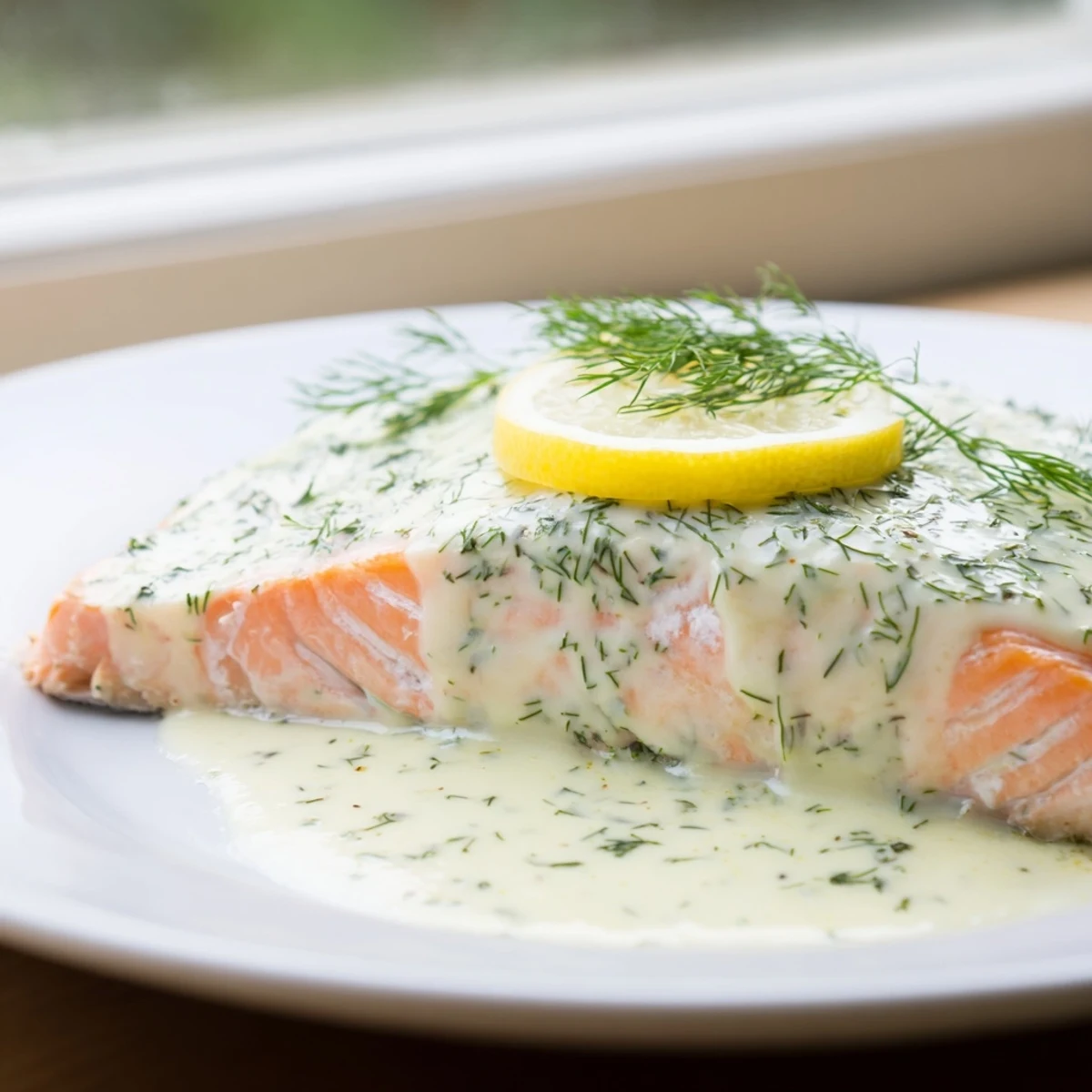
- Once the salmon is done, transfer each fillet to its plate and spoon that luscious dill sauce generously over top. Watch as it slowly melts around the edges, creating its own delicious serving boundary.
- Add the finishing touch:
- Crown each portion with a fresh lemon slice and a small sprig of dill. These arent just pretty garnishes—they signal to your guests what flavors await them.
 Save
Save On our anniversary last year, when our reservation fell through, I frantically pulled this recipe together as a backup dinner. We ended up eating by candlelight at our coffee table, and my husband declared it better than any restaurant meal we could have had. Sometimes the most memorable meals happen when plans collapse and simple ingredients step in to save the day.
Perfect Pairings
Ive tried countless side dishes with this salmon, but nothing complements it quite like roasted asparagus that hits the oven during the last 10 minutes of the salmons cooking time. The slight char on the asparagus tips creates a beautiful textural contrast to the tender fish, and both love that hit of lemon from the sauce.
Make-Ahead Options
One Sunday, I prepped four batches of the sauce and stored them in small jars in the fridge, which gave me instant access to an elevated dinner for nearly two weeks. The sauce actually improves after a day or two as the flavors meld, though the dill color darkens slightly without affecting the taste.
Troubleshooting Your Salmon
After years of making this dish, Ive learned that salmon has personality quirks just like people. Some fillets cook faster than others, even when they appear identical in size.
- If your salmon appears done on the outside but feels too soft in the center, cover it with foil and let it rest for 5 minutes before serving.
- For fillets of varying thickness, arrange them on the baking sheet with thinner pieces toward the center and thicker ones at the edges where heat circulation is better.
- Always err on the side of slightly undercooking rather than overcooking, as residual heat will continue cooking the fish after removal from the oven.
 Save
Save This baked salmon has traveled with me through first dates, family gatherings, and quiet weeknights when I needed something special just for myself. Its become less of a recipe and more of a trusted friend in my kitchen arsenal.
Your Questions Answered
- → How do I know when salmon is cooked through?
-
Salmon is cooked through when it flakes easily with a fork and reaches an internal temperature of 145°F (63°C). The flesh should be opaque throughout with no translucent areas in the center.
- → Can I use frozen salmon fillets?
-
Yes, but thaw them completely in the refrigerator before baking. Pat dry with paper towels to remove excess moisture, then proceed with the recipe as written.
- → What is a good substitute for sour cream in the sauce?
-
Greek yogurt, crème fraîche, or even a combination of mayo and lemon juice work well. For a lighter option, use low-fat Greek yogurt or blend silken tofu with lemon juice.
- → Can I prepare the sauce ahead of time?
-
Yes, the dill and lemon sauce can be made up to 2 hours in advance. Cover and refrigerate until ready to serve. The flavors will meld beautifully as it sits.
- → What side dishes pair best with this dish?
-
Steamed asparagus, roasted potatoes, wild rice, or a fresh green salad complement the bright, creamy sauce perfectly. A crisp Sauvignon Blanc or Chardonnay also pairs wonderfully.
- → How should I store leftovers?
-
Store cooled salmon and sauce separately in airtight containers in the refrigerator for up to 2 days. Reheat gently in a 300°F oven or enjoy cold the next day.