
 Save
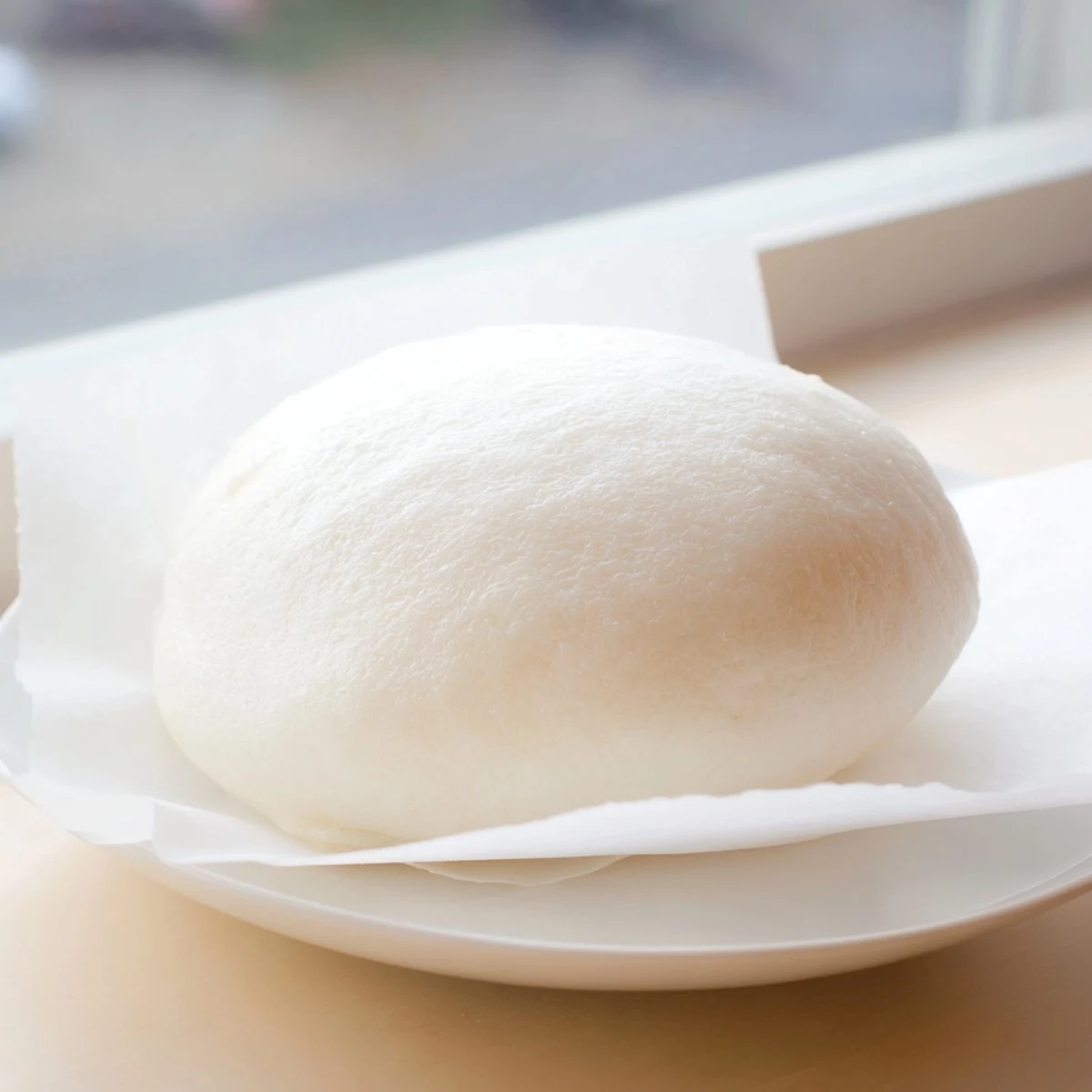
Save These beloved Vietnamese steamed buns feature cloud-like dough wrapped around a flavorful filling of seasoned ground pork, sweet Chinese sausage, earthy shiitake mushrooms, and tender hard-boiled egg. The magic lies in the proper dough technique—kneading until smooth and elastic, then allowing time for the yeast to work its magic. Each bun emerges from the steamer with a snowy-white exterior and juicy, aromatic filling. Perfect for meal prep, they freeze beautifully and reheat in minutes for a quick breakfast or satisfying snack any time of day.
The smell of steaming dough always pulls me back to my auntys tiny kitchen in Hanoi, where wed huddle around the bamboo steamer on rainy afternoons. She taught me that the perfect banh bao needs patience rushing the dough means dense, disappointing buns.
Last winter, I made a batch during a snowstorm and my roommate wandered in, drawn by the aroma. We stood by the steamer, peeling back parchment paper and burning our fingers on hot buns, forgetting entirely about the freezing weather outside.
Ingredients
- 400 g all-purpose flour: The foundation of that signature fluffy texture bread flour makes them too chewy
- 2 tbsp sugar: Just enough to balance the savory filling without making these taste like dessert
- 1 tsp instant yeast: Active dry works too, but instant gives more reliable results for beginners
- 1/2 tsp baking powder: The secret extra lift that makes these impossibly light
- 200 ml warm milk: Warm, not hot, or youll kill the yeast before it even starts working
- 2 tbsp vegetable oil: Keeps the dough tender and helps it stay fresh longer
- 1/4 tsp salt: Enhances all the other flavors without making these taste salty
- 300 g ground pork: Fatty pork works best here, around 20% fat ratio
- 2 Chinese sausages: Lap xuong adds sweetness and a distinctive smoky depth
- 4 dried shiitake mushrooms: Soaking them in warm water plumps them up and releases their earthy flavor
- 1 small onion: Finely diced so it disperses evenly through the filling
- 2 garlic cloves: Minced finely, nobody wants an overwhelming garlic chunk
- 2 tbsp oyster sauce: The umami backbone that ties everything together
- 1 tbsp soy sauce: Adds depth and that beautiful amber color to the meat
- 1 tsp sugar: Balances the salty elements in the filling
- 1/2 tsp ground white pepper: White pepper looks better in the light filling than black specks
- 2 hard-boiled eggs: The treasure inside each bun, quartered so everyone gets a piece
- 1 spring onion: Fresh finishing touch that brightens the rich filling
Instructions
- Make the dough:
- Mix flour, sugar, yeast, baking powder, and salt in a large bowl. Pour in warm milk and oil, then knead until the dough becomes smooth and bounces back when pressed.
- Let it rise:
- Cover the bowl with a damp cloth and walk away for an hour. The dough should double in size, looking puffy and alive.
- Prepare the filling:
- Combine ground pork, sliced Chinese sausage, chopped mushrooms, onion, garlic, oyster sauce, soy sauce, sugar, white pepper, and spring onion in a bowl. Mix until everything is evenly distributed.
- Shape the buns:
- Divide dough into 8 pieces and roll into balls. Flatten each into discs, place filling and egg in center, then gather edges and pinch tightly to seal.
- Rest again:
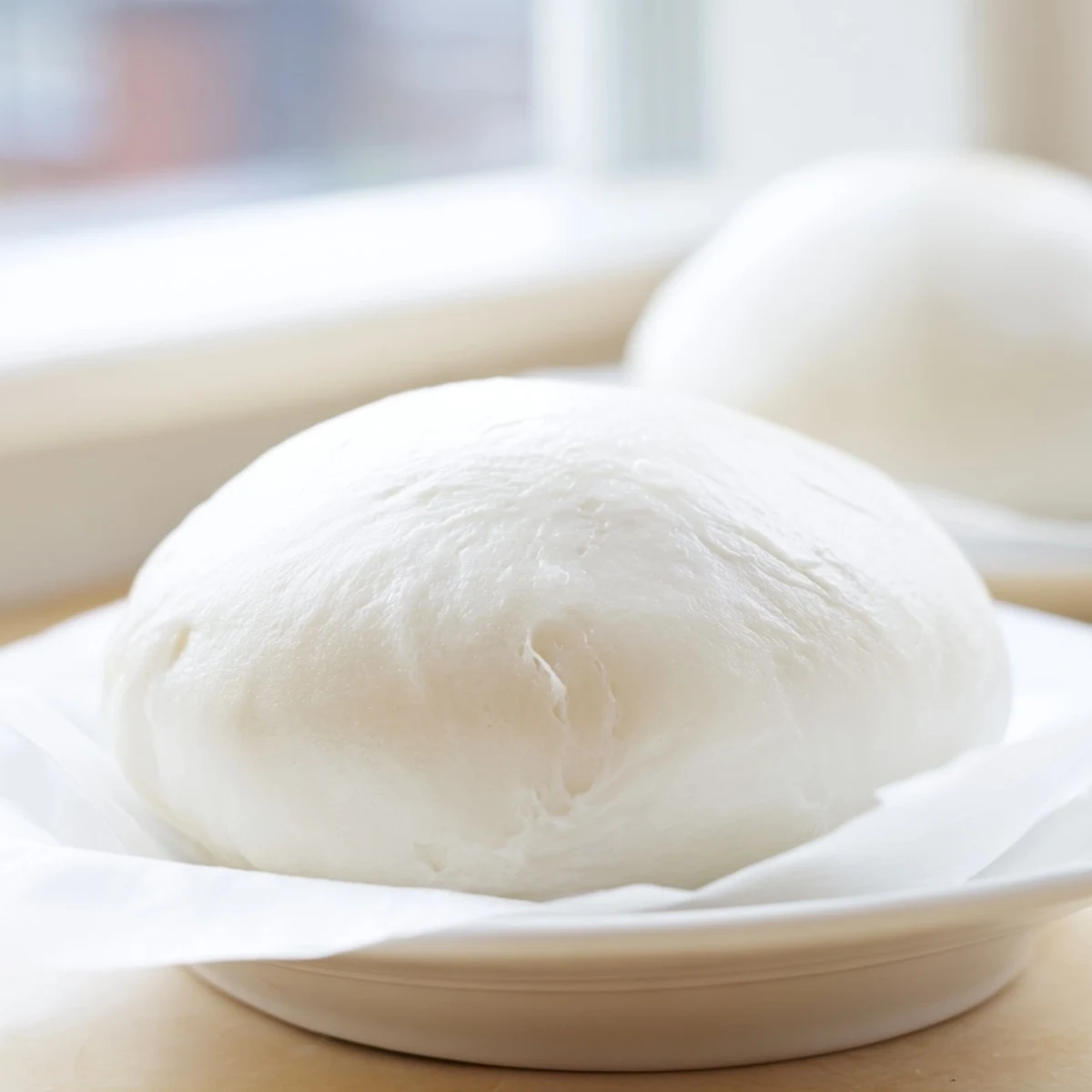
- Set each bun on a parchment square and let them rest for 15 minutes. This second rest is crucial for that cloud-like texture.
- Steam to perfection:
- Place buns in a steamer over boiling water and cook for 15-20 minutes. The dough should feel springy and dry to the touch.
 Save
Save My dad still talks about the first time I made these for him. He took one bite, eyes closed, and said these taste exactly like the ones from the street vendor near his old school.
Freezing Ahead
I always make double batches now. After shaping the buns, I freeze them on a tray before transferring to a bag. Steam straight from frozen, just add 5 extra minutes.
Getting That Pure White Color
The vinegar trick my aunty swore by actually works. A splash in the steaming water keeps the buns snowy white instead of developing that yellowish tint.
The Pinch Technique
Sealing takes practice, and my first attempts looked like sad little dumplings. The trick is twisting the dough as you gather it, like closing a drawstring bag.
- Keep the sealed side down while steaming
- If gaps appear, pinch a tiny piece of dough to patch
- Practice makes perfect, and theyll still taste delicious
 Save
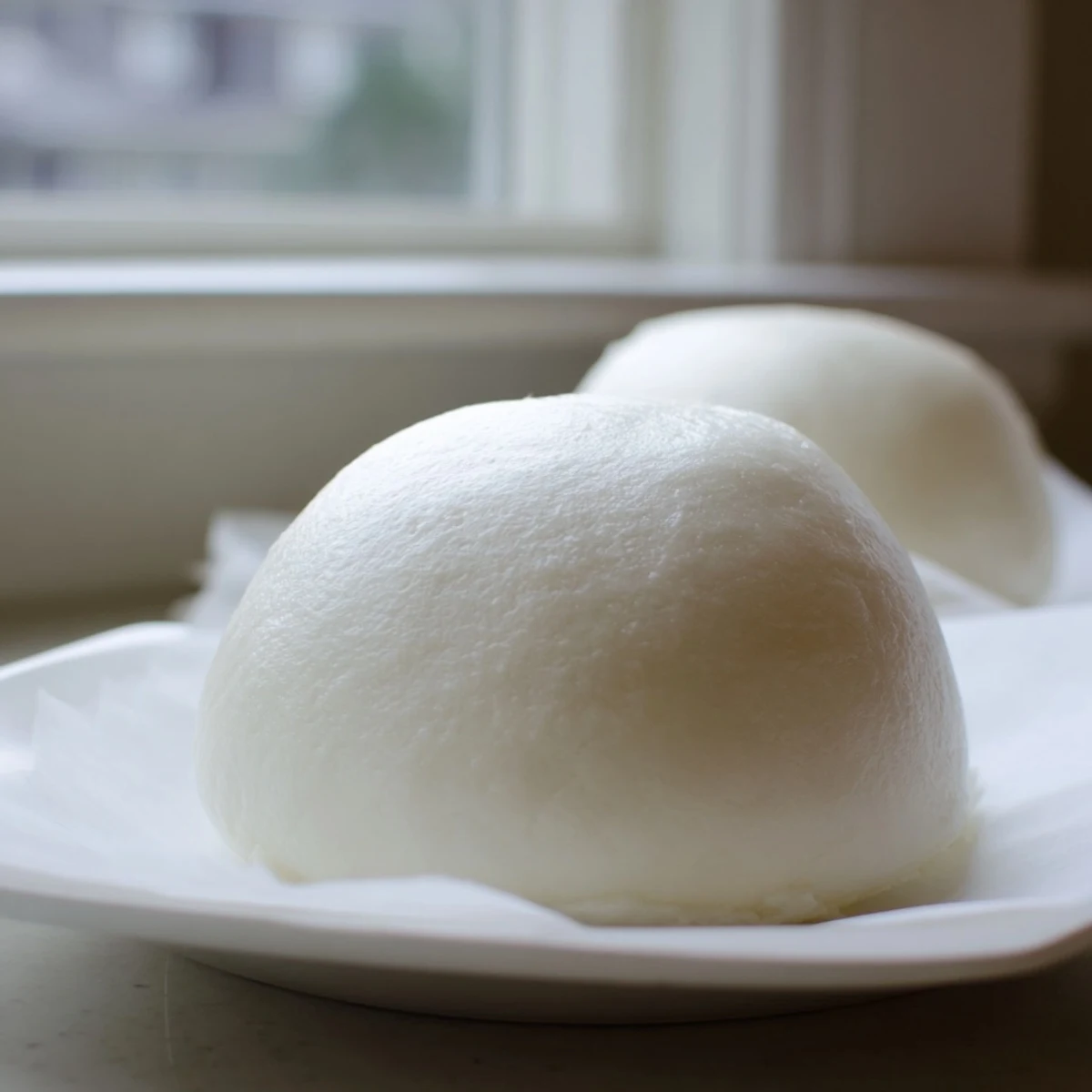
Save Theres something magical about lifting that steamer lid and seeing these pillowy buns, knowing each one holds that savory treasure inside. Hope they become part of your kitchen memories too.
Your Questions Answered
- → What makes Banh Bao dough fluffy?
-
The combination of instant yeast and baking powder creates those signature airy pockets. Warm milk activates the yeast, while proper kneading develops gluten structure for elasticity. The resting period allows dough to double in size, resulting in pillowy soft buns after steaming.
- → Can I freeze Banh Bao?
-
Absolutely. Freeze uncooked buns on parchment paper, then transfer to freezer bags. Steam directly from frozen for 20-25 minutes—no thawing needed. Cooked buns also freeze well for up to 3 months.
- → What can I substitute for Chinese sausage?
-
Try diced bacon, lap cheong alternatives, or additional seasoned pork. For vegetarian versions, use firm tofu marinated in soy sauce and five-spice powder to replicate that umami depth.
- → How do I prevent buns from sticking?
-
Always use parchment paper squares underneath each bun. Lightly oiling the steamer basket helps, and spacing buns 2 inches apart prevents sticking during expansion. A drop of vinegar in steaming water also yields whiter buns.
- → Why did my buns turn dense?
-
Overfilling prevents proper sealing, while under-kneading yields tough dough. Ensure milk is warm (not hot) to activate yeast without killing it. Skipping the second rest period after shaping also affects texture—patience pays off.
- → What's the best way to reheat leftover buns?
-
Steaming for 5 minutes restores original fluffiness perfectly. Microwave with a damp paper towel for 30-60 seconds works in a pinch, though texture slightly suffers. Avoid oven reheating as it dries out the delicate dough.