
 Save
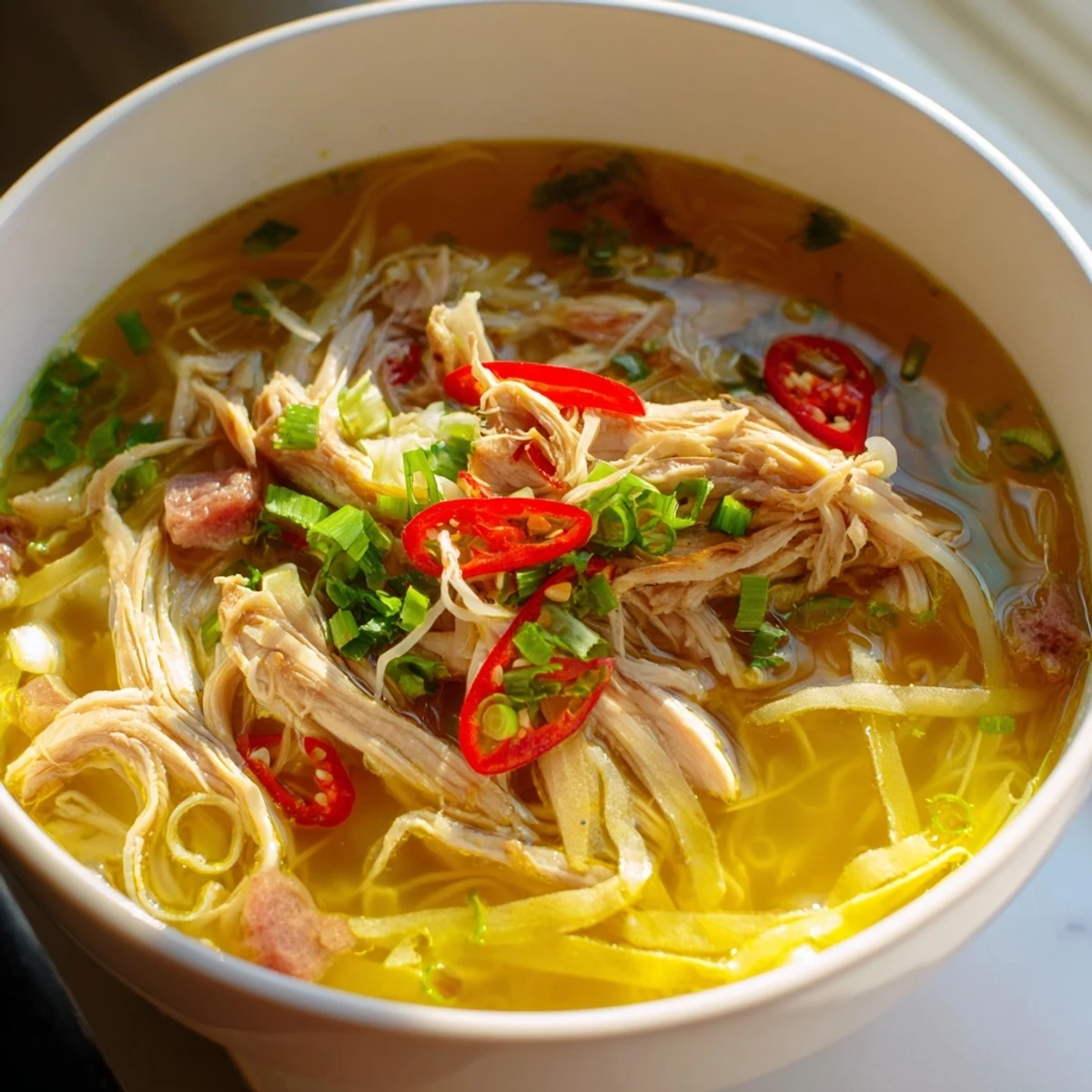
Save Bun Thang represents Hanoi's refined culinary philosophy, transforming simple ingredients into an elegant, multi-textured bowl. This beloved specialty combines tender shredded chicken, delicate egg crepe ribbons, and savory pork sausage over rice vermicelli, all bathed in a crystal-clear aromatic broth.
The magic lies in preparation—shredding each topping into uniform strips, creating that signature visual harmony. The broth, simmered with chicken, onion, and ginger, achieves remarkable depth through time-honored techniques. Fresh herbs like mint, cilantro, and Vietnamese coriander add brightness, while optional shrimp paste delivers authentic umami complexity.
Perfect for weekend cooking, this dish rewards patience with its sophisticated interplay of flavors and textures. The result is a comforting yet refined bowl that embodies Vietnamese culinary craftsmanship at its finest.
The steam rising from my grandmother's Hanoi kitchen always carried this impossible combination of aromas—ginger, charred onion, and something sweeter I couldn't name. I spent years trying to recreate that elusive clarity in broth, burning more onions than I care to admit. Now I understand that Bun Thang isn't rushed; it's a meditation on patience and precision, each component treated like a small precious thing.
Last winter, my friend Minh watched me arrange the toppings and laughed at how seriously I took the placement. In Hanoi, she told me, the way you compose your bowl says something about your respect for the food itself. We spent that rainy afternoon making thin ribbons of egg crepe and shredding chicken into impossibly fine strips, talking about how the best recipes are really just love served in a bowl.
Ingredients
- Whole chicken (3 lbs/1.4 kg): The foundation of everything—poach it gently and you'll get tender meat plus the most aromatic base
- Medium yellow onion (1 piece): Leave it whole and unpeeled after charring the skin slightly over an open flame if you want deeper flavor
- Ginger (2-inch piece): Smash it with the side of your knife to release those aromatic oils into the broth
- Water (6 cups/1.5 L): Start with cold water and bring everything up together—hot water makes the broth cloudy
- Salt (1 tsp) and fish sauce (1 tbsp): Taste as you go since different fish sauce brands vary wildly in intensity
- Rock sugar (1 tsp): This little secret balances everything without making the broth taste sweet
- Vietnamese pork sausage (120 g/4 oz): Look for gio lua or cha lua at your Asian market—the texture is silkier than regular ham
- Large eggs (3 pieces): Make these crepes thin as paper and they'll cook through almost instantly
- Dried rice vermicelli (300 g/10 oz): Soak them in cool water while you prep everything else
- Scallions, cilantro, Vietnamese coriander, mint: These fresh herbs aren't garnish—they're essential to the experience
- Red chili (1 piece): Adjust based on your heat preference, but dont skip it entirely
- Shrimp floss and lime wedges: The finishing touches that wake up the whole bowl
Instructions
- Build Your Broth Base:
- Place the whole chicken, peeled onion, and smashed ginger in a large pot with cold water. Bring everything to a gentle boil over medium heat, then immediately reduce to a low simmer.
- Skim and Simmer:
- As the broth simmers, foam will rise to the surface—skim it off diligently with a ladle for the clearest result. After 30 minutes, carefully remove the whole chicken and set it aside to cool.
- Deepen the Flavor:
- Let the broth continue simmering with the onion and ginger for another 45 minutes while the chicken cools. Add salt, fish sauce, and rock sugar, then strain the broth through a fine mesh strainer for crystal clarity.
- Shred the Chicken:
- Once the chicken is cool enough to handle, remove the breast meat and shred it into thin, even strips with your fingers. The remaining meat can be saved for another use or added back into the broth if you prefer a heartier soup.
- Craft the Egg Ribbons:
- Whisk eggs with a pinch of salt until uniform. Heat a nonstick skillet over medium-low heat, pour just enough egg to coat the bottom, and swirl into a paper-thin crepe. Cook until just set, flip briefly, and repeat until all the egg is used. Stack the crepes and slice into fine julienne strips.
- Prep the Noodles:
- Cook the soaked vermicelli according to package directions, then rinse immediately under cold water to stop the cooking. Drain thoroughly so they don't water down your precious broth.
- Slice the Sausage:
- Cut the Vietnamese pork sausage into thin julienne strips that match the size of your egg ribbons. The uniformity makes every spoonful feel balanced.
- Compose Each Bowl:
- Divide noodles among four bowls, then arrange shredded chicken, egg ribbons, sausage slices, scallions, cilantro, Vietnamese coriander, mint, and chili on top in neat sections. Ladle the hot broth over everything and serve immediately with lime wedges and shrimp paste on the side.
 Save
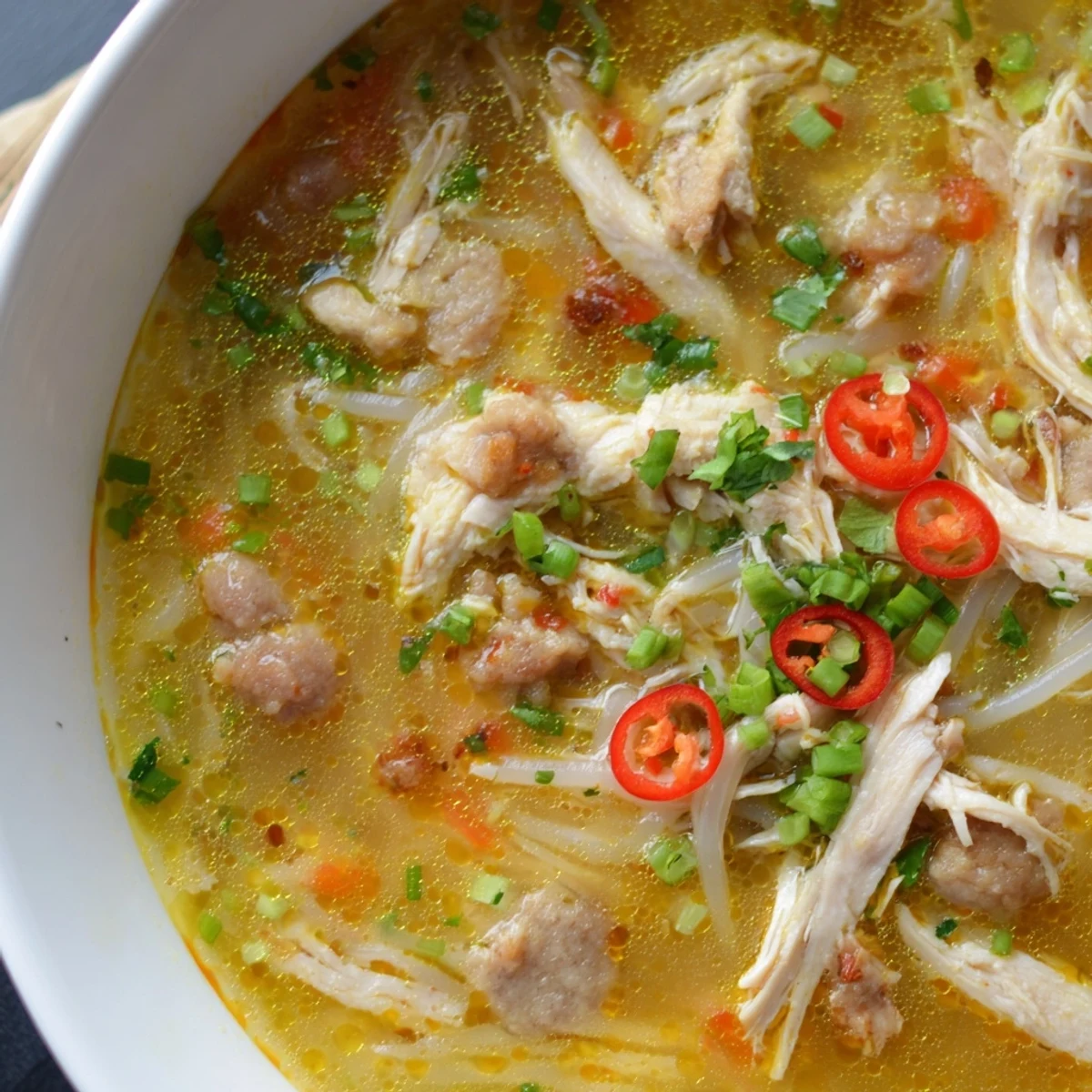
Save There's something almost meditative about arranging all those colorful toppings into sections, like creating a tiny edible landscape. My daughter helped me assemble the bowls last Sunday and said it looked like a garden. When she took that first sip of broth, her eyes widened—that's the moment I knew she understood why this soup is special.
Mastering the Broth
I've learned that the clearest broth comes from patience, not technique. Keep the heat low enough that bubbles barely break the surface, and resist the urge to rush by turning it up. The gentle extraction over time creates that golden clarity that defines Hanoi-style soups.
The Art of Toppings
Everything in Bun Thang is cut to match—the width of the egg ribbons should guide how you slice the sausage and shred the chicken. This uniformity isn't just aesthetics; it ensures every spoonful carries all the flavors together instead of one ingredient dominating.
Serving It Right
Traditionally, the broth comes to the table in a separate pot, kept piping hot. Each person receives their bowl of arranged toppings, then ladles the steaming broth over themselves right before eating. This keeps the textures distinct and the experience interactive.
- Have extra lime wedges at the table—the brightness should be adjusted to individual taste
- Shrimp paste is polarizing; serve it on the side so diners can choose their own adventure
- The broth should be served hot enough to slightly wilt the herbs but not so hot it overcooks the egg ribbons
 Save
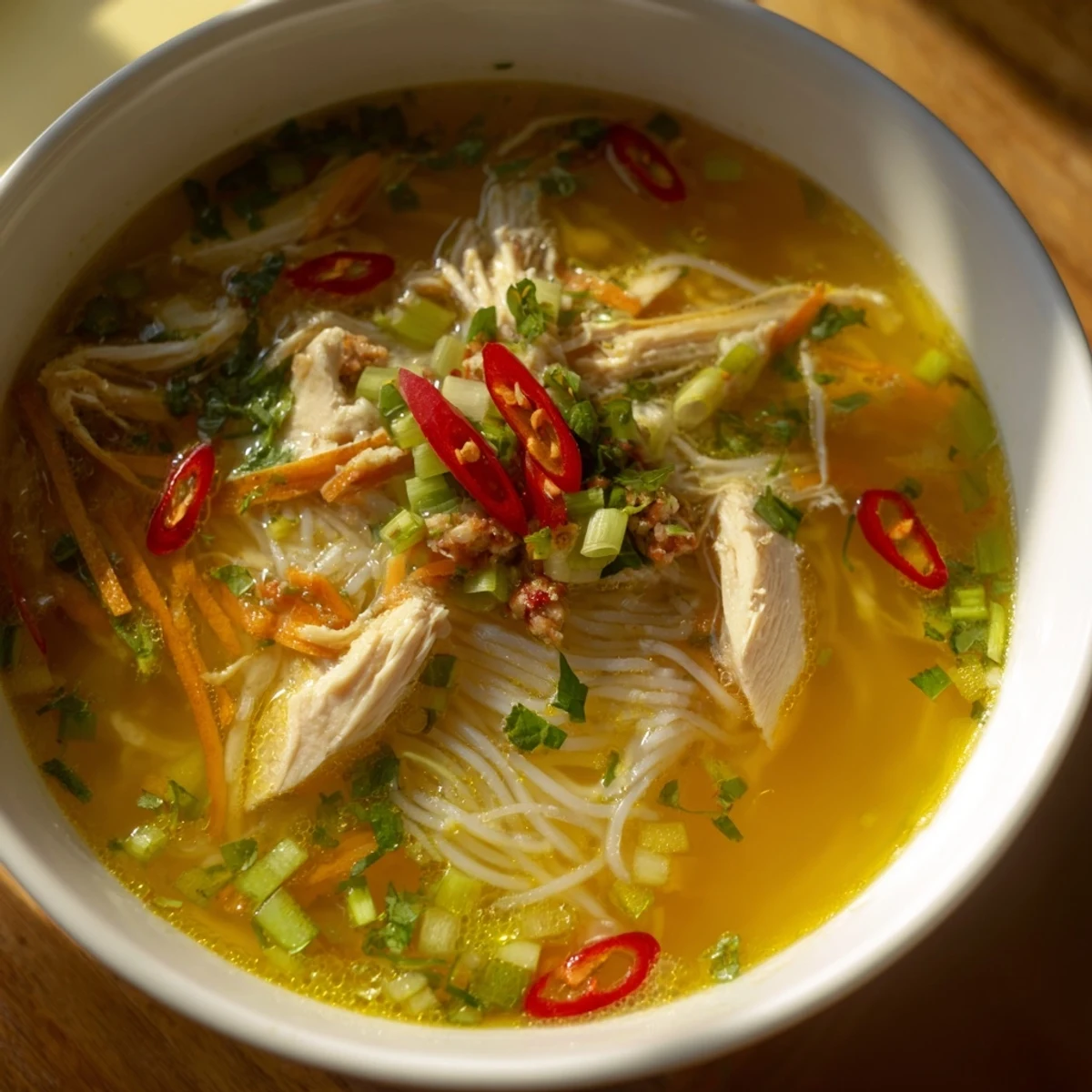
Save This soup taught me that some dishes are worth the extra effort, not because they're fancy, but because they honor the ingredients. I hope your kitchen fills with the same fragrant steam that always takes me back to Hanoi.
Your Questions Answered
- → What makes Bun Thang different from other Vietnamese noodle soups?
-
Bun Thang stands out for its meticulous preparation and visual elegance. Unlike Pho's bold spices or Bun Bo Hue's spicy intensity, this Hanoi specialty focuses on delicate balance and refinement. Every topping is cut into uniform thin strips, creating a harmonious presentation. The clear broth relies on quality chicken and aromatics rather than heavy spices, allowing each ingredient's natural flavor to shine through while maintaining subtle complexity.
- → Can I prepare the components ahead of time?
-
Absolutely. In fact, Bun Thang benefits from advance preparation. The broth tastes even better made a day ahead, allowing flavors to meld and develop depth. Shredded chicken, egg crepes, and sliced sausage can be prepared and refrigerated separately for up to 2 days. Rice vermicelli cooks quickly, so blanch it fresh just before serving. This component-based approach makes assembly effortless when you're ready to enjoy the bowl.
- → What can I substitute for Vietnamese pork sausage?
-
While gio lua adds authentic texture and flavor, several alternatives work beautifully. Thinly sliced lean ham or steamed pork loaf provide similar density. For a homemade version, ground pork mixed with fish sauce and steamed until firm works well. Some cooks use thin strips of pan-fried pork belly for extra richness. The key is maintaining the tender, chewy texture that contrasts with the softer shredded chicken and silky egg ribbons.
- → How do I achieve the perfect clear broth?
-
Clarity comes from gentle simmering and proper skimming. Start with cold water and bring to a boil gradually, skimming foam that rises to the surface. Maintain a gentle simmer rather than rolling boil to keep broth clear. Avoid stirring vigorously once chicken is added. Strain through cheesecloth or a fine mesh strainer for crystal-clear results. The onion and ginger contribute golden color without clouding the liquid, creating that signature translucent appearance.
- → Is shrimp paste necessary for authentic flavor?
-
Shrimp paste (mam tom) offers a distinct umami punch that many Hanoi locals consider essential, but it's an acquired taste with a strong pungent aroma. If you're new to Bun Thang, start without it or serve it on the side. Extra fish sauce in the broth provides depth for those avoiding shrimp paste. The dish remains delicious and satisfying without it, relying on the quality broth and fresh toppings for flavor complexity.
- → What's the secret to perfect egg crepe strips?
-
The technique requires patience and the right pan temperature. Whisk eggs thoroughly with a pinch of salt until no white streaks remain. Heat a nonstick skillet over medium-low heat—too hot and the egg bubbles and becomes uneven. Pour just enough to create a thin, even layer. Cook until just set, avoiding browning. The crepe should remain pale yellow and tender. Stack and roll before slicing into fine julienne strips for that signature delicate texture.