
 Save
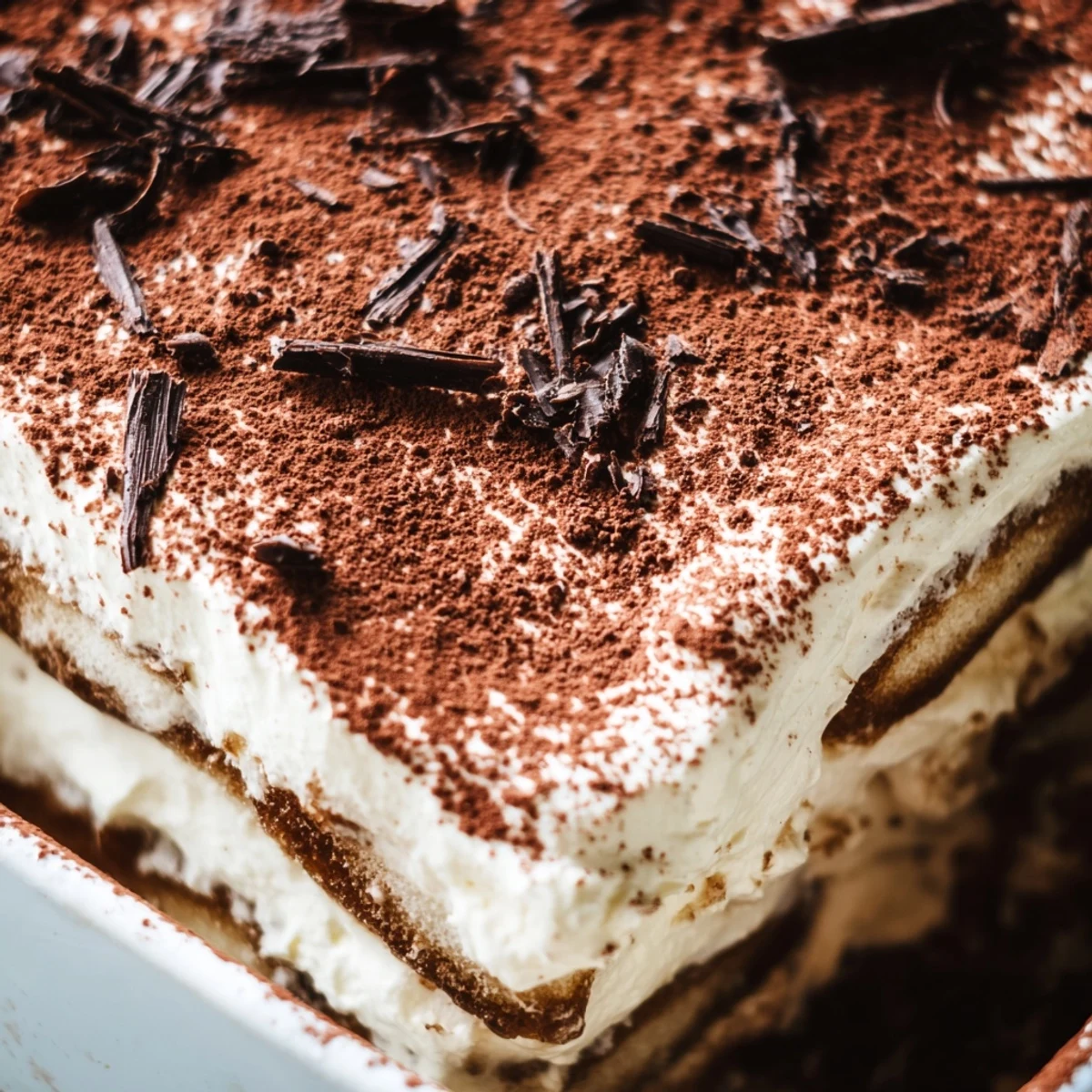
Save This traditional Italian dessert combines delicate ladyfingers briefly dipped in strong espresso with a rich, velvety mascarpone cream. The preparation involves creating a lightened custard base with whipped cream and vanilla, then layering it with coffee-dipped biscuits for optimal texture absorption. After several hours of chilling, the flavors meld beautifully, resulting in that perfect balance of bitter coffee and sweet cream. A final dusting of unsweetened cocoa powder adds depth and visual appeal to this timeless classic.
The tiny Italian cafe in Florence where I first tasted authentic tiramisu had no menu written anywhere, just an older woman who seemed to read minds. She placed this cloud-like dessert in front of me during a rainstorm, and suddenly being cold and lost didn't matter anymore. recreating that memory took dozens of attempts, many overly soggy ladyfingers, and one spectacular separation of my mascarpone mixture before I understood what makes this dessert sing.
I made this for my Italian friend Marias birthday last spring, watching skeptically as she inspected my layers. She took one bite, closed her eyes, and simply whispered 'mama mia' before demanding the recipe. Now whenever I need to impress someone or just want to feel transported to a cobblestone street, this is what I make.
Ingredients
- 500 g mascarpone cheese: Must be full fat and properly cold, room temperature mascarpone will turn into a strange grainy mess that ruins everything
- 4 large egg yolks: Use pasteurized eggs since we're not fully cooking them, or temper them carefully over that water bath
- 100 g granulated sugar: The sweetness balances the bitter espresso perfectly, don't be tempted to reduce this
- 1 tsp pure vanilla extract: Real vanilla makes the cream taste more expensive and complex
- 250 ml heavy cream: Needs to be freezing cold from the fridge or it won't whip properly into those clouds
- 300 ml strong espresso: Let it cool completely or you'll melt the cream and end with soup instead of layers
- 3 tbsp coffee liqueur: The optional addition makes the flavor pop but the espresso alone works beautifully if you prefer
- 200 g ladyfingers: Traditional savoiardi are sturdier than the soft cake-like ones and hold up better to dipping
- Unsweetened cocoa powder: Use a fine sieve for dusting or you'll get clumpy patches instead of that elegant finish
- Dark chocolate shavings: These add texture and make the presentation look restaurant worthy
Instructions
- Warm and whisk your yolks:
- Set up your bain-marie by placing a heatproof bowl over simmering water, whisking yolks and sugar until they turn pale and slightly thickened, about 3 to 4 minutes.
- Fold in the mascarpone:
- Let the yolk mixture cool slightly before gently folding in the mascarpone and vanilla until no white streaks remain.
- Whip the cream:
- In a separate chilled bowl, whip the cold heavy cream until stiff peaks form, then carefully fold it into the mascarpone mixture.
- Prepare your coffee bath:
- Mix cooled espresso with coffee liqueur in a shallow dish that's wide enough to fit ladyfingers laying flat.
- Dip and arrange:
- Quickly dip each ladyfinger for just 1 to 2 seconds per side and arrange in a single layer in your 23 x 23 cm dish.
- Layer it up:
- Spread half the mascarpone cream over the ladyfingers, add another dipped layer, and top with remaining cream, smoothing the top.
- The hard part:
- Cover and refrigerate for at least 4 hours though overnight is better for the flavors to really meld.
- Final touch:
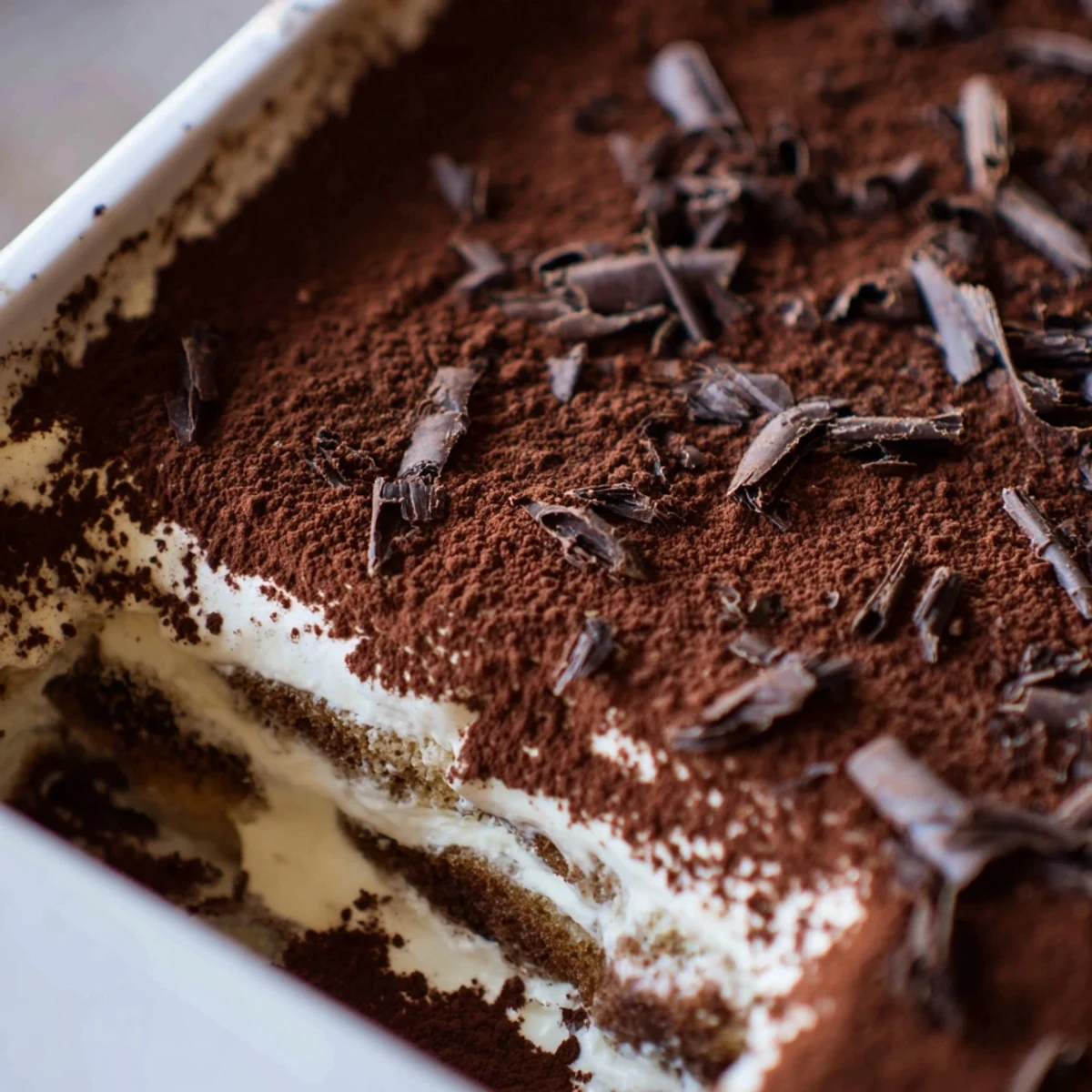
- Dust generously with cocoa powder through a fine sieve and scatter dark chocolate shavings right before serving.
 Save
Save My grandmother always said desserts made with patience taste sweeter, and she was absolutely right about this. Every time I serve it, someone inevitably asks why restaurant tiramisu never tastes as good as homemade, and I think it's because we made it with our own hands.
Getting The Texture Right
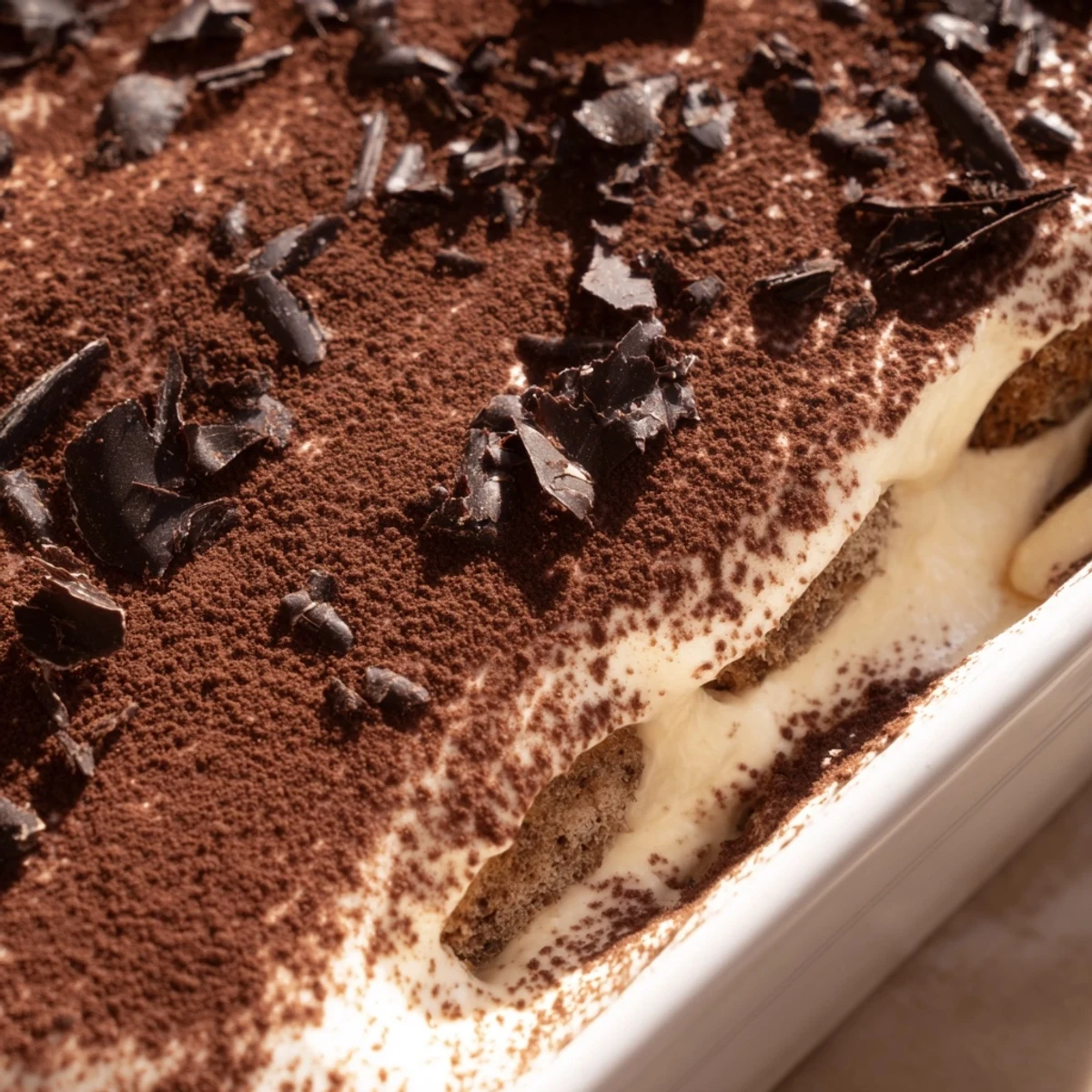
The difference between mediocre tiramisu and the kind that makes people swoon is all about texture contrasts. Your cream should be light and airy but still substantial enough to hold those ladyfinger layers in place without sliding around.
Timing Is Everything
This dessert really needs those four hours minimum in the fridge to properly set. I've tried rushing it and the layers slide into each other, creating a mushy situation that still tastes good but lacks that elegant structure.
Make It Your Own
Once you master the classic version, you can start playing with flavors while keeping the same technique. I've made versions with amaretto instead of coffee liqueur, added orange zest to the cream, and even created a chocolate version by swapping cocoa for melted ganache.
- The coffee mixture can be spiked with different liqueurs depending on your mood
- Fold some melted chocolate into the cream for a mocha variation
- Make individual portions in martini glasses for dinner party presentation
 Save
Save There's something deeply satisfying about serving a dessert that feels so fancy yet comes together with such simple ingredients. Every bite is a little reminder that good things come to those who wait.
Your Questions Answered
- → How long should tiramisu chill before serving?
-
Refrigerate for at least 4 hours, though overnight chilling (8-12 hours) yields the best texture and flavor integration. The ladyfingers need time to soften and absorb the coffee mixture properly.
- → Can I make tiramisu without alcohol?
-
Absolutely. Simply omit the coffee liqueur from the espresso mixture. The dessert will still be delicious with just the strong espresso flavor.
- → Why do my ladyfingers get too soggy?
-
Avoid soaking ladyfingers in the coffee mixture. Dip each side for only 1-2 seconds—they should be moist but not saturated. Over-dipping leads to a mushy texture.
- → Can I use instant coffee instead of espresso?
-
While strong brewed coffee works in a pinch, espresso provides the authentic intense flavor. If using instant, make it quite concentrated to achieve the proper taste profile.
- → How long does tiramisu keep in the refrigerator?
-
Properly covered, tiramisu keeps well for 3-4 days refrigerated. The flavors often improve after a day, though the texture may become softer over time.