
 Save
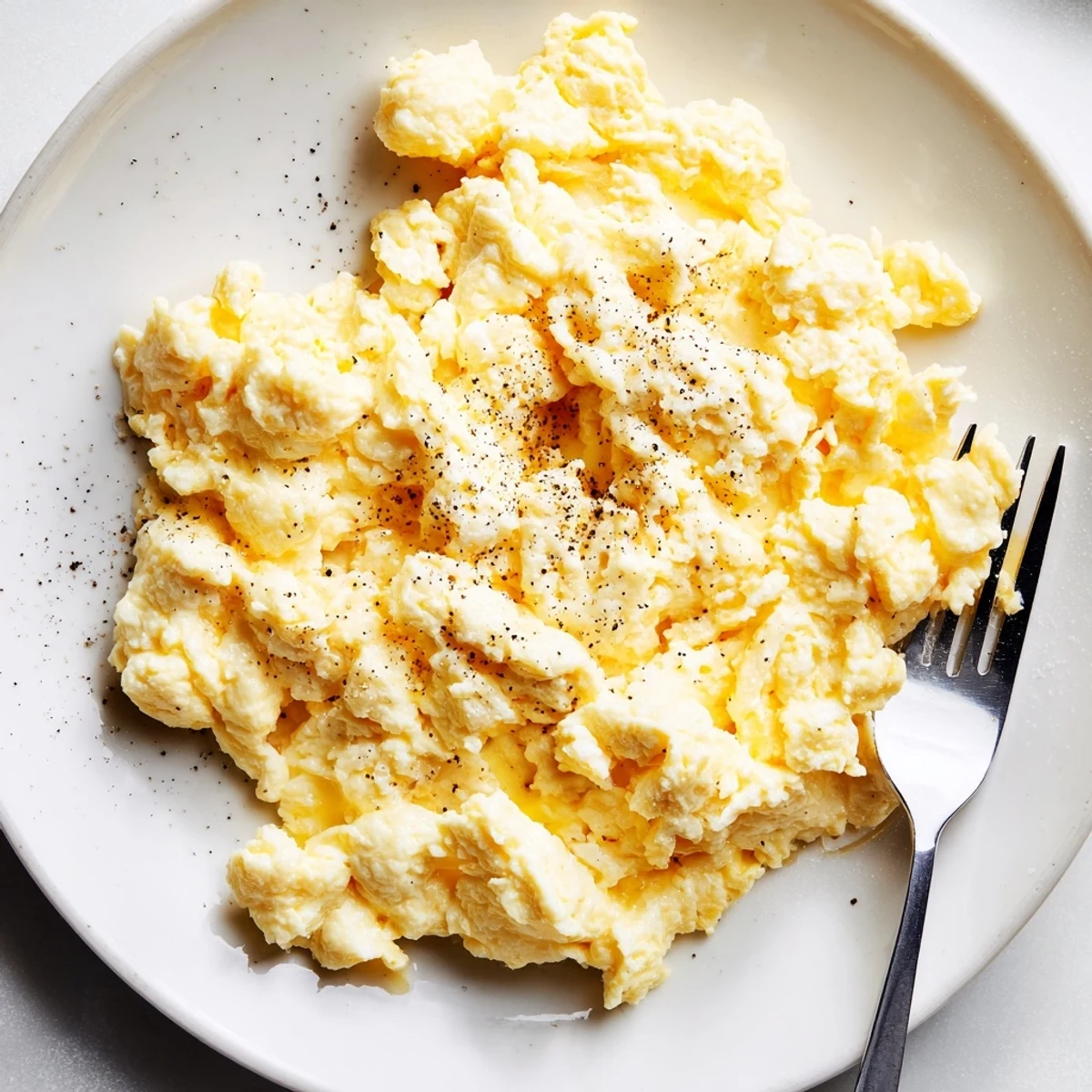
Save Transform ordinary eggs into a luxurious breakfast experience with this foolproof method for achieving creamy, fluffy curds every time. The secret lies in gentle heat and patient stirring—results that rival any restaurant-quality dish in just ten minutes.
Whole milk or cream creates that signature silky texture, while unsalted butter adds rich depth. The technique requires medium-low heat and a light hand, pushing eggs toward the center to form soft, tender curds that remain slightly moist.
Customize endlessly with fresh herbs, grated cheese, or sautéed vegetables. Perfect alongside buttered toast, sliced avocado, or luxurious smoked salmon for a complete morning meal that satisfies every time.
My roommate sophomore year taught me that scrambled eggs deserve respect, not abuse. She'd wake up on Sundays, still in pajamas, and transform three humble ingredients into something that felt like a hug on a plate. Watching her patience with the eggs—never rushing, never walking away—changed how I approached cooking forever.
Last month I made these for my sister after she had a terrible week at work. She took one bite and got quiet, then asked if I'd added something secret to the eggs. Sometimes the most ordinary food becomes extraordinary simply because someone took the time to cook it with care.
Ingredients
- 4 large eggs: Room temperature eggs whisk into a more uniform, cohesive mixture that cooks evenly
- 2 tbsp whole milk or cream: This small amount creates that velvety texture without making the eggs watery or thin
- 1 tbsp unsalted butter: Butter adds flavor and prevents sticking better than oil while creating those golden edges
- 1/4 tsp salt: Salt the eggs before cooking rather than after for better distribution and seasoning throughout
- 1/8 tsp freshly ground black pepper: Freshly cracked pepper has a bright complexity that pre-ground lacks
Instructions
- Whisk your base:
- Crack eggs into a bowl, add milk or cream with salt and pepper, then whisk until slightly frothy and uniform in color.
- Melt the butter:
- Heat butter in a nonstick skillet over medium-low heat until it melts and begins gently bubbling across the surface.
- Add and pause:
- Pour in the egg mixture and let it sit undisturbed for a few seconds until the edges just barely start to set.
- Create soft curds:
- Gently push eggs from edges toward center with a spatula, forming soft folds rather than scrambling aggressively.
- Finish while creamy:
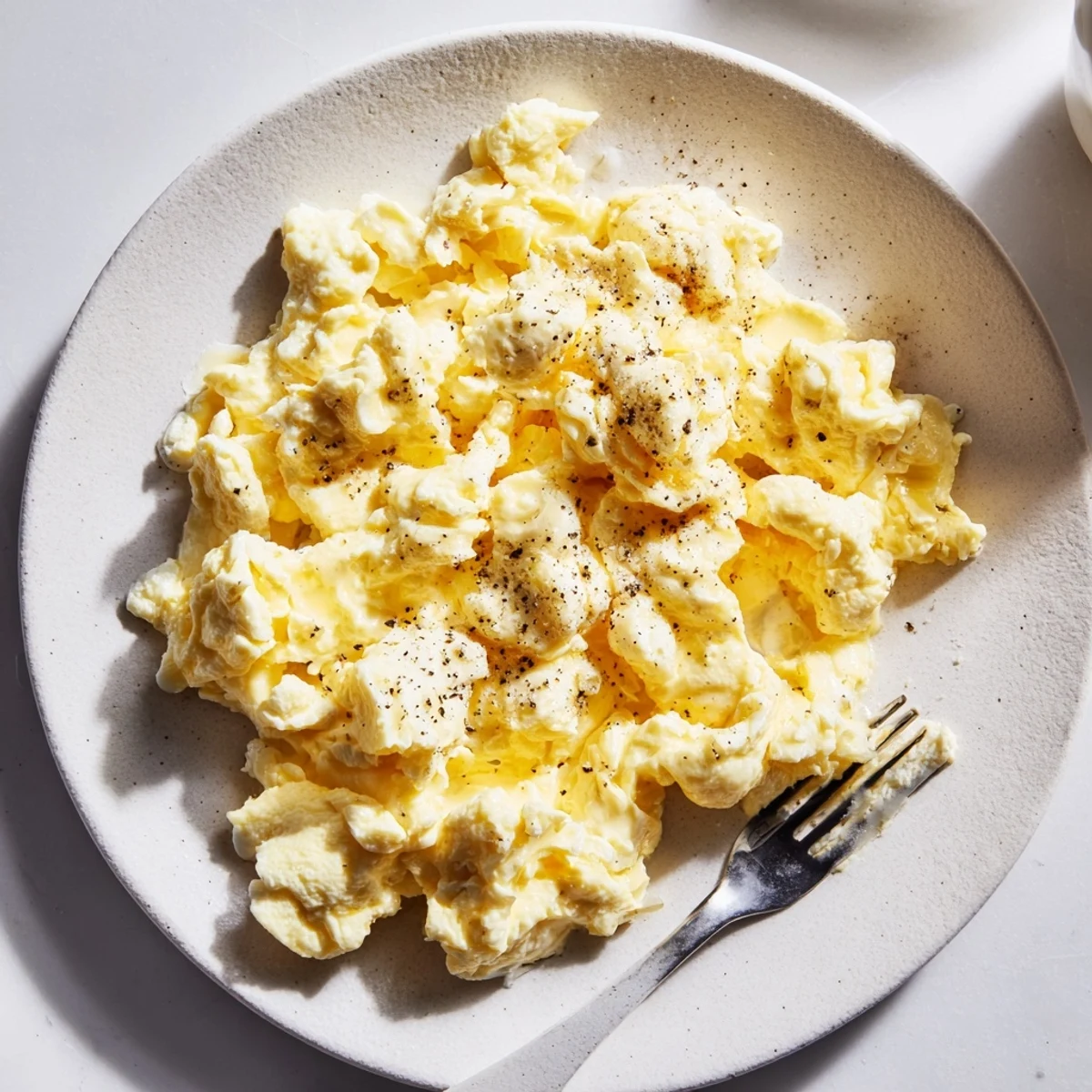
- Continue cooking and gently folding until eggs are just set but still glisten with moisture, then immediately remove from heat.
 Save
Save These eggs have become my default dinner when I'm too tired to cook anything elaborate. There's something deeply comforting about standing at the stove, pushing eggs around in silence, knowing that in five minutes I'll have something nourishing and warm.
Choosing Your Dairy
Cream makes the richest, most indulgent eggs, while whole milk offers a lighter touch. I've found that heavy cream creates that diner-style fluffiness that seems impossible to replicate at home until you actually try it yourself.
Pan Selection Matters
A truly nonstick skillet makes all the difference between frustration and success. I once tried making these in a well-seasoned cast iron and ended up with more egg stuck to the pan than on my plate. Sometimes modern convenience tools genuinely earn their place.
Customization Ideas
The basic recipe is perfect as is, but these eggs welcome additions beautifully. Fresh herbs like chives or parsley add brightness, while grated cheese melts into creamy pockets throughout. Sautéed mushrooms or spinach transform this from breakfast into dinner territory.
- Add chopped chives or dill in the last thirty seconds of cooking
- Fold in grated Gruyère or sharp cheddar just before removing from heat
- Top with everything bagel seasoning for an unexpected savory crunch
 Save
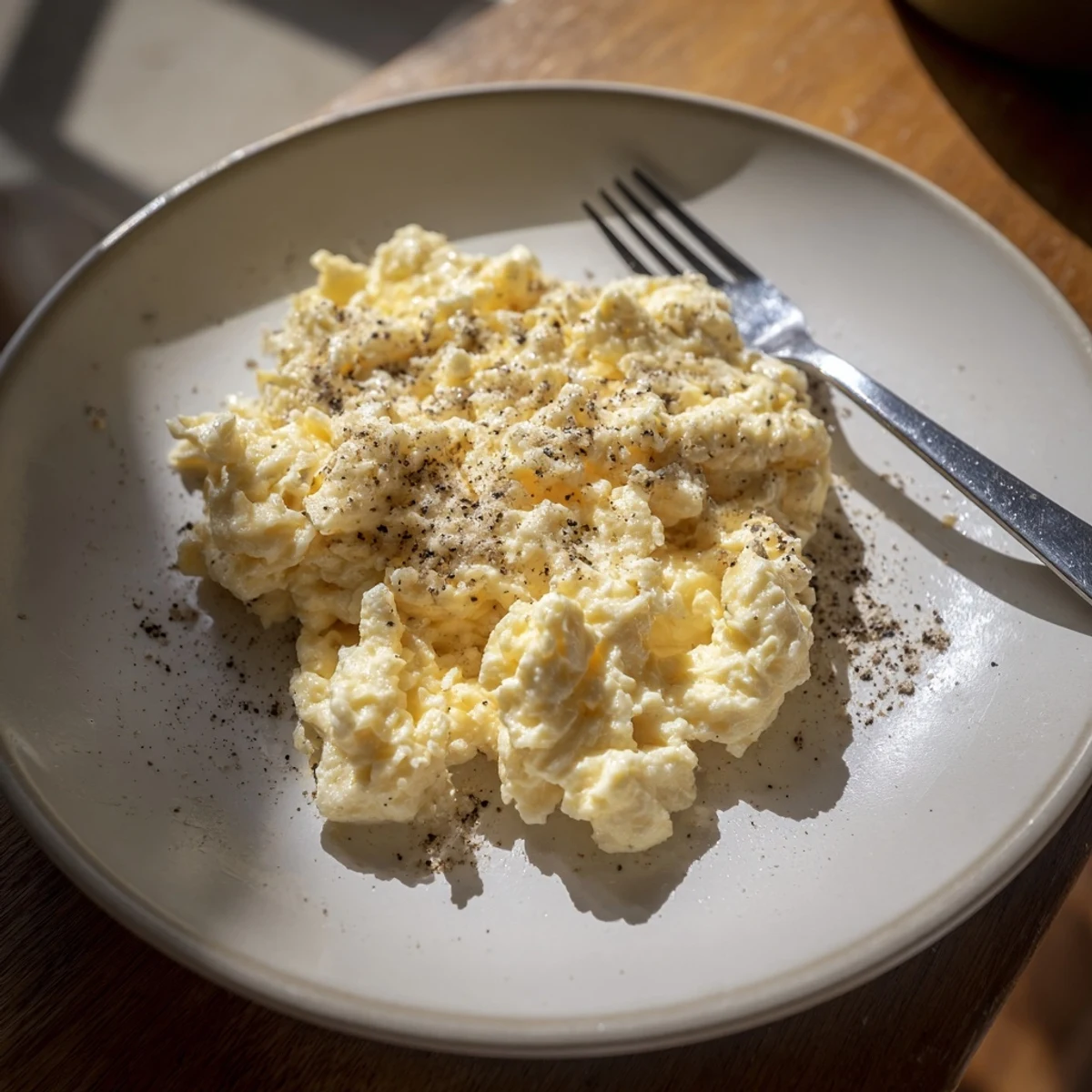
Save Perfect scrambled eggs aren't about fancy techniques or secret ingredients. They're about patience and paying attention to small details, which somehow makes them taste even better.
Your Questions Answered
- → What makes scrambled eggs creamy?
-
Whole milk, cream, or butter creates creaminess. Cooking over gentle medium-low heat and removing from heat while slightly moist ensures soft, tender curds rather than dry, rubbery eggs.
- → Should I add milk to scrambled eggs?
-
Milk or cream enriches texture, making eggs fluffier and more tender. Two tablespoons per four eggs creates the perfect consistency without diluting flavor.
- → Why are my scrambled eggs rubbery?
-
Overcooking or using high heat causes rubbery texture. Eggs continue cooking off heat, so remove when still slightly glossy and moist for perfect creaminess.
- → What is the best pan for scrambled eggs?
-
Nonstick skillets work best, requiring minimal butter while preventing sticking. The smooth surface allows gentle folding without tearing delicate curds.
- → Can I prepare scrambled eggs ahead?
-
Fresh scrambled eggs taste best immediately. However, gently reheated with a splash of cream or milk restores moisture if preparing in advance.
- → How do I make fluffy scrambled eggs?
-
Whisk eggs until slightly frothy incorporates air for fluffiness. Let mixture sit briefly before cooking, then gently fold rather than stir vigorously to maintain air pockets.