
 Save
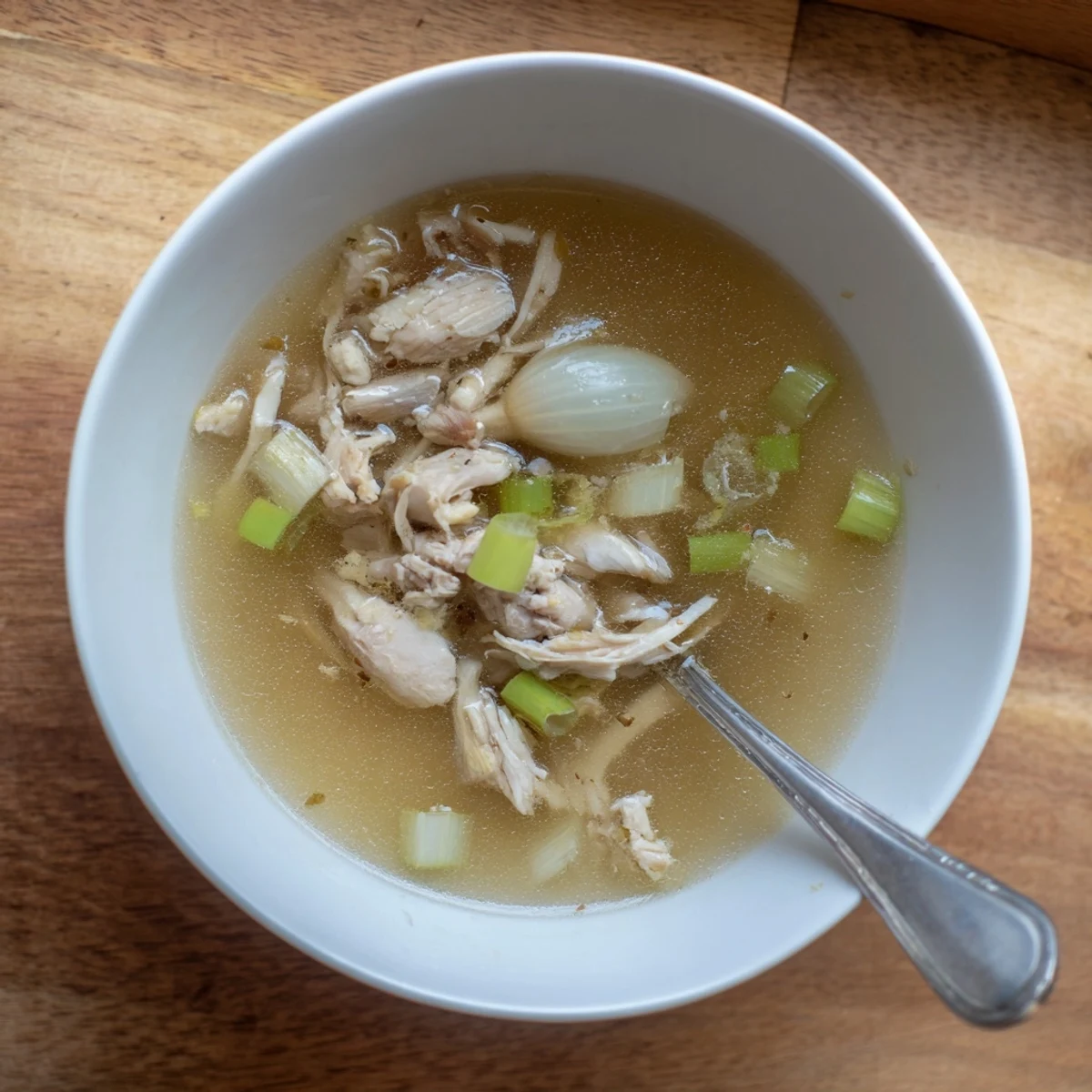
Save This traditional Korean Dakgomtang delivers a restorative bowl of clear broth enriched with slowly simmered whole chicken. The aromatic combination of fresh garlic, ginger, and green onions creates a deeply nourishing base that's both delicately flavored and satisfying. Perfect for cold weather or when you need comfort, this soup comes together with simple preparation and mostly hands-off simmering time.
The tender shredded chicken returns to the strained broth for those final minutes, absorbing the seasoned liquid. Serve alongside steamed rice and the accompanying dipping sauce of soy, vinegar, and sesame for an authentic experience. Each bowl offers protein-rich nourishment with gluten-free and dairy-free flexibility.
My Korean neighbor Mrs. Kim used to make this soup whenever someone in our apartment building was feeling under the weather. The smell of garlic and chicken would drift through the hallway vents, and I'd find myself standing outside her door, pretending to check my mail. She finally caught me and sent me home with a steaming bowl that changed everything I thought about comfort food.
Last winter my partner came down with a terrible flu, and I made three batches of Dakgomtang in one week. I'd never seen someone's eyes light up at the sight of soup before, but they actually sat up in bed when they saw me walking in with those bowls. Now it's our go-to remedy for everything, and we keep the ingredients stocked year-round just in case.
Ingredients
- Whole chicken: Using the entire bird creates the most flavorful and nutritious broth, so don't be tempted to use only parts
- Garlic cloves: Ten cloves might seem like a lot, but they mellow beautifully into the broth without overpowering it
- Fresh ginger: This adds a subtle warmth that balances the chicken's richness
- Daikon radish: Optional but worth finding, it adds sweetness and helps clarify the broth naturally
- Green onions: Save some finely sliced ones for garnish to add fresh bite against the mellow soup
- Sesame oil: Just a teaspoon in the dipping sauce transforms plain soy sauce into something extraordinary
Instructions
- Start the broth:
- Place the cleaned chicken in your largest pot and cover it with cold water. Bring it to a gentle boil while you prepare the vegetables.
- Add the aromatics:
- Toss in the halved onion, peeled garlic, sliced ginger, whole green onions, and daikon chunks. Skim off any foam that rises to the surface, then lower the heat and let it simmer peacefully.
- Simmer slowly:
- Keep the pot at a gentle bubble for an hour, partially covered. The kitchen will start smelling incredible, and patience here pays off in flavor.
- Strain and shred:
- Carefully lift out the chicken and set it aside to cool. Pour the broth through a fine-mesh sieve to remove all the vegetables, then return the clear liquid to the pot.
- Finish the soup:
- Shred the cooled chicken into bite-sized pieces and return them to the broth. Season with salt and pepper, then let everything warm through together for another ten minutes.
- Make the dipping sauce:
- Whisk together soy sauce, rice vinegar, sesame oil, sesame seeds, sliced green onion, and chili flakes. This little bowl of flavor will make every spoonful sing.
 Save
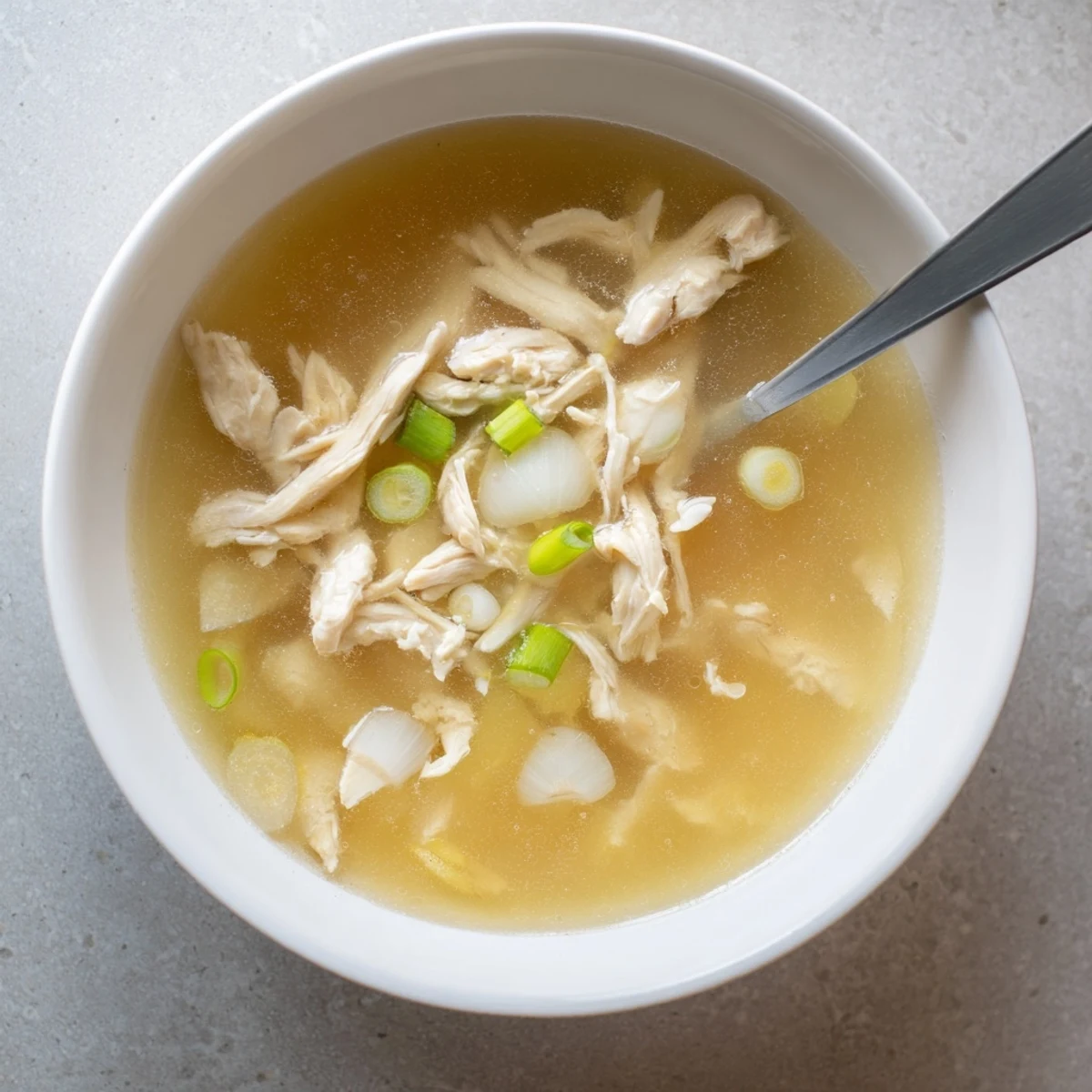
Save My first attempt at this soup was a disaster because I rushed the skimming step and ended up with cloudy broth. Mrs. Kim laughed when I told her and showed me her trick of dipping a ladle in cold water between each skim, which somehow works like magic. Now my broth is always crystal clear, and I think of her every time I stand at the stove, carefully skimming away.
The Secret To Restaurant-Quality Broth
Starting with cold water and bringing everything up to temperature together extracts more flavor from the chicken bones. I've tried the shortcut of adding hot water, and the difference is noticeable enough that I never skip this step anymore.
Serving It Right
Set the table with small bowls of rice, the dipping sauce, and maybe some kimchi if you have it. Everyone should customize their own bowl, dipping pieces of chicken into the sauce and spooning rice directly into the soup.
Making It Your Own
Once you have the basic technique down, this soup adapts beautifully to whatever you have on hand or whatever you're craving. The base remains the same, but the additions can change with the seasons or your mood.
- Add glass noodles during the last five minutes for a more substantial meal
- Throw in sliced mushrooms or spinach for extra vegetables
- Stir in a beaten egg at the very end for ribbons of protein
 Save
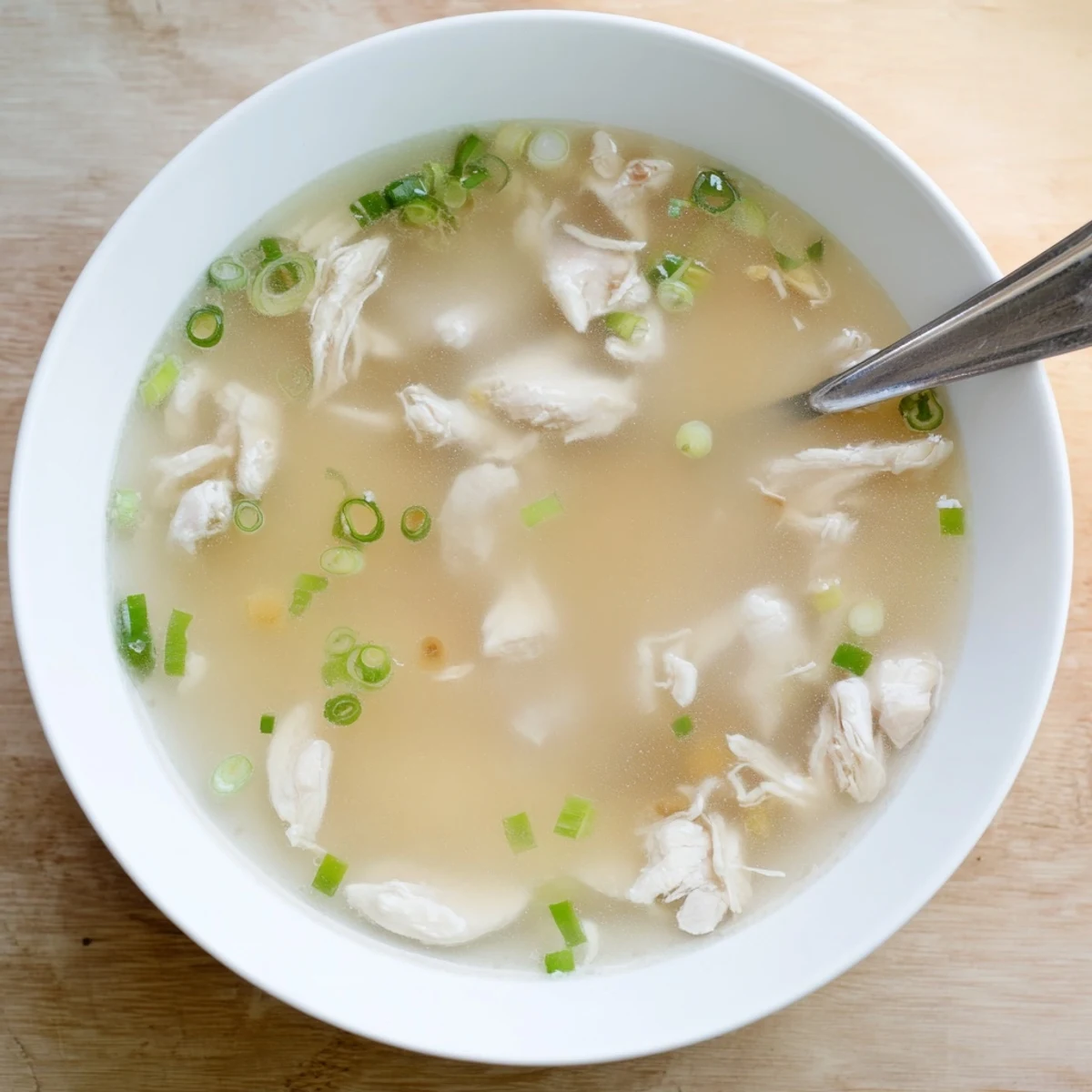
Save There's something profoundly satisfying about a soup that requires so little effort but delivers such enormous comfort. This Dakgomtang has become my answer to almost everything that life throws at us.
Your Questions Answered
- → What makes Dakgomtang different from other chicken soups?
-
Dakgomtang features a clear, clean broth achieved by skimming foam and straining solids. The focus remains on pure chicken flavor enhanced by garlic and ginger rather than heavy vegetables or noodles.
- → Can I use chicken parts instead of a whole chicken?
-
Whole chicken provides the richest flavor, but bone-in chicken thighs or drumsticks work well. Adjust cooking time to 45-60 minutes for parts, ensuring meat reaches tenderness.
- → Is the dipping sauce essential?
-
The dipping sauce adds bright, savory notes that complement the mild broth. It's traditional but optional; the soup stands alone beautifully with just salt and pepper seasoning.
- → How do I store leftovers?
-
Cool completely and refrigerate in airtight containers for up to 4 days. The broth may gelatinize when cold—this indicates good collagen content. Reheat gently, adding water if needed.
- → Can I freeze Dakgomtang?
-
Freeze cooled soup in freezer-safe containers for 2-3 months. Thaw overnight in the refrigerator and reheat slowly. The texture remains excellent after freezing.