
 Save
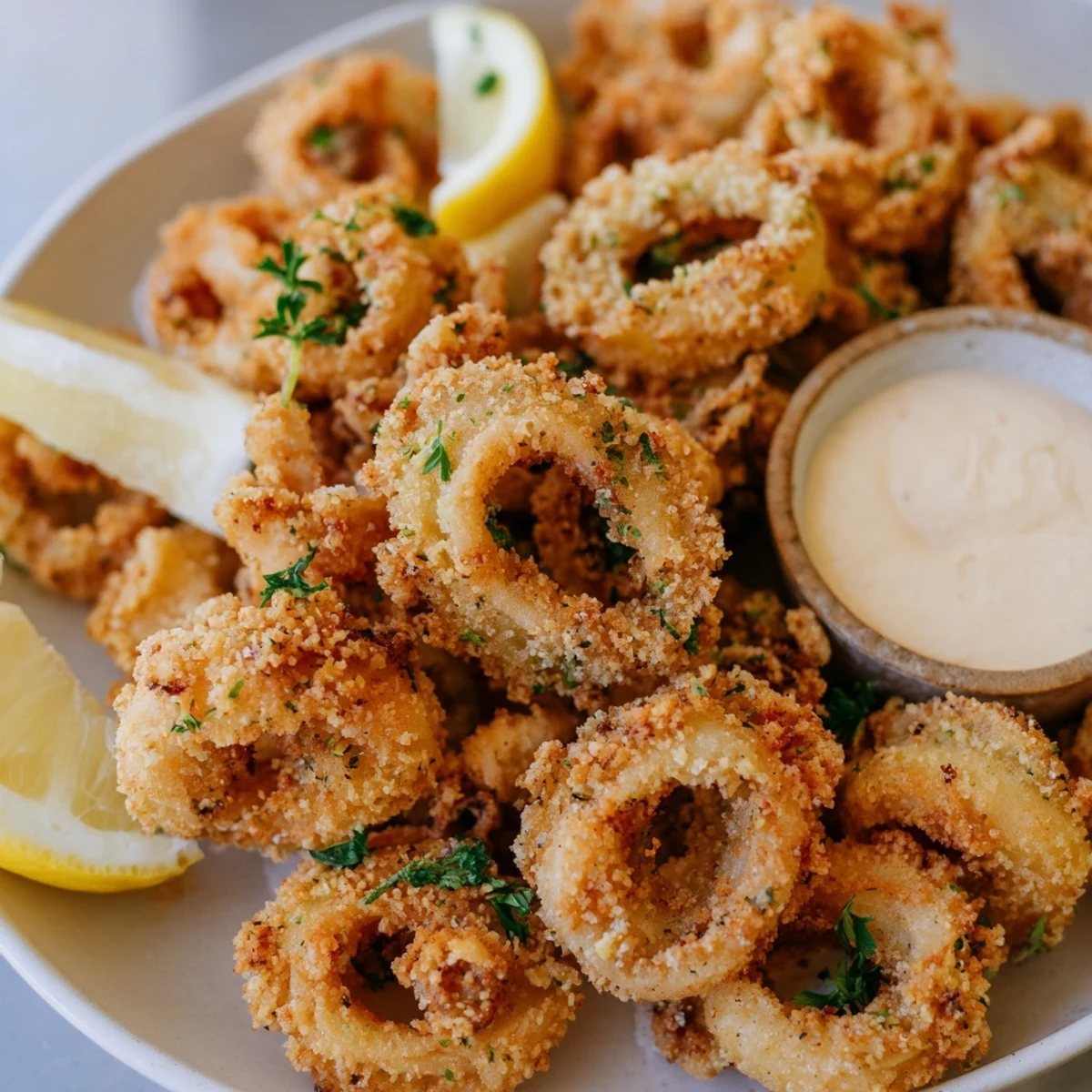
Save This dish features crispy, golden rings of squid, perfectly fried to a tender center. Coated in a seasoned flour and cornmeal mix, the calamari is deep-fried until crisp, then served hot with fresh lemon wedges and your choice of dipping sauce for an enhanced flavor experience. Ideal as a light, flavorful appetizer using simple preparation and Mediterranean-inspired seasonings.
I still remember the first time I made fried calamari at home—it was after a summer trip to a small seaside restaurant where the rings arrived at our table crackling and golden, the kind of appetizer that made the whole meal feel like a celebration. I was convinced it required some secret technique I'd never master, but years later, I discovered the magic was simpler than I'd imagined: perfectly dry squid, a well-seasoned flour coating, and oil at just the right temperature. Now, whenever I make a batch, I'm transported back to that coastal dinner, and I realize I've been serving my friends the same joy that first captivated me.
I'll never forget the dinner party where my neighbor, who'd lived in Greece for a decade, tasted my calamari and asked for the recipe. That single moment of validation made me realize I'd finally nailed something that had intimidated me for years. Now it's become my signature move, the dish people specifically request when they know I'm cooking.
Ingredients
- Cleaned squid tubes and tentacles, sliced into rings: The thinner you slice it (about half a centimeter), the more tender it becomes when cooked. Ask your fishmonger to clean it for you if you're not comfortable doing it yourself—it saves time and guarantees you're starting with quality seafood
- All-purpose flour: This is your foundation for the coating. Don't skip this step or try to use lower-protein flours, as they won't give you that satisfying crunch
- Cornmeal: This is the secret weapon I discovered after years of making this. It adds an extra layer of textural complexity that elevates your calamari from good to extraordinary. You can absolutely skip it if you prefer a more delicate coating
- Sea salt and freshly ground black pepper: Always grind your pepper fresh—pre-ground pepper loses its vibrancy and won't give you that subtle heat that makes people wonder what you did differently
- Paprika: A optional but worthwhile addition that adds a whisper of warmth and color. I use Spanish smoked paprika when I want something with more personality
- Vegetable oil for frying: Use an oil with a high smoke point like vegetable, canola, or peanut oil. This is not the time to experiment with olive oil or coconut oil—they'll burn and ruin your dish
- Fresh lemon wedges: The brightness here is absolutely essential. It cuts through the richness of the fried squid and makes every bite sing
- Fresh parsley: This isn't just garnish—it's a flavor component that adds freshness and makes your dish look like it came from a professional kitchen
- Dipping sauce: Choose what speaks to you. Aioli is classic, marinara is comforting, and tartar sauce brings a briny sophistication
Instructions
- Dry your squid thoroughly:
- Pat each piece with paper towels until they're completely dry. This step is more important than you might think—any moisture clinging to the squid will create steam when it hits the hot oil, which prevents that glorious golden crust from forming. Take your time here; it's worth it
- Create your breading station:
- Combine your flour, cornmeal if using it, salt, pepper, and paprika in a shallow bowl. Mix well so the seasoning is evenly distributed. I like to use a fork to break up any clumps of flour—you want everything to coat evenly
- Coat with intention:
- Add your dried squid to the flour mixture and toss gently but thoroughly, making sure every ring and tentacle piece gets coated. Use your hands if you need to—sometimes a gentle touch works better than any utensil. Shake off any excess flour; you want a light, delicate coating, not a thick batter
- Heat your oil to the sweet spot:
- Use a kitchen thermometer for this—it's the difference between perfectly crispy and disappointingly greasy. At 180°C (350°F), you're in the zone. If your oil isn't hot enough, the squid absorbs oil instead of crisping. Too hot, and the outside burns before the inside cooks
- Fry in small, patient batches:
- This is where home cooks often rush. Don't overcrowd your pot. Add just a handful of squid at a time and let them have space to float freely. They'll sink, then rise when they're done, which takes about 1 to 2 minutes. You'll see them transform from pale and droopy to golden and gloriously crispy
- Drain with care:
- Use a slotted spoon or spider strainer to lift the calamari from the oil, letting the excess drip back into the pot for a few seconds before transferring to a paper towel-lined plate. This removes the excess oil while they're still warm
- Season immediately:
- The moment they hit the paper towels, sprinkle with a pinch of sea salt and some of that fresh chopped parsley. This is when they taste best, when they're at their absolute crispiest
- Serve without delay:
- Arrange on a platter with lemon wedges and your chosen dipping sauce. Fried calamari is best enjoyed while still warm, when the exterior is at its crunchiest and the inside is most tender
 Save
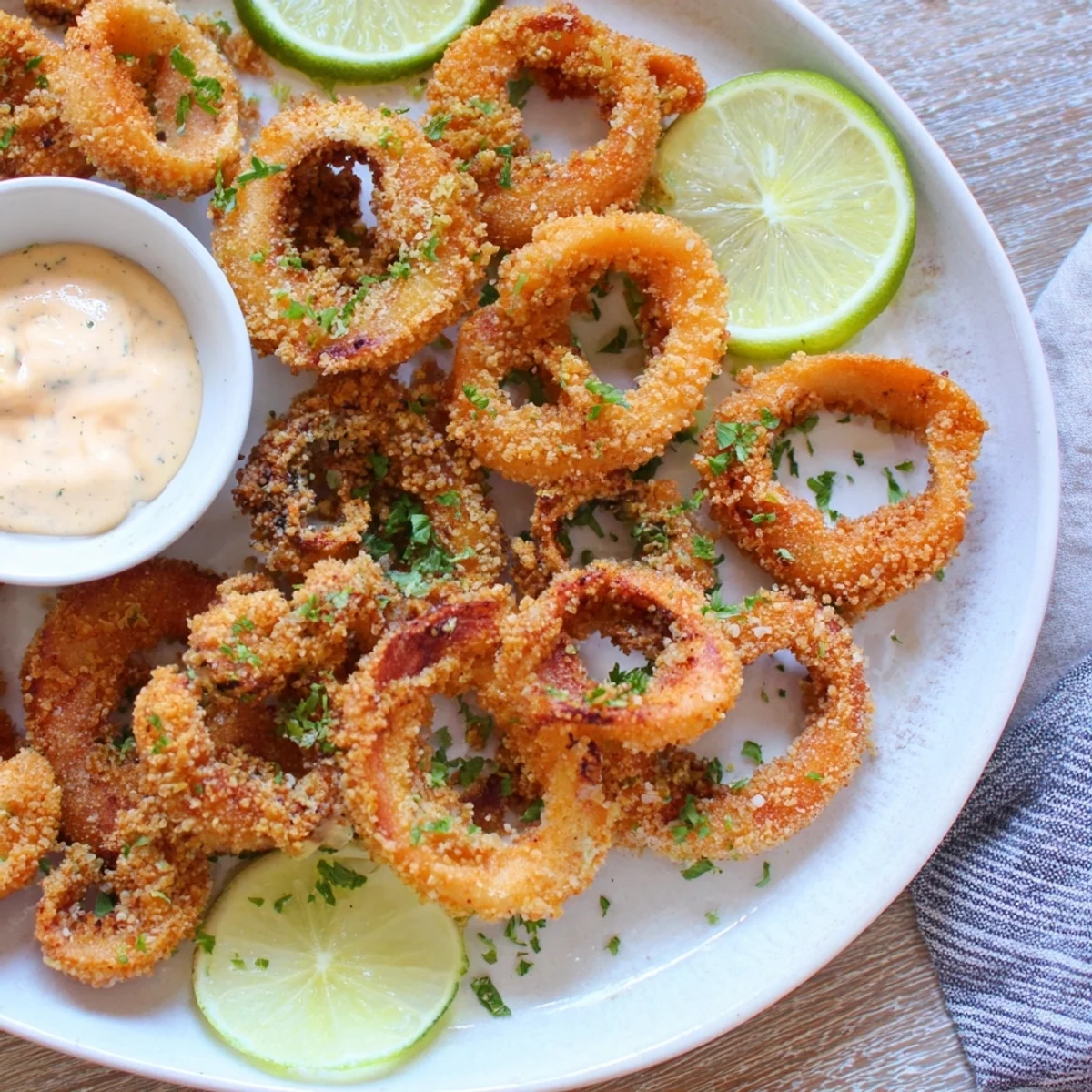
Save There's something magical about watching someone's eyes light up when they taste truly good calamari for the first time. A friend once told me that my version reminded her of a trip she'd taken to Italy as a child, and in that moment, I realized that good food does more than nourish—it creates bridges to memories and moments that matter.
The Milk Soak Secret
One of the most transformative tips I've learned came from an older cook who swore by soaking squid in milk for 30 minutes before breading. The lactic acid somehow tenderizes the squid gently, making it almost melt on your tongue. I was skeptical at first, but after trying it, I became a believer. It's not necessary—good squid that's sliced thin and fried quickly is already tender—but if you want to guarantee absolute tenderness, this extra step is worth the planning ahead.
Choosing Your Dipping Sauce
The sauce you choose says something about how you want to be remembered in your kitchen. A garlicky aioli feels luxurious and makes you feel like you're at a fancy restaurant. Marinara is comfort and tradition wrapped up in a bowl. Tartar sauce brings maritime sophistication. I change mine depending on my mood and what I have on hand, and each version has become a favorite of someone at my table. Pick what makes your heart happy, and your guests will follow.
Wine Pairings and Serving Ideas
Serving this with the right wine elevates the entire experience. A crisp Pinot Grigio or Sauvignon Blanc cuts through the richness beautifully, their acidity complementing both the squid and the lemon. I've also had wonderful success with a dry Vermentino or a light Albariño. Serve your calamari as a first course, as part of an appetizer spread, or even as a casual snack with drinks. I've found that people tend to eat more of it than they expect, so make slightly more than you think you'll need.
- Offer alongside other Mediterranean appetizers like marinated olives, fresh mozzarella, or bruschetta for a complete spread
- A squeeze of fresh lemon over the top right before serving adds brightness that makes every bite taste fresher
- If you're making this ahead for a party, you can fry the calamari up to an hour before serving and reheat it briefly in a 200°C oven to restore crispness
 Save
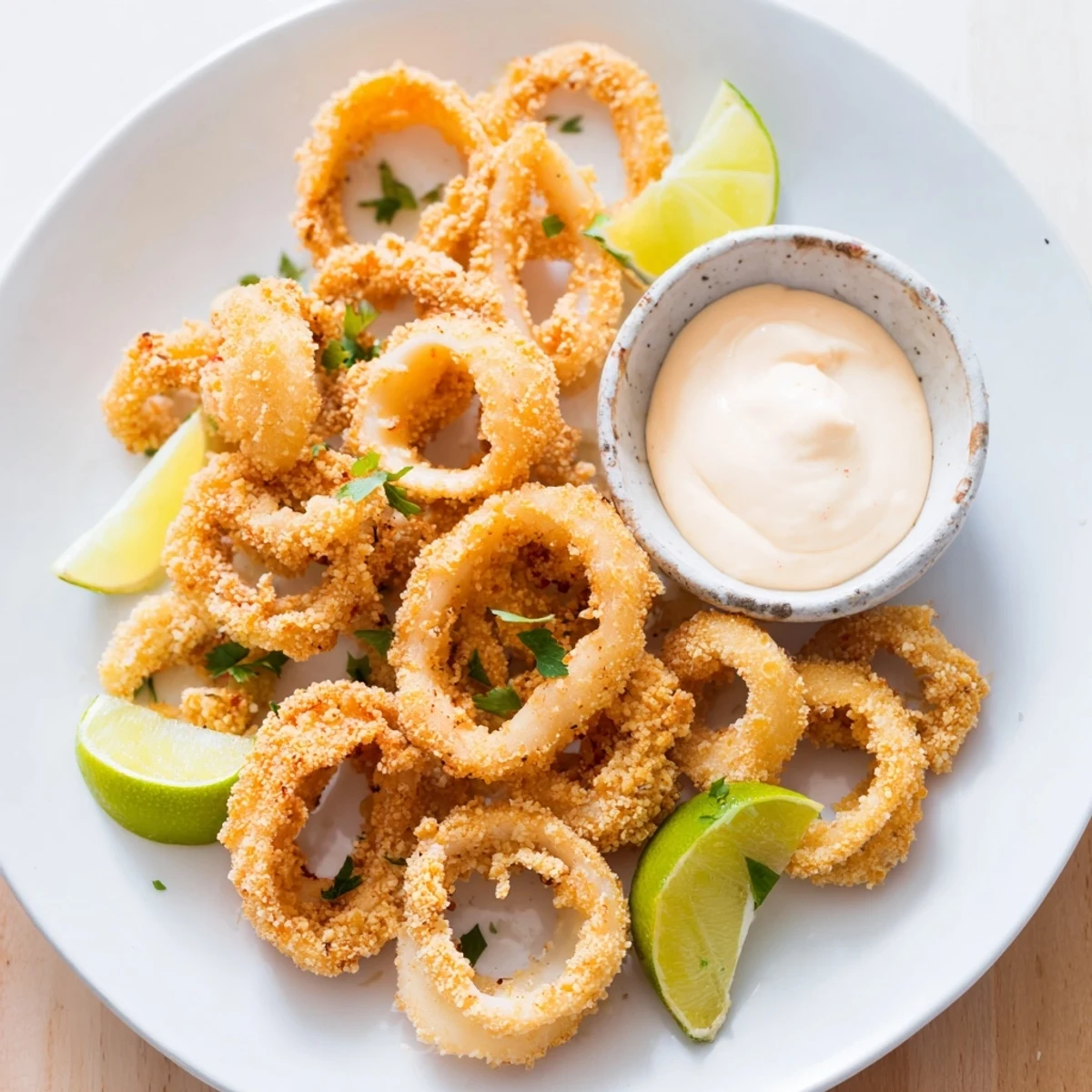
Save Fried calamari has taught me that sometimes the most impressive dishes are born from the simplest techniques and the best ingredients. Make this with care, serve it with joy, and watch how quickly people fall in love with it just as I did.
Your Questions Answered
- → How do you achieve the perfect crispy texture?
-
Coating the squid rings evenly with a flour and cornmeal mixture before frying at 180°C ensures a crunchy exterior while keeping the inside tender.
- → Can the calamari be prepared ahead of time?
-
It's best to fry calamari just before serving for maximum crispiness, as refrigeration may soften the coating.
- → What dipping sauces pair well with fried calamari?
-
Popular options include aioli, marinara, or tartar sauce which complement the seafood and fried coating nicely.
- → How can I ensure the calamari remains tender?
-
Patting the squid dry before breading and optionally soaking it in milk for 30 minutes helps maintain tenderness during frying.
- → Is cornmeal necessary in the coating?
-
Cornmeal is optional but adds extra crunch; it can be substituted with semolina for a different texture.
- → What oil is best for deep frying calamari?
-
Vegetable oil with a high smoke point is ideal for deep frying to achieve even cooking and crispiness.