
 Save
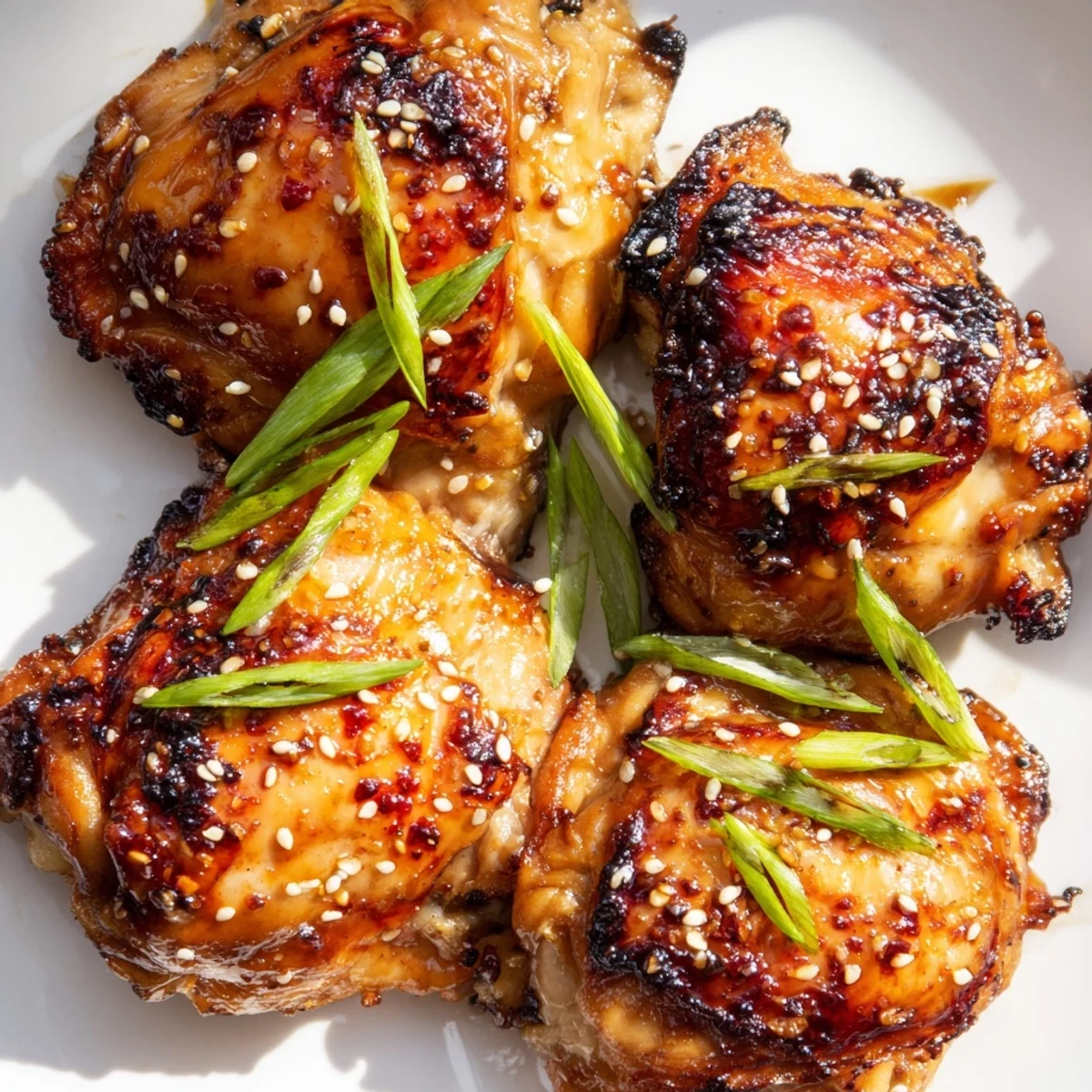
Save This Japanese-inspired dish features boneless chicken thighs marinated in a rich blend of white miso, garlic, ginger, soy sauce, and sesame oil. After soaking up the savory umami flavors, the chicken roasts in a hot oven until the edges caramelize beautifully and the meat stays juicy throughout. The marinade strikes a perfect balance between salty miso, sweet honey, and aromatic aromatics, creating a deeply flavorful main dish that comes together with minimal hands-on effort.
Ideal for busy weeknights, the chicken requires just 15 minutes of active prep before marinating. Serve alongside steamed rice and sautéed vegetables for a complete meal, or slice over salads for lunch the next day. The flavors develop even more depth with an overnight marinate, making this an excellent make-ahead option for entertaining or meal prep.
The aromas of miso and garlic always transport me back to my tiny apartment kitchen, where I first discovered that Japanese fermented bean paste could transform ordinary chicken into something extraordinary. I'd been making teriyaki for years, but this miso marinade opened up a whole new world of umami-rich flavors that I never knew existed in my weeknight cooking rotation.
Last Tuesday, my partner walked through the door just as this chicken emerged from the oven, its edges caramelized and glistening. The smell hit them first, followed by the question 'what IS that amazing smell' before they even took off their coat. That night we stood at the counter eating straight from the platter, too hungry to bother with proper plates.
Ingredients
- 4 boneless skinless chicken thighs: Thighs stay juicy and tender even with longer cooking times
- 3 tablespoons white miso paste: The soul of this dish, white miso is milder and sweeter than red varieties
- 2 tablespoons soy sauce: Adds salt depth to balance the misos sweetness
- 2 tablespoons mirin: Japanese sweet rice wine that helps the glaze caramelize beautifully
- 1 tablespoon honey: Promotes gorgeous caramelization and rounds out the flavors
- 2 tablespoons sesame oil: Toasted sesame oil adds that irresistible nutty aroma
- 4 garlic cloves minced: Fresh garlic punches through the rich miso flavor
- 1 tablespoon grated fresh ginger: Grated releases more flavor than minced ginger
- 1 teaspoon rice vinegar: A touch of acidity cuts through the richness
- 1/2 teaspoon freshly ground black pepper: Adds gentle warmth without overpowering
Instructions
- Whisk together your marinade:
- In a large bowl, combine miso, soy sauce, mirin, honey, sesame oil, garlic, ginger, rice vinegar, and black pepper. Whisk until completely smooth, which takes about a minute of patient stirring to dissolve the miso completely.
- Marinate the chicken:
- Add chicken thighs to the bowl and turn them several times to coat every surface evenly. Cover and refrigerate for at least 30 minutes, though I've found that 4 hours makes a noticeable difference in depth.
- Prep your baking surface:
- Preheat your oven to 200°C (400°F) and line a baking tray with parchment paper. Trust me on the parchment, the sugar in the marinade means things can get sticky.
- Arrange and roast:
- Shake excess marinade from each thigh and place them on the prepared tray with space between pieces. Roast for 25 to 30 minutes until cooked through and those edges are beautifully bronzed.
- Add the finishing touches:
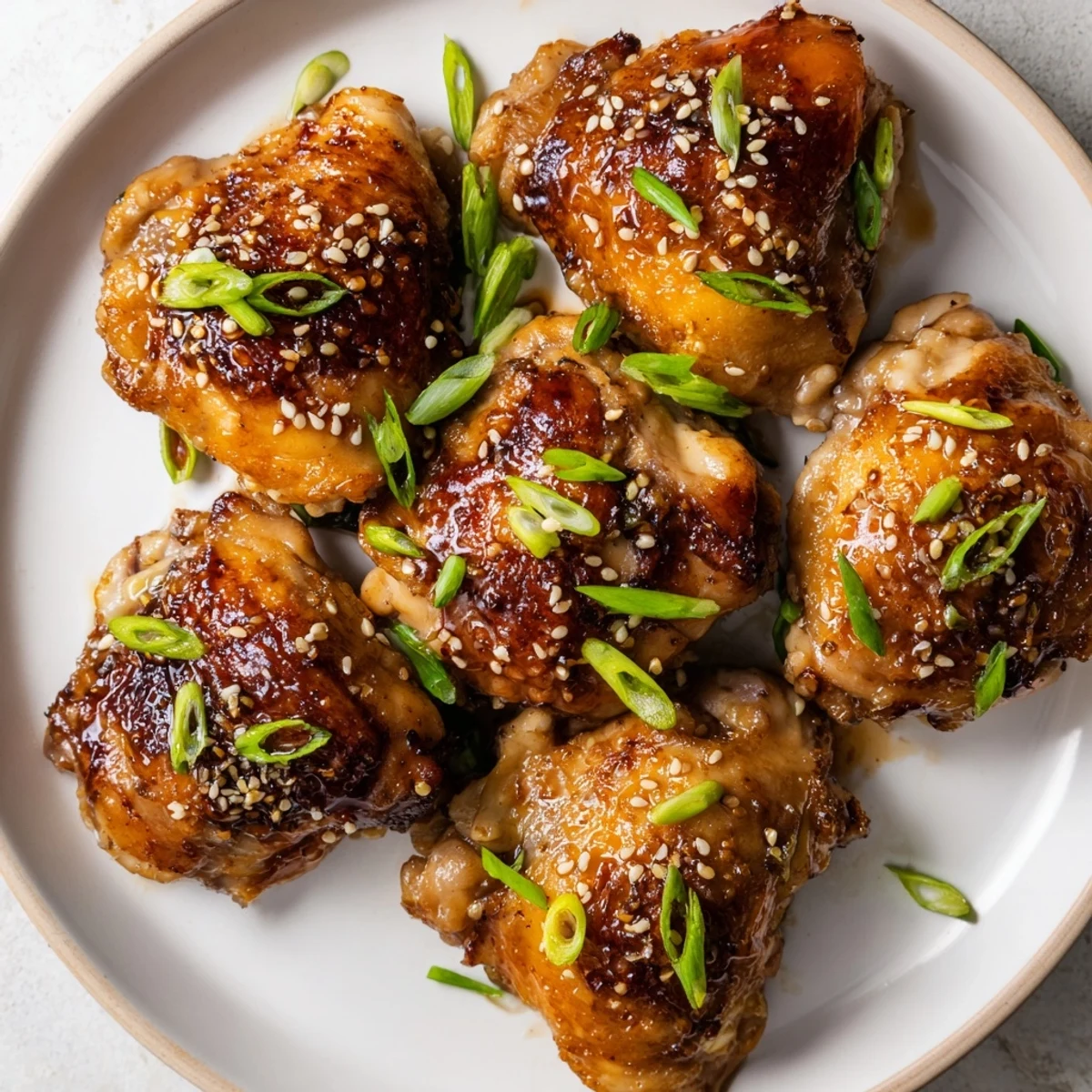
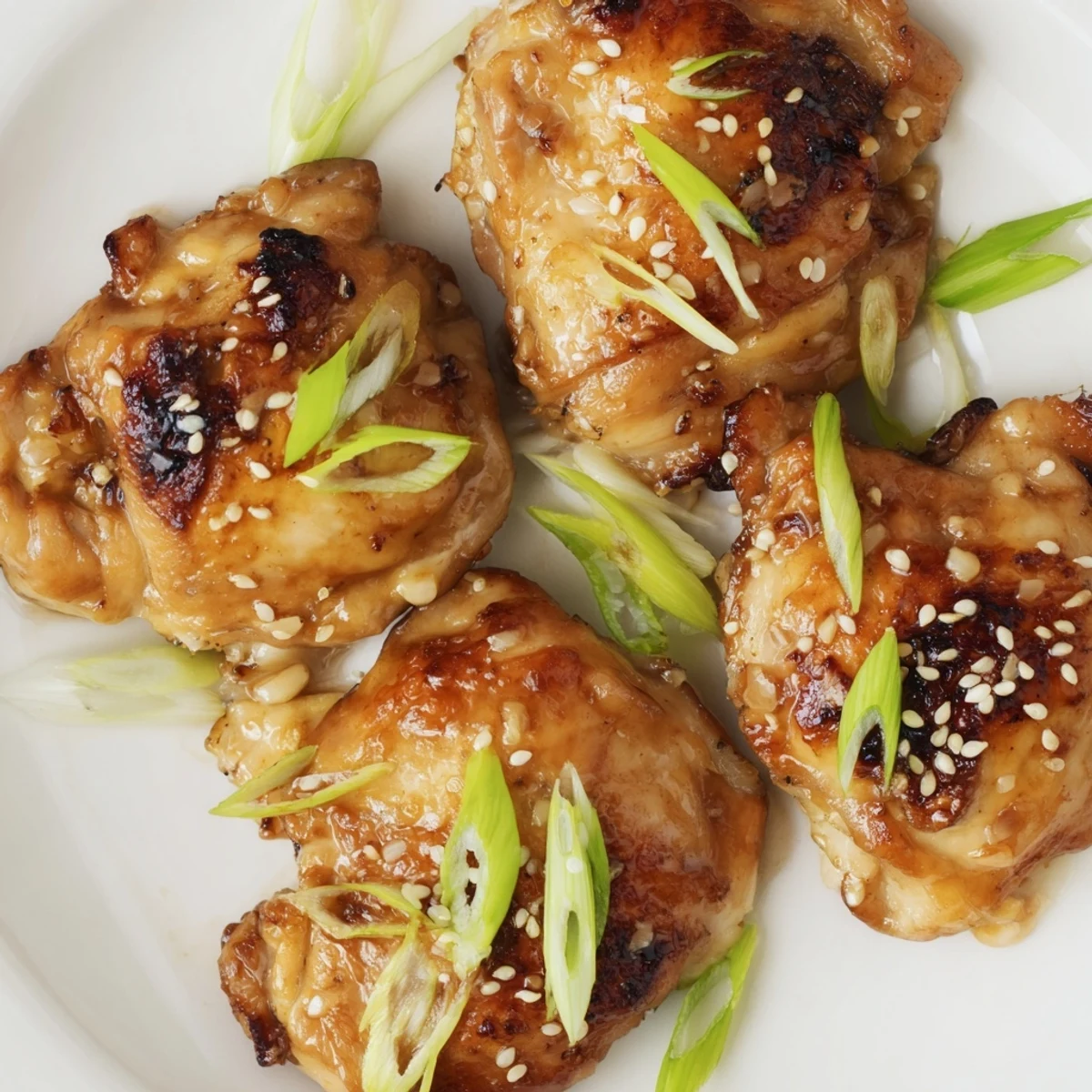
- Transfer chicken to your serving platter and scatter with toasted sesame seeds and thinly sliced spring onions while still hot. The residual heat helps release the seeds' oils.
 Save
Save This recipe became my go-to for dinner guests after my friend Sarah asked for the recipe three times in one month. Now it's the dish I make when I want people to feel special without spending the whole evening in the kitchen.
Making It Your Own
I've experimented with adding a teaspoon of gochujang when I want a little heat, and the subtle kick pairs beautifully with the miso's earthiness. During summer I throw the marinated chicken on the grill instead of roasting, which adds a lovely smoky dimension.
Serving Suggestions
Simple steamed rice is all you really need, but I love serving this alongside quick-sautéed bok choy or spinach dressed with a splash of sesame oil and rice vinegar. The fresh greens balance the rich, savory chicken perfectly.
Meal Prep Magic
This chicken reheats beautifully and has become my Sunday meal prep staple. I'll cook a double batch, slice it cold, and use it throughout the week for rice bowls, salad toppings, or midnight snacks straight from the fridge.
- Marinate the chicken overnight for maximum flavor development
- Freeze uncooked marinated chicken in sealed bags for up to a month
- Thaw frozen chicken in the refrigerator overnight before roasting
 Save
Save There's something deeply satisfying about a recipe that delivers restaurant quality results with such humble ingredients. This miso chicken has earned its permanent spot in my regular rotation, and I suspect it will in yours too.
Your Questions Answered
- → How long should I marinate the chicken?
-
Marinate for at least 30 minutes to absorb the savory flavors. For deeper, more pronounced taste, refrigerate up to 4 hours or overnight. The longer marinating time allows the miso and garlic to penetrate the meat thoroughly.
- → Can I use chicken breasts instead of thighs?
-
Yes, chicken breasts work well but adjust the cooking time to 18-22 minutes to prevent drying out. Thighs naturally contain more fat, keeping them juicy during roasting, while breasts cook faster and may benefit from slightly lower temperature.
- → What can I substitute for mirin?
-
Dry sherry makes an excellent alternative with similar sweetness. If unavailable, combine a splash of apple juice with a pinch of sugar to mimic mirin's subtle sweetness and acidity. The marinade will still deliver great depth.
- → How do I know when the chicken is done?
-
The chicken is ready when it reaches 74°C (165°F) internally, the juices run clear when pierced, and edges show golden caramelization. The meat should feel firm but springy when pressed lightly with tongs.
- → Can I make this dish gluten-free?
-
Absolutely. Replace regular soy sauce with tamari or certified gluten-free soy sauce. Ensure your miso paste is gluten-free as some varieties contain barley. The flavor profile remains unchanged with these simple swaps.