
 Save
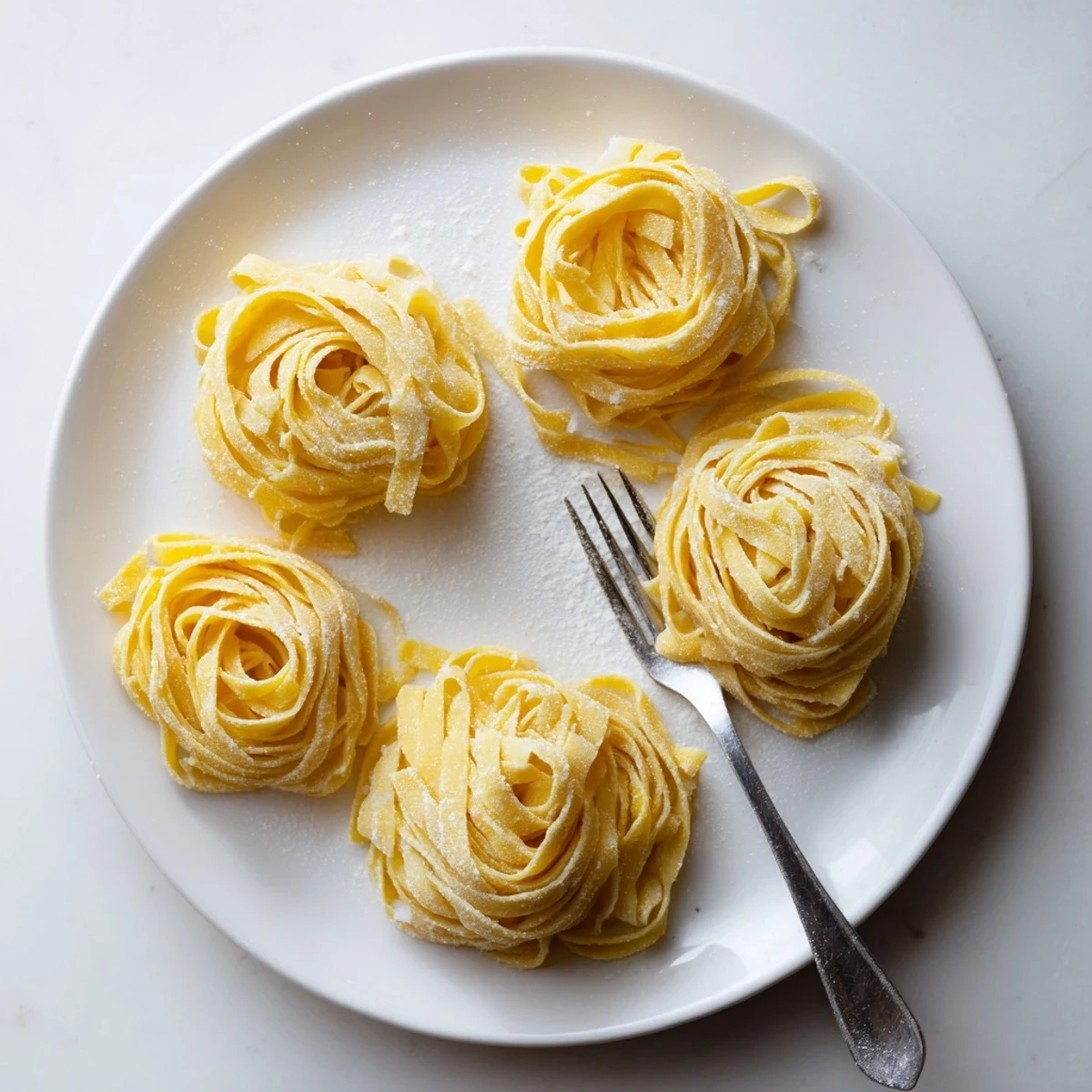
Save Craft authentic Italian-style fresh pasta infused with active sourdough starter for a distinctive tangy flavor and satisfying chew. The naturally fermented starter creates a dough that's both robust and tender, developing complex flavor notes during the resting period. This versatile pasta works beautifully with tomato-based sauces, fresh pesto, or browned butter and sage.
The process involves mixing flour, eggs, and bubbly starter into a shaggy dough, then kneading until smooth and elastic. After an hour's rest, the dough becomes pliable and easy to roll—whether using a pasta machine or traditional rolling pin. Cut into tagliatelle, fettuccine, pappardelle, or sheets for filled varieties like ravioli. The pasta cooks quickly in salted boiling water, reaching al dente perfection in just 2–3 minutes.
The smell of flour dusting my kitchen counter takes me back to learning pasta from my neighbor who insisted homemade dough was just patience disguised as effort. When I first tried adding sourdough starter instead of water, the kitchen filled with this incredible fermented aroma I couldn't quite place. Now this tangy, chewy pasta has become my go-to for Sunday dinners when I want something that feels special but doesn't require a trip to the grocery store.
Last month I made a triple batch for my brother who swore he hated homemade pasta because store bought dried noodles were fine. He took one bite of this sourdough version, said nothing for a full minute, then asked if I would teach him how to make it. There's something about that perfect chew and slight tang that converts people faster than any argument I could make.
Ingredients
- 200 g all-purpose flour: The foundation of your dough, with extra set aside for dusting your work surface and preventing sticking
- 100 g active sourdough starter: Use a bubbly, fed starter at 100% hydration for the best rise and that signature tangy flavor
- 2 large eggs: Room temperature eggs incorporate more evenly into the flour for a consistent dough
- 1/2 tsp fine sea salt: Enhances the natural wheat flavor and helps strengthen the gluten structure
- 1 tbsp olive oil: Optional but adds extra suppleness, especially helpful if you're new to pasta rolling
Instructions
- Mix the base:
- In a large mixing bowl, combine the flour and salt, then create a deep well in the center like a little crater for your wet ingredients to call home.
- Combine and create:
- Pour your sourdough starter, eggs, and olive oil into the well, then use a fork to gradually pull in the flour from the edges until a shaggy dough forms.
- Knead to perfection:
- Turn the dough onto a lightly floured surface and knead for 8 to 10 minutes until it transforms into something smooth and elastic that springs back when you press it.
- Let it rest:
- Wrap your dough in plastic wrap and let it relax at room temperature for a full hour so the gluten networks can settle and the dough becomes easier to roll.
- Shape your pasta:
- Divide the dough in two, keep one portion covered, and roll the other using your pasta machine or rolling pin before cutting into your desired shape.
- Cook and serve:
- Boil your fresh pasta for just 2 to 3 minutes in salted water, then drain immediately and toss with whatever sauce makes your heart happy.
 Save
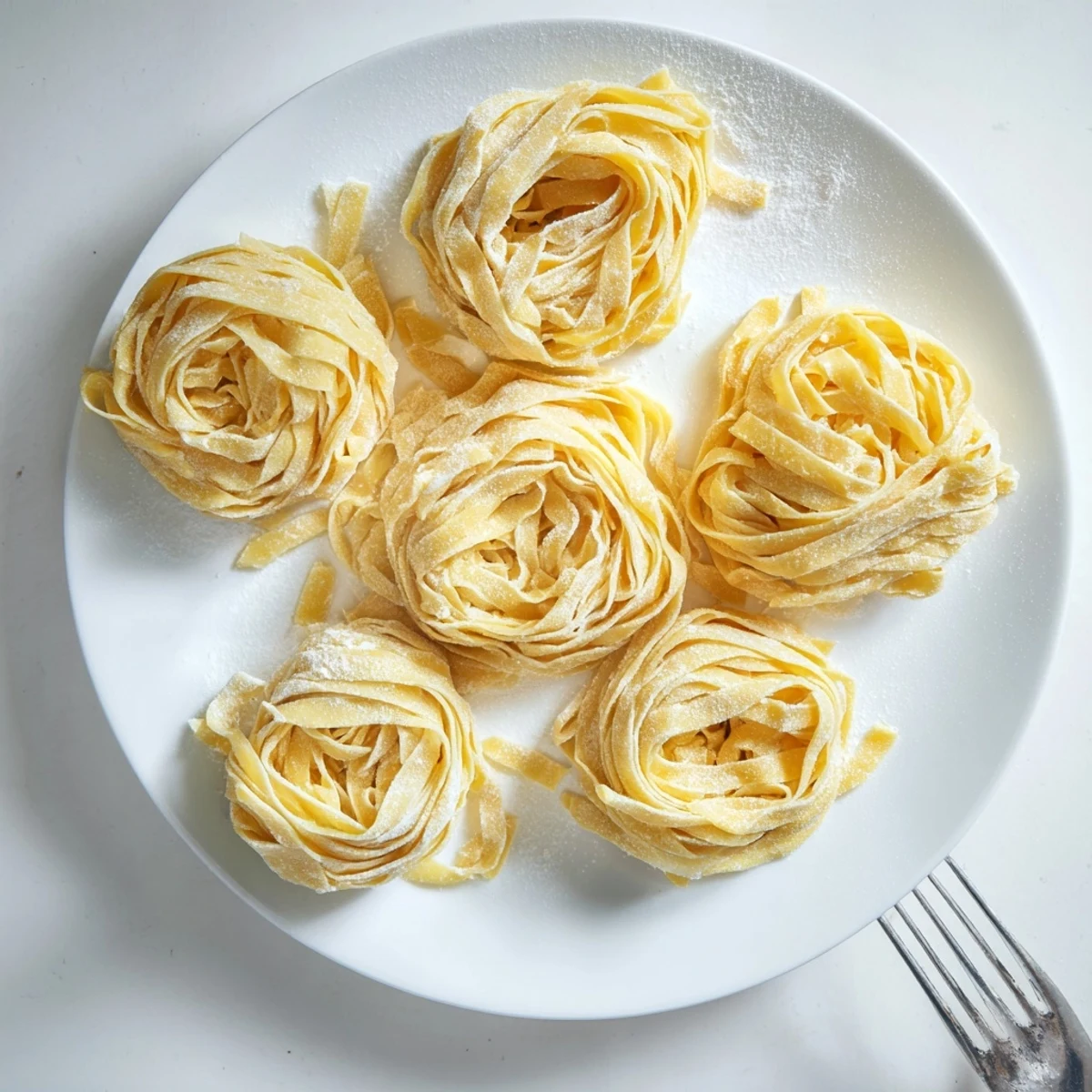
Save My favorite moment is always watching someone pull their first strand of homemade pasta through the machine and seeing their face light up at the transformation from rough dough to something delicate and beautiful. That little joy in the kitchen is worth every minute of kneading.
Getting The Right Texture
When you're kneading, pay attention to how the dough changes under your hands, starting out rough and shaggy then becoming increasingly smooth and satiny the longer you work it. The transformation is remarkably satisfying, and you'll know you've hit the sweet spot when the dough feels like a soft earlobe.
Shaping Options
I keep things simple with fettuccine most nights, but this dough also makes incredible pappardelle for hearty ragu or thin sheets for homemade ravioli stuffed with ricotta and herbs. The slight tang from the sourdough pairs beautifully with rich fillings that might otherwise feel too heavy.
Storage And Make Ahead Tips
The dough actually benefits from a rest in the refrigerator, developing even more flavor overnight if you want to make it ahead. Bring it back to room temperature before rolling, or you'll fight the cold dough the entire time.
- Dust cut shapes generously with semolina flour if you're not cooking immediately
- Fresh pasta freezes beautifully on a baking sheet before transferring to bags
- Cooked leftovers reheat better with a splash of pasta water
 Save
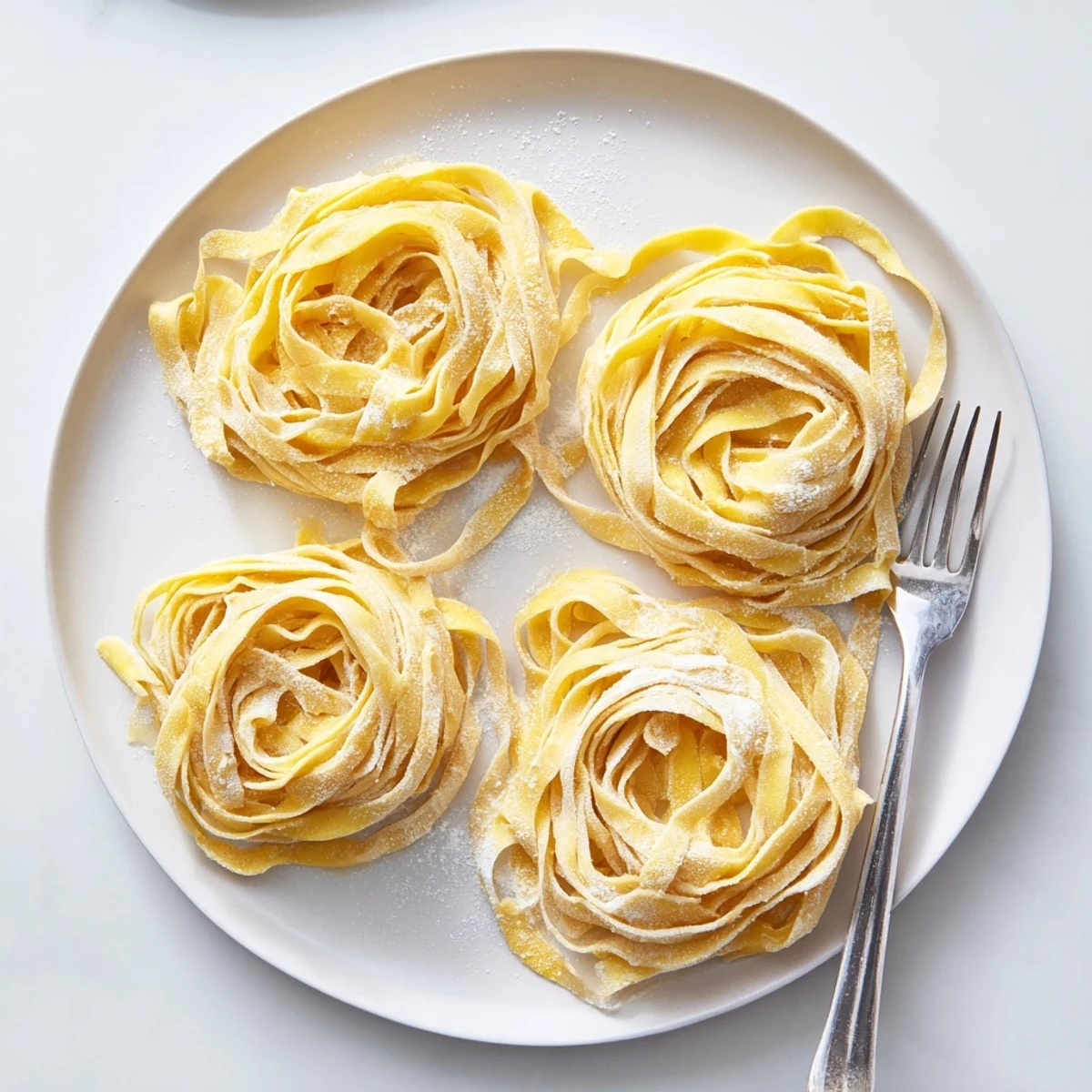
Save There's nothing quite like gathering around a steaming bowl of fresh pasta you made with your own hands, the kitchen warm and fragrant, everyone reaching for seconds.
Your Questions Answered
- → What makes sourdough pasta different from regular fresh pasta?
-
Sourdough pasta incorporates active starter, which adds a subtle tangy flavor and creates a chewier, more robust texture. The natural fermentation process also breaks down some gluten, making it easier to digest while maintaining excellent structure for sauce adherence.
- → Can I use discard starter instead of active starter?
-
While possible, active bubbly starter yields the best texture and rise. Discard starter will work but may result in denser, less elastic dough. If using discard, consider adding 1⁄4 tsp more salt to enhance flavor since the fermented tang will be milder.
- → How thin should I roll the pasta dough?
-
Aim for thickness between 1–2mm depending on the cut. Tagliatelle and fettuccine work well at setting 5–6 on most pasta machines, while filled pasta like ravioli should be rolled thinner to setting 7–8 for delicate edges that seal properly.
- → Why does the dough need to rest for an hour?
-
Resting allows gluten strands to relax after kneading, making the dough more pliable and easier to roll without snapping back. This resting period also lets flavors meld and the sourdough's subtle tang develop throughout the flour.
- → Can I freeze this pasta for later use?
-
Absolutely. Dust cut shapes generously with flour, arrange in single layers on parchment-lined baking sheets, and freeze until firm. Transfer to freezer bags for up to 3 months. Cook frozen pasta directly in boiling water—add 1–2 minutes to cooking time.
- → What sauces pair best with sourdough pasta?
-
The tangy flavor complements rich tomato sauces, cream-based preparations, and browned butter with sage. Pesto works beautifully too. Avoid overly delicate sauces as the robust pasta texture can overshadow subtle flavors—stick to bold, assertive pairings.