
 Save
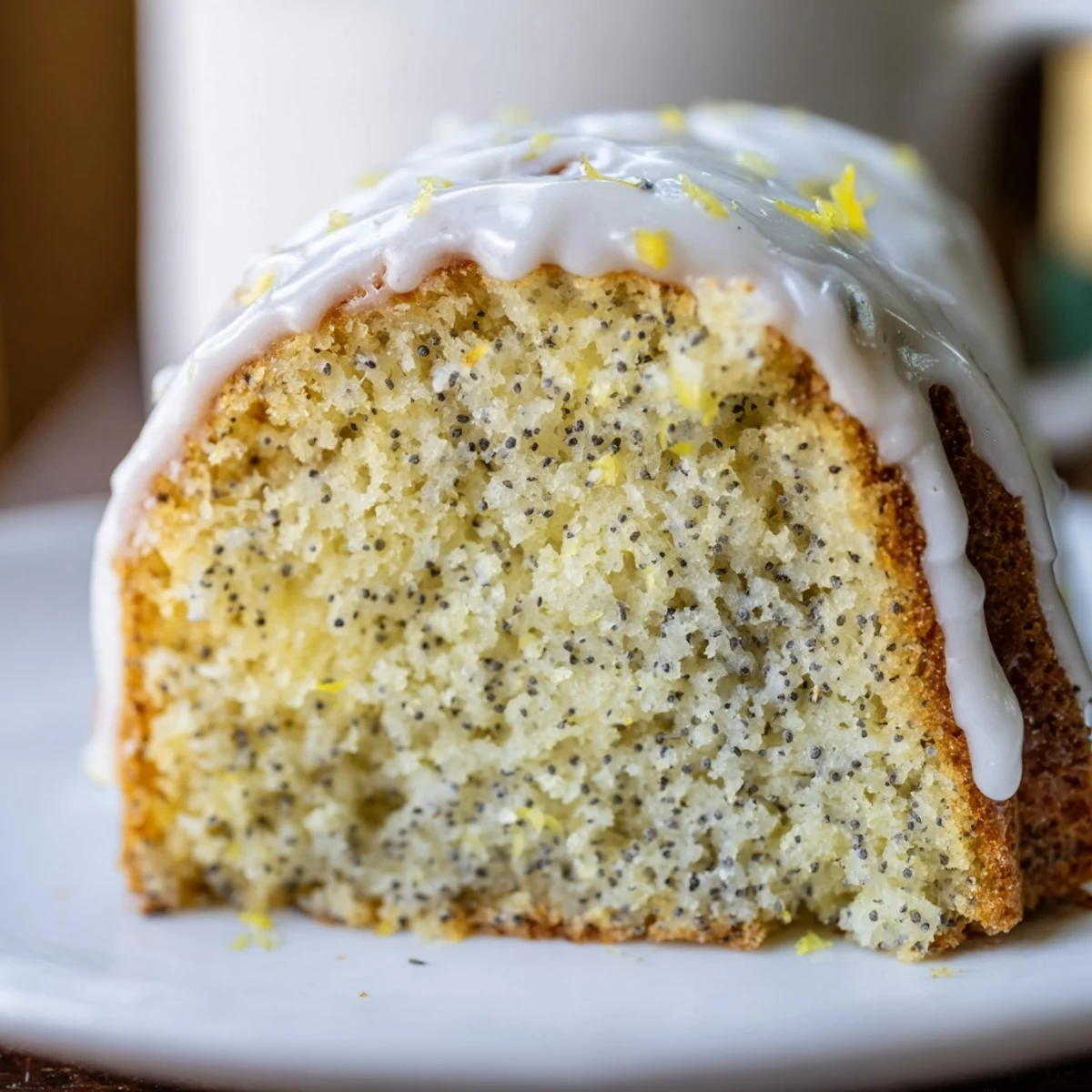
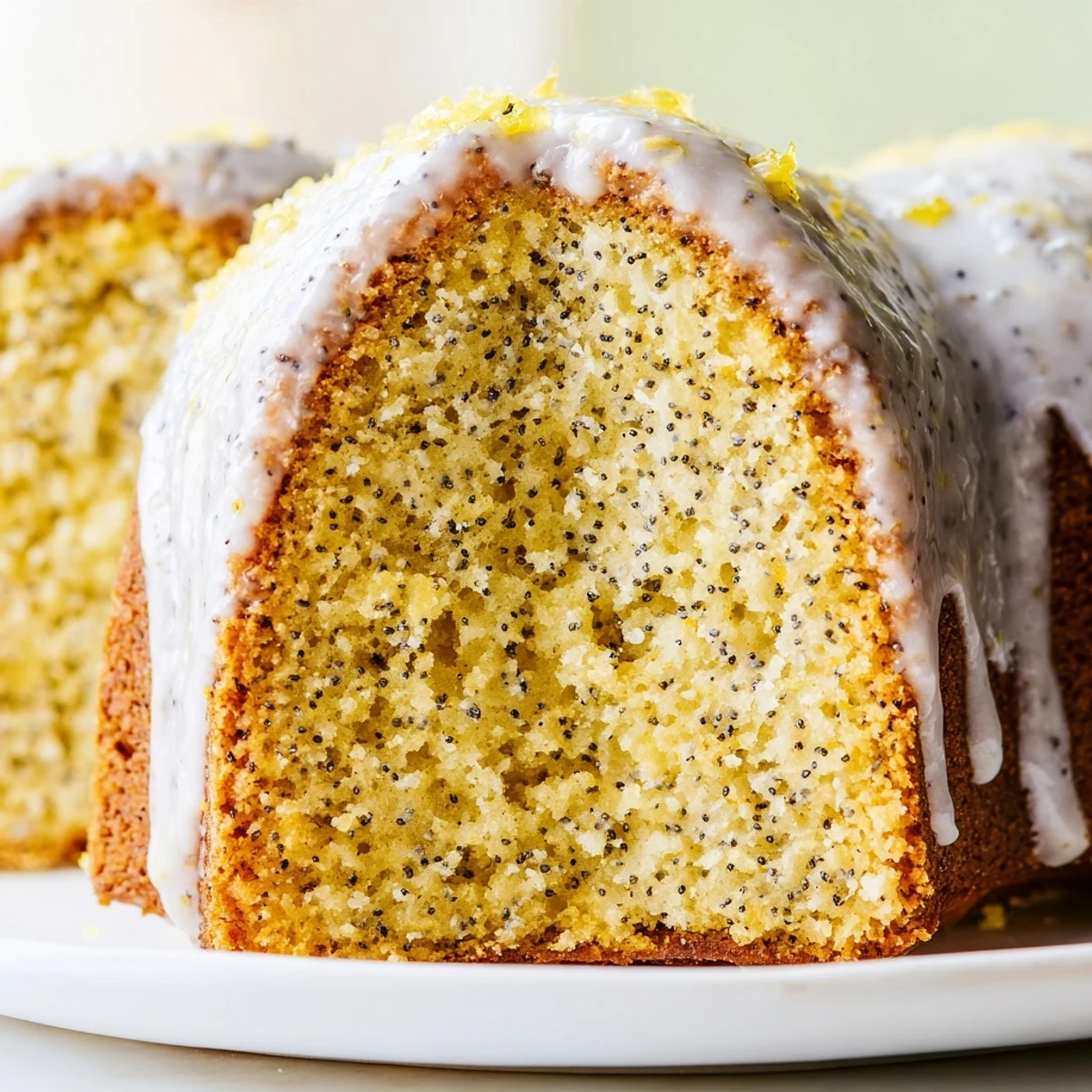
Save This lemon poppy seed bundt is moist and tender, featuring bursts of fresh lemon zest and juice throughout. Crunchy poppy seeds add texture, while a zesty lemon glaze tops the cake with bright citrus notes. Perfect for brunch or light dessert, it blends balanced sweetness with refreshing citrus flavors. Easy to prepare with pantry staples, it bakes evenly in a bundt pan and cools to a soft crumb with subtle vanilla undertones.
There's something about the smell of lemon zest hitting a warm kitchen that makes everything feel intentional. I learned to make this cake on a gray March afternoon when a neighbor dropped off three Meyer lemons from her tree, and I had no idea what to do with them except bake. The bright, tender crumb paired with those little pops of poppy seed became my answer to every spring gathering after that.
I brought this cake to a baby shower once, nervous because everyone there seemed to know their way around a kitchen better than I did. A woman who barely said anything all afternoon came back for a second slice and asked for the recipe written out, which felt like the highest compliment I'd ever received. That cake became the reason I started baking more intentionally.
Ingredients
- All-purpose flour (2 3/4 cups): The foundation of tender crumb; sift it together with the leavening agents to avoid lumps hiding in the batter.
- Baking powder and baking soda (1 1/2 teaspoons and 1/2 teaspoon): They work together to lift the cake without making it dense; don't skip either one.
- Fine sea salt (1/2 teaspoon): It brightens the lemon flavor and balances the sweetness in ways you won't notice until it's missing.
- Poppy seeds (3 tablespoons): Toast them lightly in a dry pan first if you want even more nuttiness, though raw works beautifully too.
- Unsalted butter (1 cup): Softened butter creams properly and incorporates air, which is the whole secret to lightness.
- Granulated sugar (2 cups): Beat it with the butter until it's pale and fluffy; this is where the magic of texture begins.
- Eggs (4 large, room temperature): Cold eggs won't incorporate smoothly and will create an uneven crumb; take them out an hour before baking.
- Fresh lemon zest (1 tablespoon) and juice (1/4 cup): Use a microplane for zest and fresh squeezed juice; bottled just doesn't sing the same way.
- Whole milk (1 cup, room temperature): It tenderizes the crumb and creates a more delicate structure than water ever could.
- Vanilla extract (1 teaspoon): A small amount deepens the flavor without announcing itself, letting the lemon stay the star.
- Powdered sugar (1 1/2 cups, sifted) and fresh lemon juice (2–3 tablespoons) for the glaze: The glaze should be pourable but thick enough to coat; add juice slowly until you hit that sweet spot.
Instructions
- Prepare the pan and oven:
- Preheat to 350°F and grease every ridge and crevice of your Bundt pan with butter or cooking spray, then dust with flour. A cake stuck to the pan is a sad cake, so take this step seriously.
- Combine dry ingredients:
- Whisk flour, baking powder, baking soda, salt, and poppy seeds together in a bowl. This ensures everything is evenly distributed and prevents dense pockets of baking soda from appearing in your finished cake.
- Cream butter and sugar:
- Beat them together until the mixture is pale, fluffy, and noticeably lighter in color, about 3 to 4 minutes. This is when air gets incorporated into the batter, so don't rush it.
- Add eggs and flavorings:
- Add eggs one at a time, beating well after each one so the batter stays smooth and emulsified. Mix in lemon zest and vanilla until just combined.
- Prepare the wet mixture:
- Stir lemon juice and milk together in a measuring cup; they'll combine even though they seem like they shouldn't. This acidic mixture will react with the baking soda to help the cake rise.
- Alternate wet and dry ingredients:
- Lower the mixer speed and add the flour mixture and milk mixture in three additions, starting and ending with flour. Mix just until combined; overmixing develops gluten and makes the cake tough instead of tender.
- Transfer and bake:
- Pour batter into the prepared pan and smooth the top with a spatula. Bake for 45 to 55 minutes until a skewer inserted in the center comes out clean; every oven runs a little hot or cool, so start checking at 45 minutes.
- Cool and release:
- Let the cake cool in the pan for 15 minutes so it sets enough to handle, then invert onto a wire rack and cool completely. Trying to flip it sooner will result in a broken cake; patience here matters.
- Make and apply the glaze:
- Whisk powdered sugar, lemon juice, and zest until smooth and pourable. Drizzle it over the cooled cake and let it set for at least 30 minutes before slicing so it hardens into a beautiful glaze.
 Save
Save The day my daughter asked me to bring this cake to her school bake sale, I knew I'd found something that went beyond dessert. She stood next to the table proudly, and the cake sold out before the end of lunch period.
The Art of the Bundt Pan
A Bundt pan's ridges are beautiful but sneaky; batter hides in those crevices and sticks stubbornly if you don't grease properly. I learned this the hard way by losing half a cake to the pan on my third attempt. Now I use a pastry brush to coat every inch with softened butter, then dust with flour, and the cakes slip out like they're on ice.
Making It Your Own
Once you master the basic formula, small changes create entirely different cakes. I've brushed warm cakes with additional lemon juice before glazing for an almost candied effect, swapped in Greek yogurt for half the butter to lighten the crumb, and even added a teaspoon of almond extract for something unexpected. The structure is forgiving enough to let you experiment without fear.
Storage and Serving
This cake is one of those rare desserts that actually improves as it sits, the flavors deepening and the crumb becoming even more tender. Kept covered at room temperature, it stays fresh for three days and pairs beautifully with Earl Grey tea on a quiet morning or sparkling wine at a spring dinner.
- Wrap the cooled cake tightly in plastic wrap or store it under a cake dome to keep it from drying out.
- Slice with a long, thin knife dipped in hot water and wiped clean between cuts for neat pieces that don't crumble.
- If you want to make it ahead, bake the cake and freeze it unfrosted for up to two weeks, then glaze it fresh when you're ready to serve.
 Save
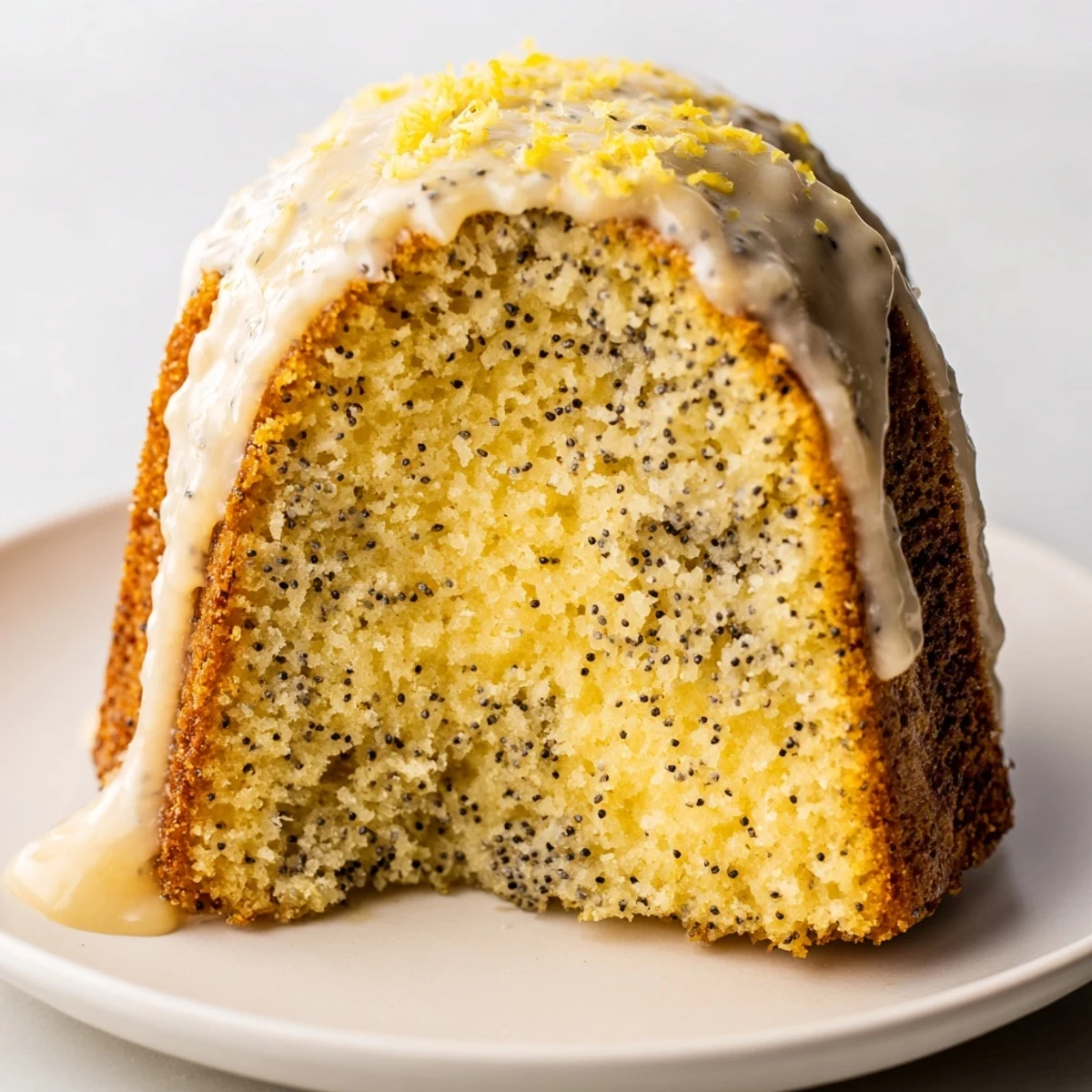
Save There's a quiet confidence that comes from pulling a perfect cake out of the oven, knowing the golden dome will taste as bright and lovely as it looks. This one has become my go-to for nearly every occasion.
Your Questions Answered
- → What makes bundt cakes moist?
-
Using softened butter and alternating wet and dry ingredients gently ensures a soft crumb. The lemon juice and milk blend adds moisture and tang.
- → How do poppy seeds affect the texture?
-
Poppy seeds add a pleasant crunch and subtle nutty flavor, creating contrast to the cake's tenderness.
- → Can I substitute ingredients for dietary needs?
-
Yes, Greek yogurt can replace half the butter for a lighter texture, maintaining moisture while reducing fat.
- → What is the best way to apply the lemon glaze?
-
Glaze is best drizzled over a completely cooled cake to prevent melting, allowing it to set with a bright citrus finish.
- → How should the bundt pan be prepared?
-
Grease and flour the pan thoroughly, including all crevices, to ensure easy release after baking.