
 Save
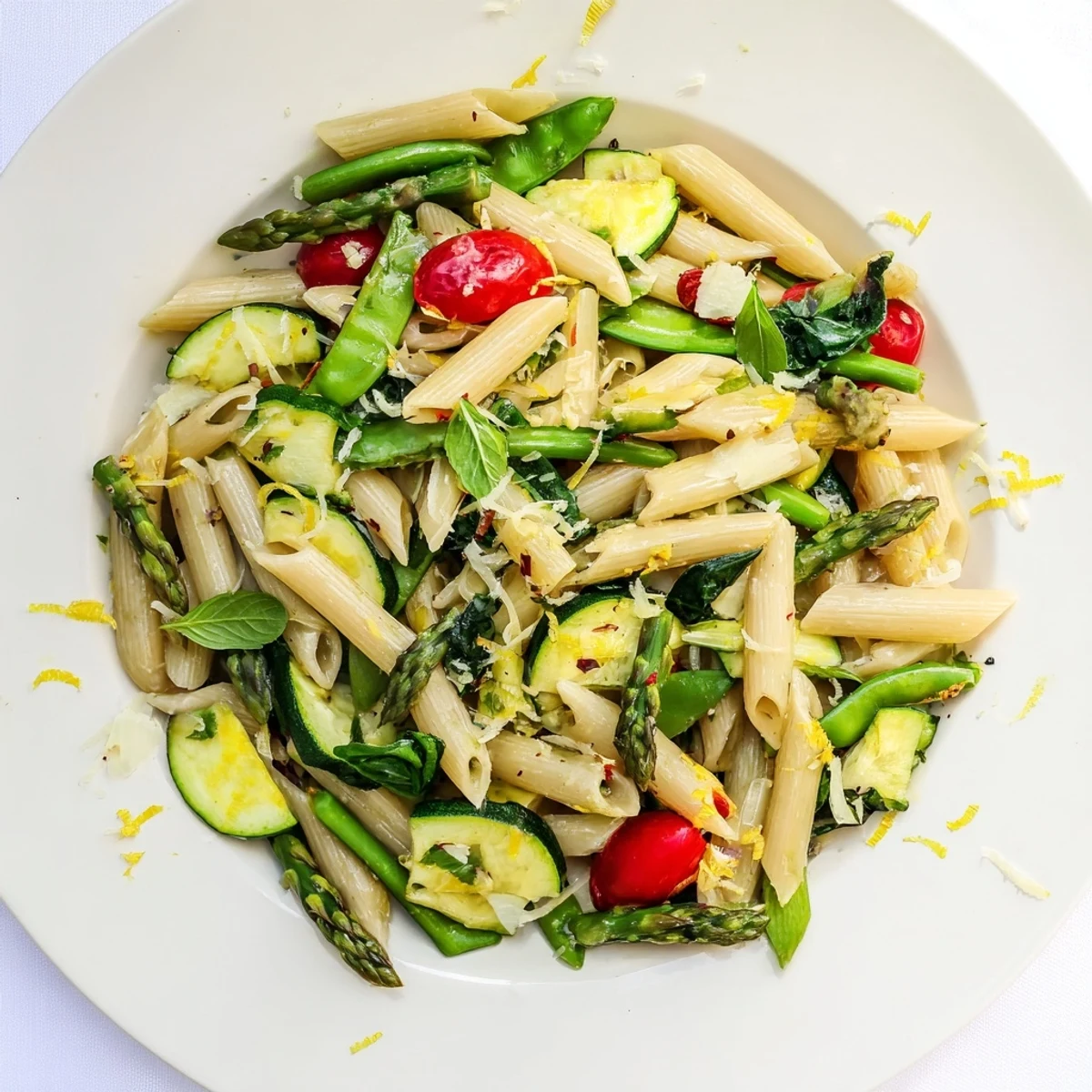
Save Cook fresh spring vegetables and pasta together in one pot for a vibrant, satisfying meal. Asparagus, sugar snap peas, zucchini, spinach, and cherry tomatoes simmer directly with penne in vegetable broth, absorbing all the flavors while creating a silky sauce.
The method is simple: sauté leeks and garlic, add pasta with broth and water, then gradually stir in vegetables as they cook. Finish with bright lemon zest, juice, and Parmesan for a light yet satisfying dish perfect for spring evenings.
Customize with other seasonal vegetables like fava beans or green beans. Keep it vegan with plant-based cheese or add chili flakes for warmth. Pairs beautifully with crisp white wine.
I stumbled on this technique during a chaotic Tuesday when I had zero energy for washing multiple pots. The pasta cooks directly in the broth, absorbing all those vegetable flavors while starches naturally thicken the liquid into a silky sauce. My roommate wandered in asking what smelled so incredible, and I honestly could not believe such a simple method produced restaurant worthy results.
Last April my sister came over exhausted from work, so I made this while she sat at the counter telling me about her day. By the time I finished the story, dinner was ready. She took one bite and said this is exactly what spring tastes like.
Ingredients
- 340 g penne or fusilli pasta: Short pasta shapes work best here because they cook evenly and catch all the vegetable pieces in their curves
- 1 liter low sodium vegetable broth: Since the pasta absorbs almost all the liquid, broth quality makes or breaks this dish
- 250 ml water: Extra liquid ensures the pasta has enough room to cook without becoming too salty
- 1 cup asparagus pieces: Look for bright green stalks that snap cleanly
- 1 cup sugar snap peas: Leave them whole or just trim the ends for extra crunch
- 1 cup sliced zucchini: Do not cut them too thin or they will disappear into the sauce
- 1 cup baby spinach: Add this last so it keeps its vibrant color
- 1 cup halved cherry tomatoes: They burst slightly and release juices into the pasta
- 1 small sliced leek: Leeks provide a milder sweeter onion flavor that complements spring vegetables
- 2 cloves minced garlic: Add it with the leeks so it mellows while cooking
- 2 tbsp olive oil: Start with this to sauté the aromatics and build flavor
- 1 tsp lemon zest: Brightens everything and cuts through the starch
- 2 tbsp lemon juice: Add this at the end for a fresh pop
- 1/4 cup grated Parmesan: Stir it in while the pasta is hot so it melts into the sauce
- Salt and black pepper: Taste before adding since the broth is already seasoned
- 2 tbsp chopped fresh basil or parsley: Scatter over the top for color and a fresh finish
Instructions
- Sauté the aromatics:
- Heat olive oil in your deepest skillet over medium heat, then add sliced leeks and minced garlic. Let them soften for about 2 minutes until fragrant but not browned.
- Start the pasta cooking:
- Pour in the pasta, vegetable broth, and water. Bring everything to a rolling boil, give it a good stir, then lower the heat to maintain a steady simmer.
- Cook the base:
- Let the pasta cook for 8 minutes, stirring occasionally to keep it from sticking. The liquid will start to thicken as starches release into the broth.
- Add hard vegetables:
- Toss in asparagus, snap peas, and zucchini. Keep cooking for another 7 minutes until the pasta is tender and most of the liquid has absorbed.
- Finish with delicate vegetables:
- Stir in spinach, cherry tomatoes, lemon zest, lemon juice, and Parmesan. Cook just 2 more minutes until the spinach wilts and tomatoes warm through.
- Season and serve:
- Taste and adjust with salt and pepper. Sprinkle fresh herbs on top and serve with extra Parmesan at the table.
 Save
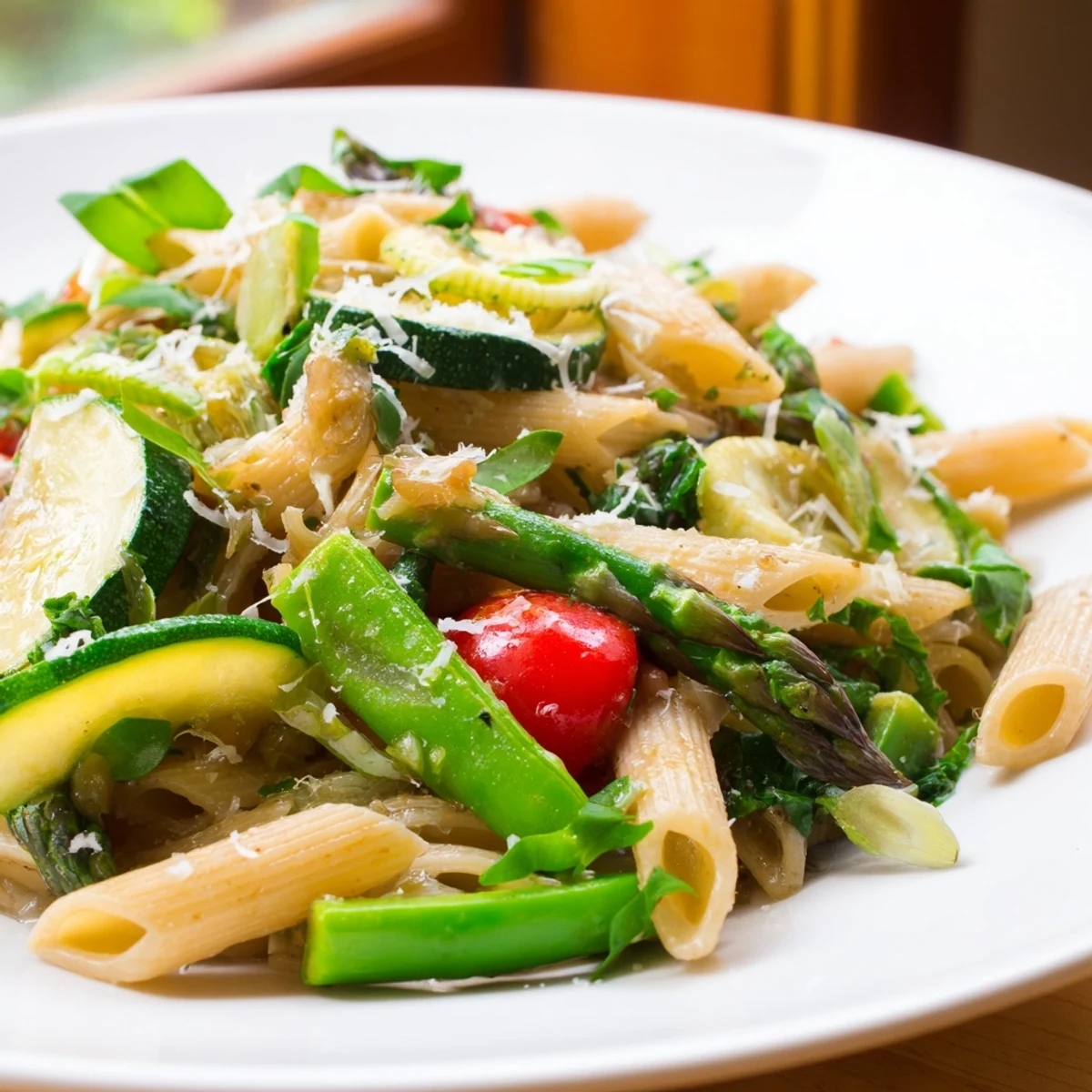
Save This recipe has become my go to when friends visit because I can actually hang out with them instead of being stuck at the stove. Last week my neighbor texted me the next day asking for the recipe because her kids ate every bite without complaint.
Choosing Your Spring Vegetables
Visit a farmers market in spring and you will understand why this dish works so well. The vegetables need minimal intervention because they are at their peak. I grab whatever looks brightest that day, sometimes swapping in fava beans or fresh peas if I find them.
Getting The Sauce Right
The magic happens when starch from the pasta thickens the broth into a silky coating. Do not rinse the pasta before cooking, those surface starches are doing all the work. I learned this the hard way after draining pasta once and ending up with a watery soup.
Make It Your Own
Once you understand the method, this pasta becomes a template for whatever vegetables you have on hand. Summer works with corn and bell peppers, autumn welcomes butternut squash and kale. The key is adding harder vegetables first and delicate greens last.
- Try adding a handful of peas in the last two minutes of cooking
- A splash of white wine creates an even more complex sauce
- Keep extra Parmesan at the table because everyone always wants more
 Save
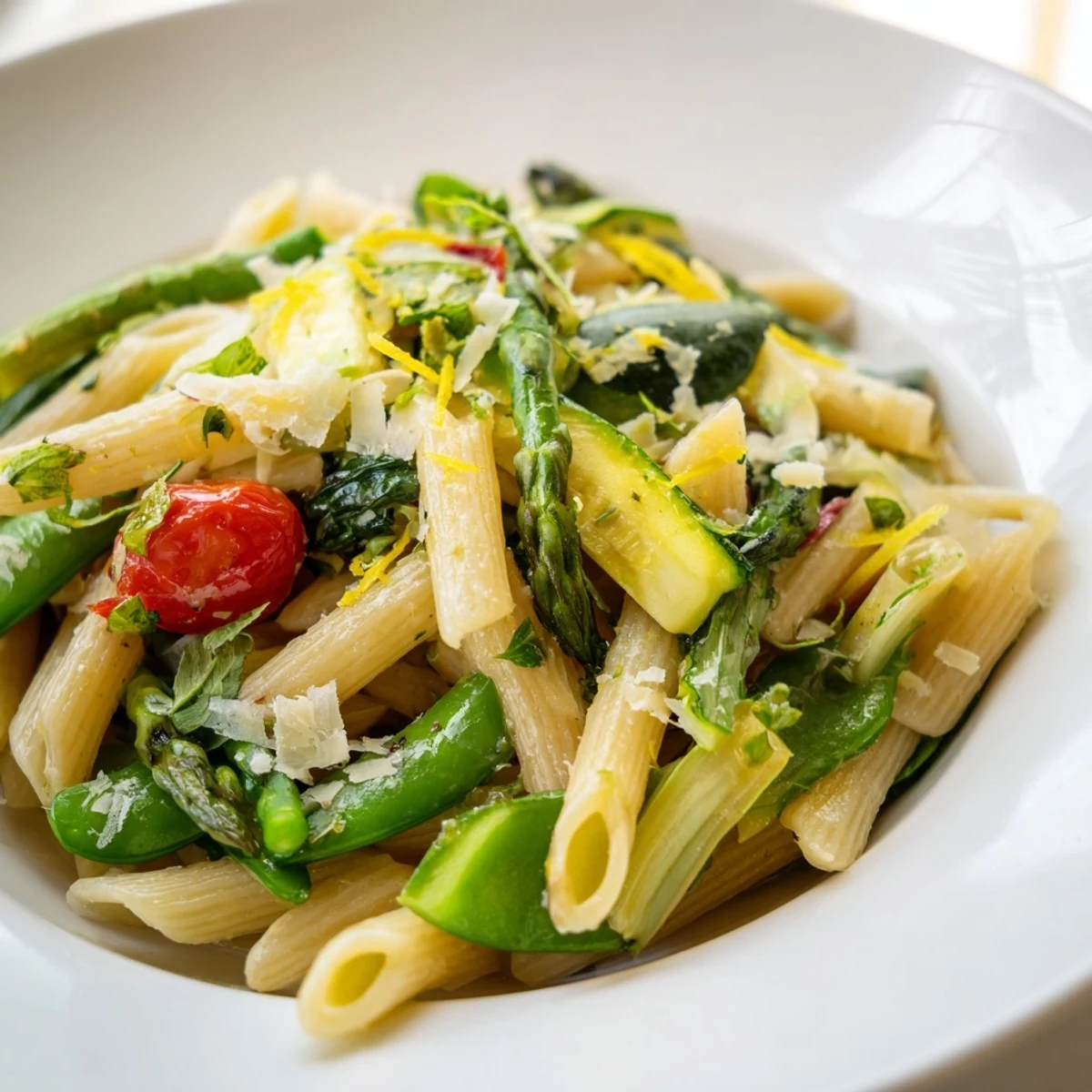
Save I love hearing how people adapt this recipe for their own families and seasons. That is the beauty of a dish that celebrates whatever is fresh and beautiful right now.
Your Questions Answered
- → What makes this one-pot method work?
-
The starch released from pasta as it cooks in the broth naturally thickens the liquid into a silky sauce that coats the vegetables. Everything simmers together, allowing flavors to meld while reducing cleanup to just one pan.
- → Can I use different pasta shapes?
-
Penne and fusilli work exceptionally well because their ridges and curves catch the sauce and vegetables. Short pasta like rigatoni, cavatappi, or farfalle also work well. Avoid long strands like spaghetti as they're difficult to manage in this cooking method.
- → What vegetables can I substitute?
-
Any quick-cooking spring vegetable works beautifully. Try fava beans, fresh peas, green beans, or artichoke hearts. For other seasons, swap in roasted cherry tomatoes in winter or sautéed mushrooms in fall. Keep pieces roughly the same size for even cooking.
- → How do I store and reheat leftovers?
-
Store in an airtight container in the refrigerator for up to 3 days. The pasta will continue absorbing liquid, so add a splash of water or broth when reheating on the stovetop or microwave to restore the creamy consistency.
- → Is this suitable for meal prep?
-
Absolutely. The flavors actually improve after a day as the ingredients meld together. Portion into individual containers for easy lunches throughout the week. Pack a squeeze of lemon separately to brighten flavors when reheating.
- → Can I make this gluten-free?
-
Yes, use your favorite gluten-free pasta. Cook times may vary slightly, so test for doneness a minute or two earlier. Brown rice or chickpea pasta both work wonderfully with these spring vegetables.