
 Save
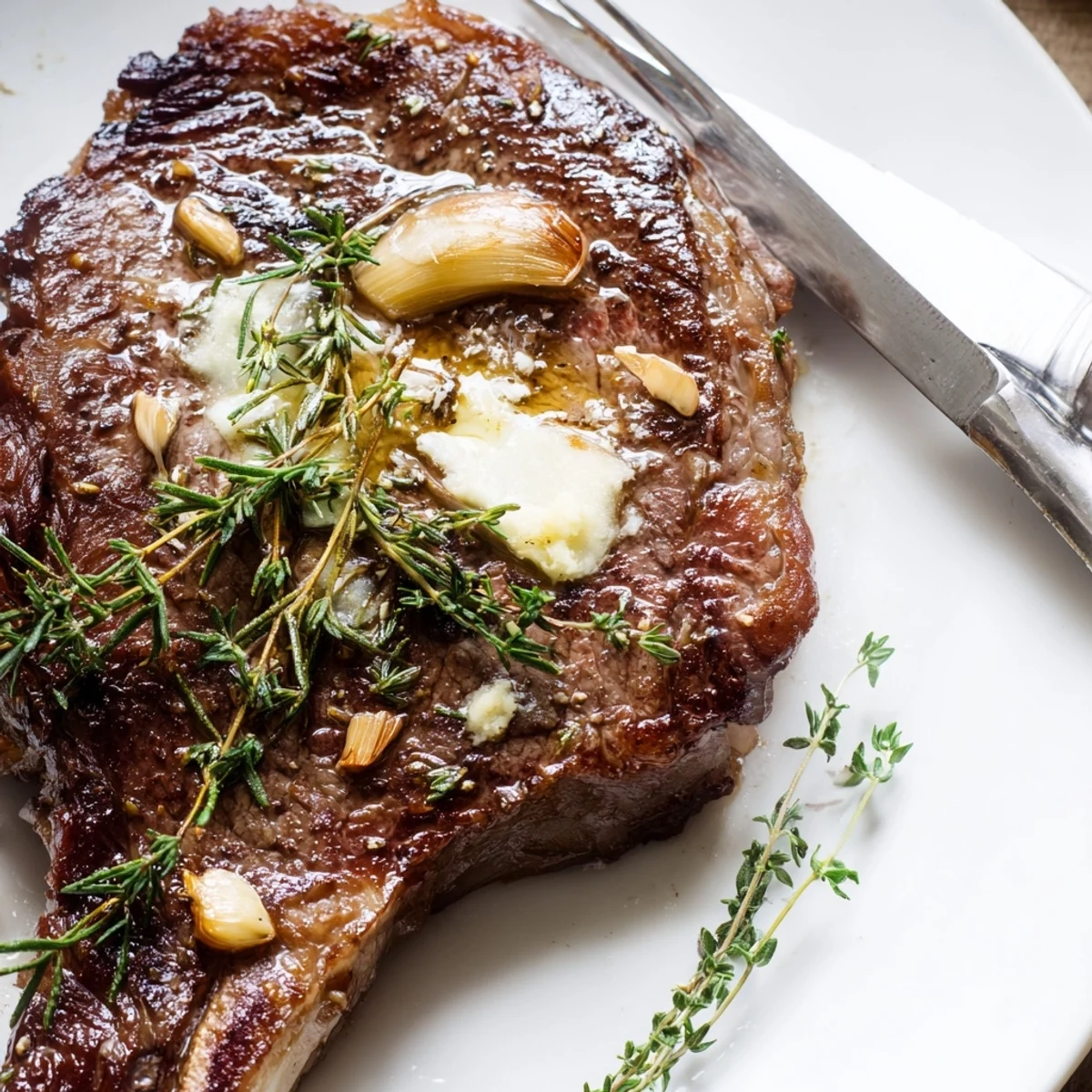
Save Cook the perfect ribeye steak with a golden-brown crust using a cast-iron skillet. Season generously, sear undisturbed for that signature caramelization, then baste with garlic butter and fresh herbs for maximum flavor. The key is letting the steak rest before serving to ensure juicy, tender results every time.
The sizzle sound when a ribeye hits a scorching hot cast iron skillet is one of those kitchen moments that makes cooking feel primal and satisfying. I used to be terrified of ruining expensive cuts of meat until a chef friend showed me that great steak is mostly about confidence and heat. Now this pan-seared method is my go-to for weeknight dinners that feel special without the restaurant price tag.
Last Friday I made these for my dad who claims hes only satisfied with grilled steak. He actually paused mid bite and asked what Id done differently. That butter baste step with the fresh herbs and garlic had won him over completely.
Ingredients
- 2 ribeye steaks: About 1 inch thick works best for achieving that perfect sear without overcooking the interior, and bring them to room temperature first for even cooking
- Kosher salt and freshly ground black pepper: Be generous here as this simple seasoning creates the foundation of flavor, and dont be afraid to season right before cooking
- 2 tablespoons unsalted butter: This forms the base of your basting liquid and adds richness, though you can use ghee if you want a higher smoke point
- 3 garlic cloves smashed: Smashing instead of mincing releases more aromatic oils into the butter as it melts
- 3 sprigs fresh thyme and 2 sprigs fresh rosemary: These woody herbs hold up beautifully to high heat and infuse the butter with incredible depth
- 1 tablespoon high-heat oil: Canola or avocado oil prevents the butter from burning during the initial sear
Instructions
- Prep your steaks:
- Pat the ribeye steaks completely dry with paper towels, then season both sides generously with salt and pepper, pressing the seasoning into the meat
- Get the pan screaming hot:
- Heat a large cast iron skillet over high heat until its very hot, about 2 minutes, then add the oil and swirl to coat the bottom
- Sear undisturbed:
- Place the steaks in the skillet and cook without moving for 3 to 4 minutes until a golden brown crust forms on the first side
- Flip and baste:
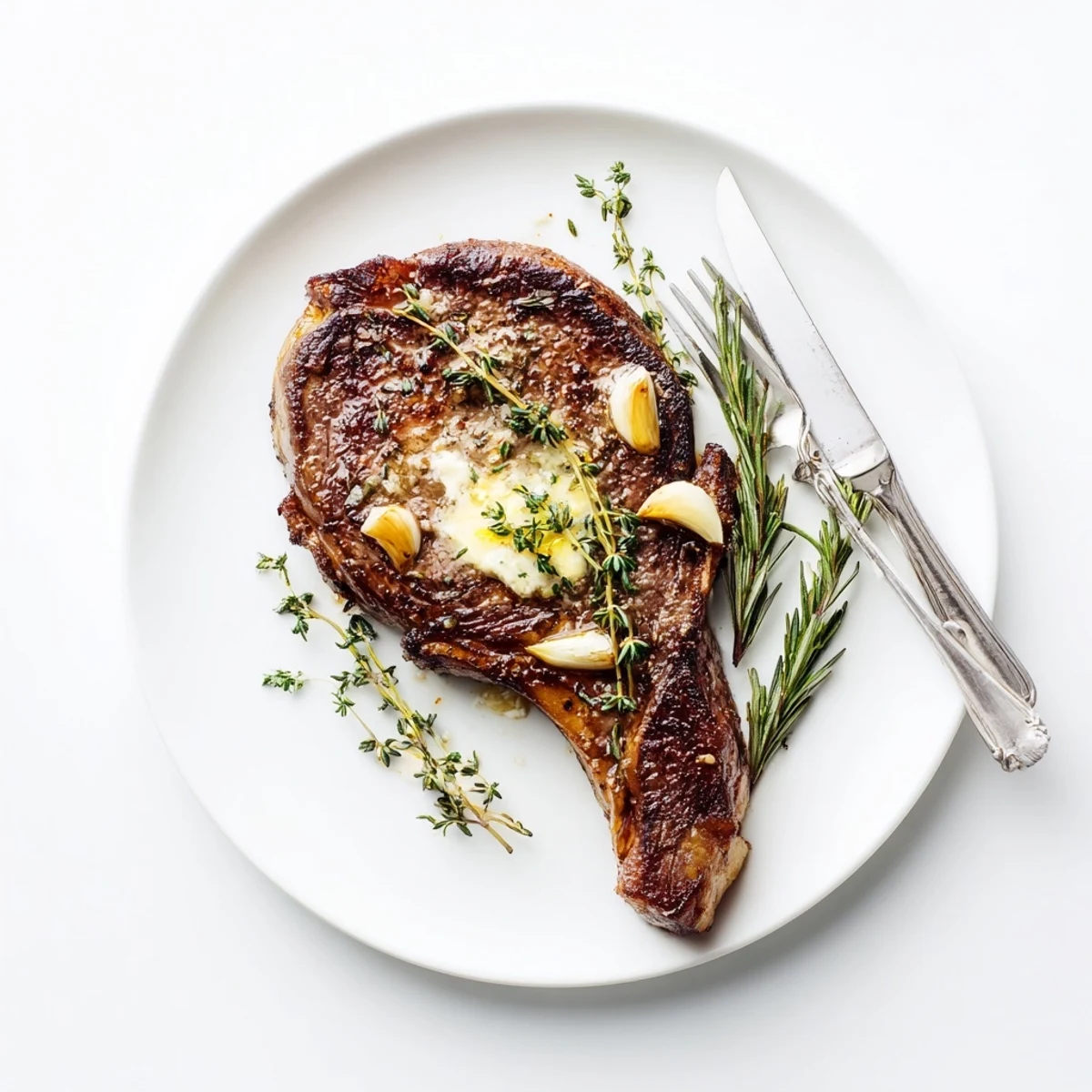
- Flip the steaks and add the butter, garlic, thyme, and rosemary to the pan, then tilt slightly and continuously spoon the melting butter over the meat for 2 to 3 minutes until it reaches your desired doneness
- Rest before serving:
- Remove the steaks from the skillet and let rest on a cutting board for 5 minutes so the juices redistribute throughout the meat
 Save
Save Something magical happens when you let a steak rest properly. The first time I actually waited the full 5 minutes before cutting in, I couldnt believe how much juicier the meat was.
Choosing The Right Cut
Look for steaks with good marbling throughout, those white streaks of fat are what keeps the meat tender and flavorful during cooking. A boneless ribeye gives you more surface area for seasoning while a bone in version adds extra flavor during cooking.
Temperature Guide
125°F is rare, 135°F gives you medium rare which is ideal for ribeye, and 145°F reaches medium well. Remember the temperature will rise about 5 degrees while resting, so pull your steaks a bit early.
Serving Ideas
A perfect ribeye deserves simple sides that let the steak shine. I love serving with roasted vegetables or a crisp arugula salad dressed simply with lemon and olive oil.
- A bold red wine like Cabernet Sauvignon or Malbec pairs beautifully with the rich beef
- Creamy mashed potatoes or roasted potatoes make this feel like a complete meal
- Finish with flaky sea salt right before serving for an extra pop of texture and sal
 Save
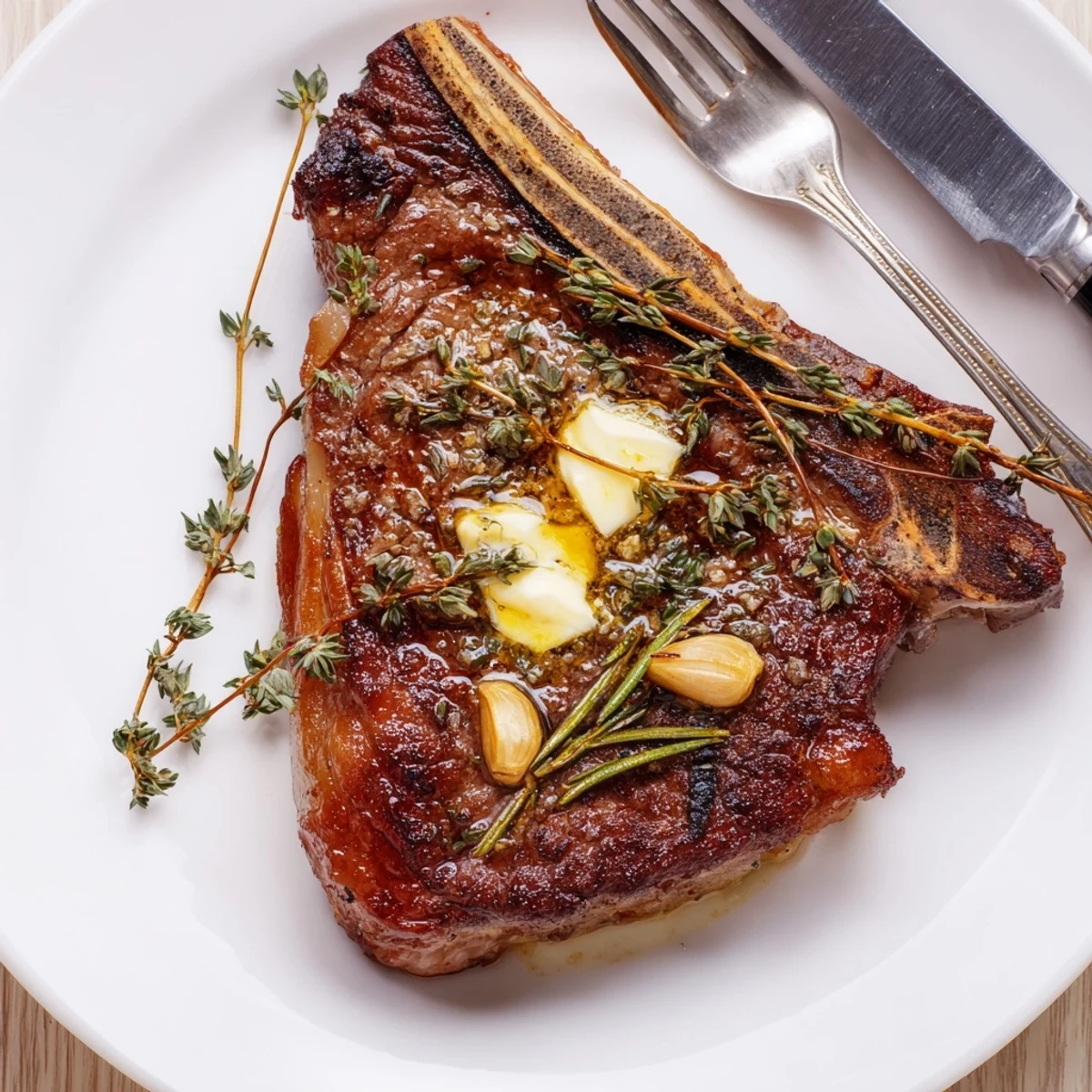
Save Theres something deeply satisfying about cooking a steak perfectly at home. Once you master this technique, youll find yourself making it far more often than you ever thought you would.
Your Questions Answered
- → What temperature should ribeye steak be cooked to?
-
Aim for 125°F to 130°F for medium-rare, the most popular doneness for ribeye. Use an instant-read thermometer inserted into the thickest part for accurate results.
- → Why rest the steak after cooking?
-
Resting allows the internal juices to redistribute throughout the meat. Cutting immediately causes juices to escape, resulting in a drier steak. Five minutes is sufficient for most cuts.
- → Can I use olive oil instead of canola or avocado oil?
-
Stick to high-heat oils like canola, avocado, or grapeseed. Olive oil has a lower smoke point and may burn at the high temperatures needed for proper searing.
- → How do I get a good crust on my steak?
-
Pat the steak completely dry before seasoning, use a smoking-hot cast-iron skillet, and don't move the steak during the initial sear. The contact with the hot metal creates the caramelized crust.
- → What cut of steak works best for pan-searing?
-
Ribeye, New York strip, and filet mignon are excellent choices. Ribeye offers the most marbling and flavor, while filet is most tender. Choose steaks at least 1 inch thick for best results.