
 Save
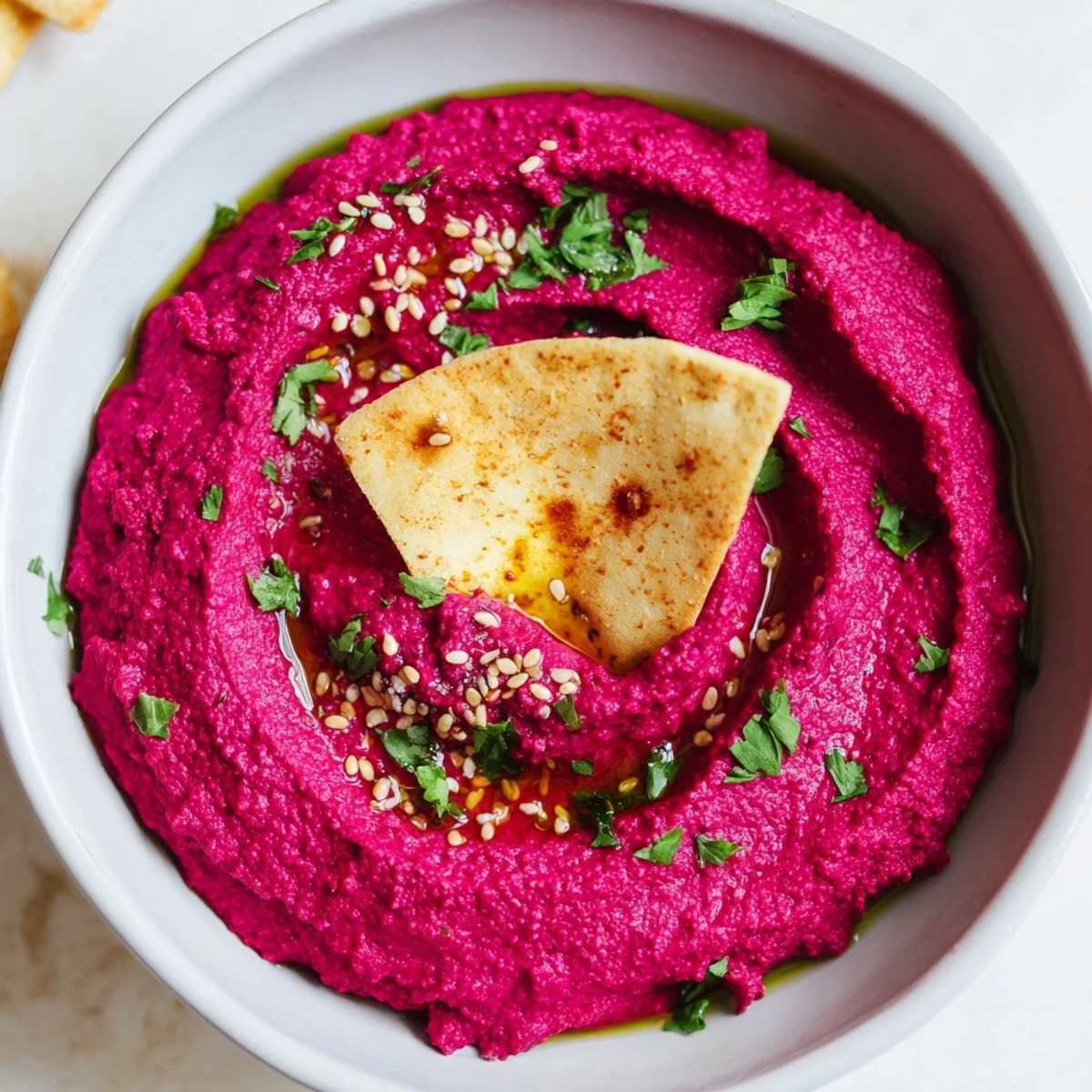
Save This dish combines tender roasted beets with smooth chickpeas, tahini, and fresh lemon juice to create a vibrant creamy dip. The pita chips, baked until golden and crisp with olive oil and smoked paprika, add a perfect crunch. Simple steps include roasting beets, blending ingredients to a silky texture, and baking pita triangles. Garnish options like sesame seeds or herbs enhance flavor. Ideal for healthy, vegan, and gluten-free variations with easy preparation and rich Middle Eastern-inspired flavors.
I discovered roasted beet hummus entirely by accident one autumn when a farmers market vendor convinced me to buy three beets I had no real plan for. That evening, while roasting them and the kitchen filled with this almost earthy perfume, I realized I could blend them into something unexpected—something that would make people pause mid-bite and ask what it was. That first spoonful with warm pita chips still lingers in my memory as the moment I stopped thinking of hummus as just chickpeas and tahini.
My partner took one chip, dipped it, and raised an eyebrow in surprise—the kind of look that made me feel like I'd unlocked something. We ended up serving it at a dinner party the following weekend, and I watched people come back to the bowl again and again, always lingering longer than they expected to. It became the thing people asked about, the recipe they wanted to know, which is when I knew I'd stumbled onto something genuinely special.
Ingredients
- 1 medium beet, trimmed and scrubbed: The star of the show—seek out beets that feel firm and smell slightly earthy, never soft or shriveled.
- 1 can chickpeas, drained and rinsed: This is the backbone; rinsing them removes excess starch and keeps the hummus from becoming gluey.
- 3 tbsp tahini: The magic binder that makes everything creamy—stir it well before measuring, as the oil separates.
- 2 tbsp fresh lemon juice: Freshly squeezed makes all the difference; bottled loses brightness and tastes flat by comparison.
- 1 small garlic clove, minced: One clove is enough; garlic can easily overwhelm this delicate balance.
- 2 tbsp olive oil, plus more for drizzling: Use something you'd actually taste on bread, not the industrial stuff.
- 1/2 tsp ground cumin: This ties everything together and brings warmth without being obvious about it.
- 1/2 tsp salt and 1/4 tsp black pepper: Season in layers as you blend, tasting constantly.
- 2–3 tbsp cold water: Add this slowly while the processor is running to control the texture.
- 3 pita breads: Day-old pita actually works better than fresh because it has less moisture.
- 2 tbsp olive oil and 1/2 tsp sea salt for chips: The salt clings better to oil-coated bread, creating more even seasoning.
- 1/2 tsp smoked paprika (optional): This adds color and a whisper of smokiness that guests always comment on.
Instructions
- Roast the beet until it yields:
- Wrap your beet in foil and let it sit in a 400°F oven for 40–45 minutes—you'll know it's ready when a fork slides through with no resistance. The wait is worth it; the beet becomes impossibly tender and sweet.
- Make the chips while the beet finishes:
- Cut pita into triangles, toss with oil and salt, and bake at 375°F for 10–12 minutes, flipping halfway through until they're golden and shattered between your fingers. They'll continue crisping as they cool, so don't pull them out when they still feel slightly soft.
- Cool and prepare:
- Let the beet cool enough to handle, then slip the skin off under cool running water—it should peel like tissue paper. Chop into chunks.
- Blend into silk:
- Combine your chopped beet with chickpeas, tahini, lemon juice, minced garlic, olive oil, cumin, salt, and pepper in a food processor. Blend until smooth, then add water one tablespoon at a time while the processor runs, until you reach a consistency that's cloud-like and spoonable.
- Taste and adjust:
- This step matters more than you think—add a pinch more salt, a squeeze more lemon, whatever it needs to taste bright and balanced.
- Finish and serve:
- Transfer to a bowl, drizzle with more olive oil, and serve alongside those crispy chips while everything is at its best.
 Save
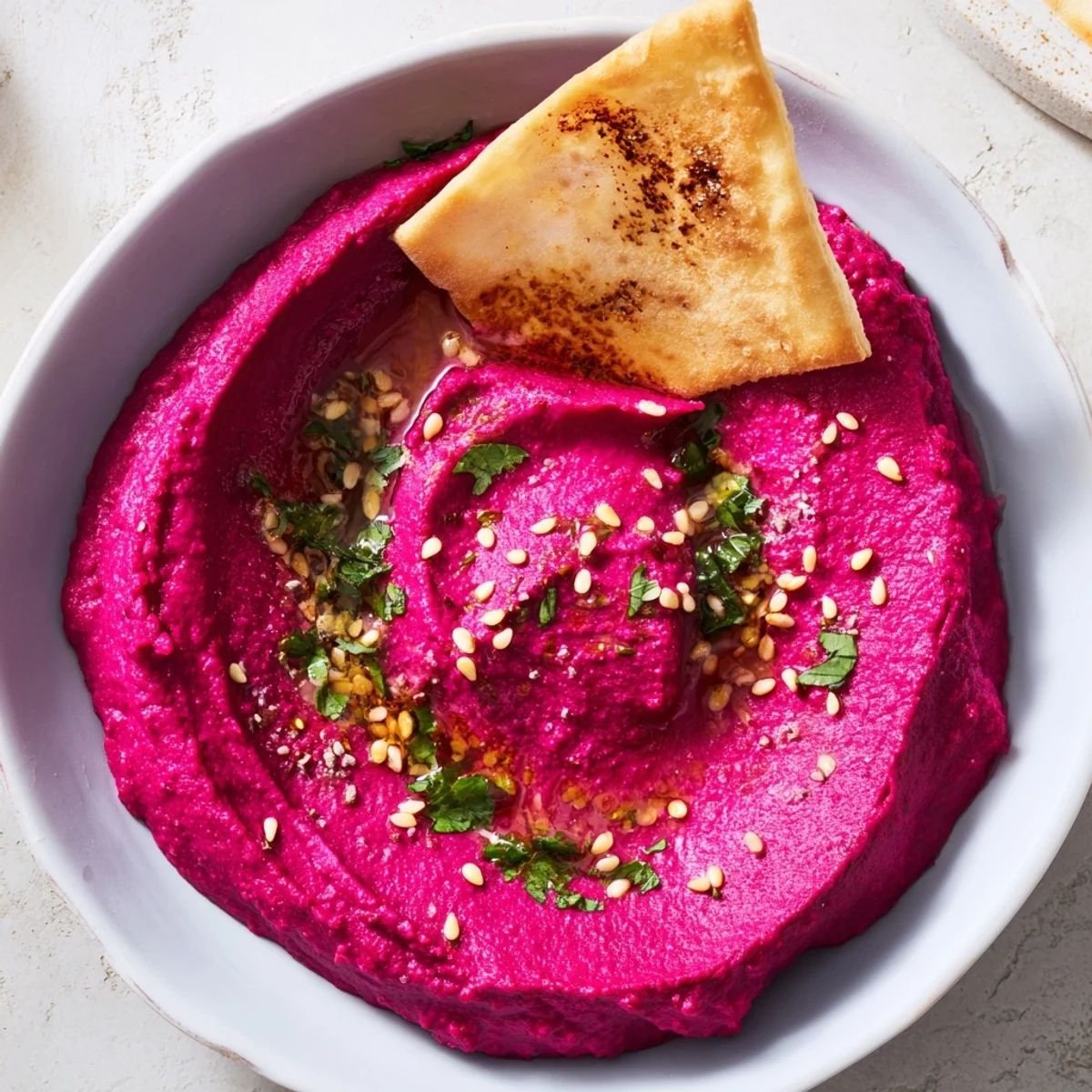
Save There's a moment when the hummus transforms from chunky mixture to silky dip, and you realize you've actually created something beautiful—something that looks like jewels in a bowl. It's the kind of dish that turns an ordinary snack into a small celebration.
The Secret Life of Beets
Roasting beets instead of boiling them is the difference between tasting sugar and tasting dirt. When you boil them, the water pulls out flavor and nutrients; roasting concentrates everything, deepens the sweetness, and creates this almost caramel-like quality in the hummus that catches people off guard. The foil wrapper traps steam so the beet steams and roasts at once, becoming tender without drying out.
Tahini: The Bridge Between Everything
Tahini is the reason this hummus feels luxurious instead of chunky—it's ground sesame paste that adds fat, richness, and a subtle nutty undertone that makes people wonder what secret ingredient you used. But it's also sensitive; cheap tahini can taste bitter, and old tahini has oxidized and gone rancid. Shop somewhere that has good turnover, and always stir it before measuring because the oil separates. Three tablespoons is the sweet spot here—enough to create creaminess without making the hummus taste like you're eating straight tahini.
Timing and Temperature Matter
The oven temperatures matter because they serve different purposes, and switching mid-recipe prevents overcooking the chips while the beet finishes. Start the beet at 400°F for concentrated roasting, then lower to 375°F for the chips so they toast gently rather than char. The chips should be golden and crisp enough that they shatter slightly when you bite them, never leathery or burnt at the edges.
- Day-old pita chips stay crispier longer than fresh because they have less residual moisture.
- Smoked paprika adds color and depth, but it's truly optional if you prefer to let the beet's color speak for itself.
- Serve the chips within a few hours, or store them separately and assemble right before guests arrive.
 Save
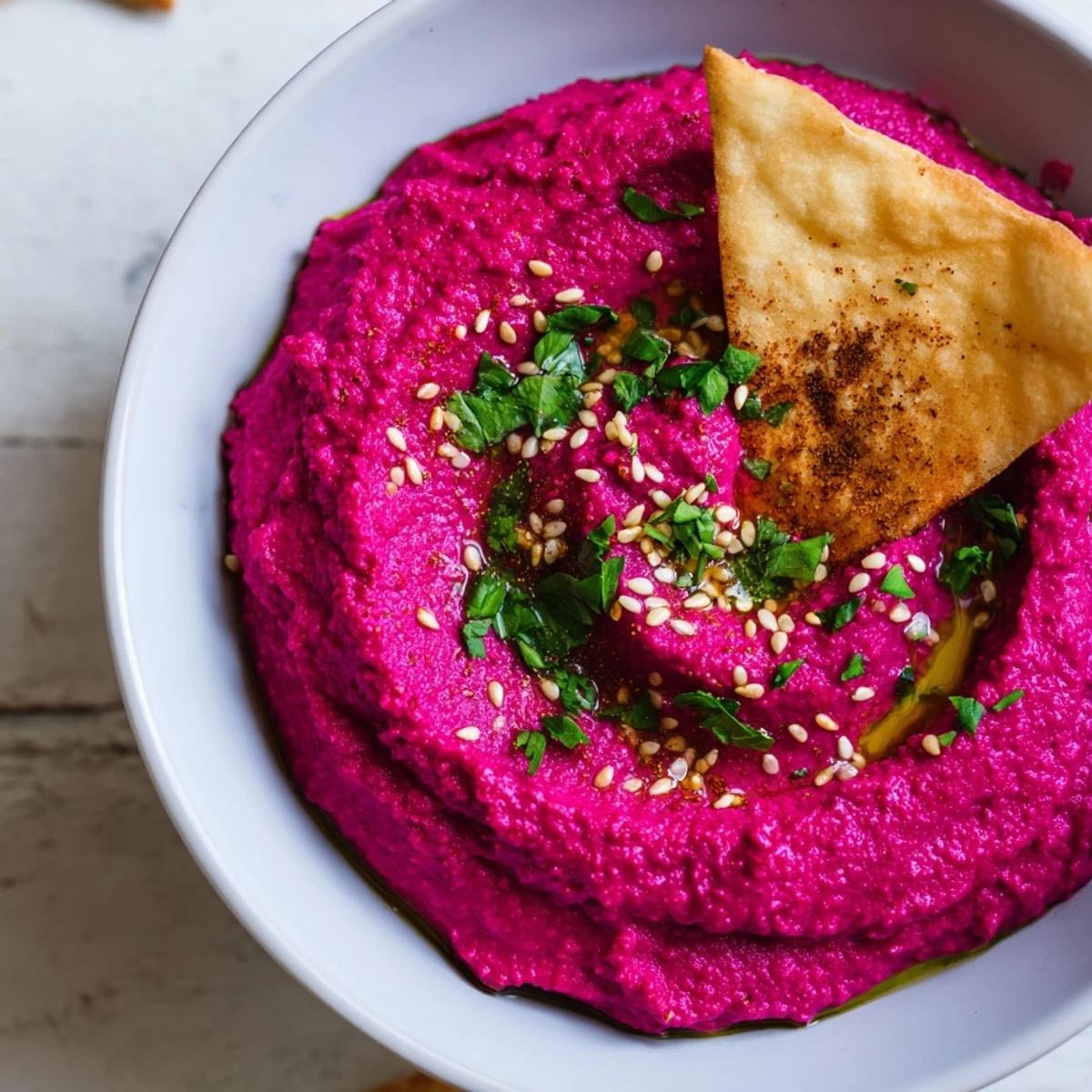
Save This is the kind of recipe that turns a simple appetizer into a moment people remember—the beautiful color, the unexpected sweetness, the ritual of dipping crispy chips into something you made with your own hands. Serve it with confidence.
Your Questions Answered
- → How do I roast the beets for the hummus?
-
Wrap trimmed beets in foil and roast at 400°F (200°C) for 40–45 minutes until fork-tender, then cool and peel.
- → Can I make the pita chips gluten-free?
-
Yes, by using gluten-free pita or substituting with vegetable crudités for a crisp alternative.
- → What gives the hummus its creamy texture?
-
The combination of tahini, olive oil, and cold water added gradually creates a smooth, creamy consistency.
- → How do I add extra flavor to the pita chips?
-
Toss the pita pieces with olive oil, sea salt, and optionally smoked paprika before baking for a smoky, savory taste.
- → What are good garnish options for this dish?
-
Toasted sesame seeds, chopped parsley, or a sprinkle of feta cheese (if not vegan) enhance both flavor and presentation.