
 Save
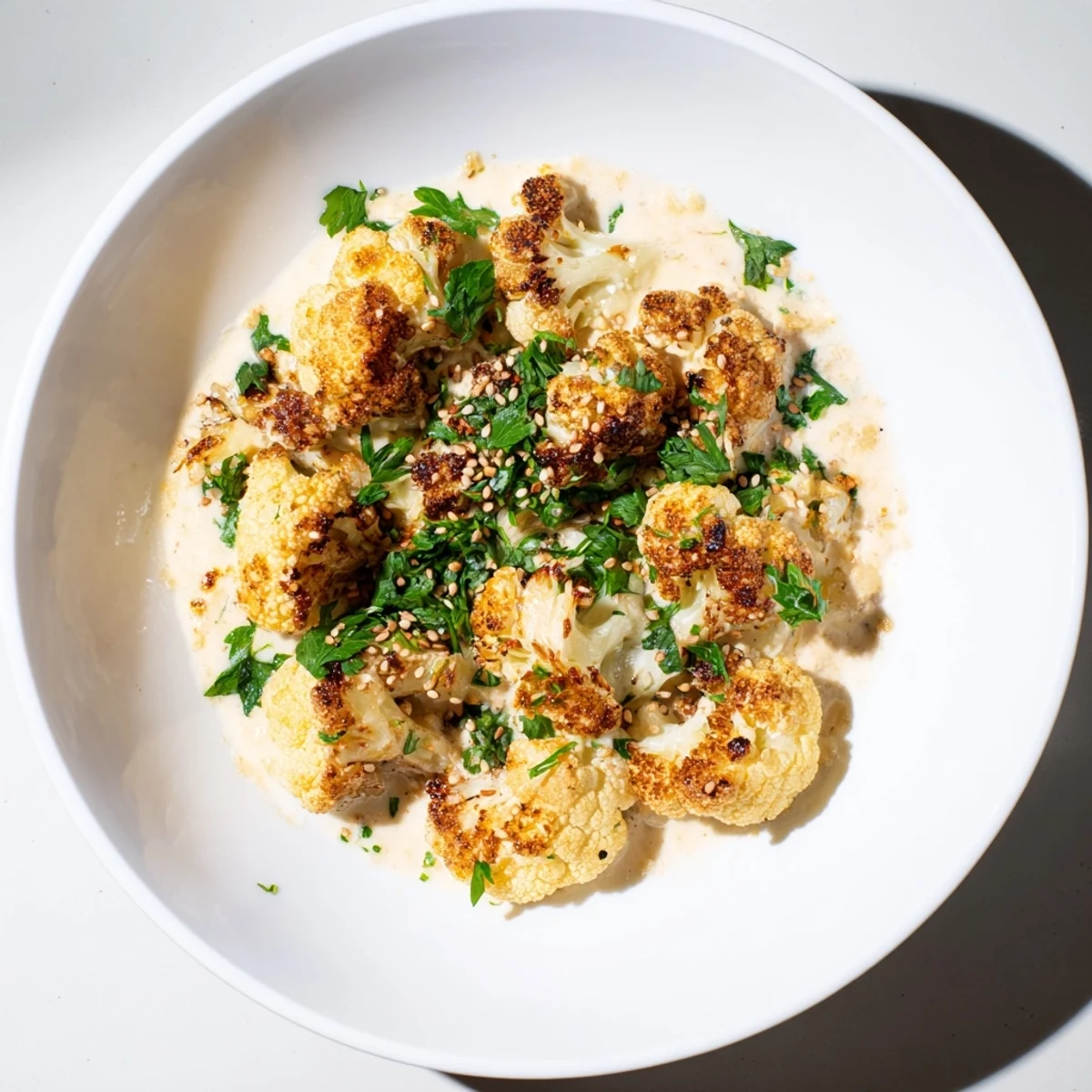
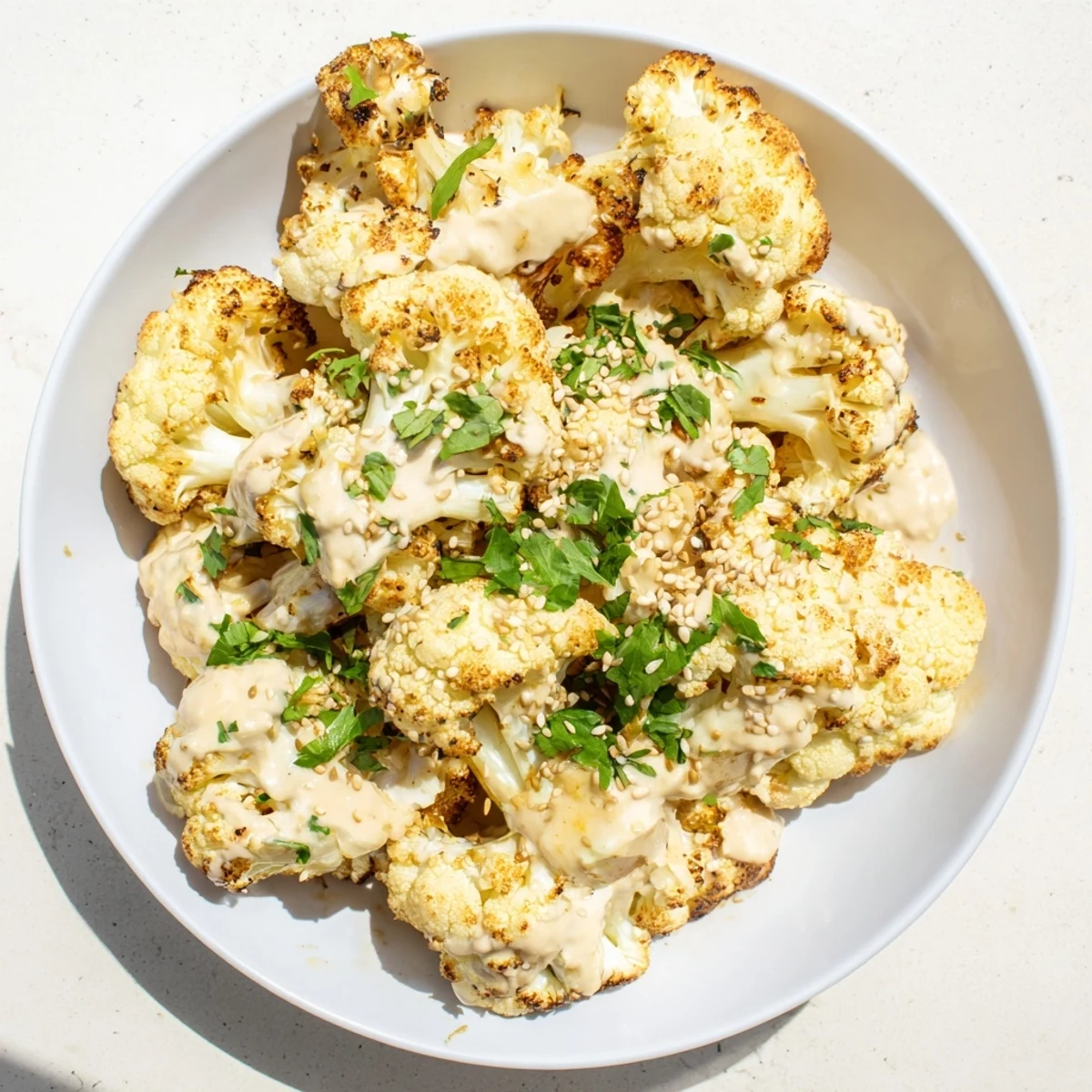
Save This dish features cauliflower florets roasted to golden tenderness with olive oil and spices, then coated in a creamy lemon tahini sauce. The sauce blends tahini, fresh lemon juice, garlic, and cumin for a zesty, nutty flavor that complements the roasted vegetables perfectly. Garnished with parsley and toasted sesame seeds, it offers a vibrant and wholesome option suitable for vegan and gluten-free diets. Serve warm or room temperature as a satisfying side or a light main for any meal.
I discovered this recipe on a sun-soaked afternoon in a tiny Mediterranean kitchen, watching my host slowly whisk together tahini and lemon juice until it transformed into something almost magical. The aroma of roasting cauliflower filled the air, and I realized that sometimes the simplest ingredients create the most memorable meals. That day, I learned that roasted cauliflower isn't just a side dish—it's a canvas for flavors that make you feel nourished and genuinely happy.
I made this for a dinner party last spring when a friend mentioned they were trying to eat more vegetables. Everyone expected a boring health kick, but when they tasted how the tahini sauce clings to each golden floret, there was this moment of quiet surprise. Someone asked for seconds before finishing their first bite, and that's when I knew this recipe had staying power.
Ingredients
- Cauliflower, 1 large head, cut into bite-sized florets: The star of the show. Look for a firm head with tightly packed florets—they'll roast into tender-crispy perfection. Cut them roughly the same size so they cook evenly and develop those gorgeous caramelized edges.
- Olive oil, 2 tbsp for roasting: This is what creates the golden, slightly charred exterior. Don't skimp or use low-quality oil—you'll taste the difference.
- Sea salt, ½ tsp: The real salt crystals matter here more than table salt, which can taste harsh and metallic.
- Freshly ground black pepper, ¼ tsp: Always grind it yourself. Pre-ground pepper loses its punch and aromatics so quickly.
- Tahini, ⅓ cup: This is the sauce's backbone. Stir the jar well before measuring—the oil separates and you want it integrated. Natural tahini, not the sweetened kind.
- Lemon juice, 2 tbsp, freshly squeezed: Bottled will betray you here. Fresh lemon is bright, alive, and makes the sauce sing. About one medium lemon.
- Olive oil, 1 tbsp for sauce: A second pour of good oil makes the sauce silky.
- Garlic clove, 1 small, finely minced: Mince it small so it distributes evenly and doesn't overpower with sharp rawness.
- Water, 2–3 tbsp: The secret to a pourable sauce. Add slowly—you control the consistency.
- Ground cumin, ½ tsp: Warm, earthy, and it whispers rather than shouts. Toast it in a dry pan for 30 seconds first if you have time.
- Fresh parsley, 2 tbsp chopped: The brightness that cuts through richness. Tear it gently by hand rather than chopping roughly.
- Toasted sesame seeds, 1 tsp: These matter more than you'd think. Toast them in a dry skillet until fragrant—it takes maybe two minutes and completely changes the flavor.
Instructions
- Heat your oven and prep your space:
- Set your oven to 425°F (220°C) and line a baking sheet with parchment paper. This prevents sticking and makes cleanup feel less like a chore. Let the oven fully preheat—it only takes a few minutes, but it matters for getting that golden roast.
- Coat the cauliflower evenly:
- Pour the olive oil into a large bowl, add salt and pepper, and toss in your cauliflower florets. Use your hands if you have to—get every piece glistening with oil. This is where the magic of roasting begins, with oil as your vehicle for color and flavor.
- Spread and roast:
- Spread in a single layer on your baking sheet, giving each floret space to breathe. Don't crowd them. Roast for 25–30 minutes, flipping halfway through with a spatula or fork. You're looking for golden-brown edges and tender centers. Trust your nose—when it smells deeply nutty and caramelized, you're close.
- Whisk the sauce together:
- While the cauliflower roasts, grab a small bowl. Whisk together the tahini, lemon juice, olive oil, minced garlic, cumin, and salt. It'll look thick and paste-like at first. Don't panic. Start adding water one tablespoon at a time, whisking constantly. Watch it transform into something smooth, creamy, and pourable. This is where the love happens.
- Bring it all together:
- Transfer your roasted cauliflower to a serving platter. Drizzle the lemon tahini sauce generously over each floret—don't be shy. You want every bite to have that creamy, tart, cumin-scented coating.
- Finish with care:
- Scatter the chopped parsley across the top, sprinkle with toasted sesame seeds, and add lemon wedges on the side if you like. Let people squeeze fresh lemon if they want that extra brightness.
 Save
Save The first time someone closed their eyes while eating this, I knew I'd made something worth making again. There's something about the combination of warm, caramelized vegetables and cool, creamy sauce that feels both simple and somehow luxurious at the same time.
Why This Works So Well
The roasting brings out the cauliflower's natural sweetness while creating those crispy, charred edges that give you texture in every bite. Cauliflower at high heat transforms from mild and earthy into something almost nutty. The lemon tahini sauce, meanwhile, provides the creamy richness and bright acidity that makes you want another bite. Together, they're balanced in a way that feels both comforting and alive.
Serving and Storing
Serve this warm right out of the oven, or let it cool to room temperature—it's equally delicious either way. The sauce stays creamy, the cauliflower stays tender, and the flavors actually deepen as it sits. Leftovers keep for three days in an airtight container in the refrigerator. When you're ready to eat again, a gentle reheat in the oven at 350°F for about ten minutes brings back the warmth without drying anything out. You can also toss it over grains like quinoa or couscous, add it to a mezze spread with hummus and olives, or even fold it into a grain bowl for lunch.
Flavor Variations to Try
This recipe is a gentle base that loves company. A pinch of smoked paprika adds a whisper of smoke without overpowering. Red pepper flakes bring gentle heat if that's your style. Some mornings I add pomegranate molasses to the sauce for brightness, or stir in fresh dill instead of parsley when I want something greener and more herbaceous. Even a sprinkle of sumac adds a tart, lemony note that makes you pause and appreciate the complexity. The beauty is that you can make this your own without losing what makes it special.
- Experiment with a splash of pomegranate molasses in the sauce for fruity tartness
- Try dukkah (an Egyptian spice blend) instead of just sesame seeds for more texture and complexity
- Add a touch of maple syrup or honey to the sauce if you want it slightly sweet and richer
 Save
Save This dish reminds me that the best meals don't have to be complicated to be memorable. Sometimes it's just about roasting something beautiful and treating it with real care.
Your Questions Answered
- → How can I ensure the cauliflower roasts evenly?
-
Cut the cauliflower into uniform bite-sized florets and arrange them in a single layer on the baking sheet to allow even heat circulation.
- → Can I adjust the thickness of the lemon tahini sauce?
-
Yes, add water gradually to the tahini mixture until it reaches a smooth, pourable consistency that coats the cauliflower well.
- → What can be added for extra flavor in this dish?
-
Incorporate a pinch of smoked paprika or chili flakes into the sauce to give a smoky or spicy kick.
- → Is this dish suitable for gluten-free and vegan diets?
-
Absolutely, this dish uses naturally gluten-free ingredients and contains no animal products, making it ideal for both gluten-free and vegan diets.
- → How should leftovers be stored and reheated?
-
Store leftovers in an airtight container in the refrigerator for up to 3 days. Reheat gently in the oven or microwave before serving.
- → What garnishes complement the flavors here?
-
Chopped fresh parsley, toasted sesame seeds, and extra lemon wedges enhance the dish’s freshness and texture.