
 Save
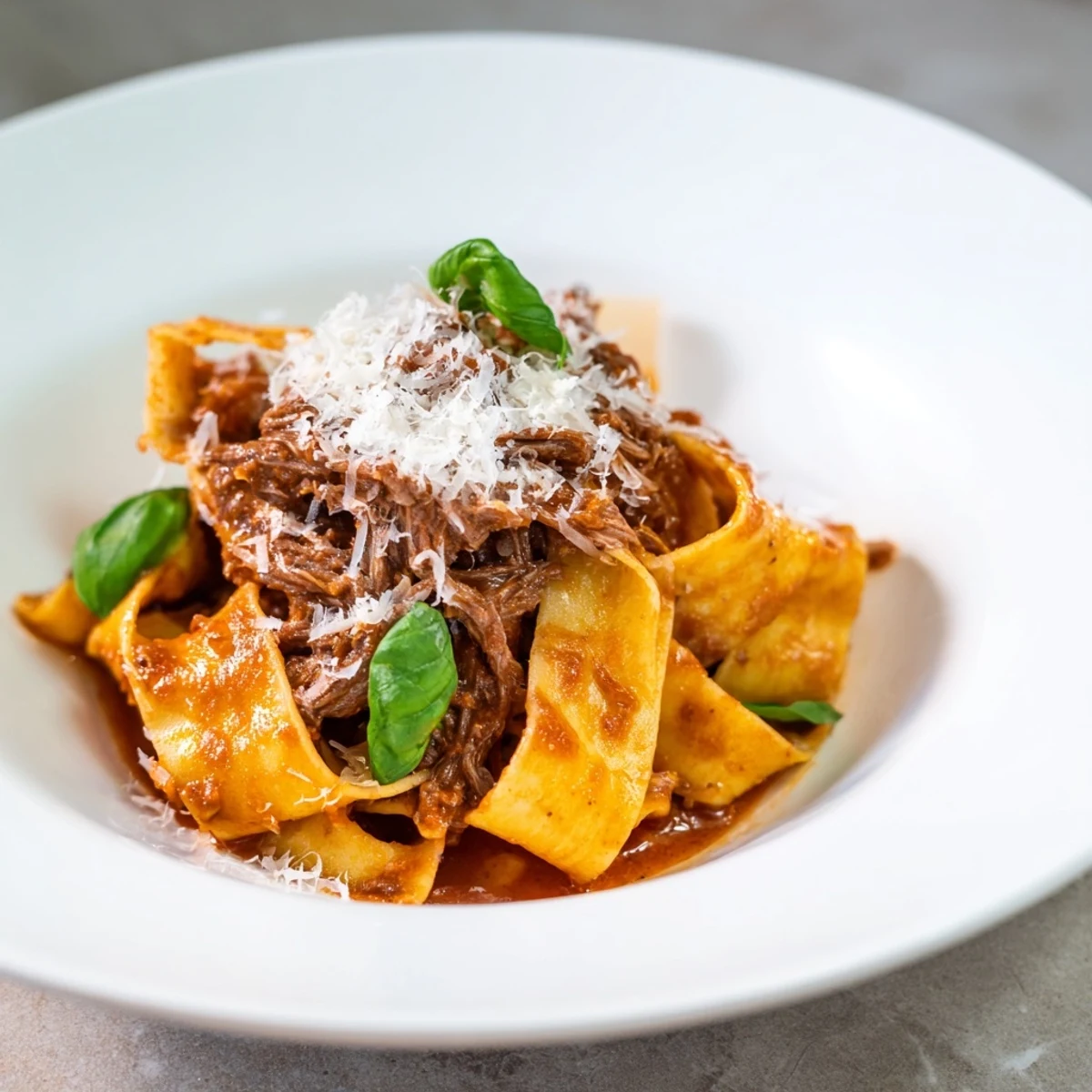
Save This Italian-inspired dish features beef chuck roast slow-cooked for 8 hours with aromatics, tomatoes, and red wine until fall-apart tender. The beef is shredded directly in the slow cooker and combined with the rich sauce, then tossed with al dente pappardelle pasta. Finished with Parmesan cheese and fresh herbs, it's a deeply satisfying meal that develops complex flavors throughout the cooking process. The long, slow braise transforms tough cuts into silky strands of beef suspended in a velvety sauce.
The enticing aroma of slow-cooked beef ragu fills my kitchen on cold Sunday afternoons, turning ordinary weekends into something special. I stumbled upon this recipe during a cooking class in Florence, where our instructor insisted the secret was patience, not complexity. Back home, I adapted it for my slow cooker and watched as it became the dish everyone requests when they visit.
Last winter during that terrible snowstorm, we lost power but our gas stove still worked. I transferred the partially cooked ragu to my Dutch oven and finished it over a low flame by candlelight. My teenagers, initially grumpy about the blackout, gathered around the table with steaming bowls of pasta, the rich sauce warming us from the inside out. Someone mentioned it was the best dinner wed had in months.
Ingredients
- Beef chuck roast: The marbled fat in chuck roast melts during the long cooking process, creating that velvety mouthfeel that makes ragu so comforting.
- Mirepoix (onion, carrot, celery): Dont skimp on properly sautéing this flavor base, as the caramelization adds depth that will carry through the entire dish.
- Red wine: After trying various wines, I found that a medium-bodied Sangiovese or Chianti works beautifully, enhancing the tomatoes without overwhelming the beef.
- Pappardelle pasta: These wide ribbons were designed for hearty sauces, catching little pockets of ragu in their folds and curves.
Instructions
- Sear with purpose:
- Take your time browning the beef chunks, creating a deep crust that will infuse the entire sauce with rich, savory flavor. You should hear a satisfying sizzle as each piece hits the hot pan.
- Build the flavor base:
- Using the same skillet, let the vegetables absorb all those browned bits left from the beef. When you add the tomato paste, cook until it darkens slightly, which concentrates its sweetness and umami.
- Low and slow magic:
- Once everything is in the slow cooker, resist the urge to peek or stir too often. The gentle, consistent heat transforms tough collagen into silky gelatin over those 8 hours.
- The perfect marriage:
- Cook the pasta just shy of al dente, then finish it by tossing directly with some of the ragu. The starchy pasta will continue absorbing the sauce, creating that perfect Italian texture where sauce and pasta become one.
 Save
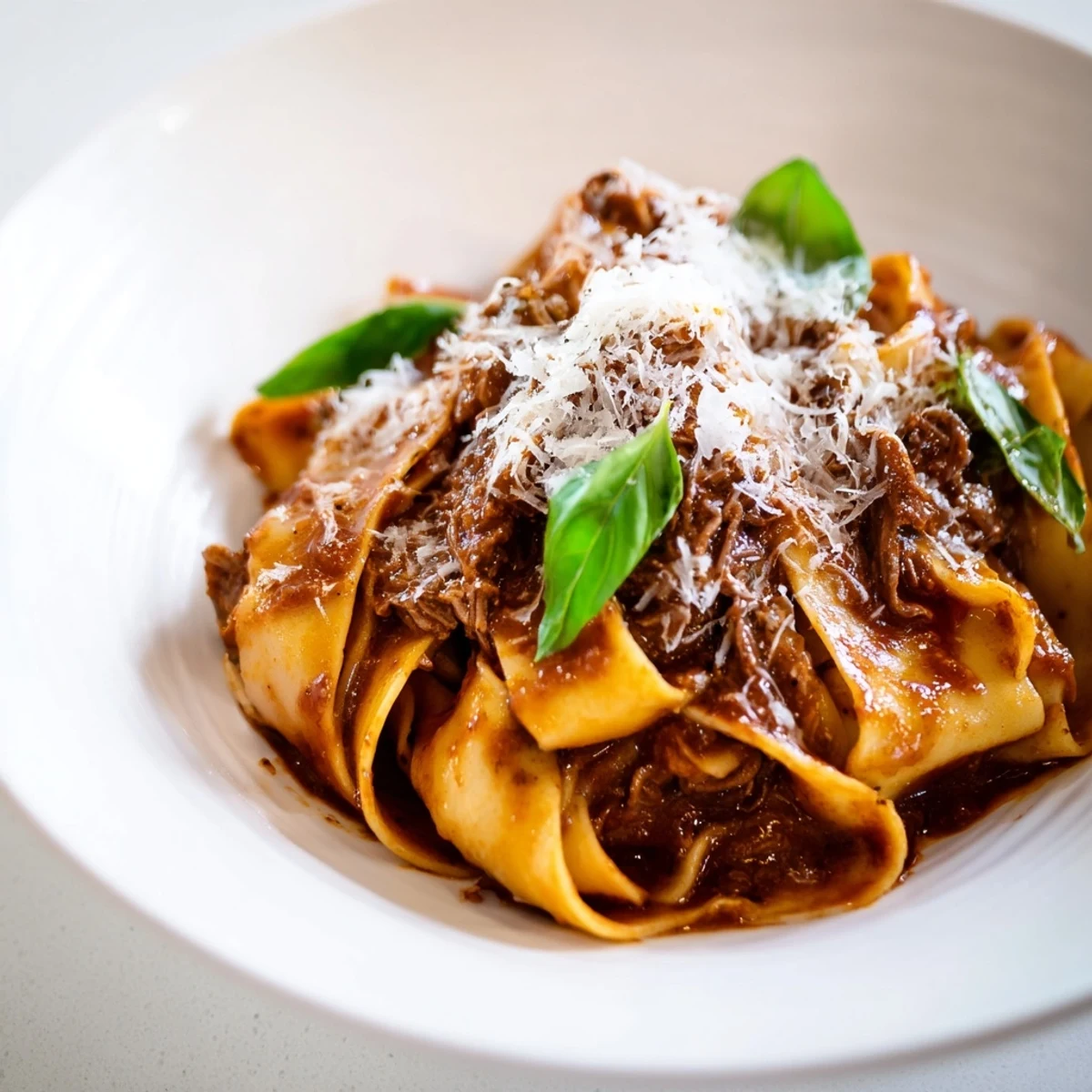
Save My friend Sophia, whose grandparents came from Naples, took one bite and became suspiciously quiet. Finally, she looked up and said, My nonna would have hired you in her restaurant, which might be the greatest compliment Ive ever received about my cooking. Now whenever we need a serious conversation, I make this ragu, knowing how it opens hearts and encourages lingering at the table.
Make-Ahead Magic
The flavor of this ragu actually improves after a day in the refrigerator, making it perfect for entertaining. I often make the sauce component on Saturday, let it rest overnight, then simply cook fresh pasta and reheat the sauce when guests arrive on Sunday. The overnight rest gives the flavors time to meld and deepen, while taking pressure off my hosting schedule.
Variation Ideas
While traditional beef ragu is magnificent, this base recipe welcomes thoughtful adaptations. For a rustic Tuscan twist, I sometimes add a handful of reconstituted porcini mushrooms and their soaking liquid to the slow cooker. During summer months, I might fold in fresh peas or tender asparagus tips just before serving for brightness and color against the rich sauce.
Serving Suggestions
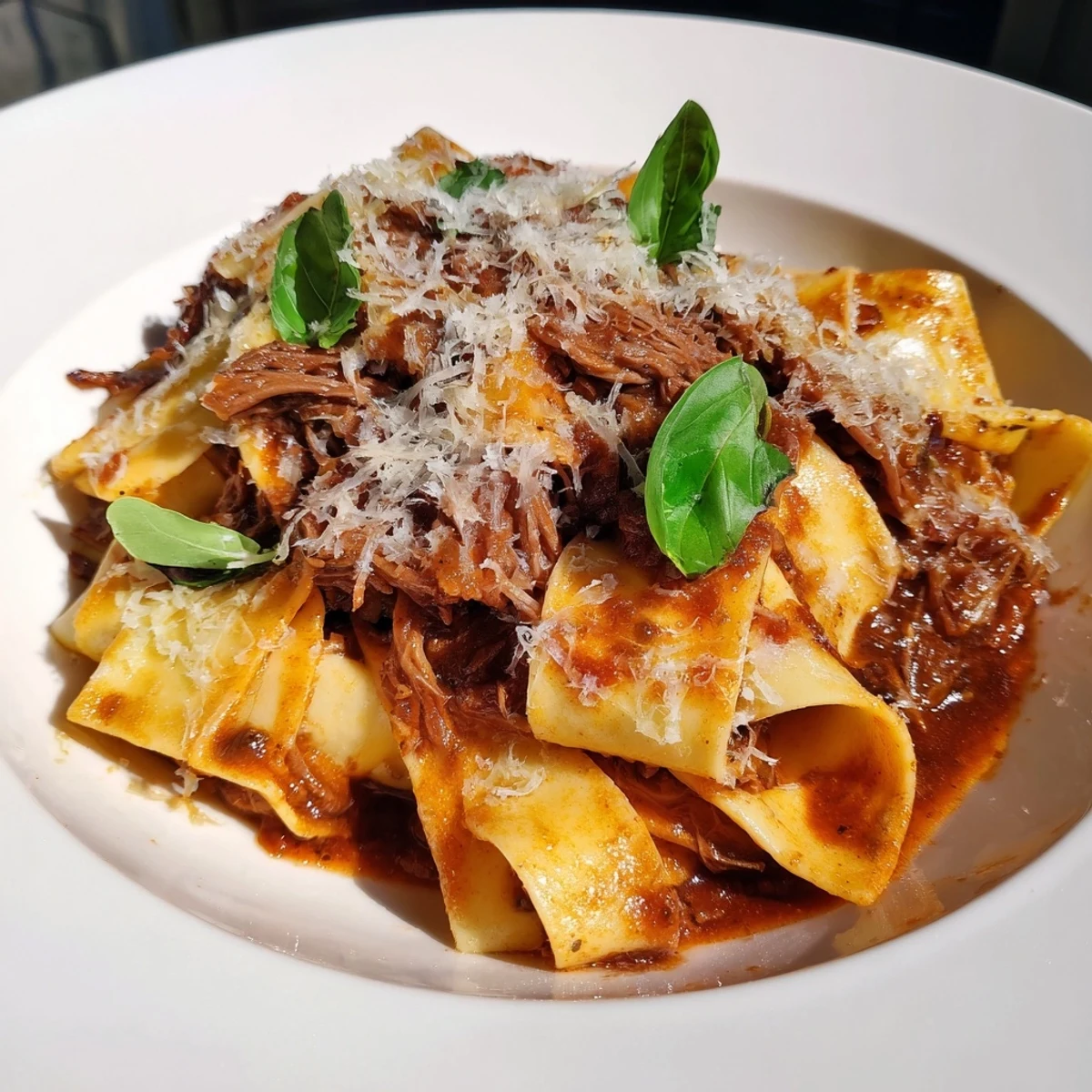
The way you present this humble ragu can transform it from casual family dinner to dinner party centerpiece. I learned from an Italian chef to create a small well in the center of each pasta serving and nestle an extra spoonful of sauce there, rather than drowning the entire plate.
- Serve alongside a simple arugula salad dressed with lemon, olive oil, and shaved Parmesan for a perfect contrast to the rich ragu.
- A crusty loaf of ciabatta makes the ideal companion for soaking up every last bit of sauce.
- Pour a medium-bodied Italian red wine like Montepulciano dAbruzzo that can stand up to the robust flavors without overwhelming them.
 Save
Save This beef ragu has taught me that true comfort food isnt just about the eating, but about the entire experience of creating something wonderful from humble ingredients. Its a reminder that the best things cant be rushed.
Your Questions Answered
- → Can I use a different cut of beef?
-
Yes, beef chuck roast is ideal for slow cooking, but you can substitute beef brisket, short ribs, or round roast. Avoid lean cuts like sirloin, which may become tough. Fattier cuts break down beautifully during the 8-hour braise.
- → How do I make this on the stovetop instead?
-
After searing and sautéing the vegetables, transfer everything to a heavy Dutch oven. Bring to a simmer, then cover and cook in a 325°F oven for 3-4 hours, stirring occasionally. The lower oven temperature ensures even, gentle cooking similar to a slow cooker.
- → What's the best pasta substitute for pappardelle?
-
Tagliatelle, fettuccine, or rigatoni work beautifully. Choose wider, thicker pasta shapes that can cradle the hearty ragu. For lighter options, use whole wheat pasta or zucchini noodles, though cooking times will vary.
- → Can I make this ahead and freeze it?
-
Absolutely. Prepare the ragu completely without pasta, cool it thoroughly, then freeze in airtight containers for up to 3 months. Thaw overnight in the refrigerator and reheat gently on the stovetop. Cook fresh pasta before serving.
- → How do I add more richness to the sauce?
-
Stir in a splash of heavy cream, sour cream, or a knob of butter just before serving. Some cooks also add a tablespoon of balsamic vinegar for depth, or a small square of dark chocolate to enhance the savory flavors.
- → What wine should I use?
-
Choose a dry red wine you'd enjoy drinking, such as Sangiovese, Barbera, or Chianti. Avoid cheap cooking wine or anything with added salt. The wine reduces during cooking, concentrating its flavors into the sauce.