
 Save
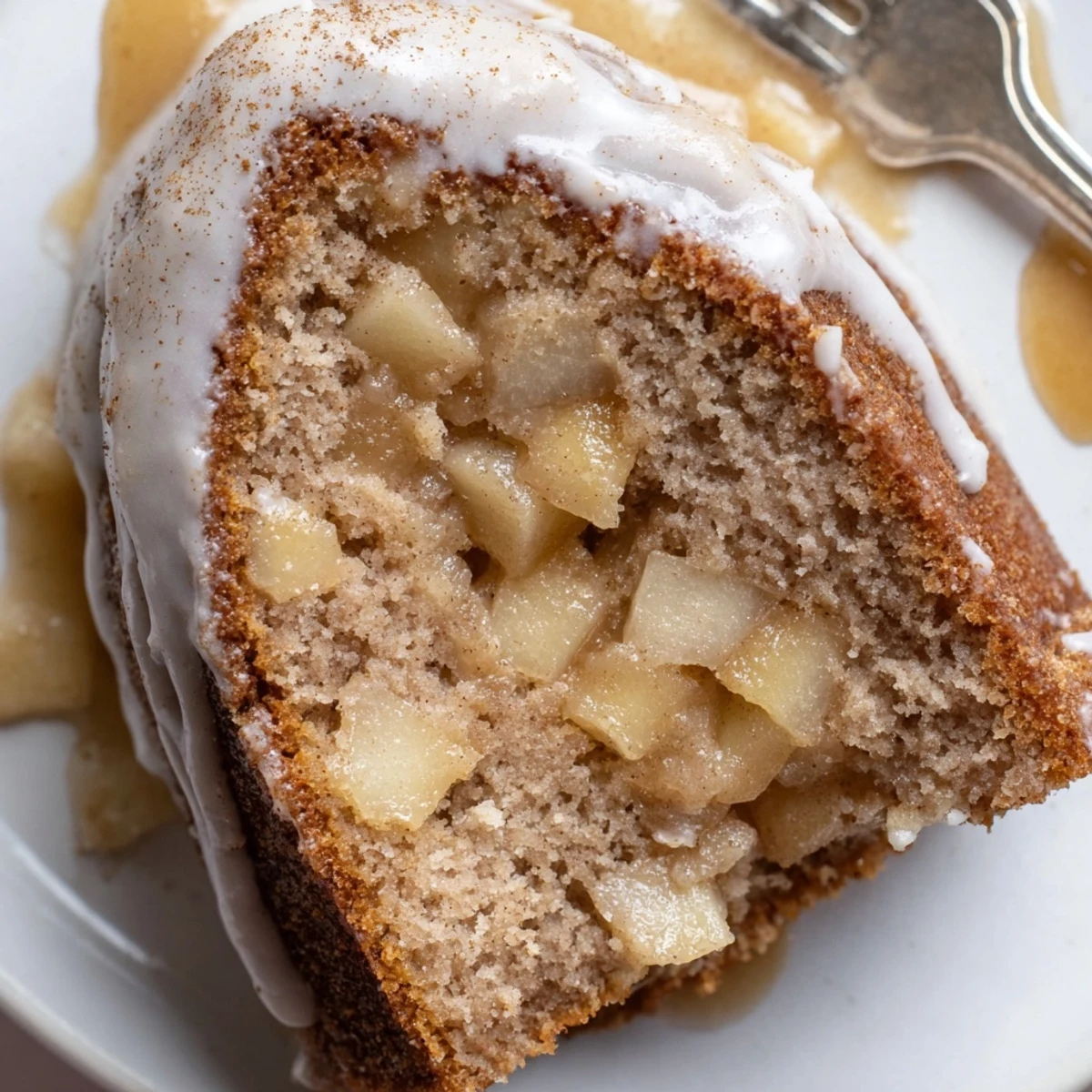
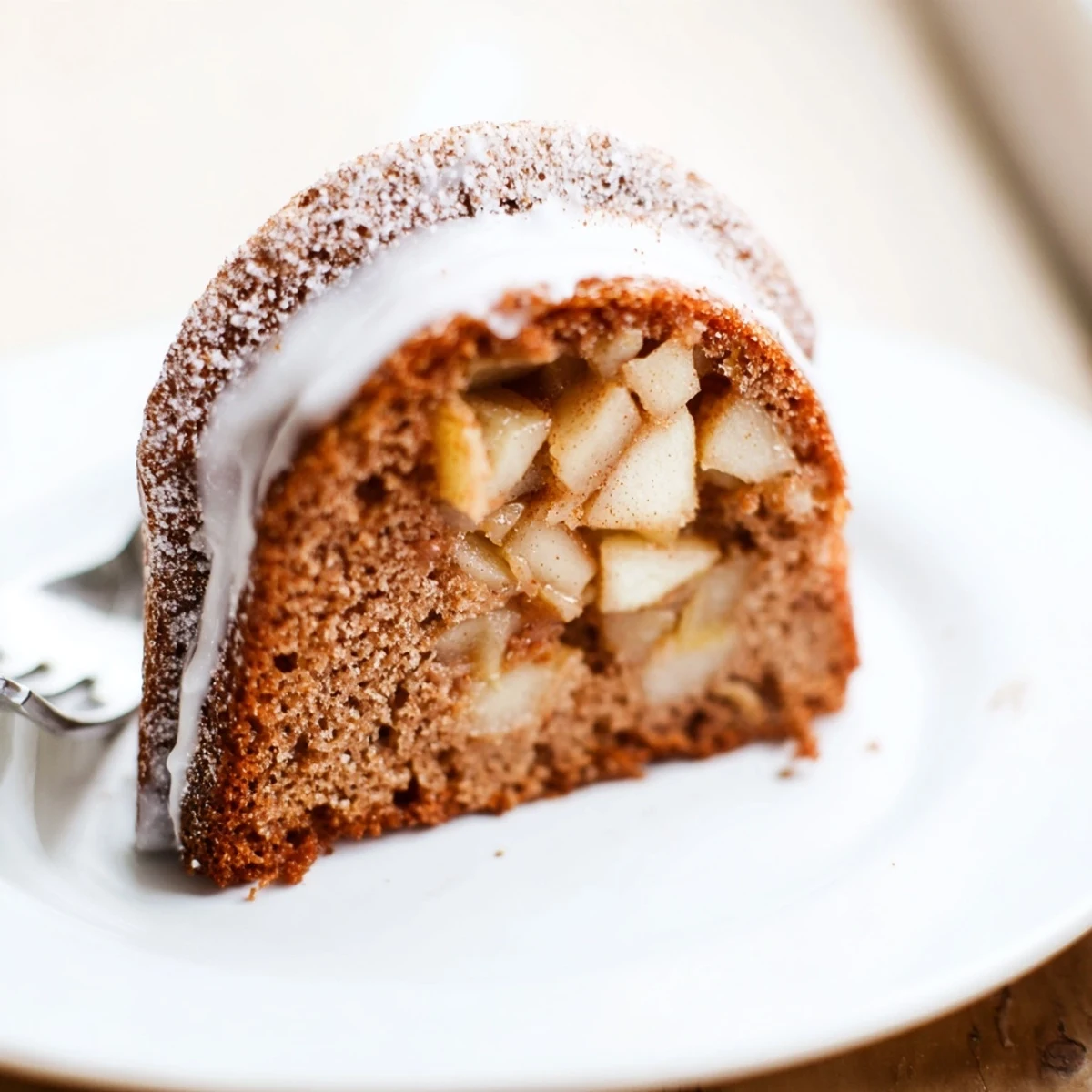
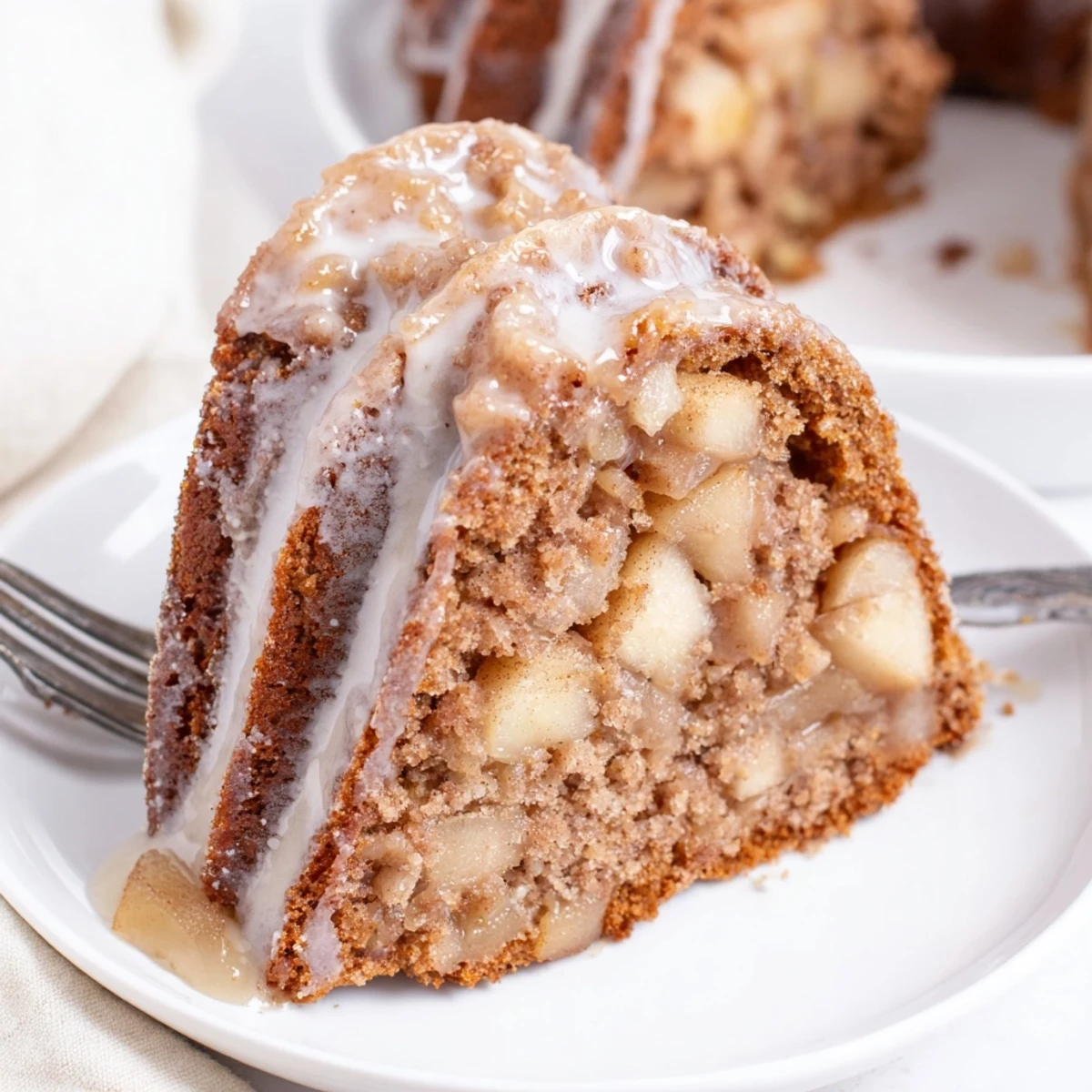
Save This moist bundt cake is infused with reduced apple cider and a harmonious blend of cinnamon, nutmeg, allspice, and cloves. Diced apples add texture and natural sweetness, while the creamy batter is balanced with sour cream and vanilla. Baked until golden and optionally glazed with a smooth apple cider icing, it creates a warm, autumnal dessert perfect for gatherings or cozy afternoons. Tart apples like Granny Smith shine here, offering a delightful contrast of flavors.
I discovered this cake on a chilly October afternoon when my neighbor dropped off a half-gallon jug of fresh apple cider from their orchard. The aroma alone—cinnamon, clove, the bright tartness of pressed apples—sparked something. I'd never reduced cider before, but watching it bubble down on the stove, deepening from pale gold to amber, felt like capturing autumn in a pot. By the time I'd baked it into a cake, the whole house smelled like the season itself.
Last year I brought this to a potluck at my in-laws, nervous it would get lost among the usual contributions. My mother-in-law took one bite and asked for the recipe before I'd even finished plating dessert—which doesn't happen often in that family. Now she makes it every fall, and somehow that small moment made the recipe feel less like mine and more like something we share.
Ingredients
- All-purpose flour (3 cups): The structure of everything; make sure it's fresh and measured by weight if you can, since it matters here.
- Baking powder and baking soda (2 tsp and 1/2 tsp): These work together to give you a tender crumb without the cake collapsing in the middle.
- Salt (1 teaspoon): Invisible but essential—it sharpens all the spice flavors and keeps things from tasting flat.
- Ground cinnamon, nutmeg, allspice, and cloves (2 tsp, 1/2 tsp, 1/2 tsp, 1/4 tsp): This is the soul of the cake; toast them gently in your palm first if you want to wake them up, or use them straight from the jar.
- Unsalted butter (1 cup): Room temperature is non-negotiable—cold butter won't cream properly and you'll lose that light, fluffy texture.
- Granulated and brown sugar (1 1/2 cups and 1/2 cup): Together they create depth and keep the cake moist without being dense.
- Eggs (3 large, room temperature): Cold eggs won't incorporate smoothly; let them sit out while you prep everything else.
- Sour cream (1/2 cup): This is the secret ingredient that keeps the cake tender and adds a subtle tang that plays beautifully against the sweetness.
- Vanilla extract (1 teaspoon): A small amount goes a long way; don't skip it.
- Reduced apple cider (1 1/2 cups): The reduction is crucial—you're concentrating the flavor from 1 1/2 cups down to 3/4 cup, which means every drop tastes like autumn.
- Medium apples, finely diced (about 2 cups): Granny Smith or Honeycrisp work best; tart apples balance the sugar and keep things from tasting one-dimensional.
Instructions
- Reduce your cider first:
- Pour 1 1/2 cups apple cider into a small saucepan and set the heat to medium. Let it simmer gently for about 15 minutes, watching it turn deeper and more concentrated. This is where the magic happens—you're distilling the apple flavor into something rich enough to change the whole cake.
- Prepare your pan and oven:
- Heat your oven to 350°F and grease your bundt pan thoroughly with butter, making sure to get into every ridge and crevice. A lightly floured bundt pan prevents sticking without drying out the exterior of your cake.
- Whisk your dry ingredients:
- In a medium bowl, combine flour, baking powder, baking soda, salt, cinnamon, nutmeg, allspice, and cloves. Whisking rather than just stirring ensures everything is evenly distributed, which means every bite has the same spice level.
- Cream butter and sugars until light:
- In a large bowl, beat softened butter with both sugars for 3 to 4 minutes until the mixture looks pale and fluffy, almost like frosting. You're incorporating air here, which gives the cake its tender structure.
- Add eggs one at a time:
- Drop in one egg, beat well until fully combined, then repeat with the next two. Rushing this step means you end up with a grainy batter that won't rise properly, so give each egg time to incorporate.
- Mix in sour cream and vanilla:
- Fold in the sour cream and vanilla extract gently, just until you don't see streaks anymore. This is what keeps everything moist and tender.
- Alternate flour and cider:
- Add the dry mixture in three additions, alternating with the cooled reduced cider, starting and ending with flour. Mix on low speed just until combined—overmixing develops gluten and makes the cake tough, which you don't want.
- Fold in the apples:
- Use a rubber spatula to gently fold in your diced apples until they're evenly scattered throughout the batter. This gentle folding keeps the batter light rather than dense.
- Pour into your bundt pan:
- Transfer the batter to your prepared pan and smooth the top with a spatula so it bakes evenly. Make sure the batter reaches all the edges and crevices.
- Bake until a toothpick comes clean:
- Bake for 45 to 55 minutes—ovens vary, so start checking at 45 minutes by inserting a toothpick into the center. If it comes out clean with just a few moist crumbs, you're done.
- Cool in the pan, then turn out:
- Let the cake rest in the bundt pan for 15 minutes before inverting it onto a wire rack. This waiting period lets it set slightly so it holds together when you flip it.
- Optional glaze:
- If you want it, whisk powdered sugar with 2 to 3 tablespoons apple cider until smooth and pourable. Drizzle it over the cooled cake for extra flavor and a touch of elegance.
 Save
Save The first time someone told me this cake reminded them of their grandmother's kitchen, I realized how much the spices carry memory. Food has that power—especially this one, which tastes like a specific season and a specific feeling all at once.
Why This Cake Works
The combination of sour cream and reduced apple cider does something unexpected: it keeps the cake tender while letting the spice flavor come through clearly. Most bundt cakes are either moist but bland or flavorful but dry. This one manages both, which is why it stays good for days sitting on the counter. The apples themselves break down slightly as they bake, adding moisture and subtle sweetness without needing the cake to be overly sugared.
Serving and Storage
This cake is best served at room temperature or barely warm, which is when you notice all the spice layers and the lingering apple flavor. It keeps beautifully for up to five days wrapped loosely in foil at room temperature, and the flavor actually deepens a day or two after baking. Some people like it with whipped cream or vanilla ice cream, and that's lovely, but honestly it's fine on its own with coffee.
Small Details That Matter
There's a difference between reducing apple cider and just using regular apple juice concentrate—fresh cider from the orchard has a brightness that concentrate doesn't capture. If you can find it only in fall, buy extra and freeze it. Also, the bundt pan's shape means the edges brown faster than the center, which is why checking for doneness with a toothpick in the middle is important rather than relying on time alone.
- If your cake seems to be browning too fast, loosely tent it with foil for the last 10 to 15 minutes.
- Don't invert the cake onto the rack until it's cooled enough to hold its shape—you'll know when it pulls slightly from the edges of the pan.
- A homemade glaze made with actual apple cider tastes nothing like store-bought frosting, so it's worth making if you have the time.
 Save
Save This is the kind of cake that makes you feel like fall whenever you bake it, no matter what the calendar says. It's become one of those recipes I return to every year, and I hope it becomes that for you too.
Your Questions Answered
- → How do I properly reduce apple cider for this cake?
-
Simmer the apple cider gently over medium heat until it thickens and reduces to about half its original volume. This concentrates the flavors, adding depth to the cake.
- → What type of apples work best in this bundt?
-
Tart apples like Granny Smith are ideal as they provide a balance of sweetness and acidity that complements the warm spices.
- → Can I skip the glaze topping?
-
Yes, the cake is delicious on its own, but the optional glaze made with powdered sugar and apple cider adds a delicate sweetness and a glossy finish.
- → How should I store any leftovers?
-
Wrap the cooled bundt cake tightly in plastic wrap or store in an airtight container at room temperature for up to 3 days to retain moisture.
- → Is there a way to enhance the glaze flavor?
-
Adding a tablespoon of apple brandy to the glaze intensifies the fruity notes and adds a subtle warmth.
- → What tools are recommended for preparation?
-
Use a 10-cup bundt pan, electric mixer, mixing bowls, a saucepan for reducing the cider, a wire rack for cooling, and a whisk for the glaze.