
 Save
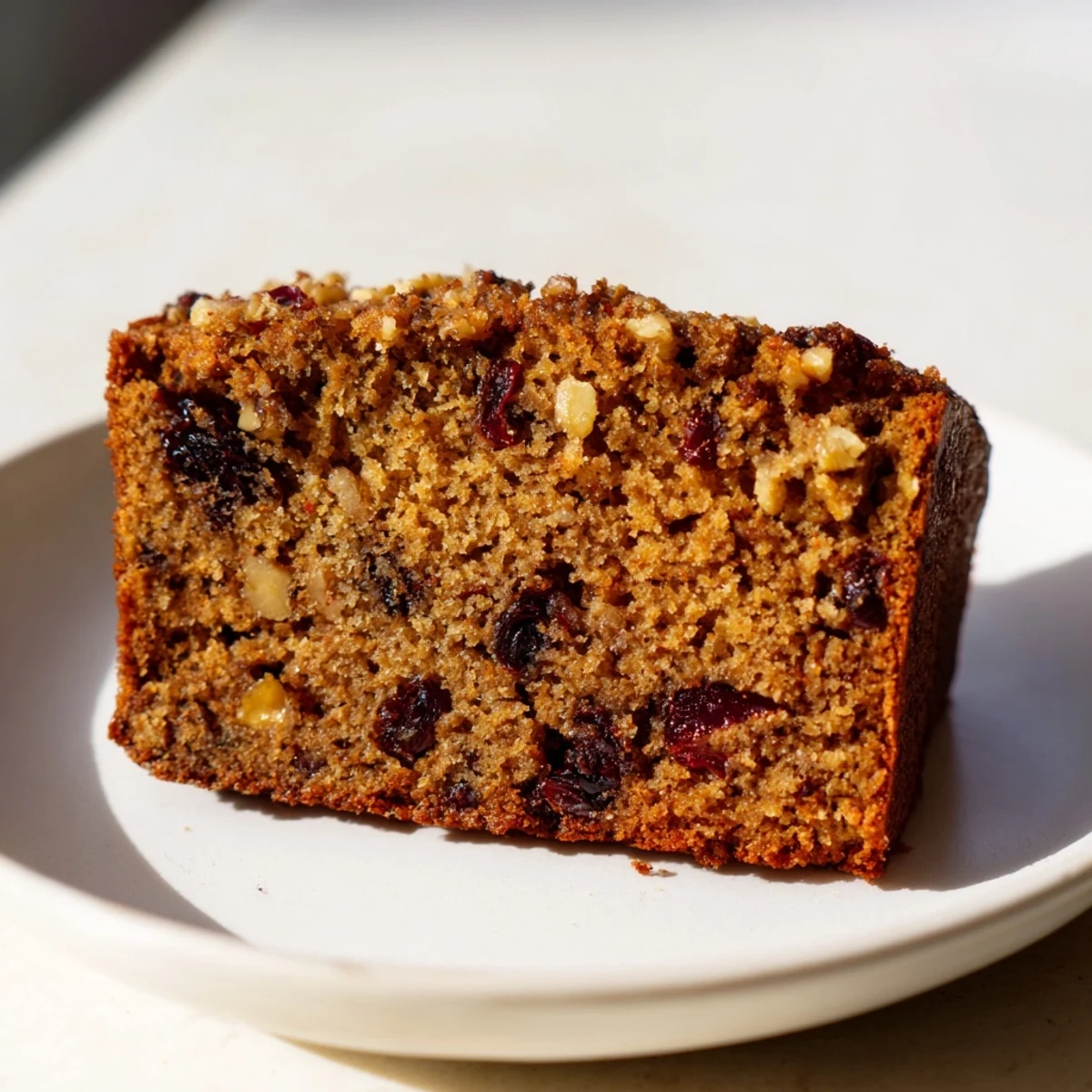
Save This spiced moist aromatic cake blends ground cinnamon, ginger, nutmeg, and cloves into a tender, flavorful crumb. Combining brown and granulated sugars with vegetable oil and buttermilk creates a rich, moist texture. Optional nuts and dried fruits add texture and depth. Baked until golden and set, it’s perfect served alongside spiced tea or coffee. Adapt easily for dairy-free diets by substituting almond milk with lemon juice for buttermilk. Its warm, inviting flavors make it ideal for intimate gatherings or afternoon indulgences.
There's something about the smell of cinnamon and ginger warming in the oven that makes everything feel like it's exactly where it should be. My grandmother used to bake a version of this cake on gray afternoons, and I'd sit on a stool in her kitchen watching the batter transform from separate wet and dry ingredients into something golden and fragrant. Years later, I realized what I was really craving wasn't just the taste, but that feeling of calm that comes from mixing warm spices together. This cake has become my way of recreating that peace.
I made this for a potluck last November, and it disappeared so fast I barely got to watch people eat it. Someone came back for a second slice before dessert was even officially served, which felt like the highest compliment. That's when I knew the recipe had graduated from just something I made for myself to something worth sharing without apology.
Ingredients
- All-purpose flour (2 cups): The foundation that keeps the cake tender rather than dense, so don't skip sifting or whisking it with the spices.
- Baking powder and baking soda (1½ teaspoons and ½ teaspoon): Together they create lift and crumb without making the cake taste metallic, which is why the ratio matters.
- Salt (½ teaspoon): A pinch that doesn't make the cake salty but deepens the flavor of the spices themselves.
- Ground cinnamon, ginger, nutmeg, and cloves (2 teaspoons, 1 teaspoon, ½ teaspoon, ¼ teaspoon): Buy these from somewhere with real turnover if you can, and measure generously because ground spices fade quickly.
- Granulated and brown sugar (1 cup and ½ cup): The combination gives moisture and depth that straight white sugar can't achieve alone.
- Vegetable oil (½ cup): Oil keeps this cake tender longer than butter would, and the neutral flavor lets the spices shine.
- Eggs (2 large, room temperature): Cold eggs won't mix smoothly into the oil and sugar, so take them out of the fridge while you gather everything else.
- Vanilla extract (1 teaspoon): A small amount that rounds out the warm spices without announcing itself.
- Buttermilk (1 cup, room temperature): The acid reacts with the baking soda and keeps the crumb delicate; don't substitute with regular milk without adding lemon juice.
- Walnuts or pecans (½ cup, optional): Toasted lightly before folding in if you want them to taste like themselves rather than fading into the background.
- Raisins or dried cranberries (½ cup, optional): Plump them in warm water for five minutes first if they feel dry, and you'll notice the difference in every bite.
Instructions
- Heat your oven and prepare the pan:
- Set the oven to 350°F and give it time to come fully to temperature while you work; a properly preheated oven is what makes the cake rise evenly rather than staying squat in the center. Grease the cake pan with butter or oil, dust with flour, or line it with parchment paper, whichever method you trust most.
- Whisk the dry ingredients together:
- In a medium bowl, combine flour, baking powder, baking soda, salt, and all the spices, then set it aside. Whisking them together ensures the spices and leavening are distributed evenly so you don't bite into a pocket of pure cloves.
- Beat sugar and oil until combined:
- In a large bowl, mix the granulated sugar, brown sugar, and vegetable oil until they look unified and slightly pale. This step shouldn't take more than a minute, and you're not trying to make it fluffy like you would with butter and sugar.
- Add eggs and vanilla carefully:
- Crack one egg into the mixture, beat it in, then add the second egg and beat again; this gradual approach keeps the batter from looking separated. Stir in the vanilla extract until the smell hits you.
- Alternate flour and buttermilk starting and ending with flour:
- Add about a third of the flour mixture, mix gently, then about half the buttermilk, then the remaining flour, then the rest of the buttermilk, then finish with the last flour. The gentle mixing at this stage is what keeps the cake tender, so stop as soon as you don't see streaks of white.
- Fold in any nuts or dried fruit:
- Use a spatula to gently fold in walnuts, pecans, raisins, or cranberries if you're using them, turning the bowl rather than stirring hard. This takes maybe a minute and makes sure they're distributed throughout without activating gluten.
- Pour into the pan and bake:
- Transfer the batter to your prepared pan and smooth the top gently with a spatula, then slide it into the oven. Set a timer for 35 minutes and check at that point by inserting a toothpick into the center; when it comes out clean or with just a few moist crumbs clinging to it, the cake is done.
- Cool and rest:
- Let the cake sit in the pan for 10 minutes, which gives the structure time to set slightly, then turn it out onto a wire rack to cool completely. Trying to frost or slice it while it's still warm is a recipe for crumb-covered fingers and frustration.
 Save
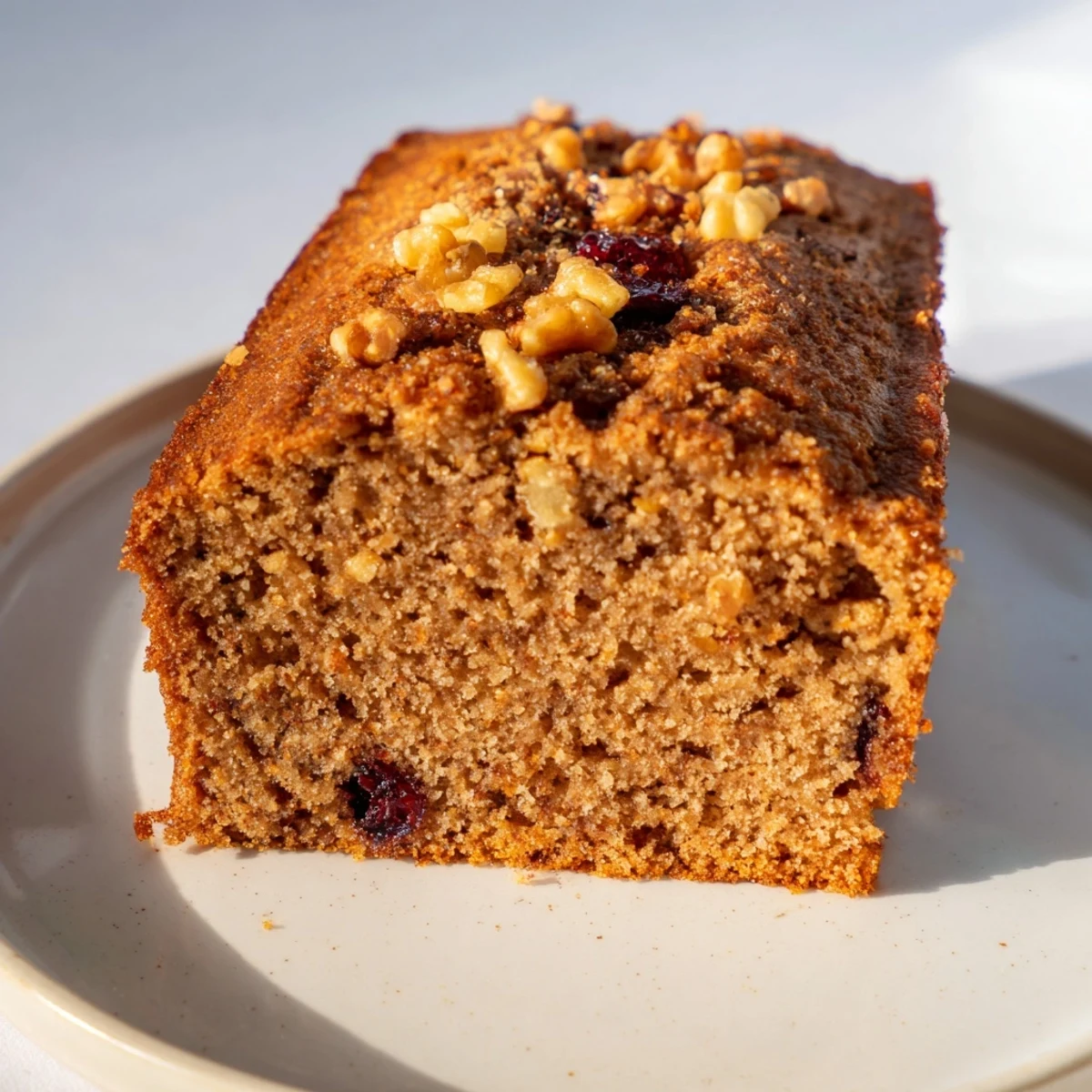
Save I remember tasting this cake still slightly warm with a cup of tea, the spices releasing their warmth with each bite, and thinking about how a simple recipe can turn an ordinary afternoon into something worth remembering. That's the real magic of this cake, not the ingredients or the technique, but the way it makes you slow down.
Spices and How They Work Together
Cinnamon brings warmth and sweetness, ginger adds a subtle bite and brightness, nutmeg contributes earthiness and depth, and cloves tie everything together with their bold, almost peppery presence. Each spice on its own would be overwhelming, but in these careful proportions they create a flavor that feels sophisticated without being fussy. The key is using spices that smell vibrant when you open their jars; stale spices fade into the background and leave you wondering why the cake feels so flat.
Oil Versus Butter in This Recipe
Vegetable oil might seem less luxurious than butter, but it keeps this cake tender and moist longer because oil doesn't solidify the way butter does as it cools. If you swap in melted butter instead, you'll get a slightly denser, more traditional cake that's still delicious but with a different personality. The choice depends on whether you want something delicate that lasts in the pantry or something richer that's best eaten within a day.
Serving Ideas and Variations
This cake is beautiful on its own with just a dusting of powdered sugar, but cream cheese frosting brings out the spices in a completely different way, turning it into something almost like carrot cake territory. Serve it alongside tea or coffee, or crumble a slice into a bowl with yogurt for breakfast and nobody will judge you. You could also brush the warm cake with a thin glaze made from powdered sugar and a little milk, which soaks into the crumb and adds subtle sweetness.
- A dollop of whipped cream or mascarpone on the side makes even a plain slice feel special.
- If you baked it ahead, wrap it tightly and reheat a slice in the microwave for 15 seconds to bring back the warmth.
- This cake freezes beautifully whole or in individual slices, so make it early in the week and forget about dessert stress.
 Save
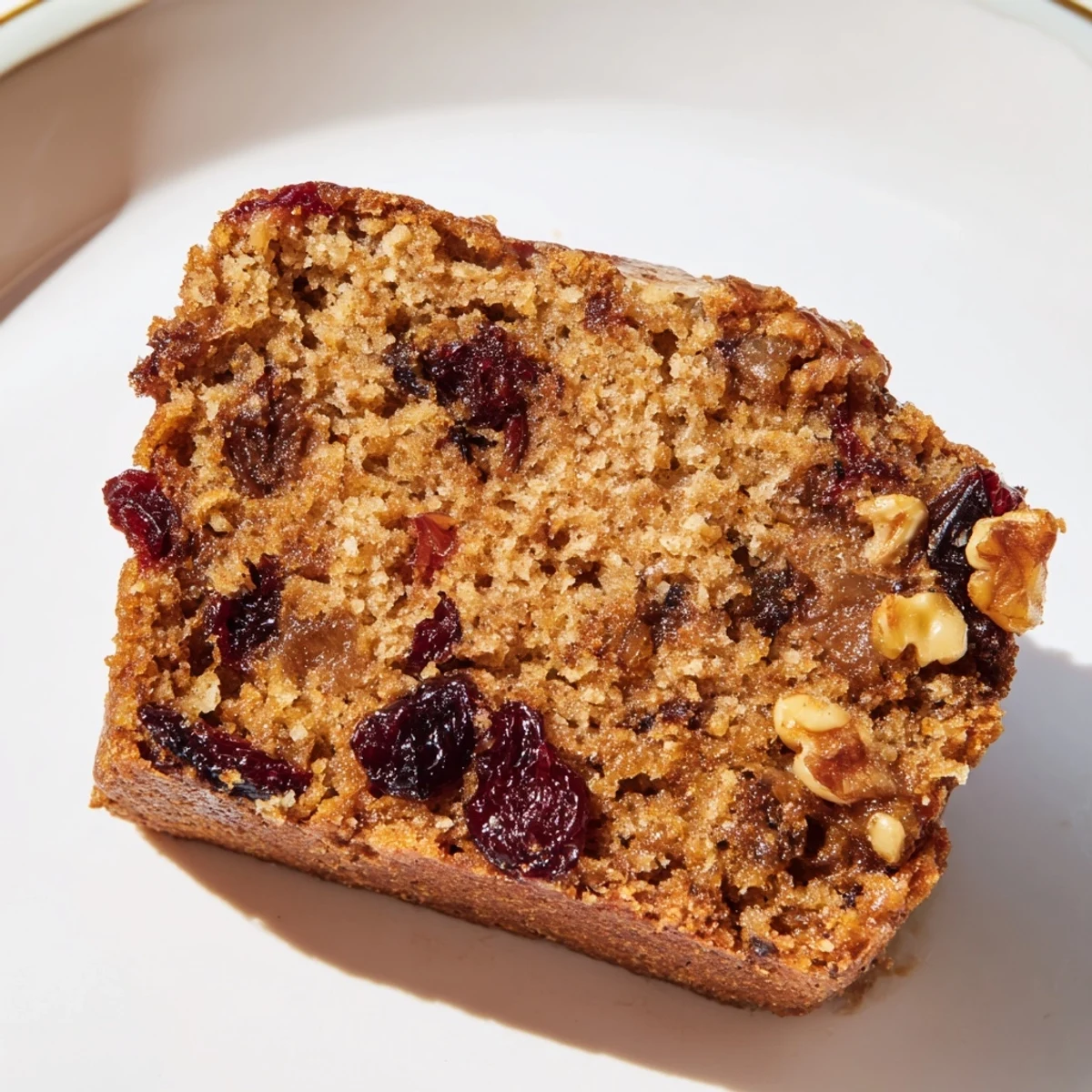
Save This cake exists in that comfortable space between simple enough for a weeknight and special enough for guests, which is exactly where a recipe should live. Once you've made it once, you'll find reasons to make it again.
Your Questions Answered
- → What spices give this cake its warm aroma?
-
The combination of ground cinnamon, ginger, nutmeg, and cloves infuses the cake with a cozy, warm aroma.
- → Can I add nuts or dried fruits to the cake?
-
Yes, chopped walnuts or pecans and raisins or dried cranberries can be folded into the batter for extra texture and flavor.
- → How can I make the cake dairy-free?
-
Replace the buttermilk with almond milk mixed with a tablespoon of lemon juice to achieve a dairy-free version without compromising moisture.
- → What baking pan size is recommended?
-
A 9-inch (23 cm) round cake pan lined with parchment or greased and floured provides ideal baking space for even cooking.
- → How can I tell when the cake is done baking?
-
Insert a toothpick into the center; it should come out clean or with a few moist crumbs when the cake is fully baked.
- → What serving suggestions complement this spiced cake?
-
Serving with spiced tea or coffee enhances the cake’s warm flavors, making it a perfect treat for cozy occasions.