
 Save
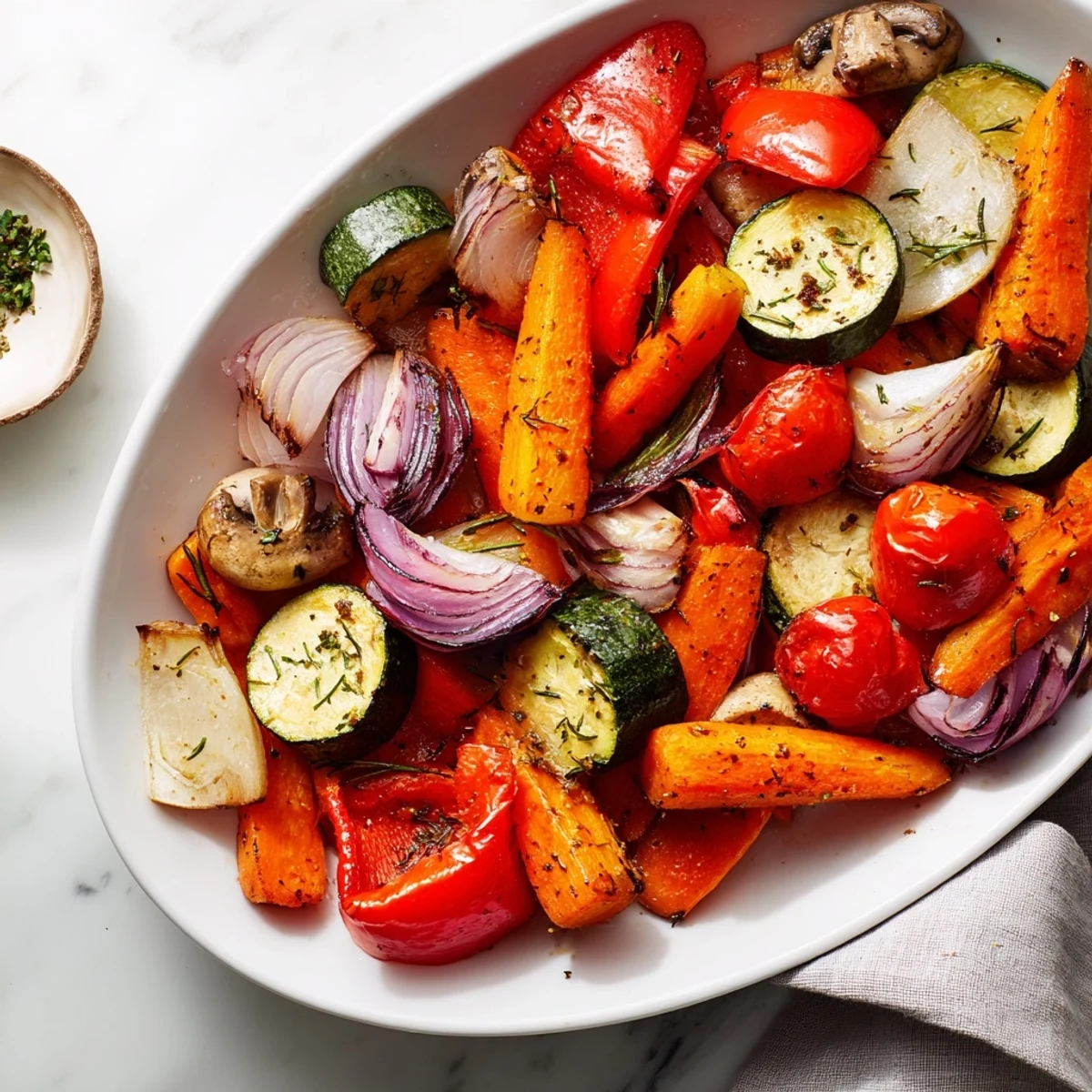
Save This dish features a colorful assortment of seasonal vegetables, including carrots, red bell pepper, zucchini, red onion, cherry tomatoes, and cremini mushrooms. They are tossed with extra-virgin olive oil, sea salt, black pepper, thyme, rosemary, and smoked paprika before being oven-roasted at 220°C until tender and caramelized. Finished with fresh parsley, this side celebrates simple, fresh ingredients and aromatic herbs for a wholesome accompaniment to any main course.
There's something almost meditative about Sunday afternoons in my kitchen, especially when I'm chopping vegetables for roasting. One fall, my neighbor brought over a bundle of carrots from their garden, and I threw them on a sheet pan with whatever else needed using—bell peppers, mushrooms, a handful of cherry tomatoes. That one tray, tossed with olive oil and herbs, became the side dish everyone asked for. Now I can't imagine a weeknight dinner without it.
I made this for a potluck once and watched people pile it onto their plates before the main course even arrived. My friend Sarah said it was the only vegetable dish she'd ever gone back for seconds on. That's when I realized roasting isn't just about getting vegetables soft—it's about letting them taste like themselves, only better.
Ingredients
- Carrots: Cut thick enough that they caramelize but stay tender inside; thin pieces disappear.
- Red bell pepper: The sweetness deepens in the oven, almost like candy if you catch the edges turning brown.
- Zucchini: Slice uniform so everything finishes at the same time, or it cooks unevenly.
- Red onion: The sharpness mellows as it roasts, turning almost silky.
- Cherry tomatoes: Halving them keeps them from rolling everywhere and helps them concentrate their flavor.
- Cremini mushrooms: These hold their shape and soak up oil like little sponges in the best way.
- Extra-virgin olive oil: This is where flavor lives—don't skimp or substitute with something lighter.
- Sea salt and black pepper: The foundation that makes vegetables taste like vegetables.
- Dried thyme and rosemary: These herbs toast alongside the vegetables and become almost nutty.
- Smoked paprika: Optional, but it adds a whisper of something that makes people ask what you did.
- Fresh parsley: Sprinkle it on just before serving so it stays bright and alive.
Instructions
- Heat your oven and prepare:
- Get your oven to 220°C (425°F) and line a sheet with parchment paper. You want everything ready so you're not fumbling once the vegetables are tossed.
- Prep and combine:
- Cut everything into roughly the same size—aim for 1-inch pieces so nothing overcooks while something else is still raw. Toss it all in a big bowl with the olive oil and seasonings, making sure every piece gets a light coating.
- Spread and roast:
- Layer everything in a single spread on your sheet, not crowded. Give them 30 to 35 minutes, stirring once at the halfway point so the edges get a chance to brown.
- Finish and serve:
- When the edges are caramelized and the insides are soft, pull everything out and scatter fresh parsley on top. The heat brings out the parsley's brightness.
 Save
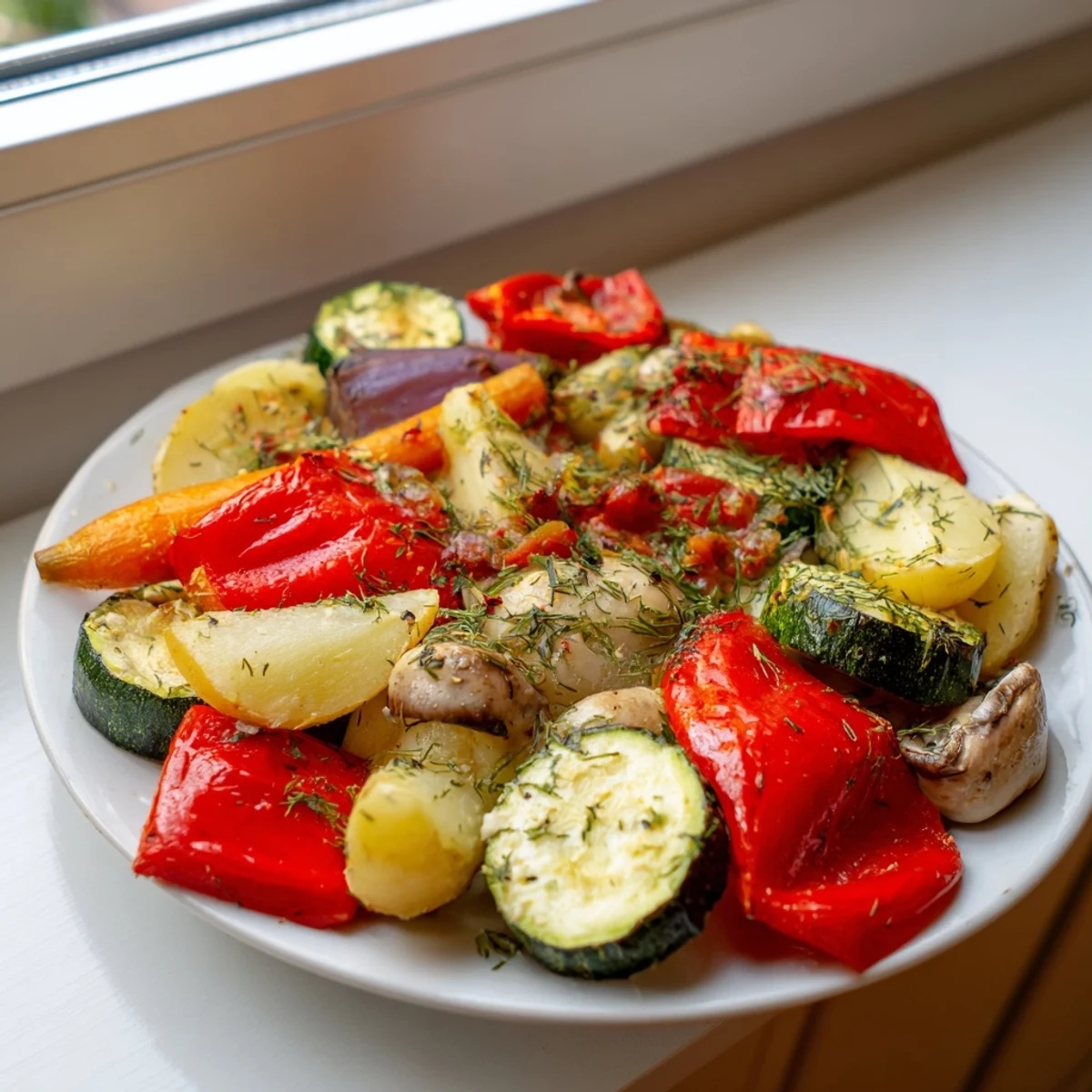
Save One evening, my teenage son actually asked for seconds of roasted vegetables. I didn't say anything, just smiled into my plate, knowing that somewhere between the thyme and the caramelization, something shifted. Food that simple, that honest, reminds me why I cook at all.
Seasonal Flexibility
The beauty of this recipe is that it bends with what's available. In winter, I swap in chunks of sweet potato and parsnips; in late summer, I add thin-cut zucchini or squash. I've even thrown in Brussels sprouts halved lengthwise, and they roasted into crispy-edged treasures. Your farmers market is the real ingredient list.
Flavor Builds Worth Trying
Once you have the basic technique down, small additions can change everything. A splash of balsamic vinegar before roasting adds depth without overwhelming. I've scattered fresh garlic slivers across the top, drizzled with tahini at the end, or even tossed the warm vegetables with a squeeze of fresh lemon. Each version tastes different, but every one comes from the same solid foundation.
Pairing and Serving
This works as a side to almost anything—grilled fish, roasted chicken, grain bowls, or even folded into a wrap with some hummus. I've found it's equally good cold the next day, which makes it perfect for lunch boxes or picnics. It's one of those dishes that quietly becomes a workhorse in your rotation.
- Serve it warm straight from the oven with the parsley still bright.
- Leftovers keep for three days in the fridge and taste even better as flavors meld.
- Toss cold vegetables with a grain like farro or quinoa for a complete meal in a bowl.
 Save
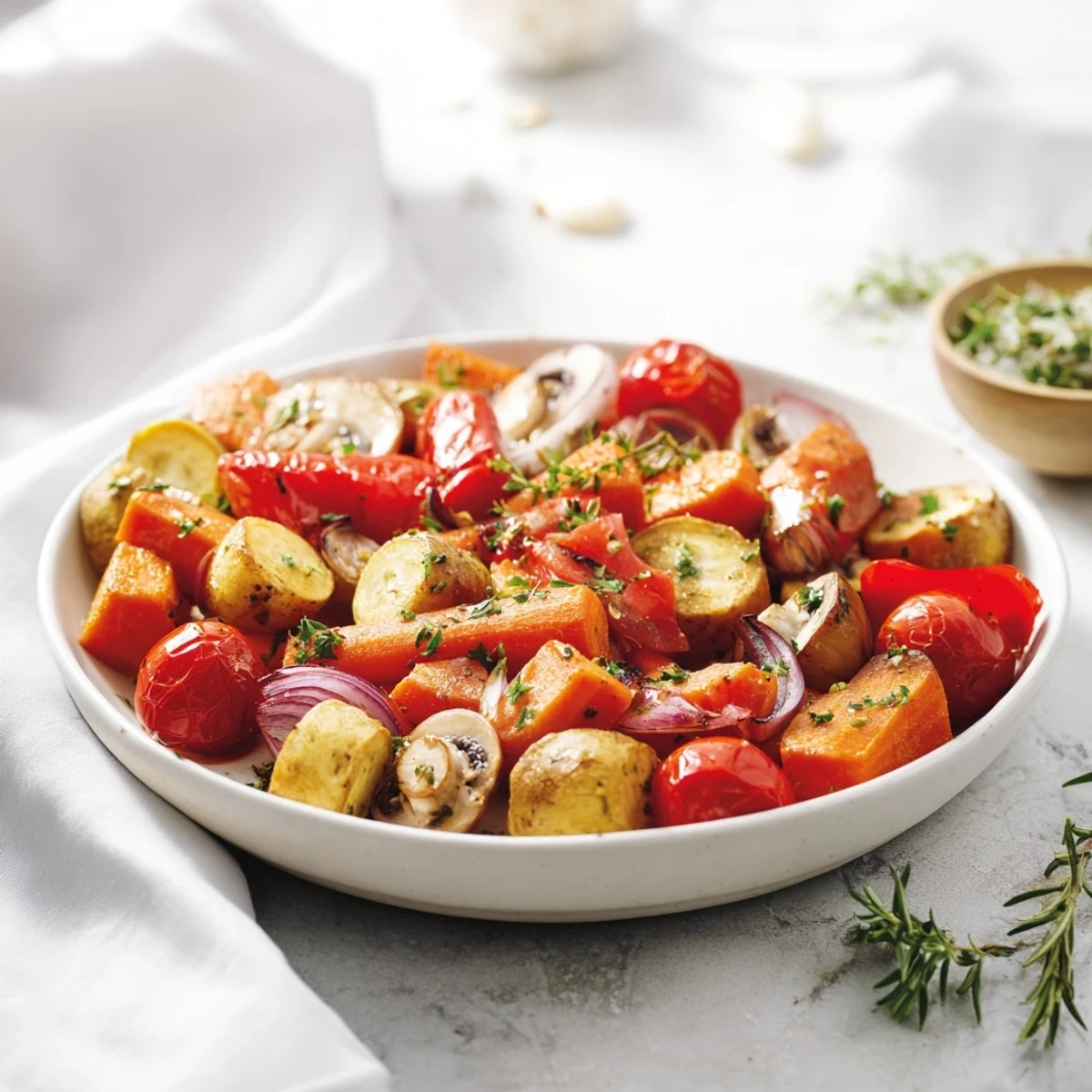
Save Roasted vegetables taught me that good cooking doesn't need to be complicated. A hot oven, seasonal produce, good oil, and time do almost all the work for you.
Your Questions Answered
- → What temperature is ideal for roasting vegetables?
-
Roasting at around 220°C (425°F) helps achieve a tender interior with caramelized edges, enhancing natural flavors.
- → Can I use other vegetables for roasting?
-
Yes, feel free to include seasonal options like sweet potatoes, parsnips, or Brussels sprouts for variation.
- → How do herbs affect the flavor profile?
-
Herbs like thyme, rosemary, and smoked paprika infuse the vegetables with fragrant, earthy, and smoky notes.
- → Is it necessary to toss vegetables halfway through roasting?
-
Stirring once midway ensures even cooking and prevents sticking or burning on one side.
- → What is the best way to ensure vegetables roast evenly?
-
Cut vegetables into uniform pieces and spread them in a single layer to promote consistent heat exposure.