
 Save
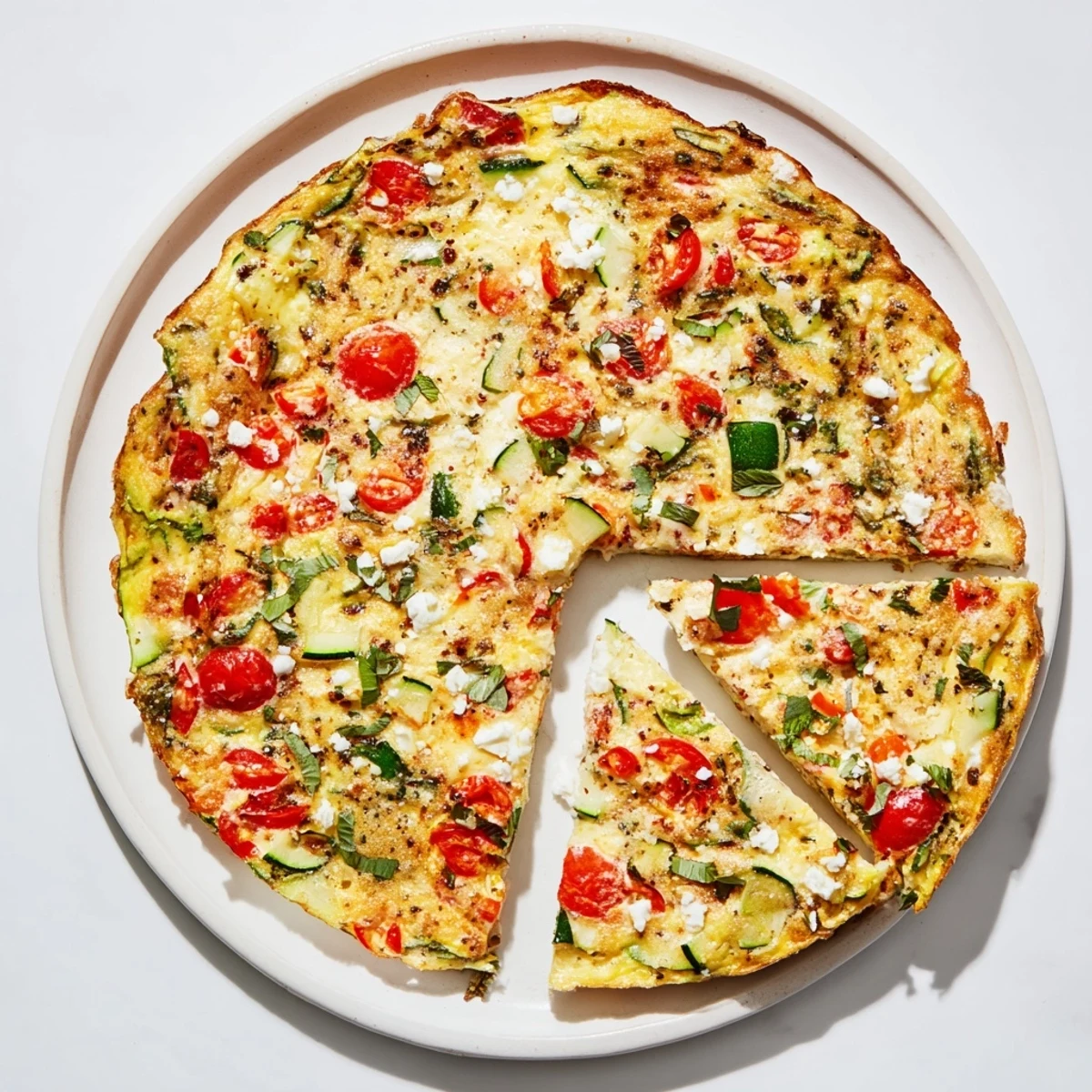
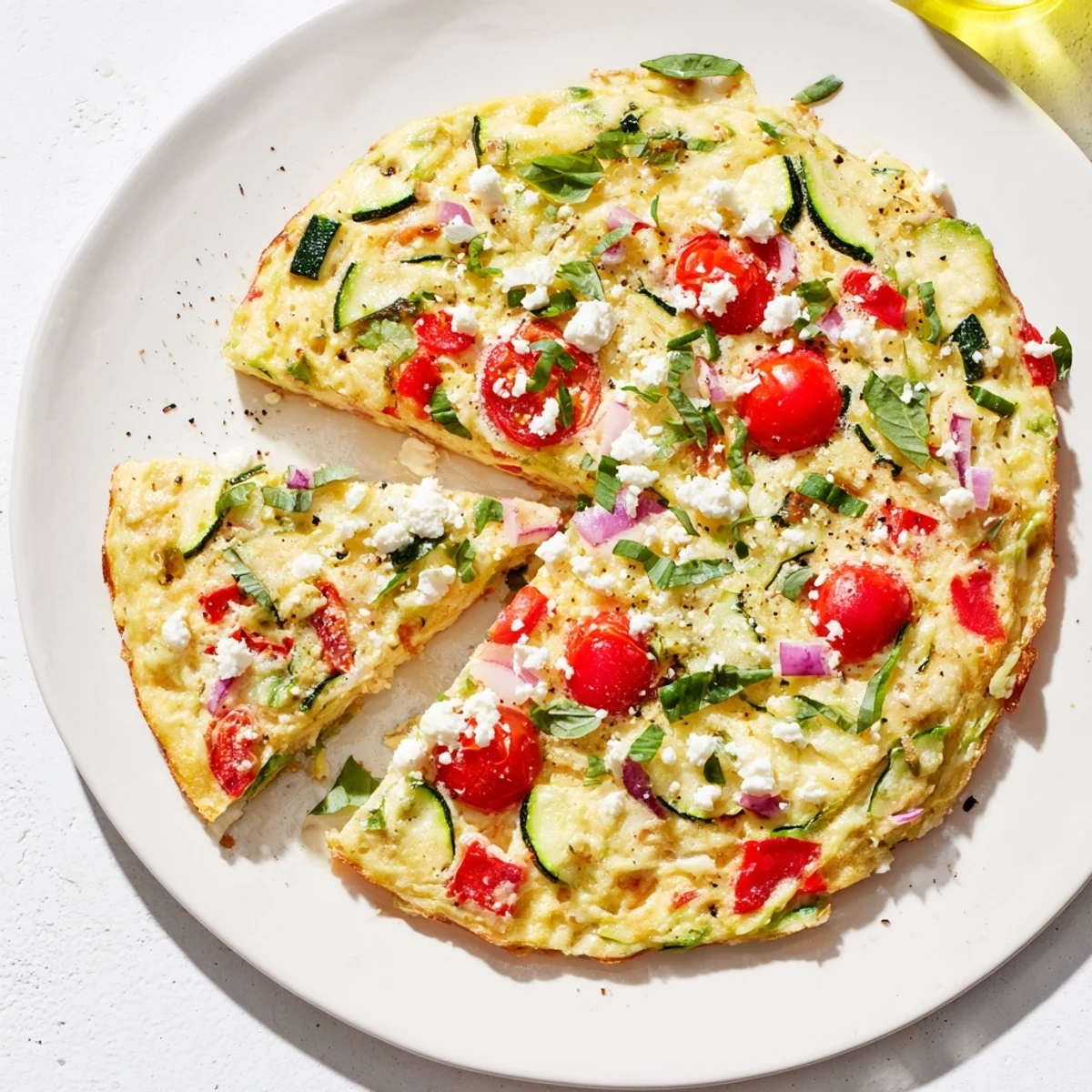
Save This Italian-style veggie frittata offers a light and fluffy egg base combined with cherry tomatoes, spinach, zucchini, and bell peppers. Enhanced with feta and Parmesan cheeses, it bakes to a golden finish and carries delicate herbal notes from basil and oregano. Ideal for breakfast, brunch, or a light dinner, it’s easy to prepare, nutritious, and adaptable with options like swapping cheeses or adding potatoes for heartiness. Pair with a crisp white wine or a fresh salad to complete this colorful dish.
There's something about a frittata that makes a Saturday morning feel less like cooking and more like a small act of kindness to yourself. I discovered this one on a whim, really—I had half a bell pepper going soft in the crisper, some spinach that needed rescuing, and an inexplicable craving for eggs that weren't scrambled. Twenty minutes later, I had something golden and tender that tasted both elegant and comforting, and I've been making it ever since.
I made this for my sister one Sunday when she mentioned feeling tired of the same breakfast routine, and watching her face when she realized it was done in under 40 minutes was worth every chop and whisk. She now texts me photos of her versions with whatever she had on hand—last week it was asparagus and sun-dried tomatoes—and it's become this lovely thread between us.
Ingredients
- Cherry tomatoes: Use ones that are ripe but still slightly firm; they'll collapse just enough to release their sweetness without turning to mush.
- Baby spinach: Fresh is better than frozen here because it wilts so quickly and won't release excess moisture into your eggs.
- Bell pepper and zucchini: Dice these small and fairly uniform so they cook through evenly and distribute throughout the frittata.
- Red onion: It adds a gentle sharpness that balances the richness of the cheese and eggs.
- Eggs: Room temperature eggs blend more smoothly, so pull them from the fridge a few minutes before whisking.
- Whole milk: This keeps the frittata tender and custardy rather than dense; don't skip it.
- Feta and Parmesan: The combination gives you both tang and nuttiness—crumble the feta by hand for better texture.
- Fresh basil: Add it just before pouring the eggs so it stays bright and doesn't turn dark.
- Olive oil: Good quality here means the vegetables taste better as they soften.
Instructions
- Get your oven ready:
- Preheat to 375°F, and while it's heating, grab your oven-safe skillet—this is important because you'll be moving it from stovetop to oven without losing a beat.
- Sauté your aromatics:
- Heat olive oil over medium heat, then add the onion and bell pepper. You want them to soften and turn translucent, about three minutes, which is when they'll start smelling impossibly good.
- Build your vegetable layer:
- Add the zucchini and let it cook for two minutes, then toss in the tomatoes and cook another two minutes. The goal is for each vegetable to be just tender but not mushy—you'll know you're there when the zucchini has lost its raw edge.
- Wilt the spinach:
- Stir it in and watch it collapse, which takes about a minute. The skillet will look full, then suddenly won't—that's the magic moment.
- Prepare your egg mixture:
- In a bowl, whisk together eggs, milk, salt, pepper, oregano, and basil until smooth and foamy. Stir in half the feta and Parmesan, then pour this mixture evenly over the vegetables, resisting the urge to stir.
- Let it set on the stovetop:
- Leave it alone for three to four minutes over medium heat until the edges start to firm up and pull slightly away from the pan. You'll see the center still jiggle when you move the skillet, and that's exactly right.
- Top and bake:
- Scatter the remaining cheese over the top, then slide the whole skillet into the oven. It needs ten to twelve minutes until the center is just set—the frittata should still have the slightest wobble in the very middle, because it will continue cooking as it cools.
- Rest and serve:
- Let it sit for five minutes, which gives it time to set completely and makes slicing cleaner. Serve warm or at room temperature, with a simple salad if you want to feel fancy.
 Save
Save This frittata became my go-to dish the week I realized I could feed four people something genuinely nutritious and beautiful while barely breaking a sweat. It reminded me that the best meals aren't always the complicated ones.
The Beauty of Vegetables Done Right
The real secret to a frittata is treating each vegetable with respect and not rushing it. When you give the onion those three minutes to soften, you're not just cooking—you're building a base of natural sweetness that holds up everything else. The zucchini gets tender without breaking apart, the tomatoes warm through and release just enough juice to flavor the eggs, and the spinach becomes silky instead of tough. It's the difference between a frittata that tastes like something you threw together and one that tastes intentional.
Why This Works for Any Occasion
A frittata is a shape-shifter. Serve it warm from the oven with a side salad and crusty bread for a leisurely brunch, slice it cold and pack it in a lunchbox, or cut it into small squares for a casual dinner with friends. I've brought it to potlucks where people were surprised it was homemade, and I've eaten it standing at my kitchen counter in my pajamas without the slightest twinge of guilt. It's fancy enough to feel like you tried, but casual enough that it never feels like a performance.
Make It Your Own
The vegetables here are just a starting point—this is where you get to play. Swap out the zucchini for asparagus, use sun-dried tomatoes instead of cherry tomatoes, toss in mushrooms or broccoli or artichoke hearts. Try goat cheese instead of feta, or skip cheese entirely if that's what you need. The structure stays the same, but the flavor changes completely depending on what you choose.
- A handful of fresh dill or chives changes the entire personality of the frittata.
- Sautéed mushrooms add an earthy depth that pairs beautifully with the eggs.
- If you want something heartier, add a handful of cooked potatoes or crispy prosciutto to the vegetable layer.
 Save
Save This frittata has quietly become one of my most-made dishes, the kind you don't brag about but absolutely rely on. It's proof that simple food made with attention tastes better than complicated food made in a rush.
Your Questions Answered
- → What vegetables are best for this frittata?
-
Cherry tomatoes, spinach, zucchini, red bell pepper, and red onion create a balanced mix of flavors and textures.
- → Can I substitute the cheeses?
-
Yes, feta can be replaced with goat cheese, or plant-based alternatives can be used for dairy-free options.
- → How do I know when the frittata is cooked?
-
The edges should be set and the center slightly golden but still tender when done baking.
- → Is this dish suitable for a gluten-free diet?
-
Absolutely, the ingredients used are naturally gluten-free, making it safe for gluten-sensitive individuals.
- → What is the best way to serve this dish?
-
Serve warm or at room temperature with a side salad or crusty bread for a complete meal.
- → Can I prepare this dish ahead of time?
-
Yes, it can be made in advance and gently reheated without losing its fluffiness or flavor.