
 Save
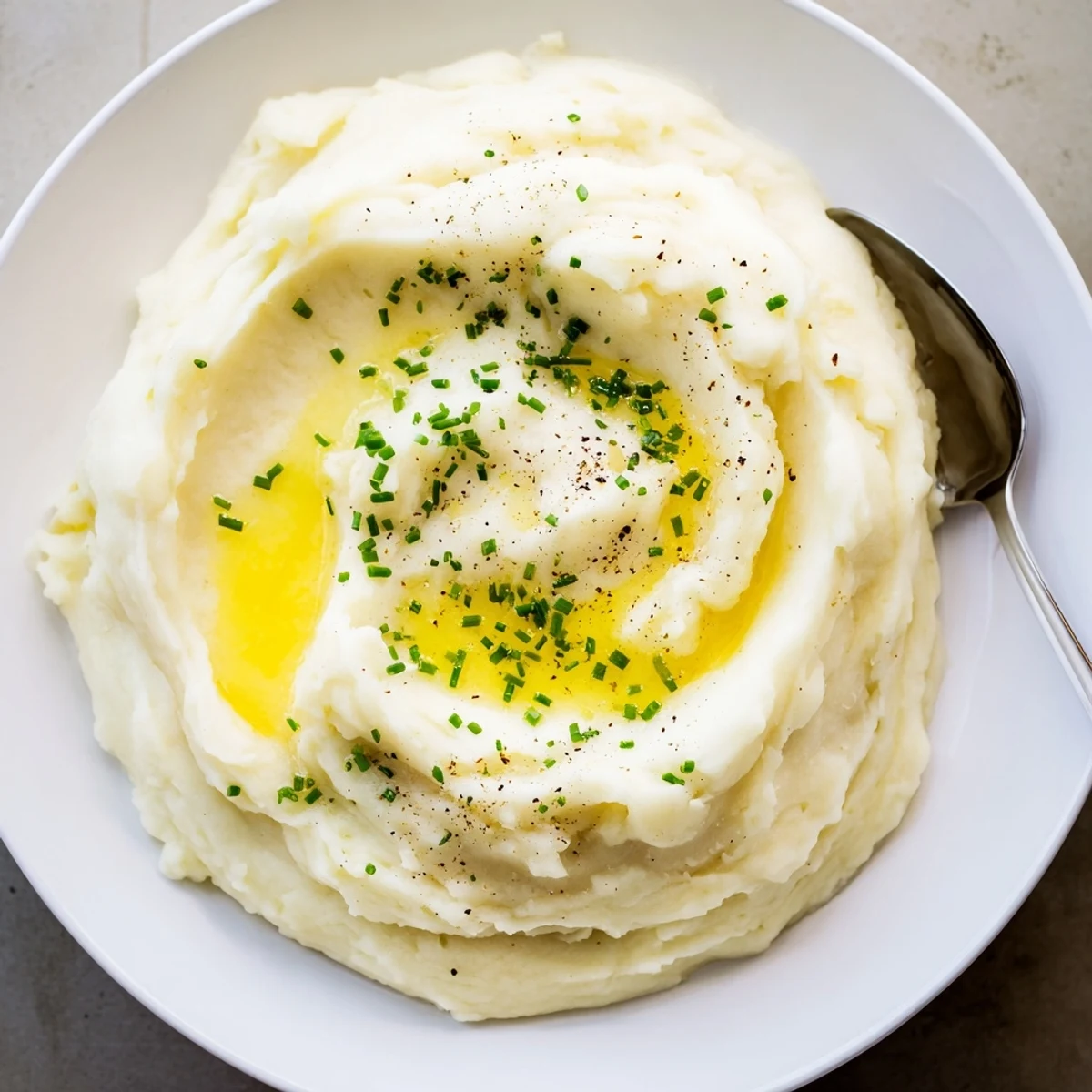
Save These velvety mashed potatoes transform humble Yukon Golds into the creamiest side dish you'll ever make. Peeled, boiled until fork-tender, then mashed until completely smooth with generous cubes of unsalted butter, warm whole milk, and a splash of heavy cream.
The trick lies in warming your dairy before adding it and letting the drained potatoes dry briefly over low heat. Season simply with kosher salt and black pepper, and you have a comforting classic that pairs beautifully with roasted meats, poultry, or a rich mushroom gravy.
The sound of a potato masher hitting the side of a worn pot is one of those kitchen noises that immediately signals home. My grandmother never measured anything when she made mashed potatoes, she just tilted the milk jug until it looked right, and they were perfect every single time. It took me years of gluey, lumpy attempts before I finally understood that the secret wasnt just in the technique but in patience and warm dairy. This recipe is the one that finally got me there.
I made these for a Friendsgiving potluck in my tiny apartment kitchen, balancing the pot on a burner that only had two settings: off and volcanic. A friend stood next to me with a fork, sneaking bites straight from the pot while I was still adding cream, and she looked at me with wide eyes and said this is the best thing you have ever made. She was right.
Ingredients
- Yukon Gold potatoes (2 lbs, peeled and chunked): These are the gold standard for mashing because their medium starch content gives you creamy results without turning gummy like Russets sometimes can.
- Unsalted butter (4 tbsp, cubed): Cubing the butter helps it melt evenly into the hot potatoes so every forkful gets the same rich coating.
- Whole milk (3/4 cup, warmed): Cold milk shocks the potatoes and makes them seize up, so always warm it gently first.
- Heavy cream (1/4 cup, warmed): This small amount of cream is the difference between good mashed potatoes and ones people will actually remember.
- Kosher salt (1 1/2 tsp plus more to taste): Potatoes need more salt than you think, and salting the cooking water is your first layer of seasoning.
- Freshly ground black pepper (1/4 tsp): A gentle finishing warmth that ties everything together without overpowering.
Instructions
- Cover and salt the potatoes:
- Place the peeled and chunked potatoes in a large pot and cover them with cold water by about one inch, then add a teaspoon of salt. Starting with cold water ensures even cooking so the outside does not turn mushy before the center is done.
- Simmer until tender:
- Bring to a boil over medium high heat, then drop it down to a gentle simmer. Cook for 15 to 20 minutes until a fork slides through the largest piece with zero resistance.
- Drain completely:
- Pour the potatoes into a colander and give them a good shake to remove every last drop of water. Any leftover moisture will water down your final texture.
- Dry them out briefly:
- Return the drained potatoes to the pot and set it over low heat for one to two minutes, stirring gently. You will see the edges start to look slightly chalky and that means the excess moisture is gone.
- Mash until smooth:
- Use a potato masher, ricer, or food mill and work through the potatoes until there are no lumps left. A ricer gives the silkiest result but a masher works beautifully if you like a bit of rustic texture.
- Fold in the butter:
- Add the cubed butter and fold it through the hot potatoes gently until every piece has melted and disappeared. Do not rush this part, the gentle folding keeps the texture light.
- Add warm liquids gradually:
- Pour in the warm milk and cream a little at a time, stirring between additions until the potatoes become silky and luxurious. Stop when it reaches your preferred consistency, some like them thick and some like them loose.
- Season and serve:
- Taste and add the remaining salt and pepper, adjusting until it sings. Serve immediately while steaming hot because mashed potatoes wait for no one.
 Save
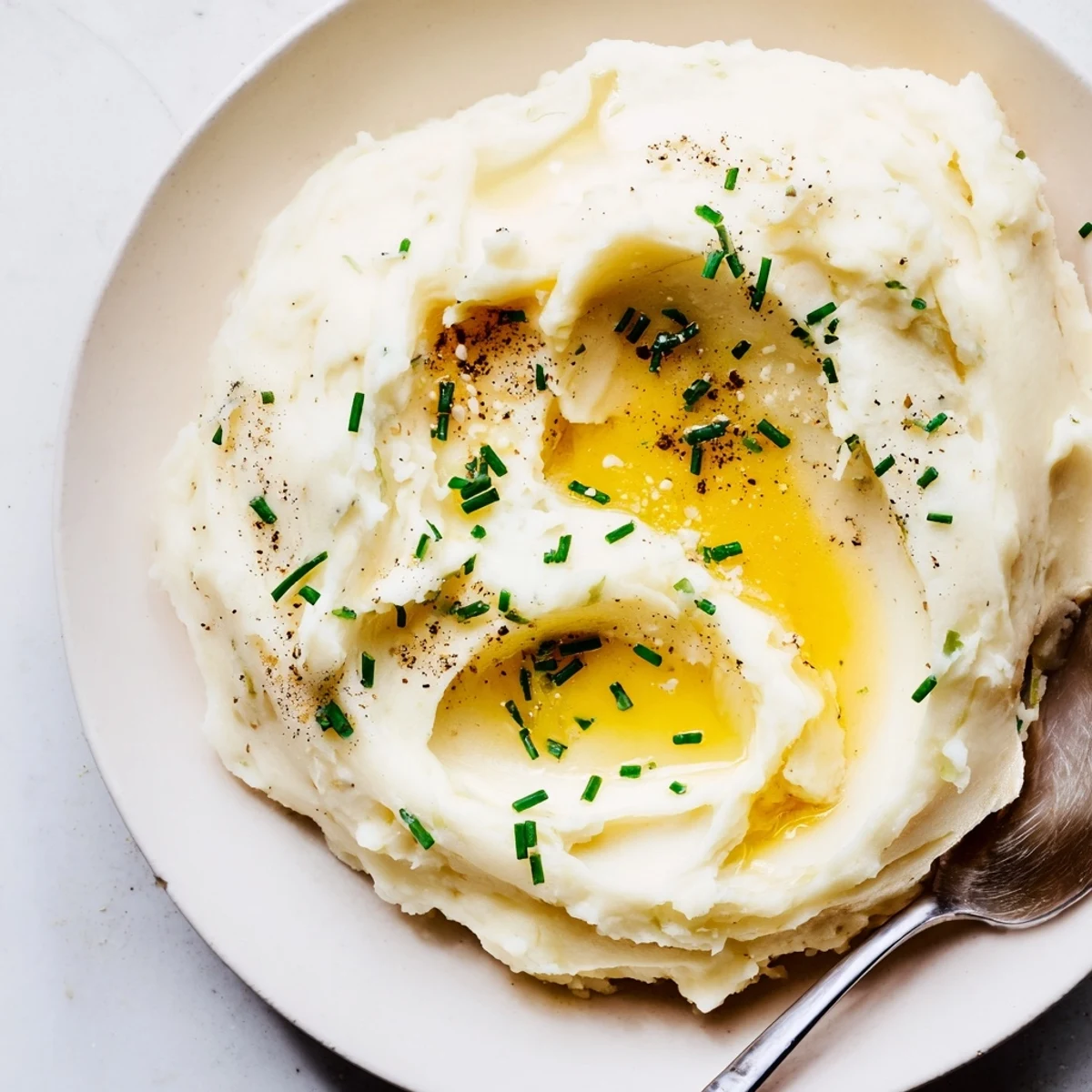
Save There is something deeply satisfying about standing over a pot of steaming potatoes with a wooden spoon, knowing you are about to make something that will make everyone at the table go quiet after the first bite.
Picking the Right Potato
Yukon Golds are my go to because they strike the perfect balance between starchy and waxy, giving you that velvety finish without requiring Herculean effort. Russets work too but they absorb more liquid and can become fluffy rather than creamy if you are not careful. Red potatoes hold their shape too well and tend to leave you with chunky results no matter how long you mash. Stick with Yukon Golds and you will not be disappointed.
Infusing the Milk for Extra Flavor
If you have an extra five minutes, drop a smashed garlic clove or a sprig of rosemary into the milk while it warms and let it steep like tea. Strain it out before pouring the milk into the potatoes and you will have a subtle savory depth that makes people wonder what your secret is. Thyme, bay leaf, or even a small piece of Parmesan rind work beautifully too.
Keeping Them Warm and Reheating
Mashed potatoes are best served immediately but life does not always cooperate with that plan. If you need to hold them, cover the pot tightly and keep it over a pot of simmering water like a double boiler for up to an hour. For reheating, add a splash of milk and stir gently over low heat until they come back to life.
- A splash of cream on top before serving makes everything look intentional and polished.
- Leftover mashed potatoes make incredible potato cakes the next morning with a little flour and an egg.
- Never reheat in a microwave on high because it creates hot spots that ruin the texture.
 Save
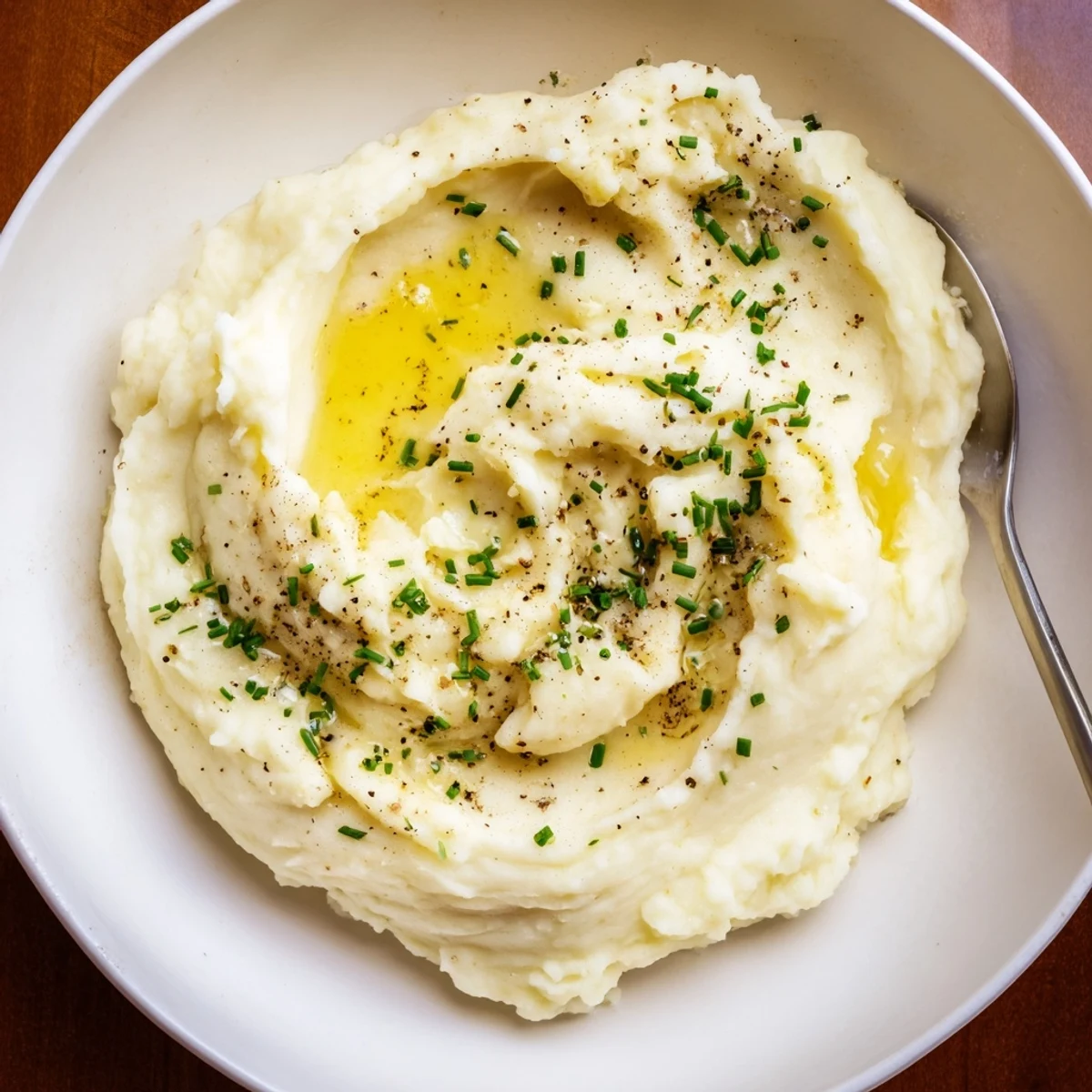
Save A bowl of perfectly mashed potatoes is one of the simplest acts of love you can offer someone, and honestly, it rarely needs anything else on the plate. Make these once and they will follow you into every kitchen and every gathering for the rest of your life.
Your Questions Answered
- → What type of potatoes work best for mashed potatoes?
-
Yukon Gold potatoes are ideal because they have a naturally buttery flavor and creamy texture. Russet potatoes also work well and produce a fluffier result. Avoid waxy varieties like red potatoes, which can become gummy when mashed.
- → Why should I warm the milk and cream before adding them?
-
Warming the dairy before incorporating it prevents the mashed potatoes from cooling down and ensures the butter melts evenly. Cold liquid can cause the butter to seize, resulting in a less smooth texture.
- → How do I avoid gummy mashed potatoes?
-
Over-mashing is the main culprit behind gummy potatoes. Use a ricer or food mill for the smoothest texture with minimal handling. Avoid using a blender or food processor, which breaks down the starches and creates a sticky, paste-like consistency.
- → Can I make mashed potatoes ahead of time?
-
Yes, you can prepare them up to two days in advance. Store in an airtight container in the refrigerator, then reheat gently in the oven at 325°F covered with foil, or on the stovetop over low heat, stirring in a splash of warm milk to restore creaminess.
- → How can I add more flavor to my mashed potatoes?
-
Try infusing the warm milk with crushed garlic cloves, fresh thyme, or bay leaves before straining it into the potatoes. Roasted garlic folded in at the end, a sprinkle of chives, or a finishing drizzle of browned butter also elevate the dish beautifully.
- → Can I make this dish dairy-free or vegan?
-
Absolutely. Substitute the butter with a quality plant-based butter and replace the whole milk and heavy cream with unsweetened oat or cashew cream. Nutritional yeast added sparingly can help replicate the savory depth that butter provides.