
 Save
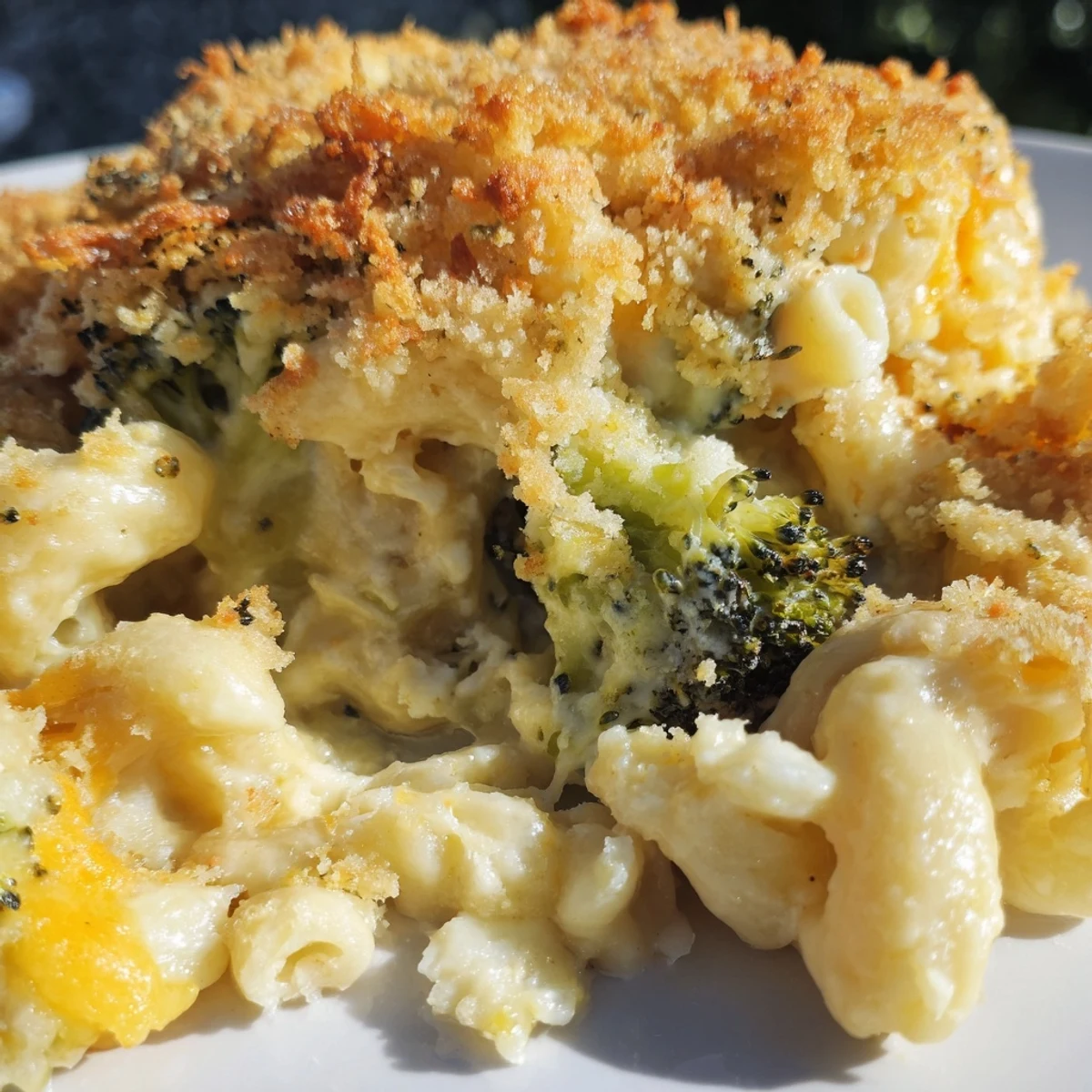
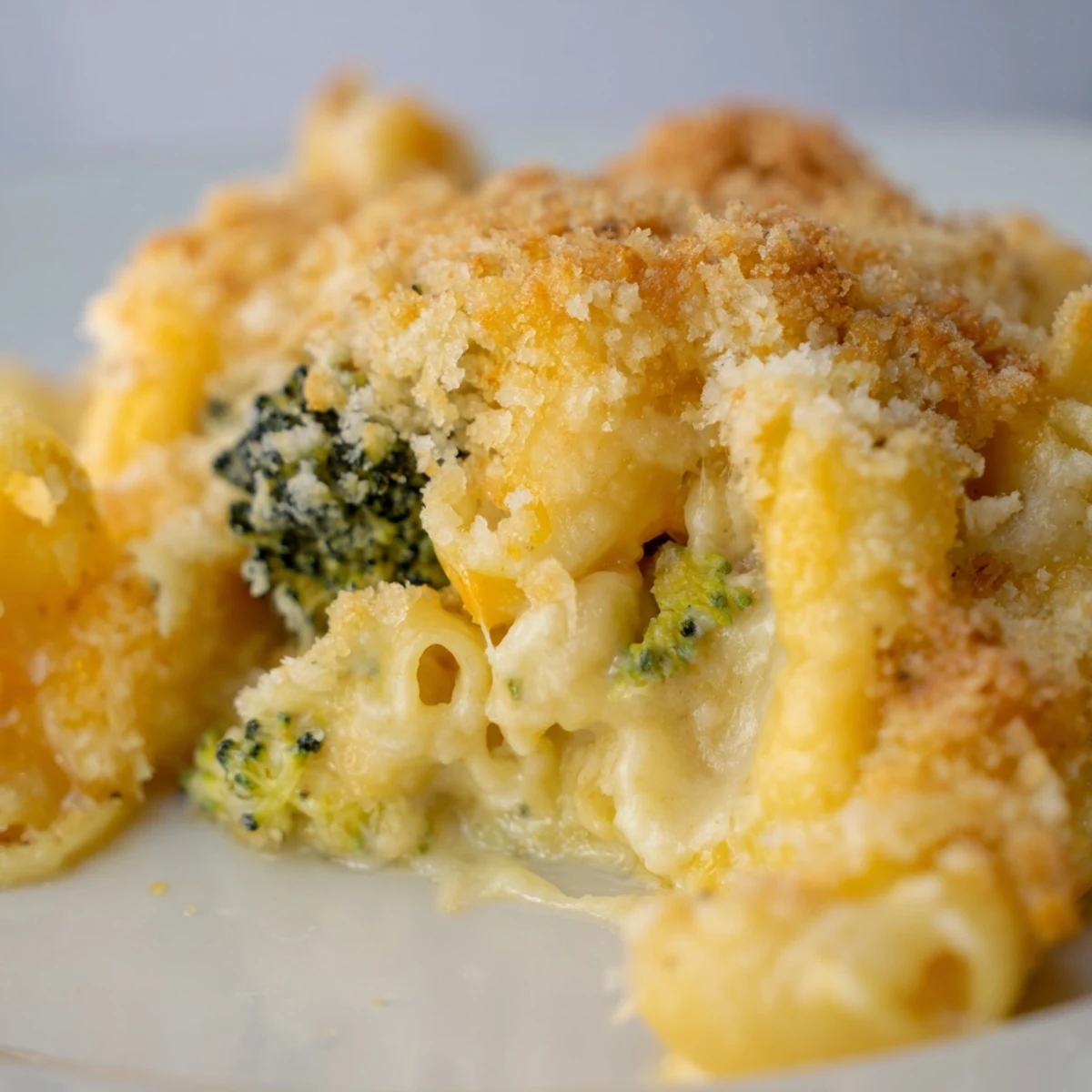
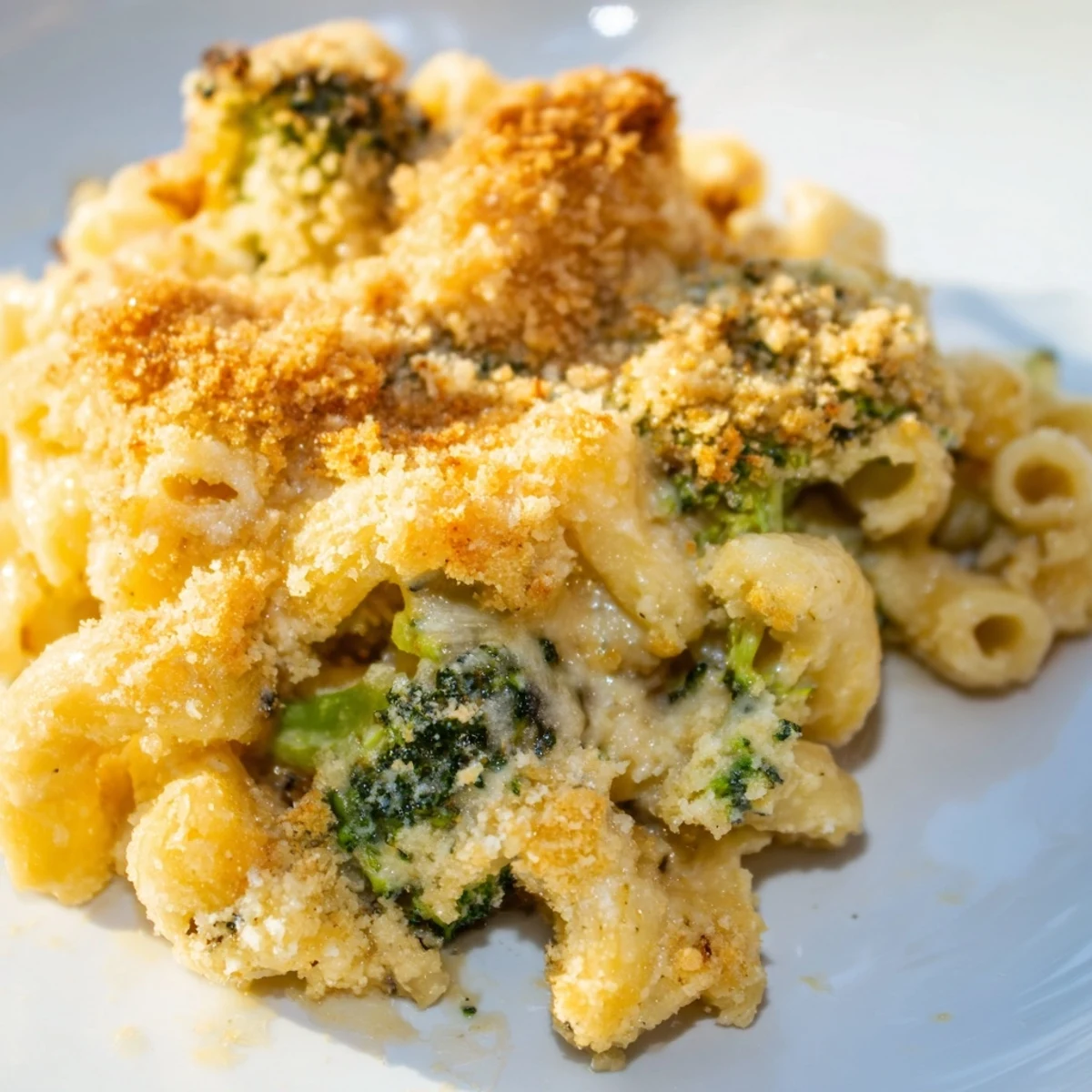
Save This comforting casserole pairs tender elbow macaroni with fresh broccoli florets, all enveloped in a rich, creamy cheese sauce made from sharp cheddar and Gruyère. Finished with a crunchy panko and Parmesan topping, it’s baked until bubbling and golden brown, perfect for cozy dinners with family or friends. The blend of spices like Dijon mustard, garlic and onion powder enhances the creamy, cheesy base, while optional additions such as cayenne or cauliflower allow versatile flavors. Simple steps and approachable technique make it an easy crowd-pleaser.
There's something about the smell of butter and flour turning golden in a saucepan that stops me mid-thought every time. One winter evening, I was standing in my kitchen trying to remember why mac and cheese had always felt like something other people made well, and I decided to rebuild it from scratch—not with that artificial packet sauce, but with real cream, real cheese, and the kind of attention that turns a weeknight dinner into something people actually want to eat. The first time I stirred in handfuls of sharp cheddar and watched it melt into silk, I understood why this dish has survived every food trend for over a century. That night, my family asked for seconds before the first bites even cooled.
I made this for my partner after a long week where neither of us had the energy to think about cooking, and watching their face when they tasted that first forkful—sauce clinging to every piece of pasta, the broccoli florets soft but still distinct—felt like I'd given them something they didn't know they needed. We ate straight from the baking dish while it was still warm enough to steam, and somewhere between third and fourth servings, they asked if I could make it again the next week. It's become our quiet comfort meal now.
Ingredients
- Elbow macaroni, 350 g (12 oz): Use the shape that holds sauce—tiny tubes catch everything and won't slide off your fork.
- Broccoli florets, 300 g (10 oz): Fresh is better than frozen here because you're cooking it briefly, so it stays bright green and firm.
- Unsalted butter, 60 g (4 tbsp): The foundation of your sauce; salted butter will make the seasoning unpredictable.
- All-purpose flour, 40 g (1/3 cup): This is your thickener—don't skip it or you'll have cheese soup instead of cheese sauce.
- Whole milk, 720 ml (3 cups): Not skim, not half-and-half; whole milk is the honest middle ground that gives you creamy without being heavy.
- Sharp cheddar cheese, 200 g (2 cups), shredded: Aged cheddar has flavor that doesn't get lost in the cooking—mild won't stand up.
- Gruyère or mozzarella cheese, 100 g (1 cup), shredded: This melts smoothly and adds richness; Gruyère if you want earthy depth, mozzarella if you prefer it mild.
- Dijon mustard, 1 tsp: A secret ingredient that amplifies the cheese flavor without tasting like mustard.
- Garlic powder, 1/2 tsp and onion powder, 1/2 tsp: These layers taste like you spent hours developing flavor, not 30 minutes.
- Nutmeg, 1/4 tsp: A tiny pinch that somehow makes the whole thing sing—don't be tempted to add more.
- Salt and black pepper, to taste: Taste as you go because every milk brand and cheese varies.
- Panko breadcrumbs, 50 g (1/2 cup): Coarser than regular breadcrumbs, so they stay crispy instead of turning soggy.
- Parmesan cheese, 30 g (1/4 cup), grated: This adds a salty, toasted note to the crust.
- Olive oil or melted butter, 1 tbsp: What makes the panko topping actually brown instead of sit there pale and sad.
Instructions
- Heat your oven and prepare the dish:
- Preheat to 190°C (375°F) and grease your baking dish—this matters because the edges crisp up differently if there's butter touching the ceramic. If you use a smaller dish, your mac will be deeper and need an extra 5 minutes; if it's wider, watch it carefully after 20 minutes.
- Cook the pasta and broccoli:
- Boil salted water—it should taste like the sea—then cook the macaroni 2 minutes short of the package time because it will soften further in the oven. In the final 2 minutes, toss in the broccoli florets so they're barely tender but still have a slight snap; they'll continue cooking gently in the sauce and oven heat.
- Build the sauce foundation:
- Melt butter over medium heat, then whisk in flour and let it bubble gently for 1–2 minutes until it smells toasted and turns light golden. This mixture, called a roux, is what prevents lumpy sauce and gives it body.
- Create the creamy base:
- Add milk gradually while whisking constantly—think of it like meditation, not a rush—because quick pours create lumps that are hard to recover from. Keep whisking for about 5 minutes until the mixture is smooth, thick enough to coat the back of a spoon, and the raw flour taste is gone.
- Melt in the cheese and seasonings:
- Remove from heat first, then stir in both cheeses, mustard, spices, salt, and pepper, letting everything melt together into something glossy and cohesive. Taste it; you're looking for a sauce that's bold enough to be interesting but not sharp enough to make anyone squint.
- Combine and transfer:
- Fold the drained pasta and broccoli into the warm sauce with a gentle hand so nothing breaks, then pour the whole thing into your baking dish. Stir once more to make sure every piece of pasta is coated.
- Add the crust:
- Mix panko, Parmesan, and oil in a small bowl until the breadcrumbs are lightly coated, then scatter them evenly over the top. The oil is essential—dry breadcrumbs will absorb moisture and turn gummy.
- Bake until golden:
- Bake for 20–25 minutes; you want the edges bubbling visibly and the top a deep golden brown that looks almost crispy. If it's still pale at 20 minutes, give it another few, but don't let it go past 30 or the edges will burn while the center stays creamy.
- Rest before serving:
- Let it sit for 5 minutes out of the oven so the sauce sets slightly and you won't end up with a puddle on your plate. This is the hardest part because it smells incredible and you're hungry.
 Save
Save A few months ago, my nephew came home from college and said this was the only thing he missed eating in the dining hall, and I realized that comfort food isn't about being fancy—it's about being made with enough care that it tastes like someone believes you deserve something warm and good. That's what this dish has become in our house.
Why This Dish Works Every Time
The magic here is understanding that a baked mac and cheese is really three things working together: a properly cooked pasta that's slightly underdone, a sauce that's thick enough to cling but loose enough to flow, and a topping that adds contrast. Most failures happen because people try to save time and skip the proper sauce base, which means they end up with something broken or too thin. The broccoli is almost invisible, just there to add nutrition and a subtle sweetness that balances the sharp cheese; it's not the star, it's the supporting actor that lets the cheese shine.
Variations and Additions
Once you understand how this works, you can shift things slightly. Some people add crispy bacon or diced ham for richness, some throw in spinach at the last moment, and I once made it with roasted cauliflower instead of broccoli for someone who was being picky about vegetables. The sauce base stays the same; you're just changing what goes into it. If you want it spicier, a small pinch of cayenne in the seasoning step works better than adding it after, so it distributes evenly. For a sharper bite, use aged white cheddar instead of orange cheddar, or mix in a tablespoon of sharp aged Gouda for complexity.
Serving and Storage
Serve this straight from the oven with something crisp on the side—a salad with sharp vinaigrette cuts through the richness and makes you feel less guilty about having seconds. A glass of dry white wine like Chardonnay somehow makes the whole experience feel intentional instead of indulgent, even though you're eating what is fundamentally pasta and cheese. Leftovers keep in the fridge for 3 days in an airtight container, and they reheat beautifully in a 160°C (320°F) oven covered with foil for 15 minutes until warmed through—the top won't be as crispy the second time, but the sauce stays creamy and forgiving.
- Never try to reheat in the microwave unless you enjoy rubber texture and exploding cheese.
- If you're cooking for a crowd, this recipe doubles easily and bakes in the same time, just watch it after 20 minutes.
- Leftovers can also be stirred into a shallow baking dish and broiled for 3 minutes if you want crispy edges again.
 Save
Save This is the kind of recipe that disappears from the table and asks to be made again, the kind that feels like care in a bowl. Every time you make it, you're a little faster, a little more confident, and the results keep getting better.
Your Questions Answered
- → How do I prevent the pasta from becoming mushy?
-
Cook the macaroni for 2 minutes less than the package instructions and add broccoli towards the end of boiling to maintain firm texture.
- → Can I substitute the broccoli with another vegetable?
-
Yes, cauliflower works well as a substitute and pairs nicely with the cheese sauce and pasta.
- → What cheeses give the best flavor in this dish?
-
Sharp cheddar and Gruyère provide a rich and balanced cheese sauce with depth and creaminess.
- → How can I achieve a crispy, golden topping?
-
Mix panko breadcrumbs with Parmesan cheese and olive oil or melted butter, then sprinkle evenly before baking.
- → Is there a way to add a subtle heat to the dish?
-
Adding a pinch of cayenne pepper to the cheese sauce can introduce a gentle spicy kick without overpowering the flavors.