
 Save
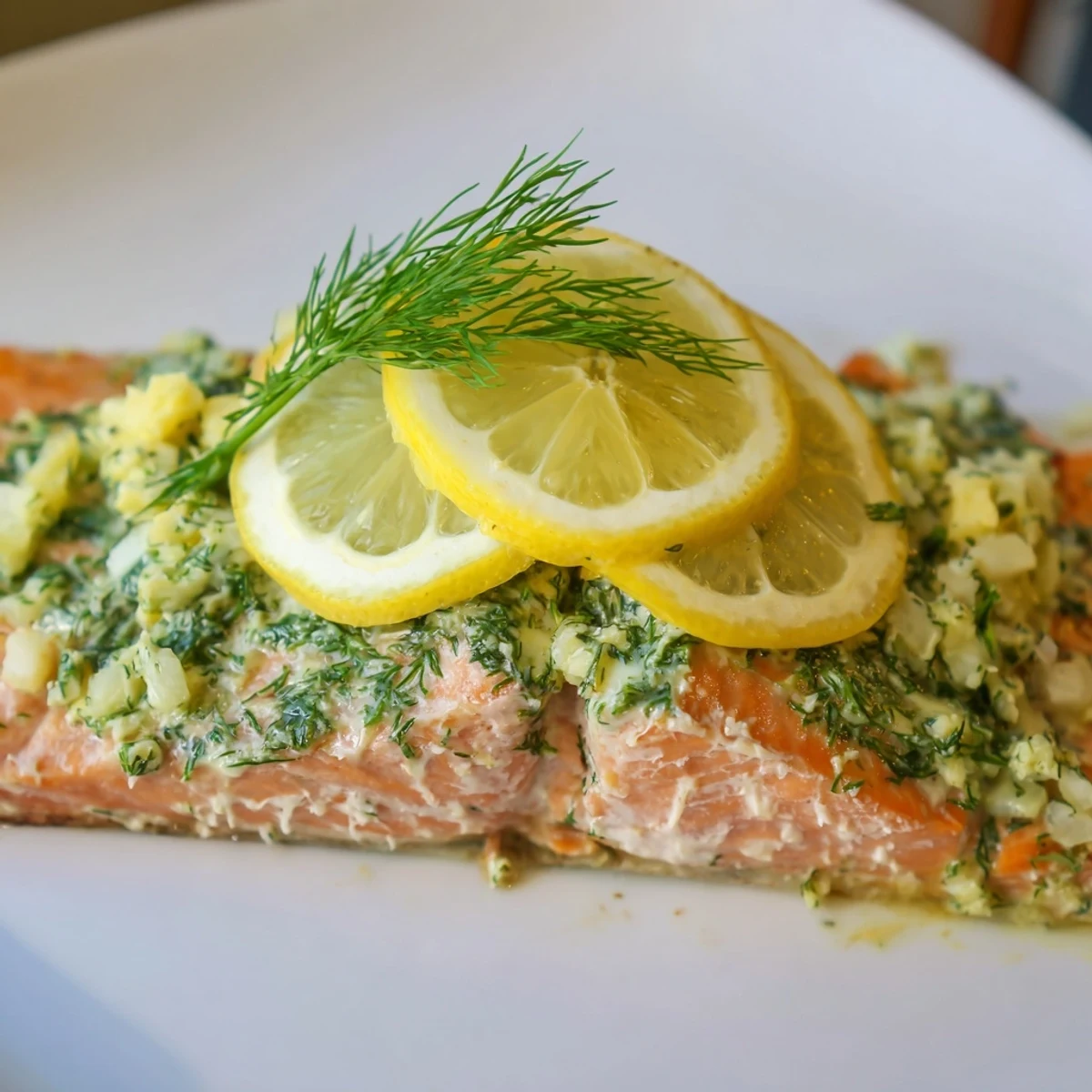
Save This dish features succulent salmon fillets baked to perfection under a rich, homemade compound butter infused with fresh dill, garlic, and zest. It offers a quick, healthy, and flavorful main course option ready in under 30 minutes, ideal for simple weeknight dinners or elegant occasions.
My neighbor knocked on the door one spring evening with a bag of fresh dill from her garden, insisting I had to try making salmon with it that same night. I'd never worked with dill butter before, but something about her enthusiasm made me dig out a fillet from the freezer and get to work. Twenty minutes later, we were both sitting at my kitchen table with plates of the most tender, buttery salmon either of us had eaten in years. That moment taught me that sometimes the best dishes come not from planning, but from saying yes to an unexpected ingredient and a friend's conviction.
I've made this for my sister after she mentioned wanting to eat healthier, and watching her face light up when she realized something this good for her body could also taste this good was worth every minute in the kitchen. It's become the dish I reach for when I want to impress without stress, or when I'm cooking for someone I care about and want them to feel seen.
Ingredients
- Salmon fillets: Four pieces at about 150 grams each are the sweet spot—substantial enough to feel like a proper meal, whether you keep the skin on for texture or remove it based on preference.
- Unsalted butter: Softened butter is your foundation; make sure it's not melted or it won't blend smoothly with the aromatics.
- Fresh dill: This is where the magic lives—finely chop it just before mixing to keep the flavor bright and grassy rather than musty.
- Garlic clove: One small clove, minced fine, adds a gentle savory note without overpowering the delicate fish and herb.
- Lemon zest: Fresh zest brings citrus brightness that feels alive on the palate; a microplane grater gives the finest texture.
- Sea salt and black pepper: Season the butter generously—it's your chance to build flavor before anything hits heat.
- Lemon slices and fresh dill for garnish: These aren't just pretty; they add a fresh burst of acid and herb that brightens each bite.
Instructions
- Heat your oven and prepare the stage:
- Set your oven to 200°C and line a baking sheet with parchment paper—this small step means easy cleanup and nothing sticking. The parchment also helps the salmon cook evenly by preventing any spots that might scorch.
- Make the dill butter compound:
- In a small bowl, fold together the softened butter, fresh dill, minced garlic, lemon zest, salt, and pepper until it looks like pale green frosting. Take your time and make sure everything is evenly distributed so each spoonful tastes the same.
- Ready the salmon:
- Pat your fillets completely dry with paper towels—this step matters more than it sounds, because any moisture on the surface keeps the butter from adhering properly and the fish from browning. Lay them skin-side down on your prepared sheet.
- Spread the butter with intention:
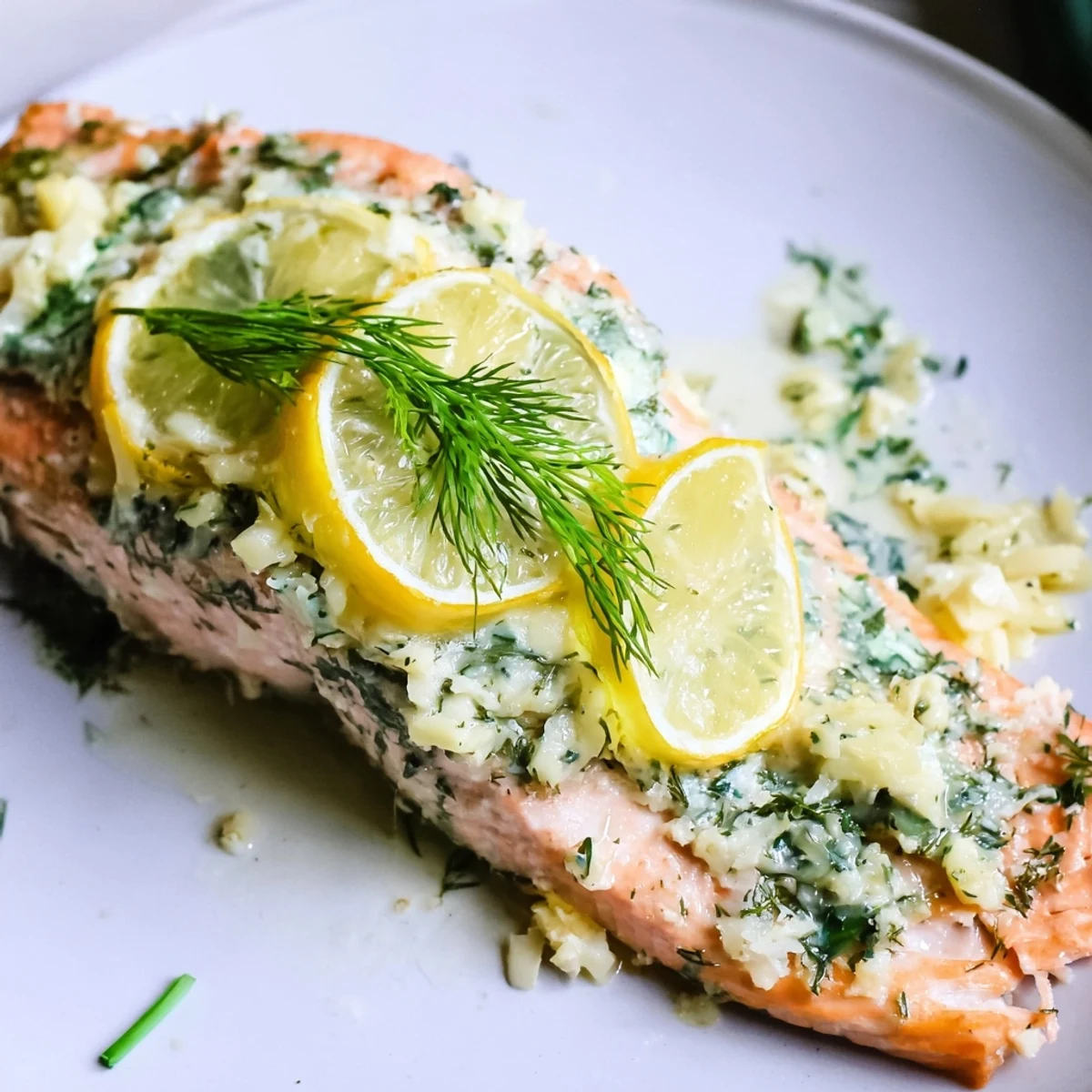
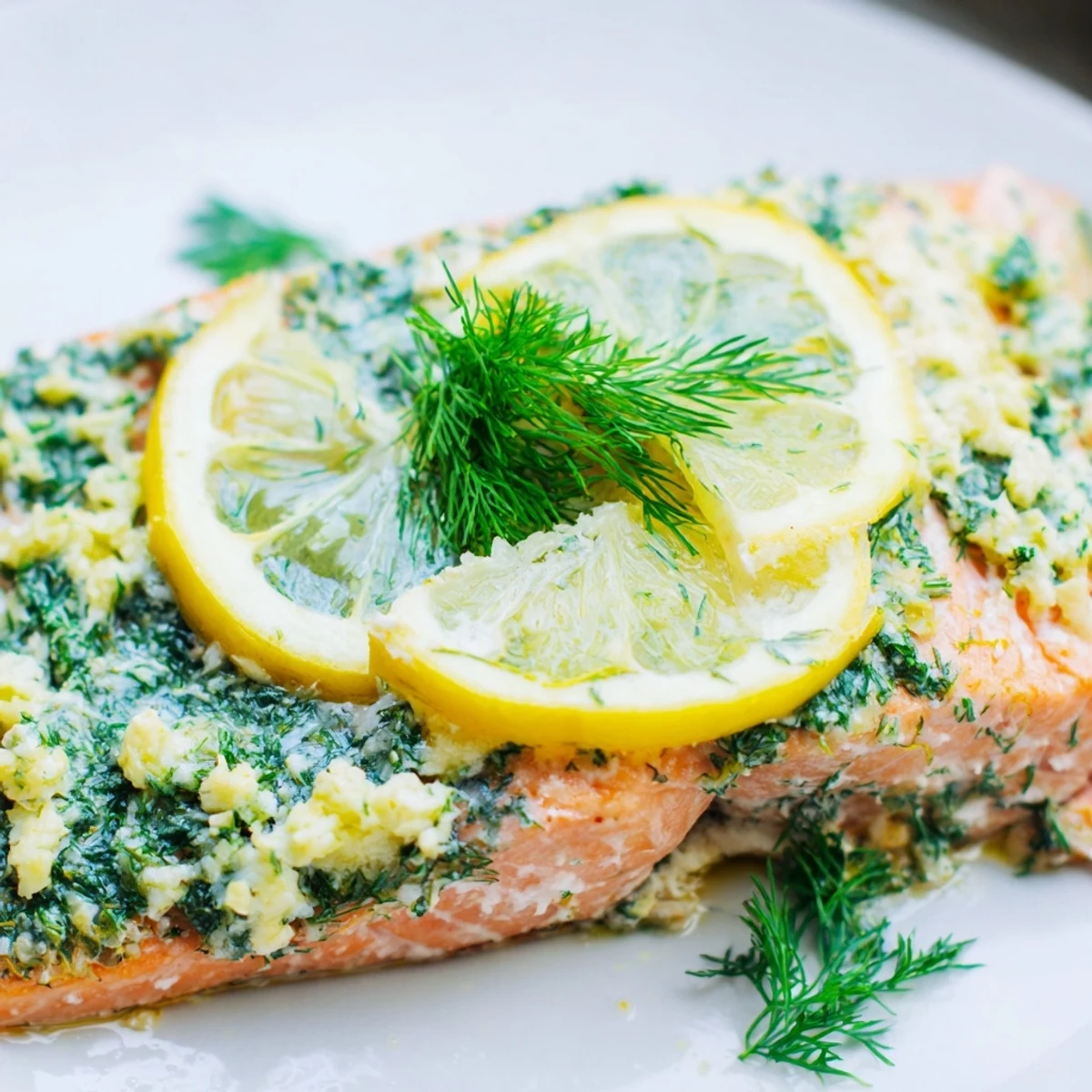
- Divide the dill butter evenly among the fillets, spreading it gently across the top of each one. You want a generous layer that will melt into the fish and keep it moist, not a thin scraping.
- Top with lemon:
- Lay a couple of thin lemon slices on top of each fillet. These will infuse the salmon as it cooks and add a subtle brightness you'll taste in every bite.
- Bake until just cooked through:
- Slide the sheet into your preheated oven and bake for 15 to 18 minutes—you're looking for the moment when the salmon flakes gently with a fork and the internal temperature hits 63°C. Remove it the moment it looks done; overcooked salmon becomes dry and loses the tender texture that makes this dish sing.
- Plate and finish:
- Transfer each fillet to a warm plate, garnish with fresh dill sprigs, and serve with lemon wedges on the side so people can adjust the brightness to their taste.
 Save
Save The first time someone asked me to make this again specifically, I realized it had become more than just dinner—it was the meal I made when I wanted to show someone they mattered. There's something about the combination of care in the preparation and the natural elegance of the result that transforms a simple baked fish into a small act of hospitality.
Building Flavor in the Butter
The dill butter is where this dish gets its personality, and it's worth taking a moment to understand why each element matters. The butter itself carries the flavors, the dill brings herbaceous freshness, the garlic adds depth, the lemon zest brings brightness without the liquid acidity of juice, and the salt and pepper tie everything together. If you make this butter in advance, keep it at room temperature so it spreads evenly, or let it soften for a few minutes if you've refrigerated it.
Choosing Your Salmon
The quality of your salmon matters more than you might think, but you don't need the most expensive option at the market—just look for fillets that are firm, with flesh that springs back when you press it gently. Skin-on fillets have more flavor and the skin crisps slightly at the edges as the butter melts, but skinless fillets are just as delicious and make for easier eating.
Time and Temperature
Baking salmon at a moderate heat means it cooks through gently without drying out, and the dill butter has time to infuse the flesh rather than just sit on top. The exact time depends on how thick your fillets are and how cold they were when you started, so keep an eye on them after the 15-minute mark. If you want to serve this with sides, roasted vegetables or a simple green salad are perfect companions—nothing that competes with the delicate fish and bright herb flavors.
- For a richer dish, brush the baking sheet with a little olive oil before laying down the salmon so it picks up a subtle nuttiness.
- If you have white wine on hand, pour a small splash around (not on) the fillets before baking for an added layer of depth.
- Leftover dill butter keeps in the fridge for three days and transforms simple vegetables, pasta, or grilled chicken with the same magic.
 Save
Save This salmon has become my answer when someone asks what to cook for an important meal but doesn't have much time. It reminds me every time I make it that food doesn't have to be complicated to be memorable.
Your Questions Answered
- → How do I know when the salmon is fully cooked?
-
The salmon is done when it flakes easily with a fork and the internal temperature reaches 63°C (145°F).
- → Can I use frozen salmon fillets?
-
Yes, thaw the fish completely in the refrigerator overnight and pat it dry before applying the butter mixture.
- → What side dishes pair well with this?
-
This salmon pairs excellently with roasted potatoes, steamed green vegetables like asparagus, or a fresh arugula salad.
- → Can I substitute the butter for a dairy-free option?
-
Use a high-quality plant-based butter alternative to create a dairy-free version of the dill butter topping.
- → How long can I store the leftovers?
-
Leftover cooked salmon can be stored in an airtight container in the refrigerator for up to 2 days.