
 Save
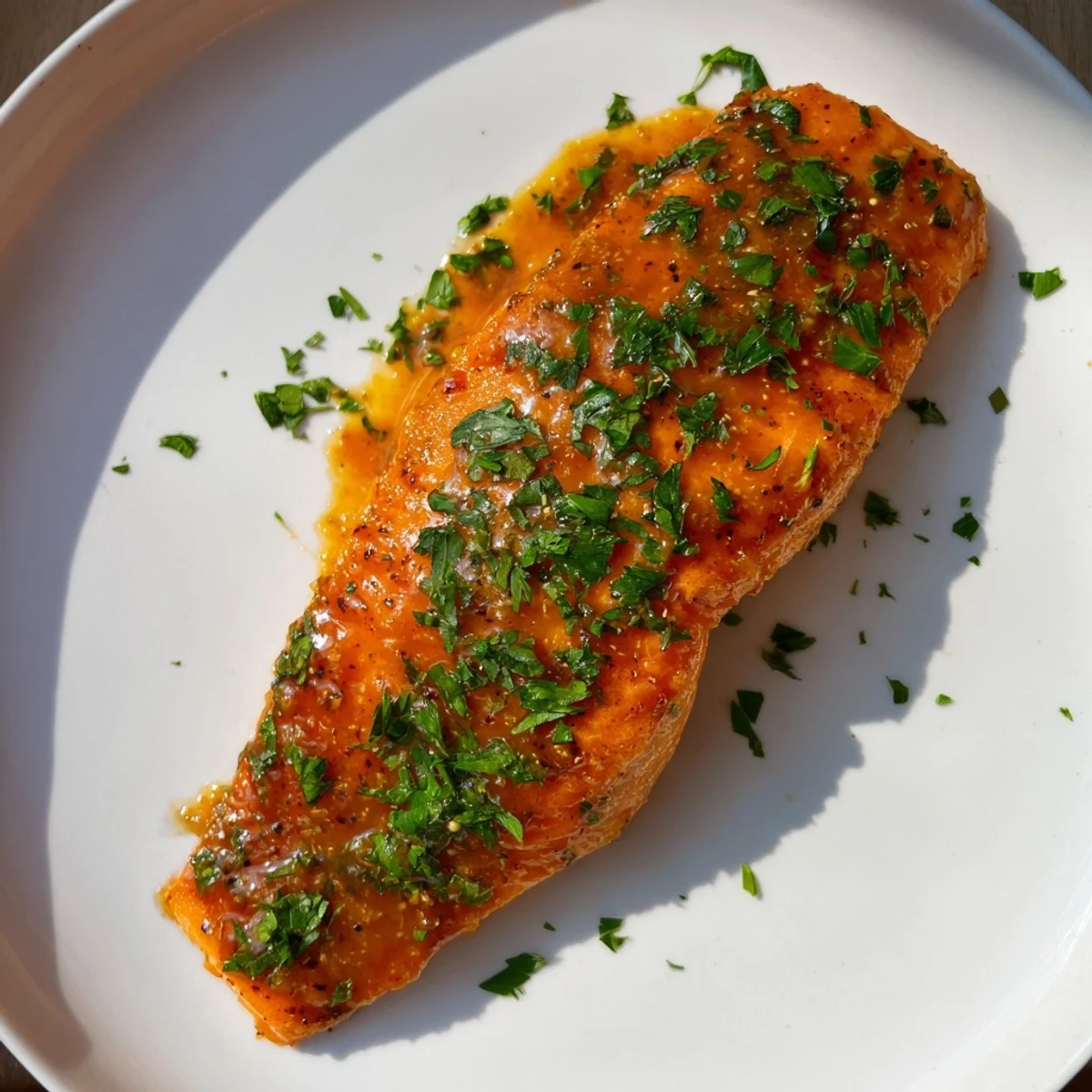
Save This dish features tender, flaky salmon fillets brushed with olive oil and seasoned simply with salt and pepper. A smooth honey mustard glaze made from Dijon and whole grain mustards, honey, lemon juice, and minced garlic adds a bright, tangy-sweet layer of flavor. The salmon is baked at 400°F until perfectly cooked through and flaky, then garnished with fresh herbs and served with lemon wedges. It pairs wonderfully with roasted vegetables or a crisp salad for a wholesome, nourishing meal.
I still remember the first time I realized salmon didn't have to be complicated. It was a weeknight when my sister called asking for dinner advice, and I found myself reaching for a salmon fillet and whatever was in my pantry. That's when I discovered that the simplest approach often yields the most elegant results. A slick of honey mustard, a hot oven, and fifteen minutes later, I understood why this dish has become my go-to when I want to feel like I've done something impressive without the stress.
I'll never forget cooking this for my parents when they were visiting and openly skeptical about my "cooking skills." My dad took one bite of that honey mustard glaze and asked for seconds before I'd even sat down. That's when I knew this recipe was special—it converts even the most suspicious dinner guests into believers.
Ingredients
- Salmon fillets (4, about 6 oz each): Look for bright color and firm flesh. Skinless fillets are easier to work with, and this weight ensures they cook evenly without drying out at the edges
- Olive oil: A good quality oil helps everything cook gently and adds richness. Don't skip this step—it's what keeps the salmon tender
- Salt and black pepper: Season generously before the glaze goes on. You're building layers of flavor here
- Dijon mustard: This is your flavor foundation. It adds sophistication and tang that honey alone can't provide
- Honey: The sweet counterpart that balances the mustard's bite and helps create that gorgeous caramelized top
- Whole grain mustard: Optional, but it adds texture and prevents the glaze from being too smooth and glossy
- Fresh lemon juice: This brightens everything. Fresh lemon makes all the difference—bottled just isn't the same
- Garlic: One clove minced into the glaze adds depth without overwhelming the delicate salmon
- Fresh parsley or dill: A handful scattered on top just before serving adds freshness and makes it look like you really know what you're doing
Instructions
- Set your stage:
- Preheat your oven to 400°F and line a baking sheet with parchment paper. This takes just a moment, but it's the difference between salmon that releases easily and salmon that sticks. Trust me on this.
- Prepare your salmon:
- Pat those fillets completely dry with a paper towel. This step matters more than you'd think—dry salmon gets crispy edges and absorbs the glaze better. Lay them on your prepared sheet, brush lightly with olive oil, and season both sides generously with salt and pepper. Take your time here. This is when the salmon tells you it's ready.
- Make the magic glaze:
- In a small bowl, combine your Dijon mustard, honey, whole grain mustard if you're using it, lemon juice, and minced garlic. Whisk it together until it's completely smooth and uniform. Smell it. That aroma is what's about to transform your salmon.
- Apply the glaze:
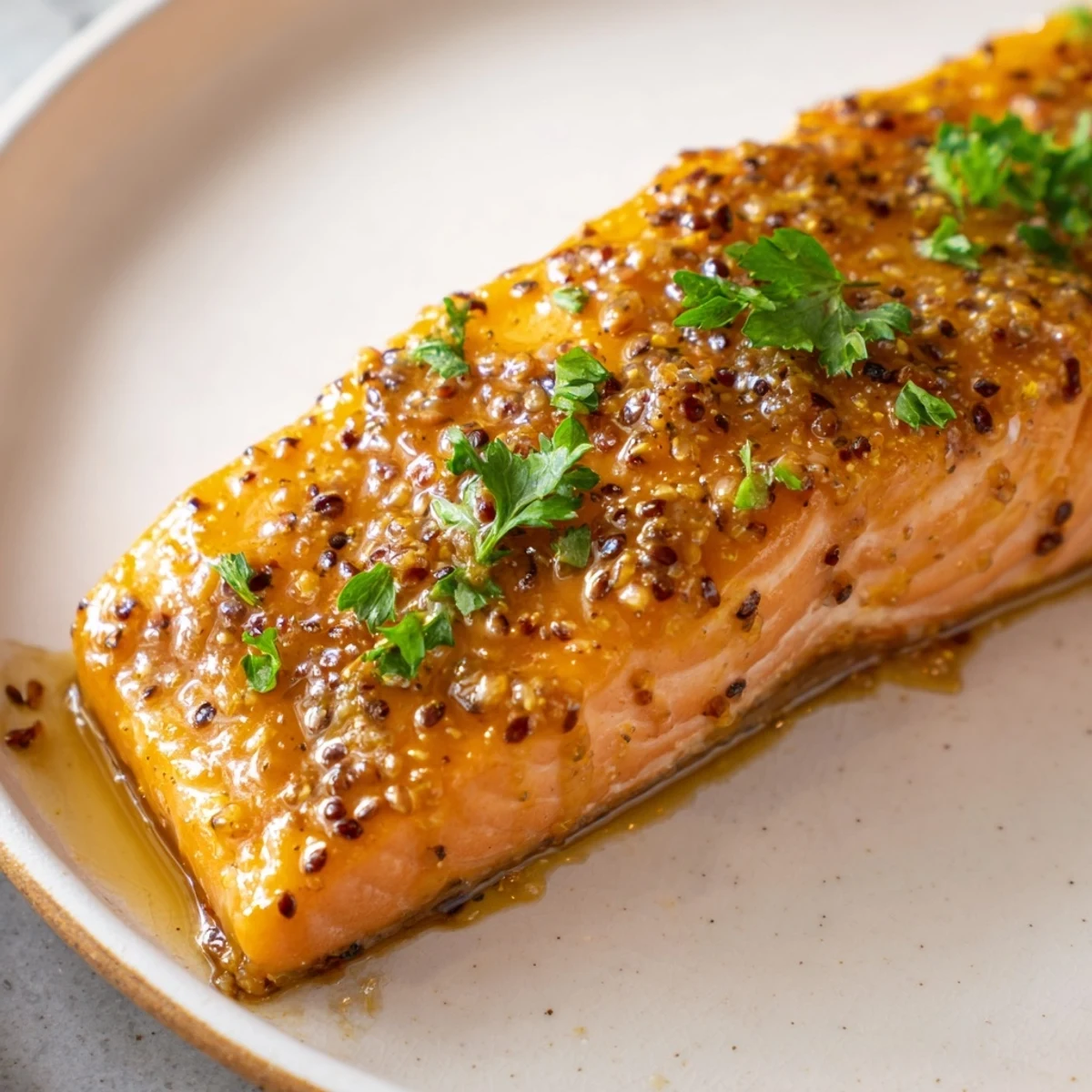
- Spread the glaze evenly over the top of each fillet. Don't be shy—cover the whole top surface. This is where the caramelization magic happens. The glaze should coat each fillet generously, and you'll have a beautiful amber-gold color forming as it bakes.
- Bake with intention:
- Slide your sheet into that 400°F oven. Set a timer for 12 minutes, but start checking at 12. You're looking for salmon that flakes easily when you press it gently with a fork and is just opaque in the thickest part. If you can see any translucent center, give it another minute or two. Overcooked salmon is dry salmon, and we're not doing that today.
- Finish and serve:
- Remove from the oven and let it rest for just 2 minutes—this keeps all those beautiful juices inside the fish. Top with fresh herbs and serve with lemon wedges so everyone can adjust the brightness to their taste.
 Save
Save The moment I realized this recipe was truly special was when my kids started asking for salmon without complaining. In our house, that's basically a miracle. Now it's become the dish I make when I want everyone at the table smiling, when I want to feel capable as a cook, and when I want dinner to feel special on an ordinary Tuesday night.
Variations That Feel Like New Discoveries
Once you've made this version a few times, your kitchen creativity will want to come out and play. Swap the Dijon mustard for spicy brown mustard if you want more heat and earthiness. Or try adding a teaspoon of maple syrup instead of all honey for a deeper sweetness. I've even experimented with adding a pinch of smoked paprika to the glaze, which transforms it into something smoky and sophisticated. The beauty of this recipe is that the foundation is so solid that you can play around the edges without breaking anything.
Pairing This Salmon with the Perfect Sides
This salmon doesn't demand much, but it loves good company. Roasted vegetables are my instinctive choice—asparagus, Brussels sprouts, or green beans all have just enough personality to stand beside the honey mustard glaze without competing. A light grain like rice or quinoa catches any of those beautiful pan juices. Or go simple with a crisp green salad dressed in lemon vinaigrette, which echoes the brightness of the glaze. I've learned that the best sides are the ones that let the salmon remain the star while making the whole plate feel intentional and complete.
Storage and Keeping for Later
Baked salmon keeps beautifully in the refrigerator for up to three days, which makes this an excellent recipe for meal prep or having leftovers that feel like a treat rather than a chore. Store it in an airtight container and eat it cold straight from the fridge, or gently reheat it in a 275°F oven for about 5 minutes. I even love it flaked over a salad the next day, which transforms it into something completely different. Here are the essentials for making your salmon last:
- Cool it completely before refrigerating so you don't trap steam and make the fish mushy
- Store it in an airtight container away from other strong smells, as fish absorbs flavors quickly
- Eat leftover salmon within three days for the best texture and food safety
 Save
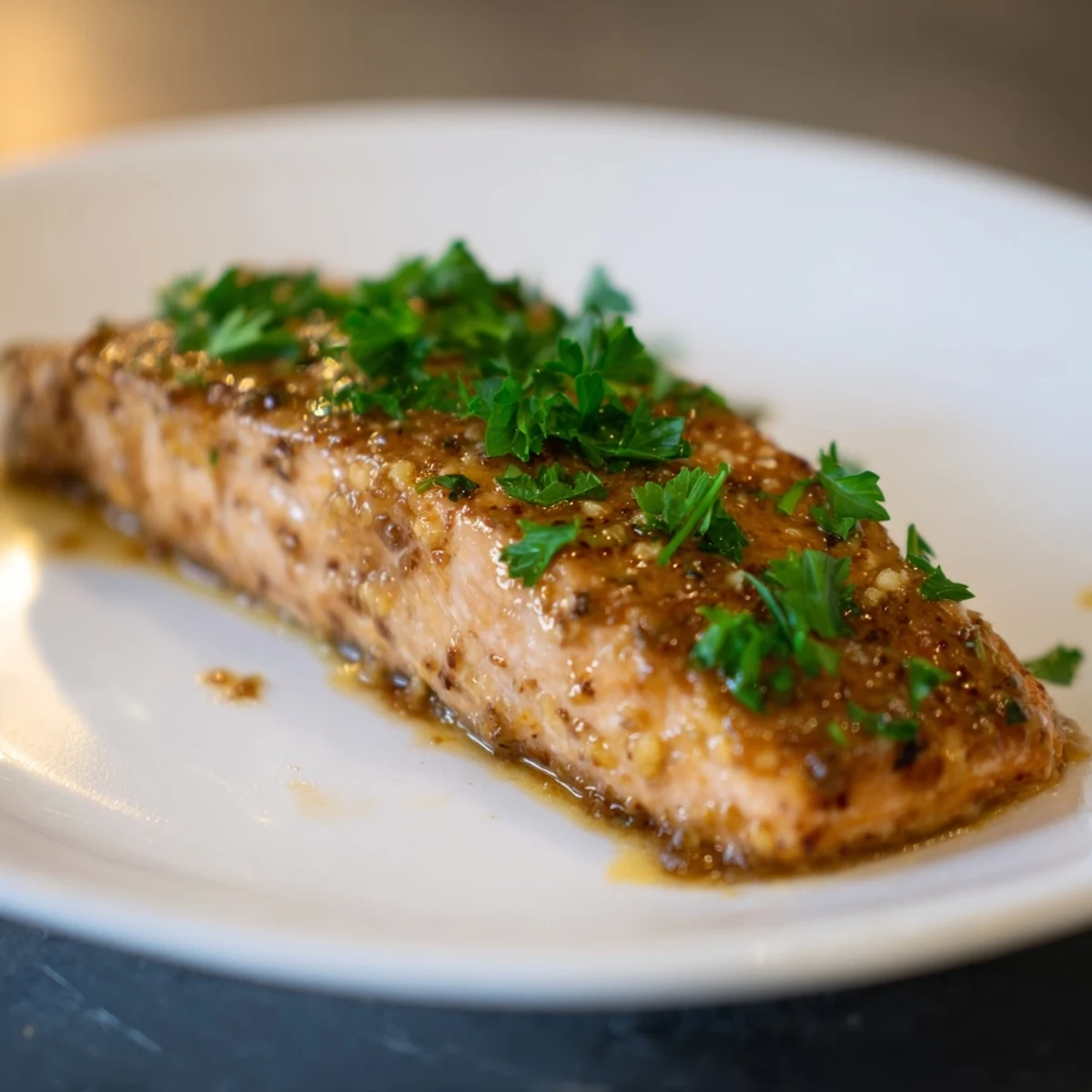
Save This salmon has taught me that the best cooking moments aren't the complicated ones. They're the quiet weeknights when dinner comes together beautifully, when people you love close their eyes for a second and actually taste what's in front of them. That's what this recipe does.
Your Questions Answered
- → What type of mustard works best for the glaze?
-
Dijon mustard provides a smooth, tangy base, while whole grain mustard adds texture and depth. You can also substitute spicy brown mustard for a bolder flavor.
- → How do I know when the salmon is cooked?
-
The salmon should flake easily with a fork and appear opaque in the center when done, usually after 12-15 minutes at 400°F.
- → Can I broil the salmon for extra caramelization?
-
Yes, broiling for 1-2 minutes at the end adds a delicious caramelized finish to the glaze.
- → What sides complement this dish well?
-
Roasted vegetables, rice, or a crisp green salad balance the rich flavors and make a complete meal.
- → Is this suitable for gluten-sensitive diets?
-
Ensure the mustard varieties used are gluten-free to keep the dish safe for gluten-sensitive diets.