
 Save
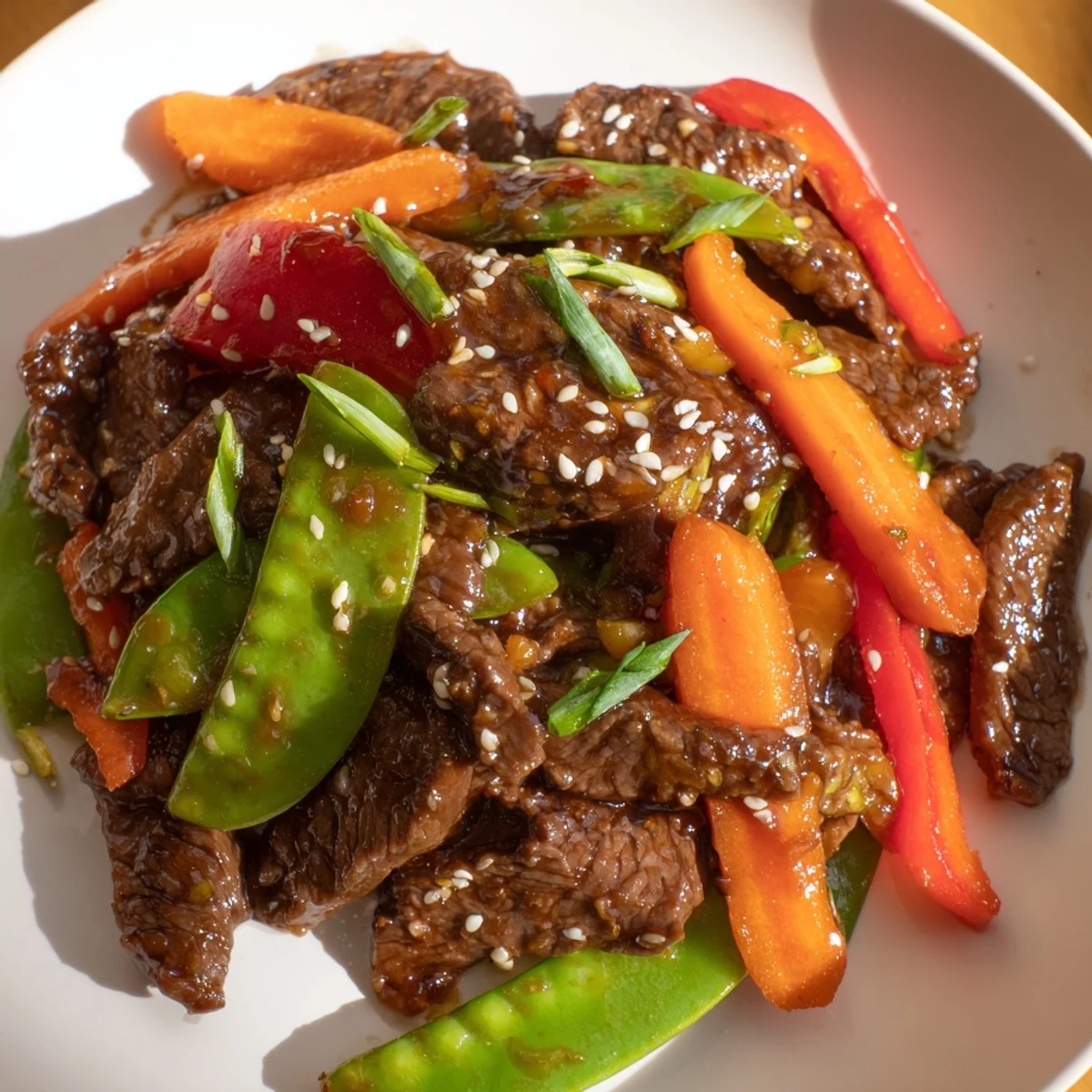
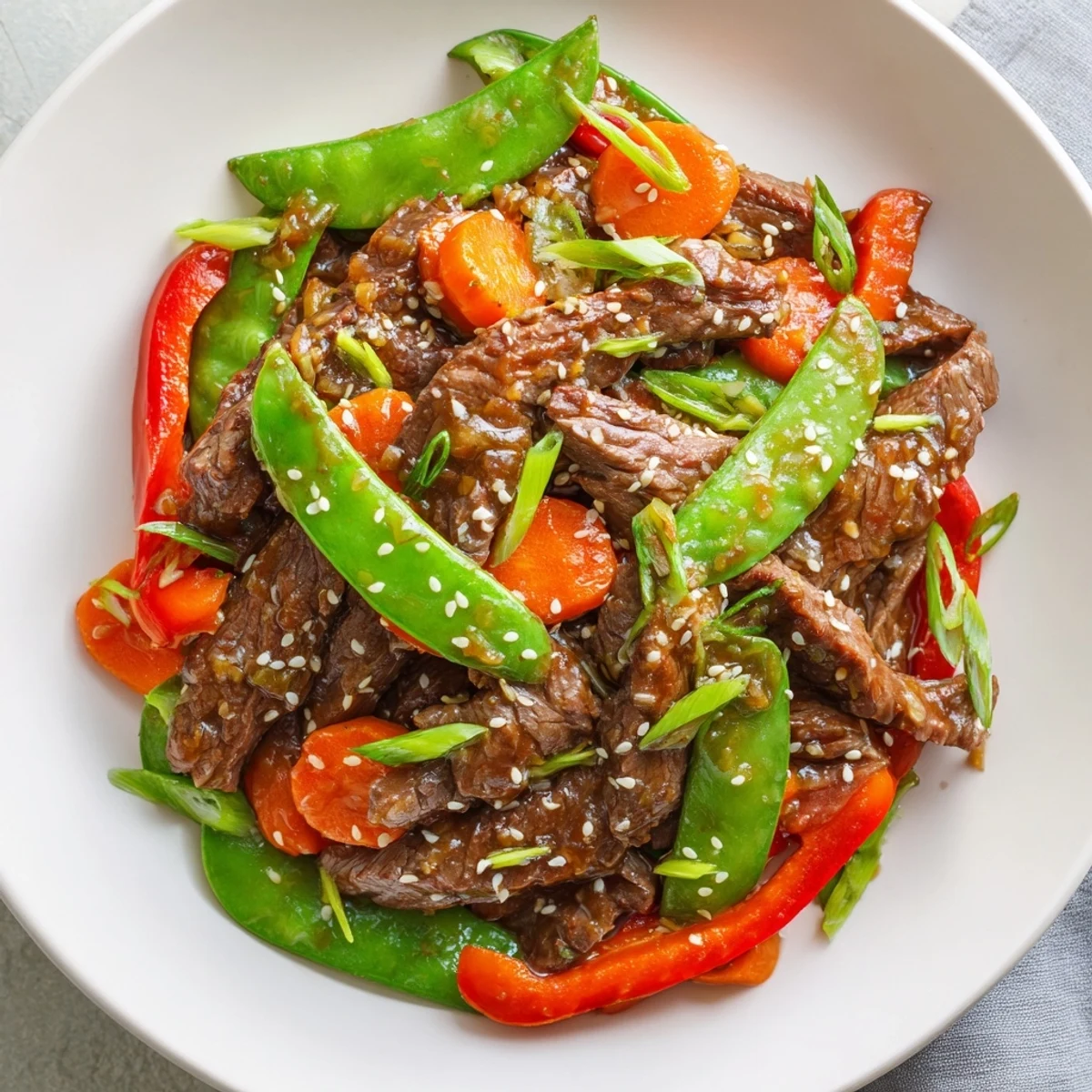
Save This dish combines thinly sliced flank steak with fresh snow peas and carrots, stir-fried quickly to retain crispness. A savory sauce made from soy, oyster, and hoisin balances sweetness and umami. Garnished with scallions and sesame seeds, it offers a colorful, satisfying meal ready in just 30 minutes.
I learned to make stir fry the chaotic way, watching my neighbor toss ingredients in her wok while her teenage son complained about homework in the background. She moved at a speed I couldn't track, but somehow everything landed in the pan at exactly the right moment, and within minutes we were eating the most alive-tasting beef and vegetables I'd ever had. That afternoon taught me that stir fry isn't actually complicated, it's just about confidence and heat, and now it's my go-to when I want dinner that tastes fancy but doesn't ask much of me.
My sister brought her new boyfriend to dinner once, and I threw this together because it felt impressive without being stressful. He asked for the recipe, which almost never happens. Now whenever I make it, I remember how the carrots caught the light and how she kept laughing at something he said, and I think about how good food does that, it just sits there making moments feel a little warmer.
Ingredients
- Flank steak, thinly sliced against the grain: Slicing against the grain breaks up the muscle fibers and keeps every bite tender, even though you're cooking it fast and hot.
- Cornstarch (for beef and sauce): This stuff is almost magic in stir fry, it gives the sauce body and helps the beef get a light, silky coat that catches everything perfectly.
- Snow peas: They stay crisp and bright if you don't fuss with them too long, and their mild sweetness balances the savory sauce without competing.
- Carrots: Bias-cut (at an angle) means they cook faster and look intentional on the plate, catching the sauce in all the right ways.
- Soy sauce, oyster sauce, and hoisin: These three are the backbone of the flavor, and together they create something deeper than any one of them alone.
- Sesame oil: Just a small amount at the end lifts everything up and makes it taste like you know what you're doing.
- Fresh ginger and garlic: Minced small so they distribute evenly and add warmth without overpowering the vegetables.
Instructions
- Coat the beef with confidence:
- Toss your sliced beef with cornstarch and soy sauce, then let it sit for 10 minutes. This isn't just marinating, you're giving the starch time to cling to the meat so it'll sear beautifully. You'll notice the beef looks slightly damp and glossy when it's ready.
- Build your sauce ahead:
- Whisk everything together in a small bowl before you turn on the heat. This matters because once the wok is screaming hot, you won't have time to measure and mix, you'll just be pouring and stirring.
- Sear the beef in stages:
- Heat your wok or skillet until it's almost smoking, then add the beef in a single layer. Resist the urge to move it around, let it sit for a minute or two so it actually browns instead of just steaming. You're looking for a light golden crust, not cooked all the way through.
- Start with the carrots:
- After you pull out the beef, add fresh oil and toss in the carrots first because they need the most time. Two minutes of aggressive stirring will start to soften their edges while keeping them snappy.
- Add the snow peas last:
- Drop them in with the carrots and keep everything moving for two or three more minutes. They'll turn a brighter shade of green and feel tender but still resistant when you bite one, which is exactly right.
- Bring it together with sauce:
- Return the beef to the pan and pour in your sauce, stirring constantly. The cornstarch will thicken everything in about a minute, coating the beef and vegetables in a glossy, savory layer that's exactly what you've been waiting for.
 Save
Save The first time I got this right, I was actually paying attention instead of multitasking, and I tasted the difference immediately. The vegetables were snappy, the beef was tender, and the sauce clung to everything like it had been made for it. That's when I realized stir fry isn't about fancy technique, it's just about being present for those 15 minutes and letting the heat do what it's supposed to do.
The Secret to Crisp Vegetables
The whole point of stir fry is that everything cooks fast enough to stay crisp on the outside while the heat reaches the inside. This only works if your pan is genuinely hot and if you're not crowding it or stirring constantly. Let each piece make contact with the heat, then move on. Your vegetables should sound loud when they hit the oil, and they should smell almost toasted by the time you're done with them.
Why Slice Against the Grain
Beef muscle fibers run in one direction, and when you slice perpendicular to that direction, you're cutting those fibers into small pieces instead of long strands. This means every bite is already partially broken down, so even though you're cooking it for just a couple of minutes, it still chews tenderly. Look at the meat and notice the lines running through it, then slice perpendicular to those lines and you'll feel the difference.
Serving and Sharing
Serve this over steamed jasmine rice to let the sauce do its job, or over noodles if you want something more substantial. The warmth of the rice or noodles matters because they're slightly absorbent and catch all those flavors that tried to escape. Some nights I add a squeeze of lime or a sprinkle of chili flakes just to shift the mood slightly, depending on what I'm hungry for.
- Jasmine rice soaks up the sauce and tastes like it was made to pair with this dish.
- If anyone at your table prefers less heat, put the chili flakes on the side so people can adjust.
- Leftover stir fry reheats beautifully in a hot pan or wok the next day, so make extra if you can.
 Save
Save Once you've made this a few times, you'll stop thinking about it and start feeling it, and that's when stir fry becomes something you make whenever you want to feel like a good cook. It never gets old because it tastes alive and fast and honest.
Your Questions Answered
- → What cut of beef is best for this dish?
-
Flank steak is ideal due to its tenderness and ability to absorb the marinade well when sliced thinly against the grain.
- → Can other vegetables be added?
-
Yes, red bell pepper is optional and adds color and sweetness. Other quick-cooking veggies like snap peas or baby corn also work well.
- → How do I achieve crisp-tender vegetables?
-
Stir fry vegetables over high heat for just a few minutes, ensuring they remain bright and slightly crunchy without becoming soft.
- → What can I use as a substitute for oyster sauce?
-
A mixture of soy sauce and a splash of fish sauce can substitute for oyster sauce, maintaining the savory depth.
- → Is it necessary to marinate the beef?
-
Marinating beef briefly with cornstarch and soy sauce tenderizes the meat and helps create a smooth texture once cooked.