
 Save
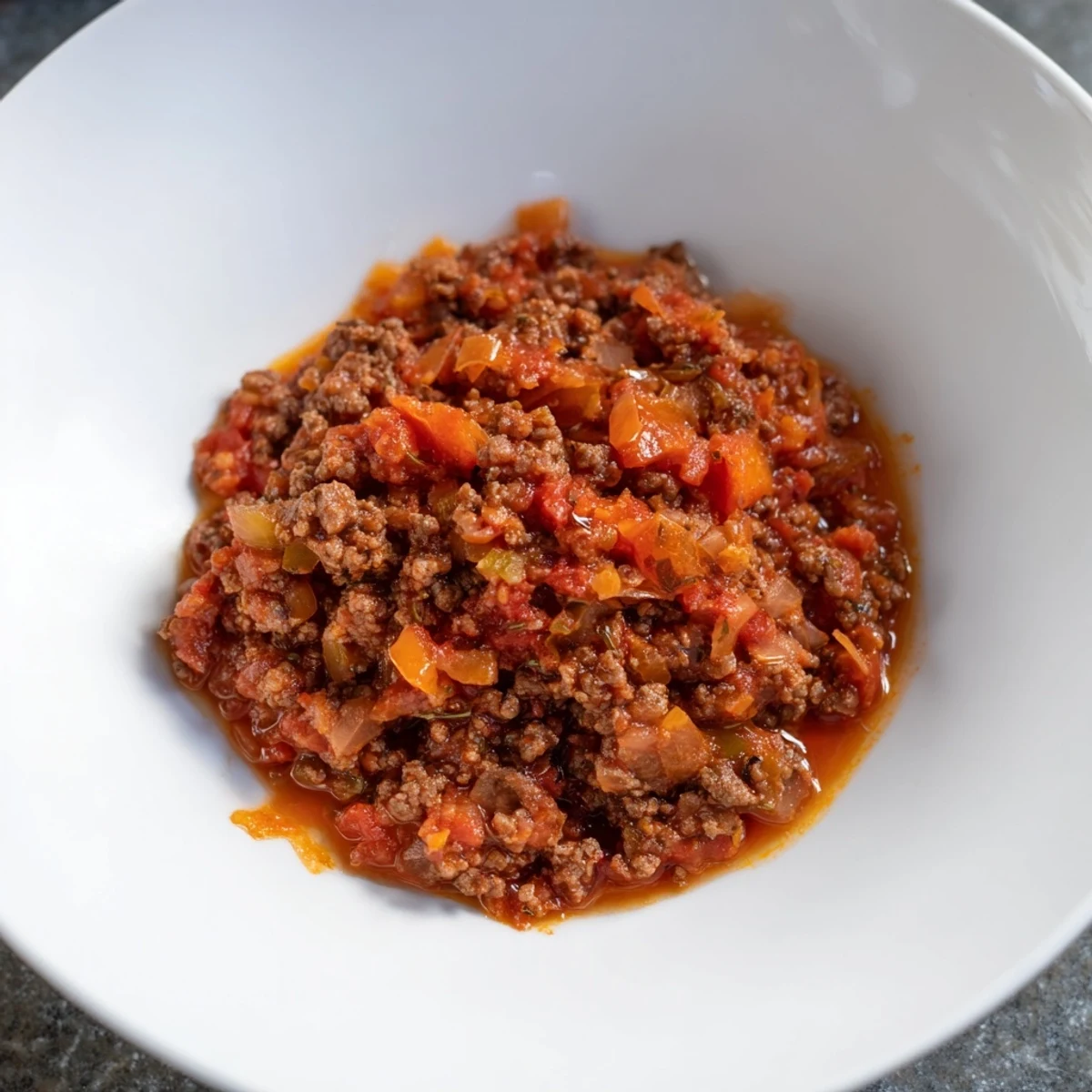
Save This classic Italian dish features ground beef slowly simmered with crushed tomatoes, aromatic herbs, and a blend of vegetables including onion, carrot, and celery. The addition of red wine and milk creates a rich, velvety texture, while gentle cooking develops deep, hearty flavors. Perfectly suited for serving over pasta or as a filling in layered dishes like lasagna, this sauce embraces traditional methods to deliver comforting, savory results that satisfy the palate.
My father used to make Bolognese on Sunday afternoons, the kitchen filling with that deep, meaty aroma that meant we'd eat well that night. I watched him stir that pot with a wooden spoon, tasting and adjusting, never rushing even though it took hours. Years later, I finally understood what he was doing—building layers of flavor, letting time do the work his impatience never could. Now when I make it, I swear I can smell his kitchen in mine.
I made this for a dinner party once where someone brought an unexpected plus-one, and I remember thinking I'd miscalculated. But Bolognese is forgiving that way—it stretches gracefully, feeds more people than you planned for, and no one ever suspects you were improvising. Everyone went home full and happy, and I learned that the best recipes are the ones that bend without breaking.
Ingredients
- Ground beef (500g, 80/20 blend): The fat ratio matters more than you'd think—leaner meat makes the sauce dry, fattier beef turns it greasy, but 80/20 hits that sweet spot where everything stays silky.
- Onion, carrot, and celery: This trio is the foundation, and chopping them finely matters because they should almost dissolve into the sauce rather than sit as chunks.
- Garlic (3 cloves, minced): Add it after the soffritto or it'll burn and turn bitter, which I learned the hard way the first time.
- Canned crushed tomatoes (400g): Quality actually shows here—San Marzano tomatoes taste noticeably sweeter and less tinny.
- Tomato paste (2 tbsp): This concentrates the flavor and adds depth that fresh tomatoes alone can't match.
- Dry red wine (120ml): Don't use anything you wouldn't drink yourself, and let it reduce almost completely so only the flavor remains.
- Whole milk (240ml): This is the secret that makes it feel luxurious and less like tomato soup.
- Beef broth (250ml): Homemade is ideal, but good store-bought works if you avoid anything too salty.
- Olive oil and butter: They work together here—the olive oil carries flavor, the butter adds richness.
- Oregano, basil, and bay leaf: Dried herbs are fine for long cooking like this; fresh would lose their character.
- Nutmeg (pinch): Optional but don't skip it—that tiny warm note is what makes people ask what's different about your sauce.
Instructions
- Build your base:
- Heat the oil and butter together until they're foaming and golden. Add your chopped onion, carrot, and celery—you'll smell when they're getting soft and sweet, around 6 to 8 minutes, and that aroma tells you everything is going right.
- Wake up the garlic:
- Stir in the minced garlic and let it cook for just a minute until it smells sharp and alive. This quick step prevents it from burning into something bitter.
- Brown the beef:
- Add your ground beef and break it apart as it cooks, using that wooden spoon to keep it moving. About 8 minutes and there should be no pink left, just browned meat that's started to stick slightly to the pot—that's the good stuff.
- Deepen the flavor:
- Stir in the tomato paste and let it cook for 2 minutes, watching as it darkens slightly and smells almost caramelized. This step is worth the wait.
- Deglaze with wine:
- Pour in the red wine and scrape the bottom of the pot with your spoon, watching the liquid bubble and reduce. Most of it should evaporate in 2 to 3 minutes, leaving just the essence of the wine behind.
- Build the sauce:
- Add the crushed tomatoes, beef broth, milk, oregano, basil, bay leaf, and that pinch of nutmeg. Stir everything together so nothing sticks to the bottom, and you'll notice immediately how the milk softens the color from bright red to something more muted and appealing.
- Let time work:
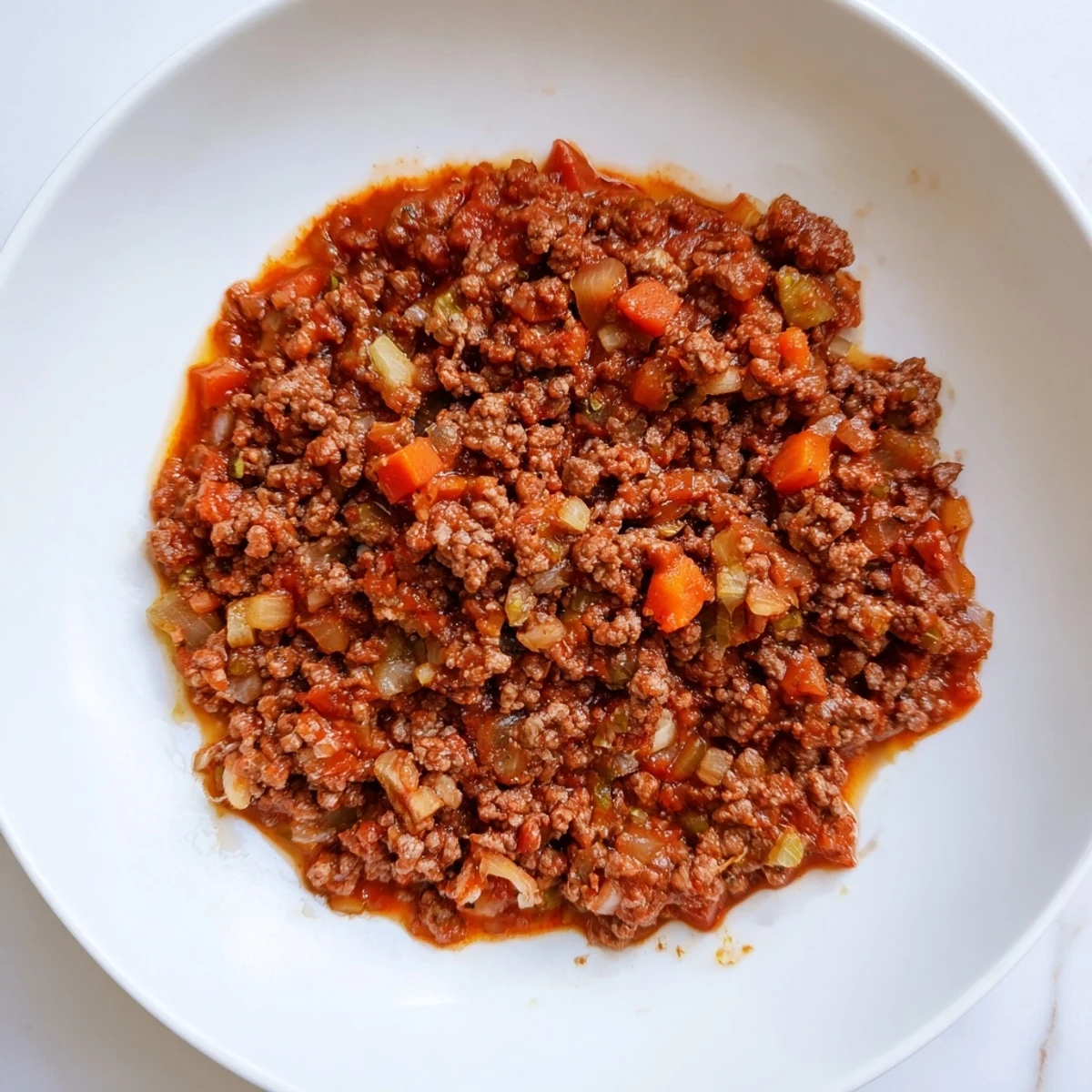
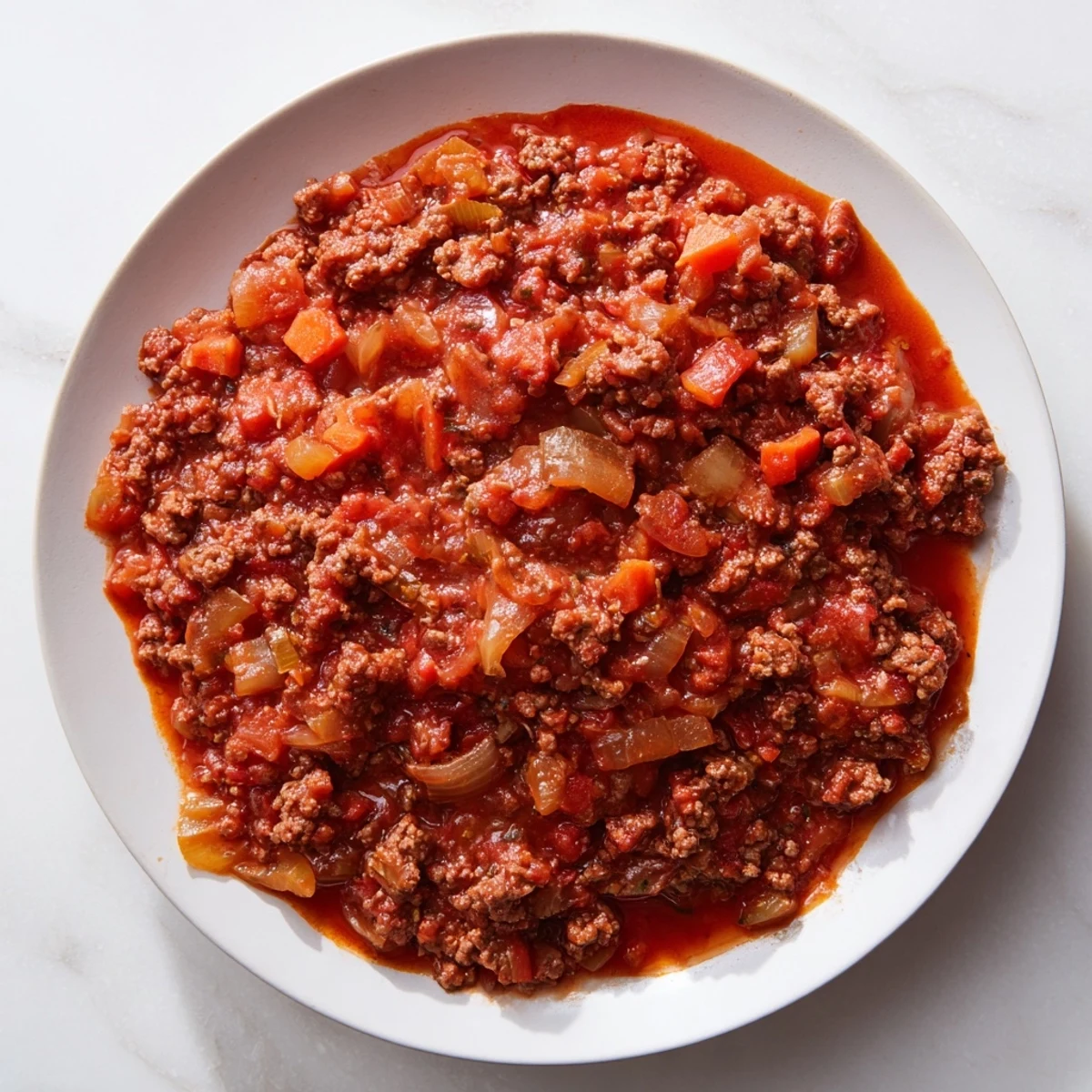
- Bring the pot to a gentle simmer, then turn the heat to low and cover it partially. Stir occasionally over the next 1½ to 2 hours—this isn't passive cooking, but it's not demanding either, just a gentle check-in every 15 minutes or so. You'll know it's done when the sauce is thick, dark, and smells like something that took real time to make.
- Finish and taste:
- Remove the bay leaf, then taste and adjust with salt and pepper. This is important because the seasoning should feel balanced, not overshadowed by herbs.
 Save
Save I remember feeding this to my sister after she moved back home, watching her taste it and just go quiet for a moment. That's when I realized food isn't really about following instructions perfectly—it's about showing up for the people you care about with something warm and real.
Pasta and Serving
Fresh egg tagliatelle is the traditional choice, and if you can find it, the sauce clings to those ribbons in a way that dried pasta can't quite match. But honestly, whatever pasta you have works—the sauce is generous enough to love whatever you put it on. The key is cooking your pasta until it's just barely past al dente so it has a little give when the sauce mingles with it.
Make It Your Own
I've learned that recipes are suggestions more than rules, and this one invites tinkering. Some people swear by a half-and-half mix of beef and pork for a more complex flavor, and they're not wrong. Others add a splash of cream at the very end, turning the sauce into something almost glossy. You could grate in that pinch of nutmeg, or skip it entirely if it doesn't speak to you.
Storage and Freezing
This sauce improves with time, the flavors deepening overnight in the refrigerator as if they've had a conversation with each other. It keeps beautifully for up to five days in the fridge, and freezes for months, so making extra is always the right call. When you reheat it, add a splash of broth or water if it's gotten too thick—sauces need a little help waking up.
- Cool the sauce completely before freezing so it doesn't steam and develop off-flavors.
- Freeze in portions so you can defrost exactly what you need without waste.
- Thaw in the refrigerator overnight rather than on the counter, which keeps the flavors fresher.
 Save
Save This is the kind of recipe that teaches you something every time you make it, whether it's patience, the power of simple ingredients left alone to do their work, or just how feeding people thoughtfully is its own small kind of love. Make it, taste it, and let it remind you why cooking matters.
Your Questions Answered
- → What type of beef is best for this sauce?
-
Ground beef with an 80/20 blend of lean to fat offers ideal richness and moisture for a balanced flavor.
- → Can red wine be substituted or omitted?
-
While red wine adds depth and acidity, it can be replaced with additional beef broth or skipped for a milder taste.
- → How long should the sauce simmer?
-
Simmering gently for 1½ to 2 hours allows flavors to meld and the sauce to thicken perfectly.
- → Why is milk added to the sauce?
-
Milk softens acidity and enriches the sauce's texture, contributing to a smooth, silky finish.
- → What vegetables are included and why?
-
Onion, carrot, and celery form a classic flavor base that builds sweetness and complexity in the sauce.
- → What pasta pairs well with this sauce?
-
Wide, flat pastas like tagliatelle or ribbons complement the thick, hearty texture of the sauce beautifully.