
 Save
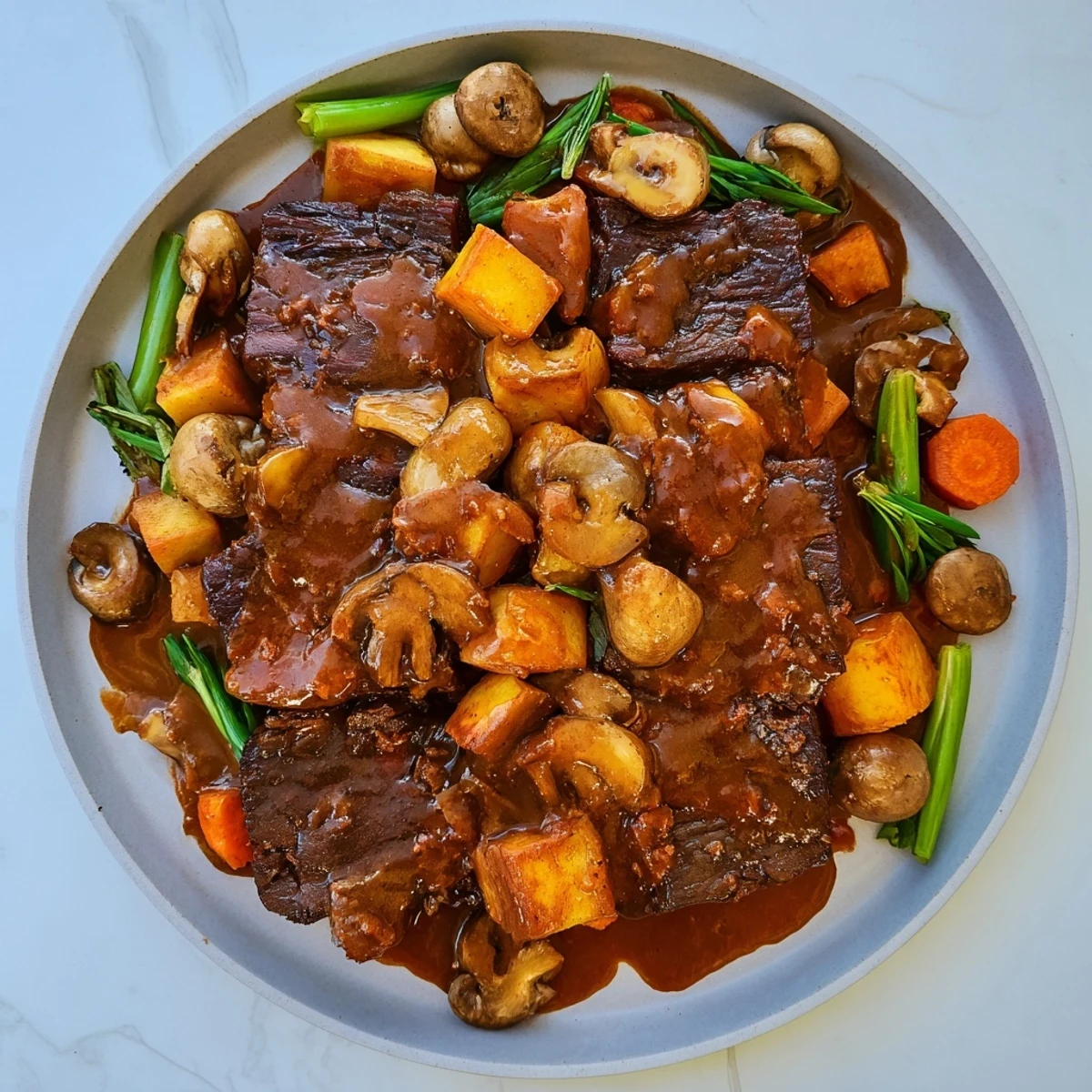
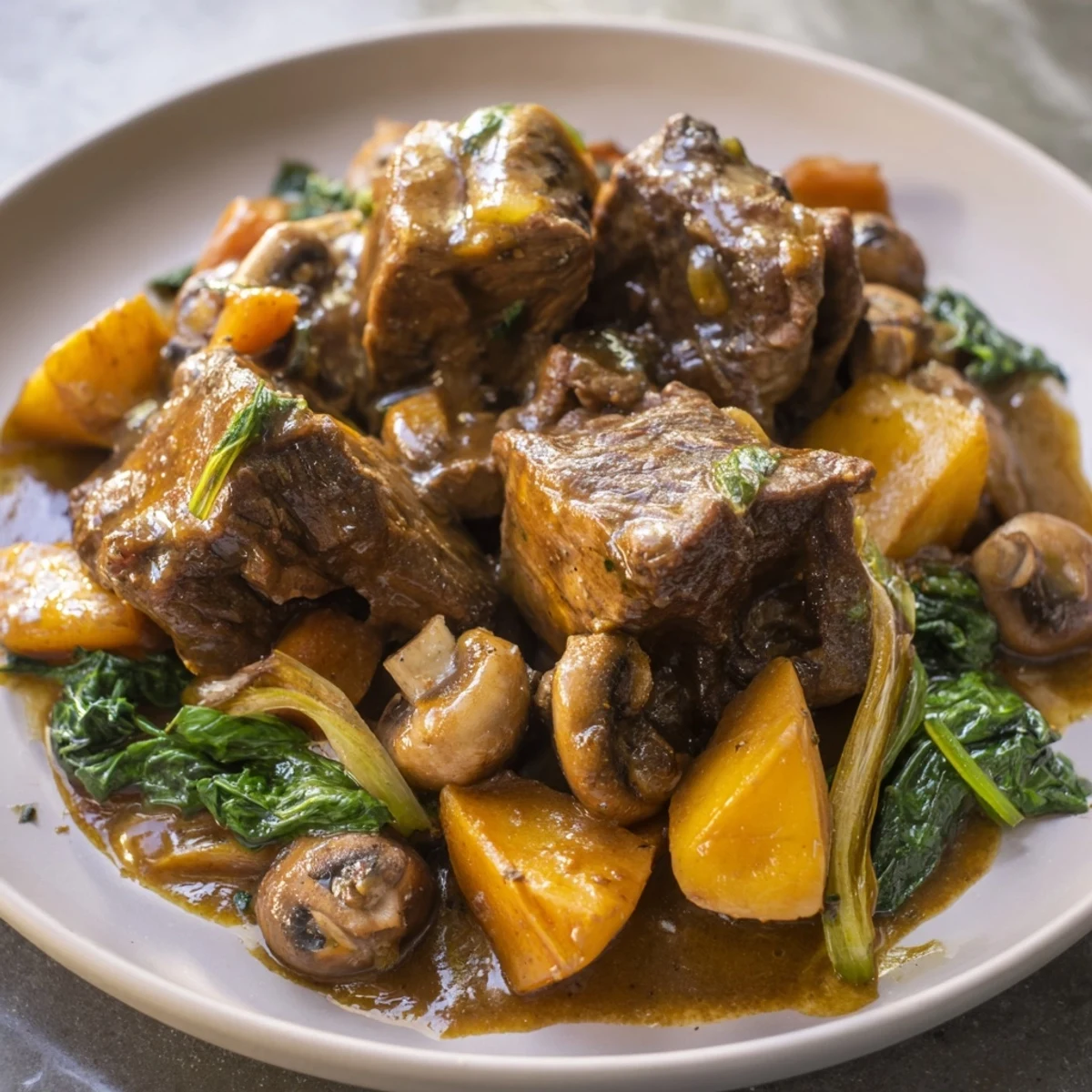
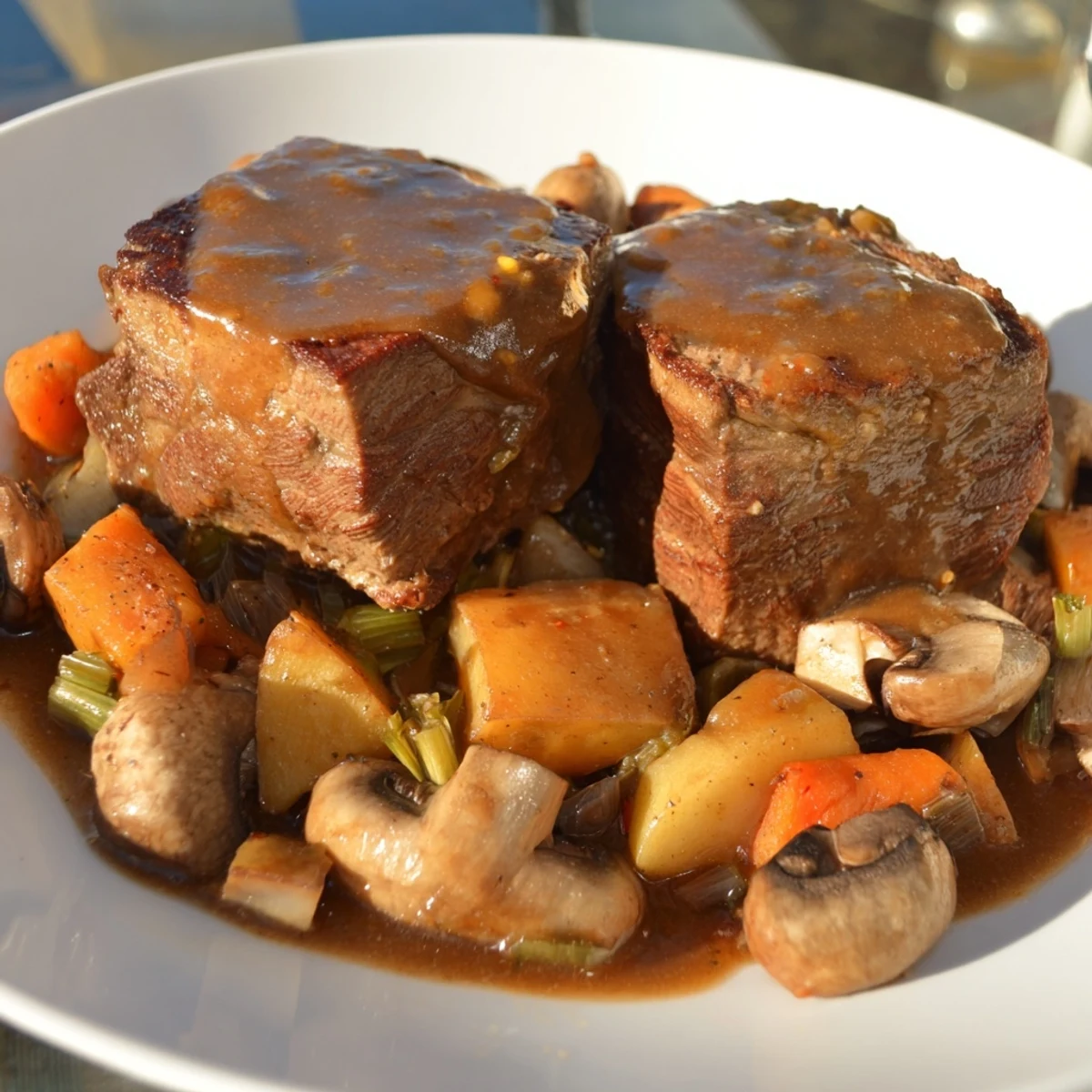
Save This dish features slow-cooked beef chuck seared and braised with carrots, celery, onions, and garlic, complemented by potatoes and mushrooms. Tomato paste, red wine, and beef stock combine to create a rich, flavorful sauce. Fresh thyme and bay leaves infuse the stew with aromatic notes during a long, gentle cooking process, resulting in tender, melt-in-your-mouth meat perfect for warming dinners. Adjust seasoning before serving and enjoy with crusty bread or your favorite side.
The smell of beef browning in olive oil always takes me straight back to Sunday afternoons in a cramped kitchen with rain drumming on the windows. I was trying to impress someone who mattered, and this stew was my answer to comfort without fuss. The wine went into the pot, then into my glass, and by the time the oven timer rang, the whole place smelled like a bistro I couldn't afford.
I made this the first time my brother came home after months away, and he finished two bowls before saying a word. We sat at the table long after the food was gone, just talking and soaking bread in the sauce. That night, I realized this dish had become my way of saying welcome home without making a big deal of it.
Ingredients
- Beef chuck (1.5 kg, cut into 2-inch cubes): This cut has enough fat and connective tissue to turn meltingly tender after slow braising, and it holds its shape without falling apart into shreds.
- Olive oil (2 tablespoons): High enough smoke point to get a good sear on the beef, which builds the base flavor for the entire pot.
- Onions (2 medium, chopped): They soften into sweetness and thicken the sauce naturally as they break down in the long cook.
- Carrots (3, peeled and sliced): They add a subtle earthiness and a touch of sweetness that balances the richness of the beef.
- Celery (3 stalks, sliced): It gives the broth a clean, aromatic backbone that you taste without knowing exactly what it is.
- Garlic (3 cloves, minced): Blooming it briefly in the hot pan releases its flavor without the harshness you get when it burns.
- Potatoes (3 medium, peeled and cubed): They soak up the braising liquid and turn creamy on the edges, making the stew more filling.
- Button mushrooms (200 g, halved): They add a deep, savory note and soak up the wine and stock like little flavor sponges.
- Tomato paste (2 tablespoons): Cooking it with the flour for a couple of minutes takes away the tinny taste and deepens the color of the sauce.
- Beef stock (750 ml): Use the best you can find or make your own, because this is what carries every other flavor through the stew.
- Dry red wine (250 ml): It deglazes all the browned bits stuck to the bottom and adds acidity that cuts through the richness.
- Worcestershire sauce (2 tablespoons): Just a couple of splashes bring umami and a slight tang that makes people ask what your secret is.
- Bay leaves (2): They add a subtle herbal note that you miss if you forget them, even though you can't quite put your finger on it.
- Fresh thyme (4 sprigs, or 1 teaspoon dried): It perfumes the whole pot with something green and earthy that feels like you know what you're doing.
- Salt and black pepper (to taste): Season the beef before it hits the pan, then adjust again at the end when everything has melded together.
- All-purpose flour (2 tablespoons): It thickens the sauce just enough so it clings to the meat without turning into gravy.
Instructions
- Prep the oven and beef:
- Preheat your oven to 160°C (325°F). Pat the beef cubes completely dry with paper towels and season them generously with salt and pepper, because wet meat steams instead of sears.
- Sear the beef:
- Heat olive oil in a large Dutch oven over medium-high heat until it shimmers. Brown the beef in batches, turning each piece until all sides are deeply caramelized, then set them aside on a plate.
- Cook the vegetables:
- In the same pot, toss in the onions, carrots, and celery, and let them soften for about 5 minutes, scraping up any stuck bits. Stir in the garlic and cook just until fragrant, about a minute.
- Add tomato paste and flour:
- Stir in the tomato paste and flour, and cook for 2 minutes, stirring constantly so the flour loses its raw taste and the paste darkens a shade.
- Deglaze with wine:
- Pour in the red wine and scrape the bottom of the pot with a wooden spoon to lift all the browned bits. Let it simmer for 2 minutes to cook off some of the alcohol.
- Build the braise:
- Return the beef and any collected juices to the pot. Add the beef stock, Worcestershire sauce, bay leaves, thyme, potatoes, and mushrooms, and bring everything to a gentle simmer.
- Braise in the oven:
- Cover the pot with a lid and slide it into the oven. Let it braise for 2 to 2.5 hours, stirring once or twice, until the beef yields easily to a fork and the sauce has thickened.
- Finish and serve:
- Pull out the bay leaves and thyme sprigs, taste the sauce, and adjust the salt and pepper if needed. Serve hot, and if you have fresh parsley lying around, chop some over the top.
 Save
Save There was a winter night when the power went out halfway through dinner, and we ate this stew by candlelight with the oven still warm in the corner. No one complained, and someone said it tasted better in the dark. I think about that whenever I make it now, how a meal this simple can hold a whole evening together.
Make It Your Own
If you want to stretch the vegetables, try swapping the potatoes for parsnips or cubed sweet potatoes, which add a subtle sweetness and hold their shape beautifully. You can also toss in a handful of pearl onions or baby turnips in the last hour of braising for a more rustic feel. Some people like to stir in a spoonful of Dijon mustard at the end for a sharper edge, and I've done it more than once when the stew needed a little wake-up call.
What to Serve It With
This stew is filling enough on its own, but a thick slice of crusty bread or a simple baguette is the best tool for mopping up every bit of sauce. If you want to make it feel like more of a meal, spoon it over mashed potatoes, buttered egg noodles, or even creamy polenta. A crisp green salad with a sharp vinaigrette on the side cuts through the richness and makes the whole plate feel balanced.
Storing and Reheating
This stew keeps in the fridge for up to four days in an airtight container, and the flavors deepen every time you reheat it. You can also freeze it in portions for up to three months, just leave a little headspace in the container because the liquid expands. When you're ready to eat, thaw it overnight in the fridge and reheat gently on the stovetop, adding a splash of stock or water if it's gotten too thick.
- Reheat slowly over medium-low heat so the beef stays tender and doesn't tighten up.
- If freezing, cool the stew completely before portioning it out to avoid ice crystals.
- Taste and adjust the seasoning after reheating, because salt can fade a little in the fridge.
 Save
Save This is the kind of dish that makes your kitchen smell like you've been cooking all day, even though most of the work happens while you're doing something else. Serve it to people you want to stick around for a while.
Your Questions Answered
- → How do I ensure the beef stays tender during cooking?
-
Brown the beef well before braising and cook it slowly at a low temperature for 2-2.5 hours to break down connective tissue, ensuring tender meat.
- → Can I substitute the vegetables in this dish?
-
Yes, you can swap potatoes for parsnips or sweet potatoes, and add other root vegetables to vary flavors and textures.
- → What is the best way to thicken the sauce?
-
Stir flour into the sautéed vegetables before adding liquids, or use cornstarch as a gluten-free alternative for thickening.
- → Can this dish be prepared in advance?
-
Absolutely, letting it rest overnight allows the flavors to deepen, making the dish taste even better the next day.
- → What wine pairs well with this slow-cooked beef?
-
A robust red wine complements the rich, savory flavors and can also be used in cooking to enhance depth.