
 Save
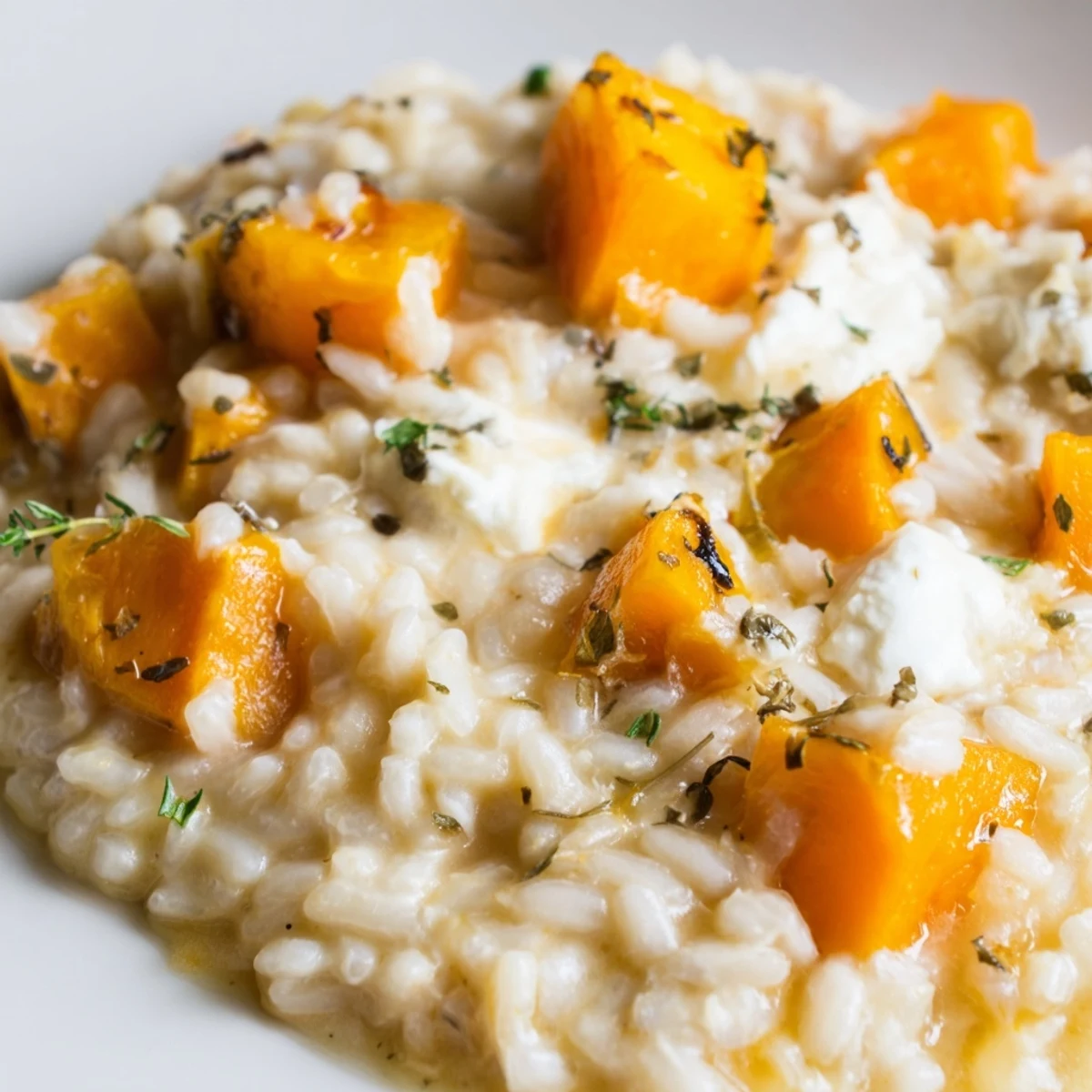
Save This dish offers a luscious risotto combining sweet roasted butternut squash with tangy goat cheese and fresh herbs. The Arborio rice is slowly cooked with white wine and warm vegetable stock to create a creamy texture. Butter and Parmesan add richness, while thyme enhances the aroma. Perfect as a satisfying main or side, it brings warmth and elegance to any meal.
There's something almost magical about the moment when roasted butternut squash hits a warm risotto pan—the sweetness mingles with the earthiness of toasted rice, and suddenly you've created something that feels both rustic and sophisticated. I discovered this combination by accident one autumn when I had leftover roasted squash and a craving for risotto on a quiet Wednesday evening. The tangy goat cheese was an afterthought, something I found at the back of the fridge, but it transformed the whole dish into something I'd make again and again.
I made this for my partner on our anniversary, plating it with a little extra thyme and goat cheese crumble on top, and I'll never forget how they closed their eyes after the first bite. That moment taught me that the best recipes aren't just about technique—they're about creating something warm to share with people you care about.
Ingredients
- Butternut squash (1 small, about 700 g): The star of the show—roasting it first brings out its natural sweetness and creates little caramelized edges that add texture.
- Arborio rice (300 g): Its starches release gradually to create that signature creamy texture; don't skip this variety or you'll lose the magic.
- Goat cheese (100 g), crumbled: Adds a subtle tang that prevents the dish from feeling heavy; it melts into silky ribbons if you fold it in gently.
- Parmesan cheese (40 g), grated: Brings umami depth and helps create that luxurious, cohesive sauce.
- Yellow onion (1 small), finely chopped: The sweet aromatics build flavor in every spoonful.
- Garlic (2 cloves), minced: Just enough to whisper in the background without overpowering.
- Fresh thyme (1 tablespoon), or 1 teaspoon dried: The herb that ties everything together with earthy, subtle notes.
- Dry white wine (125 ml): Adds acidity and brightness that balances the richness.
- Vegetable stock (1 litre), kept warm: Warm stock means the rice cooks evenly without shocking the pan.
- Unsalted butter (2 tablespoons): Two additions keep things rich—one to start, one at the finish for silkiness.
- Olive oil (2 tablespoons): Use good quality here because you taste it throughout.
- Salt and black pepper: Season at every stage, not just at the end.
Instructions
- Roast your squash until it caramelizes:
- Preheat your oven to 200°C (400°F) and toss those diced squash cubes with a tablespoon of olive oil, salt, and pepper. Spread them on a baking sheet in a single layer—don't crowd the pan or they'll steam instead of roast—and let them go for 20 to 25 minutes until the edges turn golden and the flesh is completely tender. You'll know they're ready when they smell sweet and a fork slides through effortlessly.
- Build your flavor base:
- In a heavy saucepan over medium heat, warm the remaining tablespoon of olive oil with a tablespoon of butter until it's foaming gently. Add your finely chopped onion and let it soften for 3 to 4 minutes, stirring occasionally, until it turns translucent and sweet-smelling. Stir in your minced garlic and fresh thyme, cooking for just a minute more—this is when your kitchen will smell absolutely incredible.
- Toast the rice until it sings:
- Add your Arborio rice to the pan and stir constantly for 2 minutes, letting each grain get coated in the buttery oil. You'll hear the rice clicking softly against the pan, and it should smell slightly toasted and nutty.
- Deglaze with wine:
- Pour in the white wine all at once and stir until it's mostly absorbed into the rice—this should take just a couple of minutes. The wine adds brightness and helps loosen up the pan's flavorful bits.
- Add stock gradually and stir with intention:
- This is the meditative part where risotto asks you to stay present. Add your warm vegetable stock one ladleful at a time, stirring frequently, and wait until each addition is mostly absorbed before adding the next—this usually takes 18 to 20 minutes total. The rice will gradually transform from hard and separate to creamy and flowing, with each grain still just barely holding its shape when you bite down.
- Fold in squash and cheese to finish:
- Once the rice is creamy and al dente, gently stir in your roasted butternut squash, then turn off the heat. Add the crumbled goat cheese, grated Parmesan, and the final tablespoon of butter, folding everything together slowly until it's silky and cohesive. Taste as you go and season with salt and pepper until it feels balanced and warm.
- Serve with confidence:
- Plate immediately into warm bowls, garnish with a extra pinch of fresh thyme and maybe a small crumble of goat cheese, and serve while it's still steaming.
 Save
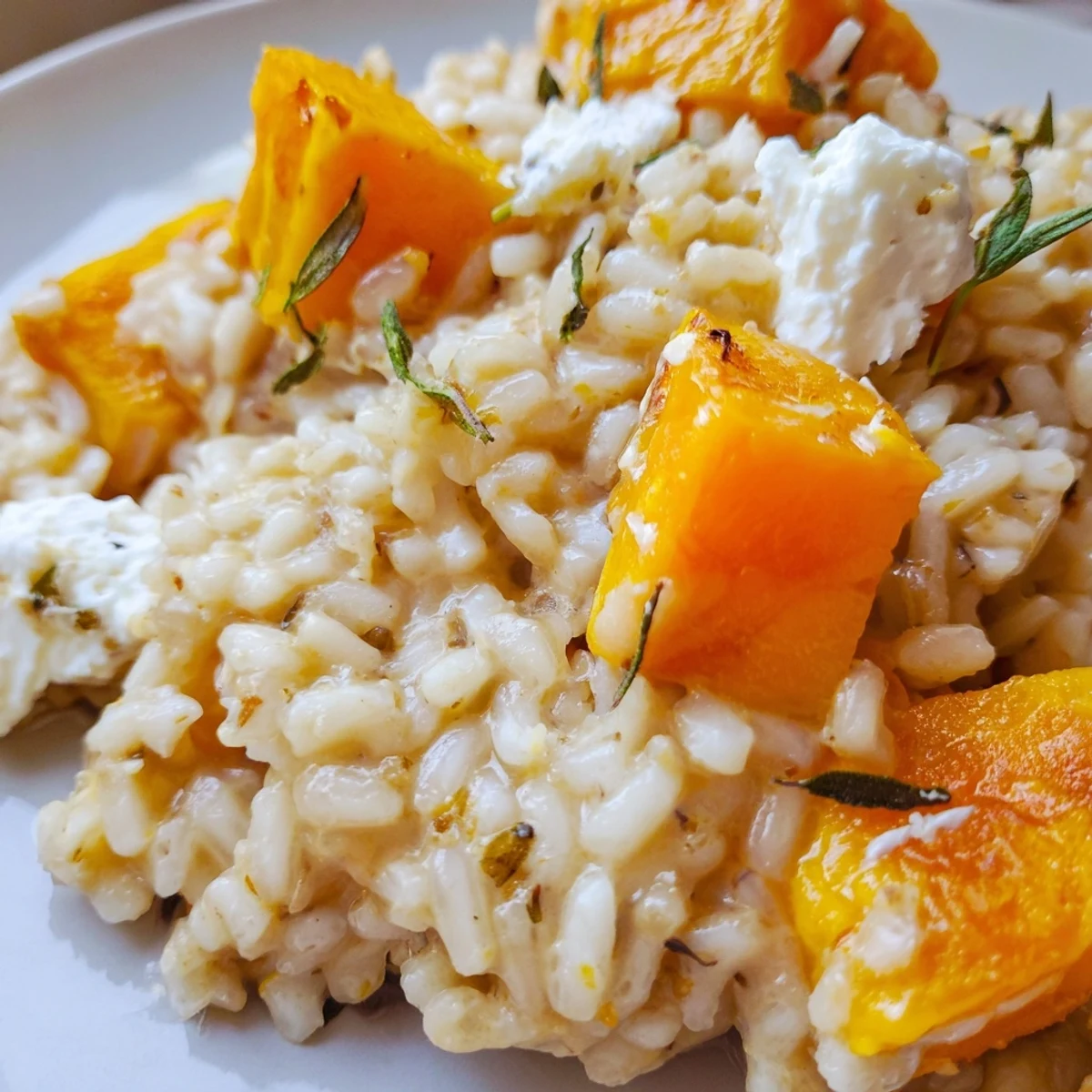
Save The first time I got the timing just right—when everything came together at the exact moment I needed to plate it—I felt genuinely proud in a way that seemed silly until I realized that risotto is one of those rare dishes that rewards patience and presence with something unmistakably better.
Why Butternut Squash and Goat Cheese Are a Match Made in Heaven
Butternut squash brings a subtle sweetness and velvety texture that risotto wants to embrace, while goat cheese cuts right through that richness with its tart, tangy edge. Together they create a perfect balance where neither one dominates—the squash softens you, the goat cheese keeps you alert. Add in the earthiness of thyme and the umami punch of Parmesan, and you've got layers of flavor that unfold with every spoonful instead of all hitting at once.
How to Make This Dish Your Own
Once you understand how risotto works, it becomes this beautiful template that invites improvisation. Swap the butternut squash for roasted sweet potato if that's what's in your kitchen, or try adding a handful of crispy sage leaves at the end for an earthy twist. Some people add a splash of heavy cream in the final moments for extra richness, or top it with toasted walnuts for a little crunch and nuttiness.
Pairing and Serving Suggestions
This risotto sits happily as a main course on its own, but it also plays beautifully as a side dish next to roasted chicken or a simple green salad. A crisp Sauvignon Blanc or Pinot Grigio pairs perfectly—something with enough acidity to cut through the creaminess without competing for attention. In autumn, I sometimes serve it with a simple roasted vegetable on the side, just to add a little more color to the plate.
- If you're cooking for guests, you can roast your squash and prep your mise en place an hour ahead, then do the actual risotto cooking just before serving.
- Leftover risotto transforms beautifully into risotto cakes when you chill it, shape it, and pan-fry it until golden.
- This dish is naturally vegetarian and gluten-free if you use vegetable stock and make sure your stock is certified gluten-free.
 Save
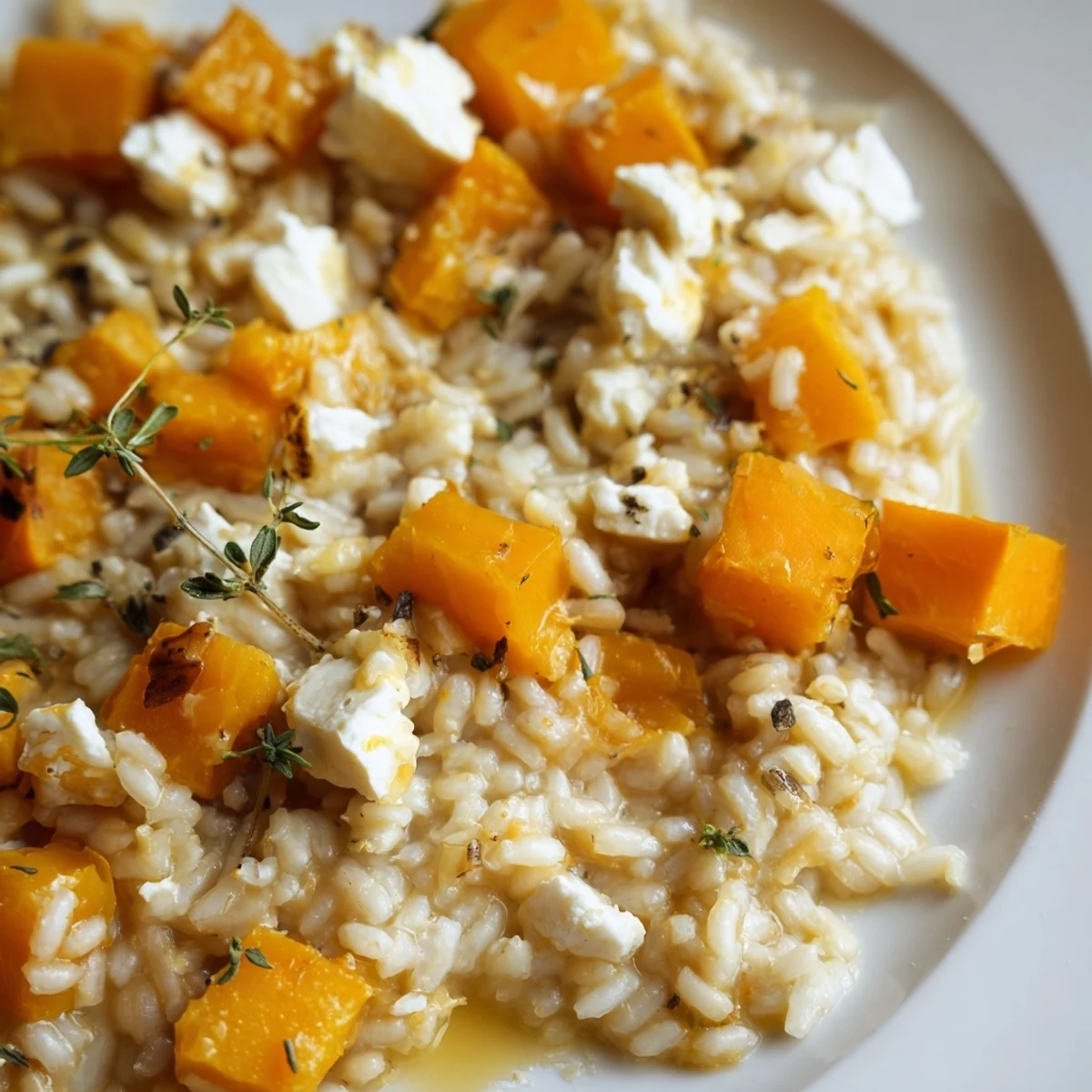
Save There's something deeply satisfying about knowing you can make restaurant-quality risotto at home with nothing but good ingredients and a little attention. Once you've made this once, you'll find yourself reaching for it again and again, each time feeling a little more confident in the kitchen.
Your Questions Answered
- → How do I ensure the risotto is creamy and not mushy?
-
Use Arborio rice and add warm stock gradually, stirring often. This releases starch slowly, creating a creamy texture while keeping grains al dente.
- → Can I substitute the butternut squash with another vegetable?
-
Yes, sweet potatoes work well as a substitute, offering a similar sweetness and texture when roasted.
- → What wine pairs best with this dish?
-
Crisp white wines like Sauvignon Blanc or Pinot Grigio complement the creamy and tangy flavors beautifully.
- → How should I prepare the goat cheese for best texture?
-
Use crumbled goat cheese added off the heat to gently melt into the risotto for a smooth, creamy consistency.
- → Can this dish be made gluten-free?
-
Yes, provided the vegetable stock is gluten-free, this dish naturally fits a gluten-free diet.