
 Save
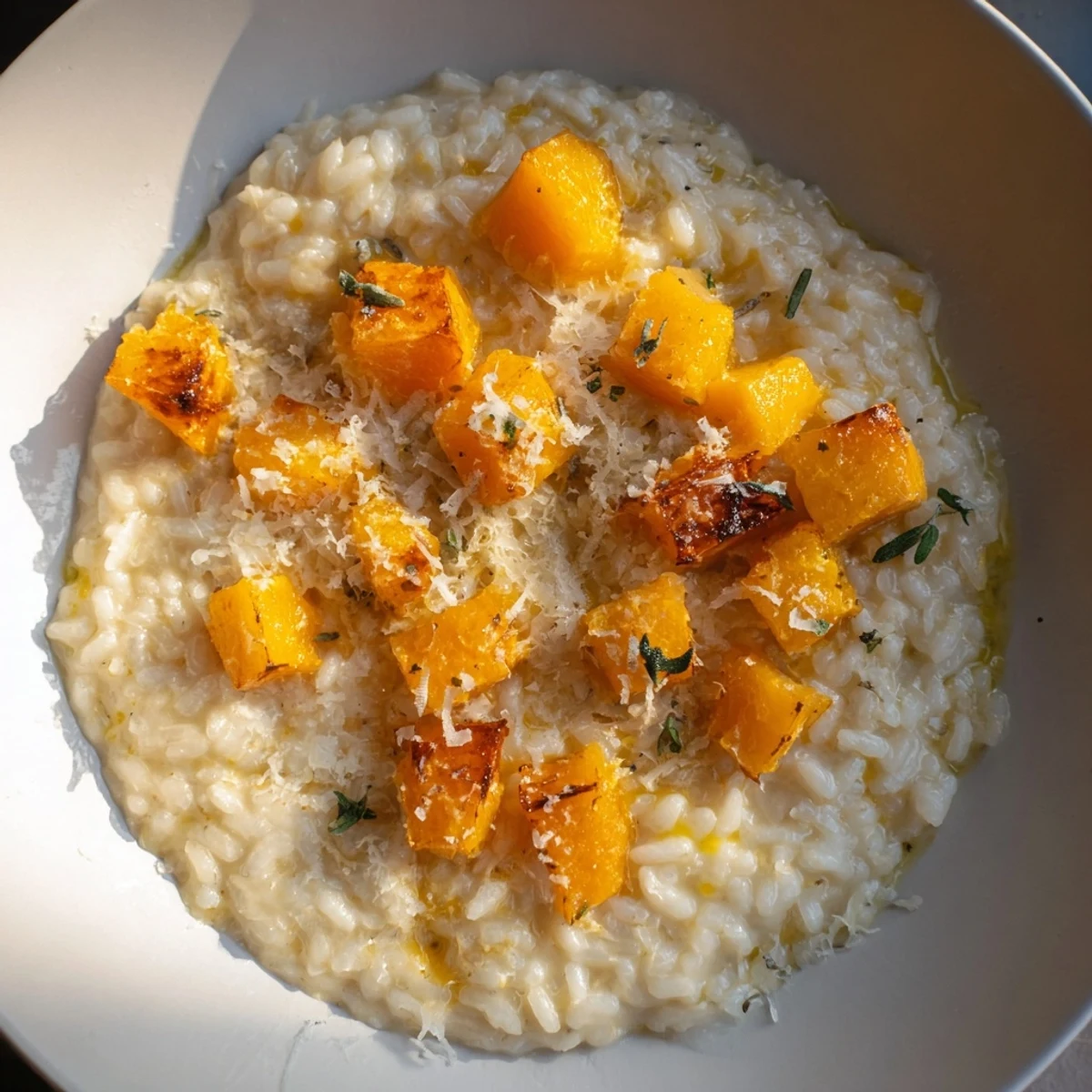
Save This Italian dish features creamy Arborio rice slowly cooked in white wine and vegetable stock. Roasted butternut squash cubes add a natural sweetness while Parmesan cheese enriches the texture. Aromatic herbs and butter create a comforting, savory flavor perfect for cooler months. The slow stirring ensures a smooth, velvety consistency. Simple steps like roasting the squash and gradual ladling of stock elevate the dish's depth without fuss. Ideal as a main course with vegetarian and gluten-free options available.
I discovered butternut squash risotto on a crisp October afternoon when I was supposed to be making something simple for dinner. Instead, I found myself mesmerized by the golden cubes of roasted squash catching the kitchen light, and I couldn't resist turning them into something creamy and luxurious. That first spoonful, when the sweetness of the squash melted into the silky rice, felt like autumn had moved into my bowl, and I've been making it ever since whenever I need comfort that tastes like the season changing.
I'll never forget serving this to my sister on her first visit to my new place. She took one bite and immediately asked for the recipe, and now it's become our autumn tradition. There's something about standing at the stove, stirring and adding broth bit by bit, that makes you slow down and be present in a way that feels rare these days.
Ingredients
- 1 small butternut squash, about 1 1/2 lbs, peeled, seeded, and cut into 1/2-inch cubes: Roasting brings out their natural caramel sweetness and creates golden edges that add texture and visual warmth. Don't skip the roasting step, it's what makes this whole dish sing.
- 1 1/2 cups Arborio rice: This is the rice that knows how to absorb liquid without falling apart. It creates that signature creamy risotto texture that makes people think you've been cooking all day.
- 1 medium yellow onion, finely chopped: The foundation of everything, cooked until it practically disappears into the base and sweetens naturally.
- 2 cloves garlic, minced: Just enough to add depth without overpowering the gentle squash.
- 5 cups vegetable stock, kept warm: This is non-negotiable. Cold stock will shock the rice and stop the creamy magic from happening. Keep it simmering in a separate pot.
- 2 tbsp olive oil and 4 tbsp unsalted butter total: The fat is what makes risotto taste like a warm hug. Don't skimp or substitute.
- 1/2 cup dry white wine: It adds brightness and a subtle acidity that balances the squash's sweetness perfectly.
- 3/4 cup freshly grated Parmesan cheese: Pre-grated cheese has anti-caking agents that prevent it from melting smoothly. Take the extra two minutes and grate it yourself.
- 1/2 tsp sea salt, plus more to taste, and 1/4 tsp freshly ground black pepper: Season at the end so you don't overdo it as the risotto reduces.
- 2 tbsp chopped fresh sage or parsley optional for garnish: Fresh herbs add that final burst of brightness that reminds you this is seasonal cooking at its best.
Instructions
- Roast the squash until golden:
- Preheat your oven to 400 degrees Fahrenheit. Toss those cubed squash pieces with 1 tablespoon of olive oil, a pinch of salt, and pepper. Spread them on a baking sheet in a single layer and let them spend 20 to 25 minutes in the oven, stirring halfway through. You'll know they're ready when the edges are caramelized and golden and a fork goes through them with gentle pressure. Set them aside to cool slightly.
- Build your flavor base:
- In a large, heavy-bottomed saucepan, warm 1 tablespoon olive oil and 2 tablespoons butter over medium heat. Add your finely chopped onion and cook it gently, stirring occasionally, for about 3 minutes until it turns translucent and soft. You should smell that sweet, buttery onion aroma that means you're doing it right. Stir in the minced garlic and cook for just 1 more minute, until it's fragrant.
- Toast the rice:
- Add the Arborio rice to the pan and stir constantly for 2 minutes. This toasting step coats each grain with the fat and gives it structure to absorb the liquid without getting mushy. You'll hear the gentle click of the rice grains against the pan as you stir.
- Deglaze with wine:
- Pour in the dry white wine and stir everything together. Watch as it sizzles and steams, and keep stirring until most of it has been absorbed into the rice. This adds a subtle brightness and helps flavor every single grain.
- Add the stock, one ladle at a time:
- This is the heart of risotto making, and it requires your attention and patience. Add one ladle of warm vegetable stock to the rice and stir frequently. When you notice the liquid has mostly absorbed into the rice, add the next ladle. Keep doing this for about 18 to 20 minutes, stirring often. The rice should always look creamy but not soupy. You'll watch the transformation happen before your eyes as the rice goes from firm to tender and the whole thing becomes silky.
- Fold in the roasted squash:
- Once the rice is nearly tender and the texture is creamy, gently fold in your roasted butternut squash cubes. Cook for 2 to 3 minutes more, letting the heat through them and letting their sweetness infuse the whole dish.
- Finish and adjust:
- Remove from heat and stir in the freshly grated Parmesan and the remaining 2 tablespoons of butter. This final addition is where the risotto becomes luxuriously creamy. Taste it and add more salt and pepper as you like. The risotto should flow slightly on the plate, not stand stiffly.
- Serve immediately:
- Transfer to warm bowls and garnish with fresh sage or parsley if you have it. Serve right away while it's at that perfect creamy temperature.
 Save
Save There was a moment during my last dinner party when someone asked if I'd added cream to this risotto. When I told them it was just butter and Parmesan, their face lit up with that realization that you can create pure luxury with just technique and patience. That's when risotto stopped being a recipe for me and became something more like a meditation.
The Secret Life of Risotto
Risotto is one of those dishes that teaches you something about cooking if you're willing to listen. The constant stirring might seem tedious, but it's actually where all the magic lives. Each time your spoon moves through the pan, you're encouraging the rice to release its starches, creating that signature creaminess that feels indulgent but contains no cream at all. It's honest cooking at its finest.
Why Butternut Squash Was Always the Answer
I spent years making risotto with mushrooms and asparagus before I understood that butternut squash was born to pair with creamy rice. The gentle sweetness balances the savory Parmesan in a way that feels almost musical. Roasting the squash first means you're caramelizing its natural sugars, creating depth and complexity that can't happen any other way. It's the difference between good risotto and risotto that makes people ask for seconds.
Making It Your Own
Once you understand how risotto works, you'll find yourself inventing versions. I've made it with sage because autumn calls for sage. I've added a whisper of nutmeg on days when the weather turned unexpectedly cold. Some people swear by a pinch of cayenne for warmth. The beautiful thing about risotto is that it's a technique, not a prison. Learn the method and the possibilities multiply.
- If you're vegan, use vegan butter and nutritional yeast instead of Parmesan, and the magic still happens.
- A crisp white wine like Pinot Grigio on the side elevates everything and echoes the wine you cooked with.
- Leftovers make exceptional risotto cakes if you chill them overnight and pan-fry them until crispy, though I rarely have leftovers.
 Save
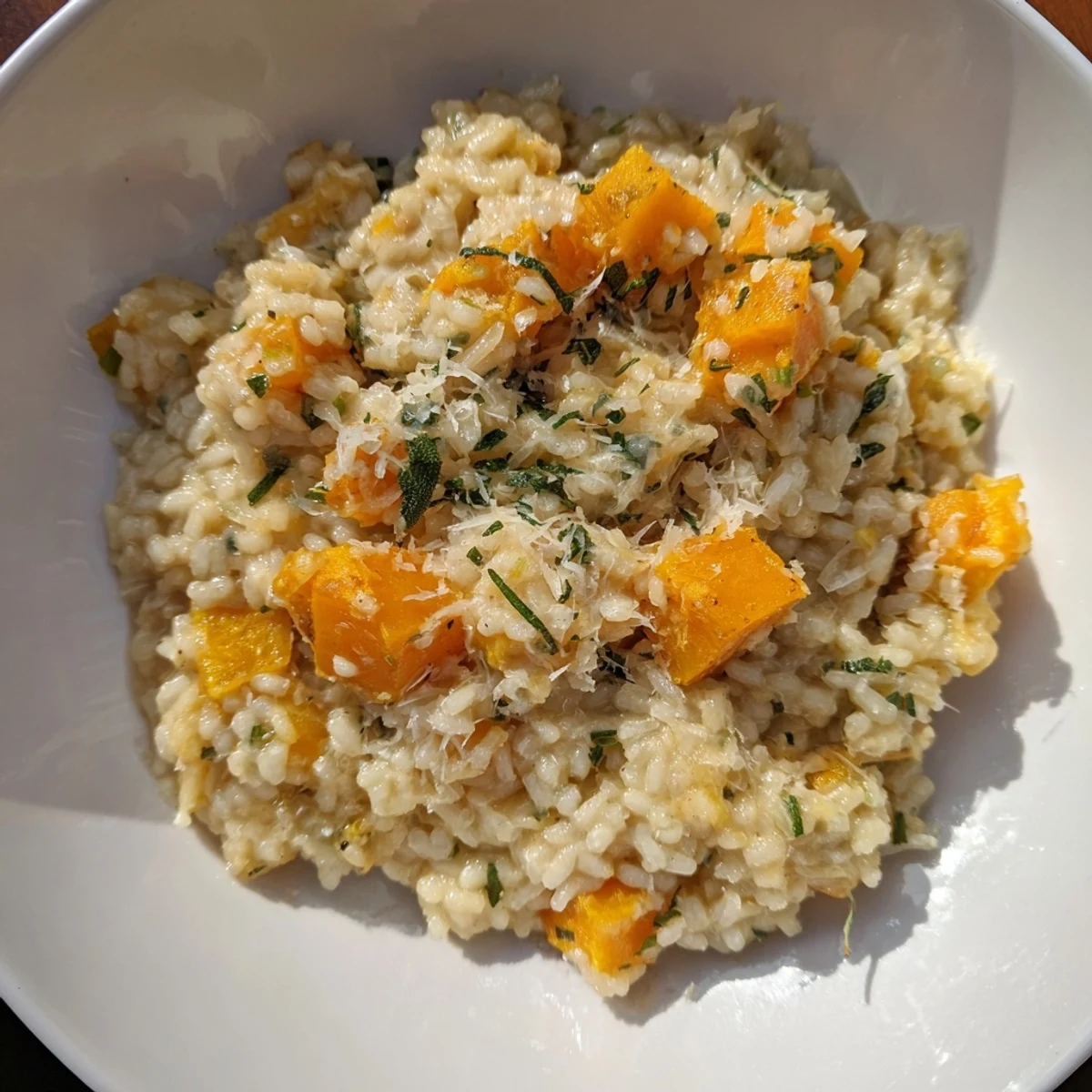
Save This is the risotto that turned a regular October evening into something I still think about. Make it when you need comfort that tastes like home, and watch how people slow down to savor it.
Your Questions Answered
- → What type of rice is best for this dish?
-
Arborio rice is ideal for its high starch content, giving the risotto a creamy, smooth texture.
- → Can I use a different squash for roasting?
-
Sweet varieties like kabocha or delicata work well, but butternut squash provides the perfect balance of sweetness and texture.
- → How do I know when the risotto is perfectly cooked?
-
The rice should be tender but still firm to the bite, with a creamy consistency achieved through gradual stock absorption.
- → What is the role of white wine in the cooking process?
-
White wine adds acidity and depth, balancing the natural sweetness of the squash while enhancing overall flavor layers.
- → Can I prepare this dish vegan-friendly?
-
Yes, substitute vegan butter and use plant-based cheese alternatives or omit cheese entirely for a dairy-free version.
- → Are there any tips for roasting the butternut squash?
-
Toss the cubes with olive oil, salt, and pepper, then roast until tender and golden to bring out their natural sweetness.