
 Save
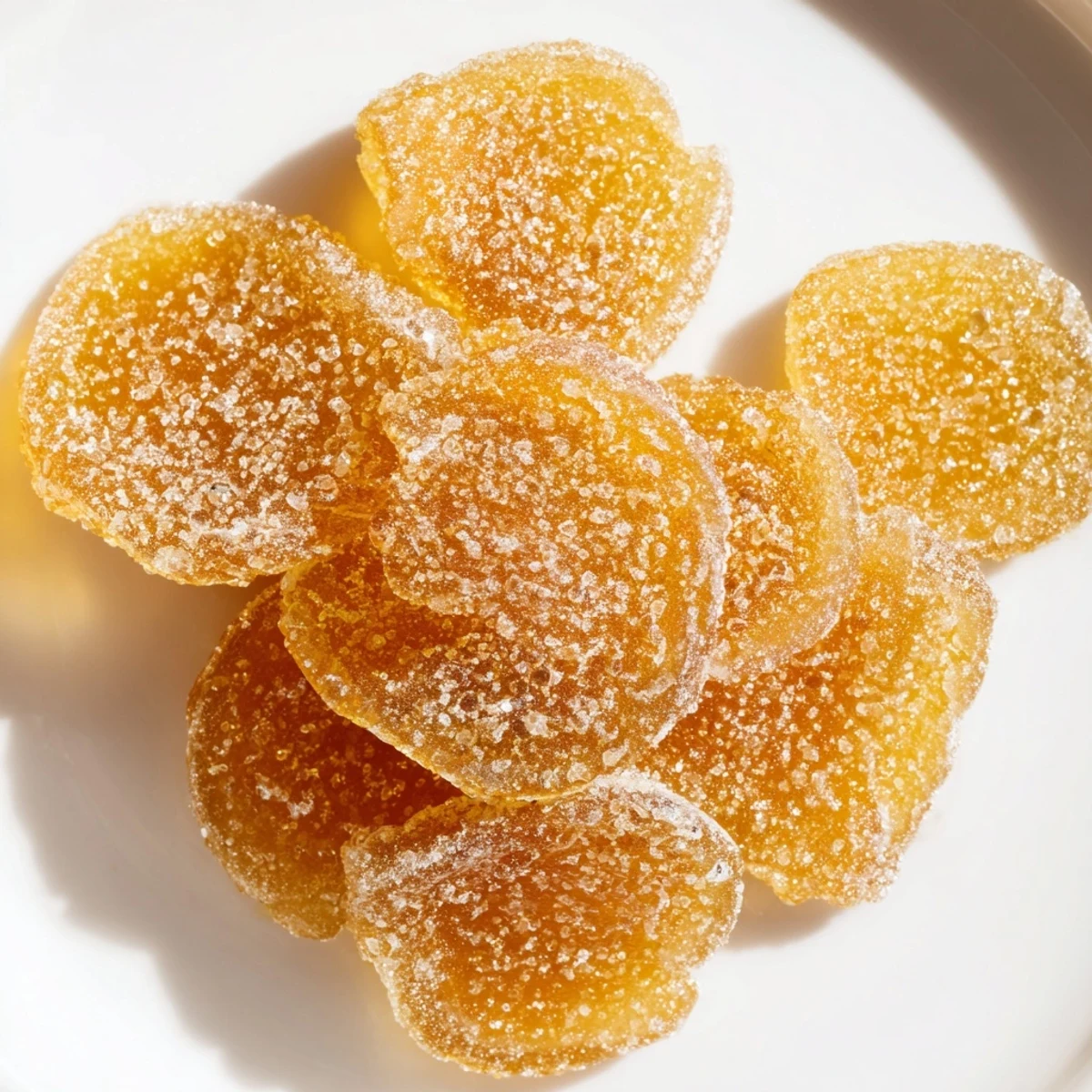
Save Transform fresh ginger root into sparkling sugar-coated slices through a gentle simmering process. The technique balances ginger's natural heat with sweet syrup, creating tender translucent pieces finished with a crystallized sugar crust. These chewy confections store beautifully for two months, making them excellent for advance preparation or thoughtful homemade gifts.
The first time I made candied ginger, I was recovering from a cold and someone mentioned it might help with digestion. What started as a medicinal experiment turned into a full blown obsession. Now I always keep a jar on my counter, and my hands smell of ginger for days after a batch, which I have secretly grown to love as a comforting marker of time well spent in the kitchen.
Last winter, I made a triple batch and packed little glass jars as holiday gifts. Friends started texting me within days asking if I had more, one person confessed to hiding hers from her family. Now every November, someone gently asks if I am planning my annual ginger candying operation, as if it is a community event they have marked on their calendars.
Ingredients
- Fresh ginger: Young ginger will give you a milder, sweeter result, while mature ginger packs more heat
- Water: Used first to blanch the ginger, then reserved for the syrup stage
- Granulated sugar: You will need most for the syrup and some extra for that final sparkling coat
Instructions
- Slice and blanch the ginger:
- Cut the peeled ginger into thin, even rounds, then simmer in water until tender. This first cooking removes some of the raw bite and softens the flesh.
- Candy in syrup:
- Reserve a bit of the blanching liquid, then return the ginger to the pan with sugar and that liquid. Cook until the syrup thickens and the ginger turns translucent.
- Coat and dry:
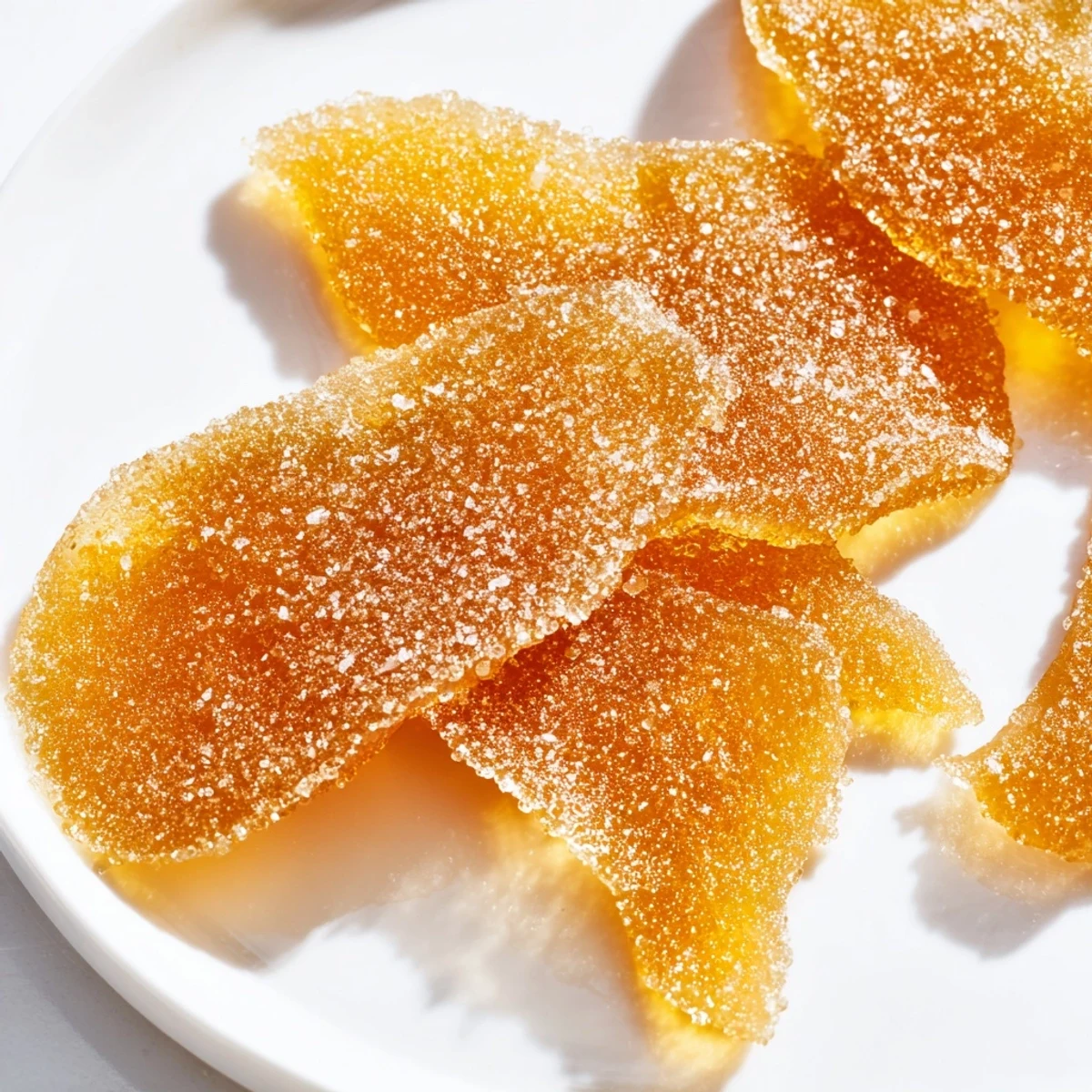
- Let the ginger cool until slightly tacky, then toss in extra sugar. Let it dry completely before storing, or it will clump together.
 Save
Save My grandmother kept a small dish of candied ginger on her desk, claiming it helped with afternoon energy slumps. I always thought it was just an excuse to eat candy. Now that I am older, I keep a small bowl on my own desk and find myself reaching for one piece, then somehow another, wondering if she knew exactly what she was doing all those years.
Choosing Your Ginger
The age of your ginger root matters more than you might think. Young ginger, often available in spring, has thin skin and pinkish shoots, requiring hardly any peeling and yielding a delicate, almost floral candied result. Mature ginger, what you find most of the year, brings that familiar robust heat and requires more aggressive peeling to remove the tough outer layer.
Getting the Sugar Coating Right
The difference between sticky, clumped ginger and perfectly crystallized pieces comes down to timing and temperature. Too hot, and the sugar melts into a glaze. Too cool, and the sugar will not adhere. That fifteen minute cooling window is not just a suggestion, it is the precise moment when the surface becomes perfectly receptive to the final sugar coat.
Using Every Bit
The syrup left in the pot after you remove the ginger is too good to discard. It is essentially a ginger simple syrup, infused with all that concentrated flavor. I pour it into a clean jar and keep it in the refrigerator for weeks, finding endless uses for something that might otherwise be washed down the drain.
- Add a spoonful to sparkling water for instant ginger ale
- Brush it onto warm scones or muffins for a shiny, spicy glaze
- Stir into your morning coffee instead of plain sugar
 Save
Save There is something deeply satisfying about turning a humble root into something that feels like a special treat, a process that transforms sharp heat into sweet comfort. Once you master this, you will find yourself reaching for candied ginger not just as an ingredient, but as the little something sweet that makes an ordinary afternoon feel just a bit more intentional.
Your Questions Answered
- → What type of ginger works best?
-
Young ginger yields tender results with milder spice, while mature ginger provides stronger heat. Both work well, though young ginger slices more easily and offers a delicate flavor profile perfect for first-time makers.
- → How long does candied ginger stay fresh?
-
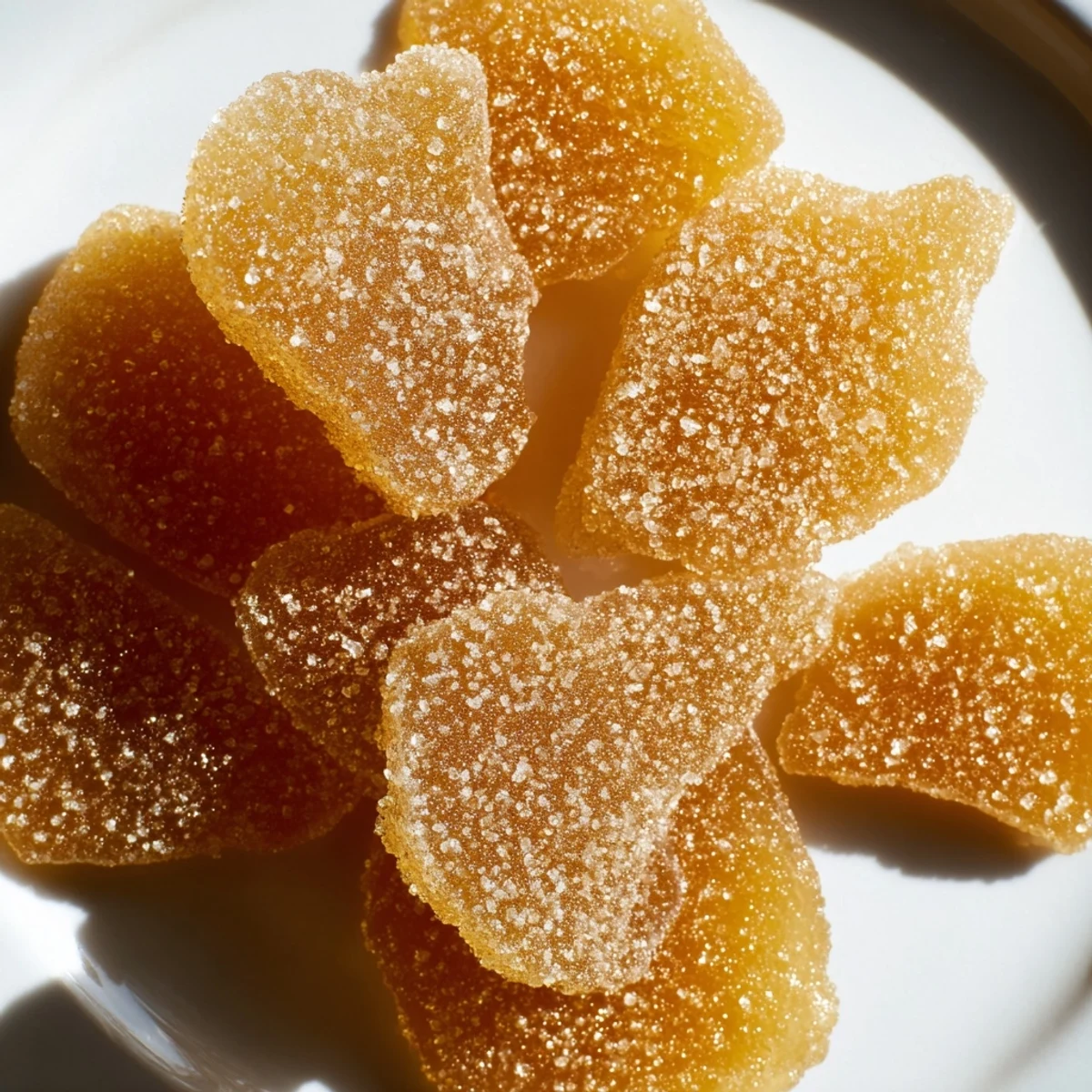
Stored properly in an airtight container at room temperature, candied ginger maintains quality for up to two months. Keep away from moisture and humidity to preserve the sugar coating's texture and prevent stickiness.
- → What can I do with leftover ginger syrup?
-
The reserved cooking liquid creates a sweet-spicy syrup perfect for sweetening tea, mixing into cocktails, or drizzling over desserts. Store refrigerated in a sealed jar and use within three weeks for optimal flavor.
- → Why do I need to drain and reserve liquid?
-
Draining removes the initial bitterness from fresh ginger while preserving enough cooking liquid to dissolve sugar effectively. This two-step method ensures tender pieces without any harsh or overpowering raw flavors.
- → Can I reduce the sugar amount?
-
Sugar acts as both flavoring and preservative. While you can slightly reduce coating sugar, the syrup quantities help achieve proper texture and shelf life. For lower sugar options, consider using alternative sweeteners meant for candying.
- → How thin should I slice the ginger?
-
Aim for consistent 3mm (⅛-inch) rounds. Uniform thickness ensures even cooking and tender results. A sharp knife or mandoline slicer helps achieve clean, even slices that cook at the same rate.