
 Save
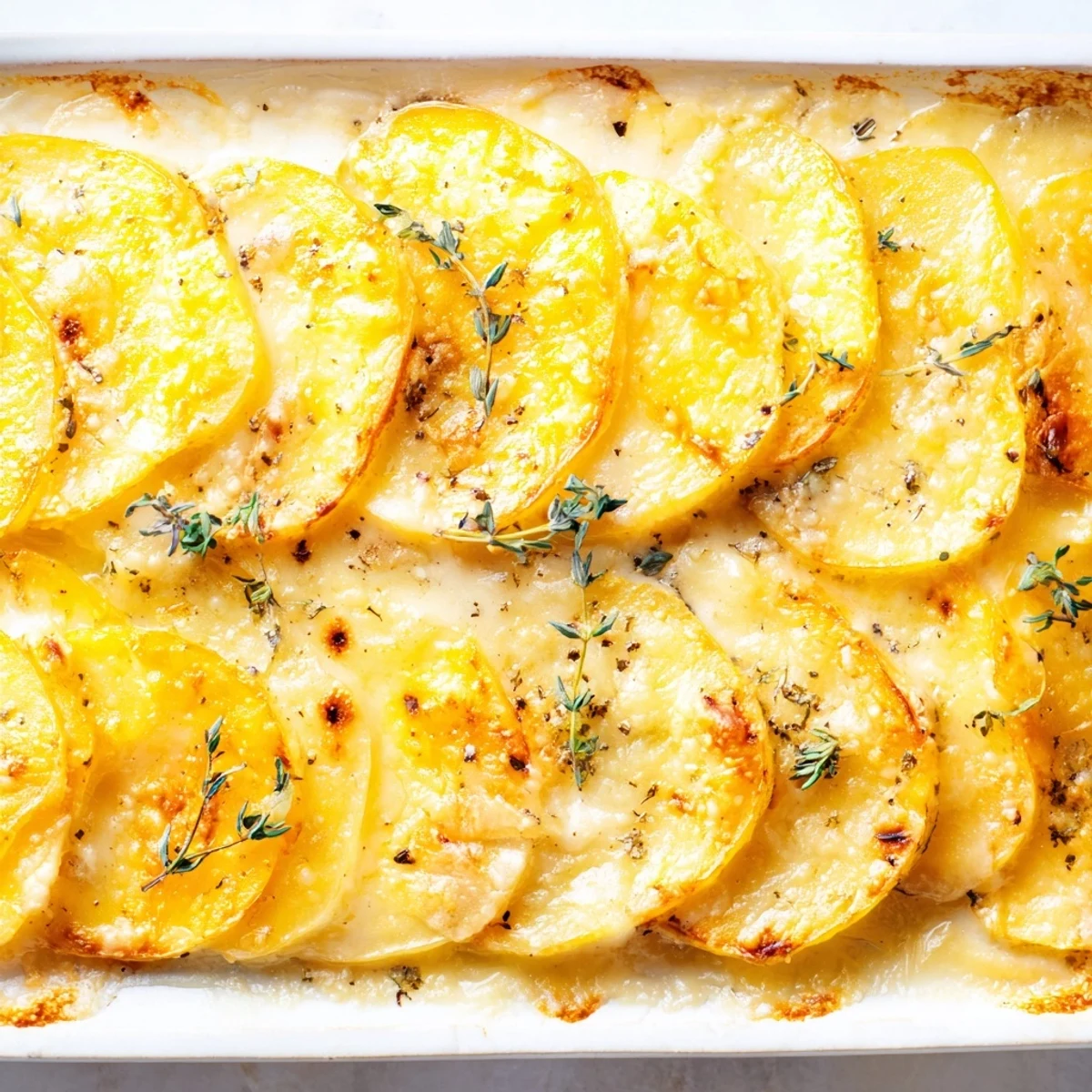
Save This dish features thinly sliced Yukon Gold or Russet potatoes, gently baked in a mixture of heavy cream, milk, and aromatic fresh thyme. Layers of Gruyère and Parmesan cheeses create a luscious, golden crust. The potatoes bake until tender and richly infused with savory herbs and butter, making it an ideal side to elevate festive or cozy dinners.
The gentle seasoning with garlic, salt, pepper, and a touch of nutmeg enhances the creamy texture, while resting before serving allows flavors to meld perfectly. This gratin pairs wonderfully with roasted meats or fresh salads and invites simple ingredient swaps like cheddar or Emmental cheese for variation.
I first encountered a proper potato gratin at a small auberge in Burgundy on a rainy autumn evening. The dish arrived at our table still bubbling at the edges, the cream golden and rich, the cheese melted into every crevice between paper-thin potato slices. I watched the steam rise and thought about comfort—how it isn't complicated, just potatoes and cream and time. Now whenever I make this at home, I'm transported back to that candlelit room, and I understand why the French have perfected so many ways to simply celebrate potatoes.
Years ago, I made this gratin for my sister's birthday dinner when she was going through a difficult time. She took one bite and said, 'This tastes like home.' That moment taught me that food's real magic isn't in technique—it's in showing up for people with something warm and thoughtfully made.
Ingredients
- Yukon Gold or Russet potatoes (1.5 kg / 3.3 lbs), peeled and thinly sliced: Yukon Golds have a buttery texture that becomes silky when baked, but Russets work beautifully too if that's what you have. The key is slicing them as uniformly thin as possible—I use a mandoline and never look back, though a sharp knife and patience work fine
- Heavy cream (2 cups / 480 ml): This is not the time to skimp. Full-fat cream creates the luxurious texture that makes this dish sing. Cold cream from the back of your fridge works better than room temperature
- Whole milk (1 cup / 240 ml): It balances the cream's richness so the dish doesn't feel overwhelmingly heavy. I learned this from watching a French grandmother cook—she said cream alone makes people feel guilty, but cream with milk makes them feel happy
- Gruyère cheese (2 cups / 200 g), shredded: Real Gruyère melts in a way that creates this subtle nuttiness. Pre-shredded works, but freshly shredded from a block melts more smoothly
- Parmesan cheese (1 cup / 100 g), grated: This adds a sharpness that prevents the dish from becoming one-dimensional. Freshly grated makes an enormous difference
- Unsalted butter (2 tbsp / 30 g), plus extra for greasing: Butter on top before baking creates that golden, crispy finish. Never skip this step
- Garlic (2 cloves), minced: Garlic infused into the cream becomes mellow and sweet, not harsh. Don't be afraid of it
- Fresh thyme (2 tbsp leaves), plus extra for garnish: This single herb is what transforms potatoes into something French and special. If you only have dried, use one teaspoon instead
- Salt (1 tsp): Taste your cream mixture before pouring—you might need slightly more depending on your cheeses
- Freshly ground black pepper (1/2 tsp): Freshly ground tastes like an entirely different spice
- Nutmeg (pinch), optional: I learned to add this from an old cookbook. It's barely detectable but somehow makes everything taste more like itself
Instructions
- Get your oven ready and prepare the canvas:
- Preheat your oven to 375°F (190°C). Butter your 9x13-inch baking dish generously—not just a whisper of butter, but enough that it coats the whole surface. This prevents sticking and adds flavor to the edges, which become your favorite part
- Infuse the cream with aromatics:
- In a saucepan over medium heat, combine your heavy cream, milk, minced garlic, thyme leaves, salt, pepper, and that pinch of nutmeg if you're using it. Heat gently while you do everything else—you're not boiling, just bringing it to a steaming point where small bubbles form at the edges. This process takes about 5 minutes and fills your kitchen with the most encouraging aroma. Remove from heat once it's steaming. The warmth will continue to extract the thyme flavor
- Build the first layer:
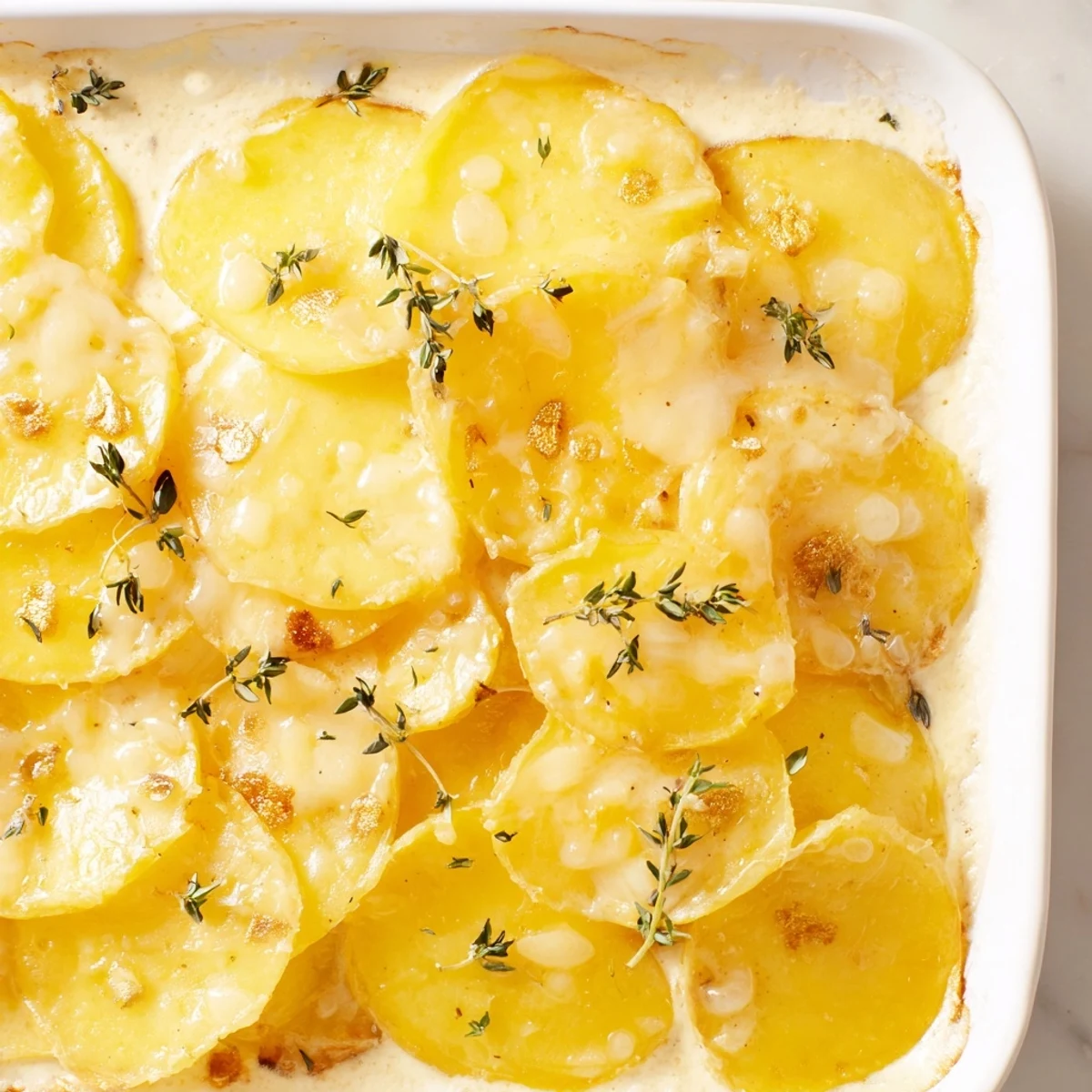
- Spread half your potato slices evenly across the bottom of the buttered dish. They should overlap slightly, like roof tiles. Now sprinkle half of both cheeses over them—don't be shy. This creates little pockets of melted cheese throughout
- Add the first cream pour:
- Carefully pour half of your warm cream mixture over the potatoes and cheese. Watch it seep down between the layers. This is the moment where the transformation begins
- Create the second layer:
- Arrange the remaining potato slices on top, again overlapping gently. Top with all remaining cheese. This creates a golden crown that will become irresistibly crispy
- Final cream pour and butter finish:
- Pour the remaining cream mixture evenly across the top. If some areas look dry, you can gently nudge potatoes aside and encourage the cream to flow underneath. Dot the entire surface with small pieces of butter—scatter them like you're blessing the dish
- The covered bake:
- Cover everything tightly with foil and slide into your preheated oven. Set a timer for 40 minutes. During this time, the potatoes soften and the cream gets absorbed, creating a unified, creamy whole
- The uncovered finish:
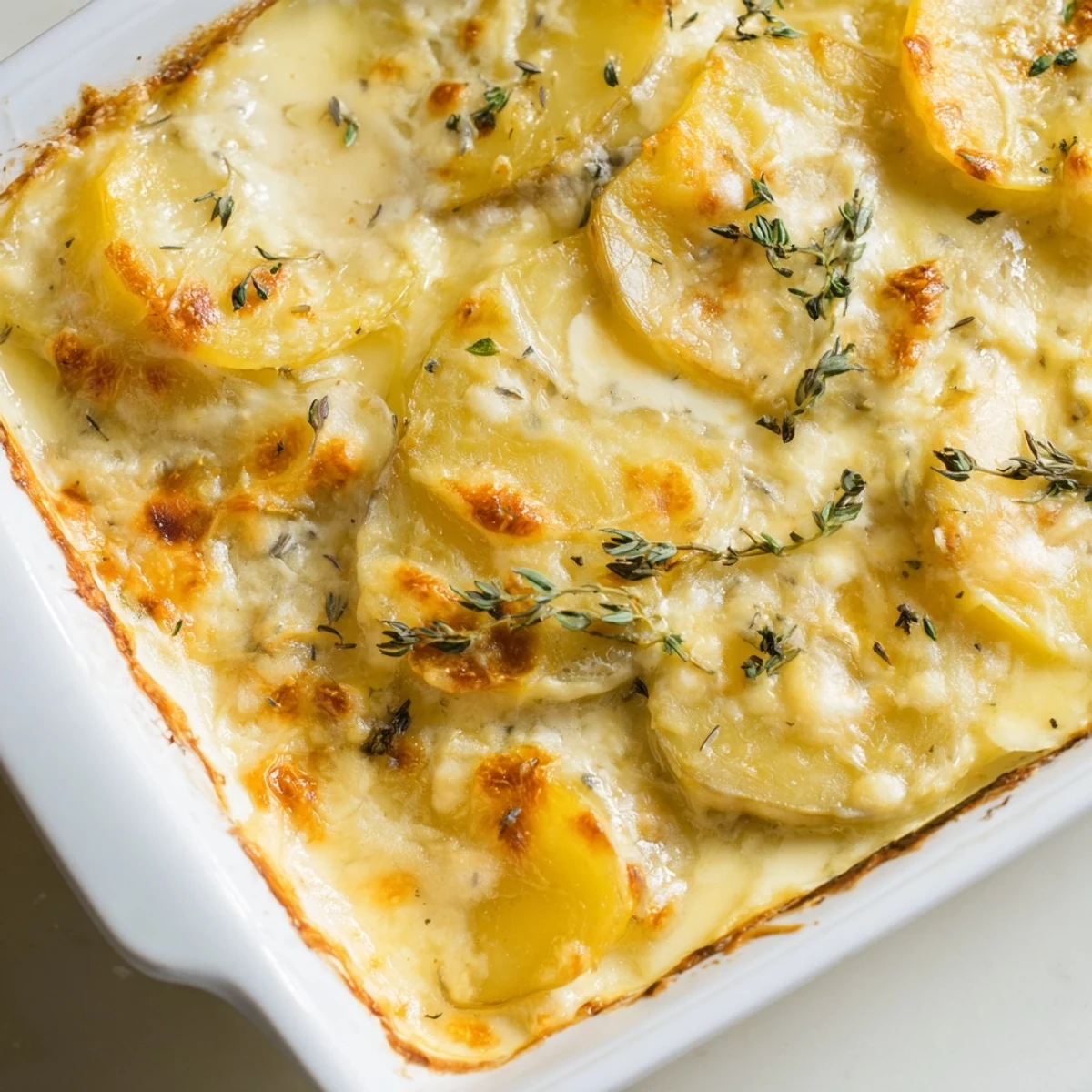
- Remove the foil and bake for another 20 minutes. Watch through the oven door as the top transforms from pale to golden to deep golden-brown. When you can see bubbles at the edges and the top is that burnished color, you're done. Tender potatoes should yield to a knife with no resistance
- The most important step: rest:
- Remove from the oven and let it sit for 10 minutes. I know you want to eat it immediately—the steam rises, it smells incredible—but this rest allows everything to set slightly so it holds together when you serve it. Garnish with a few fresh thyme leaves right before serving
 Save
Save There's something profound about feeding people food that makes them close their eyes while eating. This gratin has that power. Serve it warm, watch their faces, and understand that comfort food is never really about the food.
Variations That Work Beautifully
Once you understand the basic structure, you can improvise. Substitute Gruyère with sharp cheddar for a tangier version, or try Emmental for something milder. Some cooks layer in caramelized onions between the potatoes—I learned this makes it richer and more restaurant-quality. A whisper of truffle oil drizzled on top before serving elevates it for special occasions. The thyme is classic, but rosemary creates an entirely different but equally delicious dish.
Perfect Pairings and Serving Suggestions
This gratin is the friend that makes everything around it taste better. Serve it alongside roasted meats—beef, lamb, or chicken all become more special with this on the plate. It's also the perfect side for a vegetarian dinner when paired with roasted vegetables and a crisp salad. I always think about wine: a Sauvignon Blanc cuts through the richness perfectly, or if you want red, a light Pinot Noir works wonderfully.
- Pair with roasted lamb or beef for a dinner that feels special but doesn't feel stressful
- Serve alongside a simple green salad dressed in lemon vinaigrette to balance the richness
- Make it a day ahead—it reheats beautifully covered in foil at 325°F, and flavors deepen overnight
The Science of Creamy Potatoes
Understanding what's happening helps you troubleshoot. Potatoes contain starch that leaches into the cream during baking, naturally thickening it into a sauce. The dairy coats each potato slice, conducting heat evenly. Cheese melts and emulsifies into the cream, creating creaminess. This is why cold cream on raw potatoes doesn't work as well as warm cream—the temperature allows all these processes to happen gracefully. This is also why you can't rush it by raising the oven temperature. Every element needs time to transform.
 Save
Save This gratin teaches you that sometimes the most memorable dishes are the simplest ones, requiring only attention and care. Make it often, and it becomes your signature.
Your Questions Answered
- → What type of potatoes work best?
-
Yukon Gold or Russet potatoes are ideal due to their starchy texture and ability to absorb flavors while maintaining a tender bite.
- → Can I substitute the cheeses?
-
Yes, sharp cheddar or Emmental cheese can replace Gruyère for a different, yet still rich flavor profile.
- → How do I prevent the gratin from drying out?
-
Ensure the cream mixture is warm and poured evenly over the potatoes, and cover with foil during most of the baking time to retain moisture.
- → Is it better to slice potatoes thinly or thickly?
-
Thin slices allow even baking and tender layers, ensuring the cream and cheese meld smoothly with each bite.
- → Can I add extra aromatics?
-
Sautéed onions make a delicious addition to add sweetness and depth to the dish.