
 Save
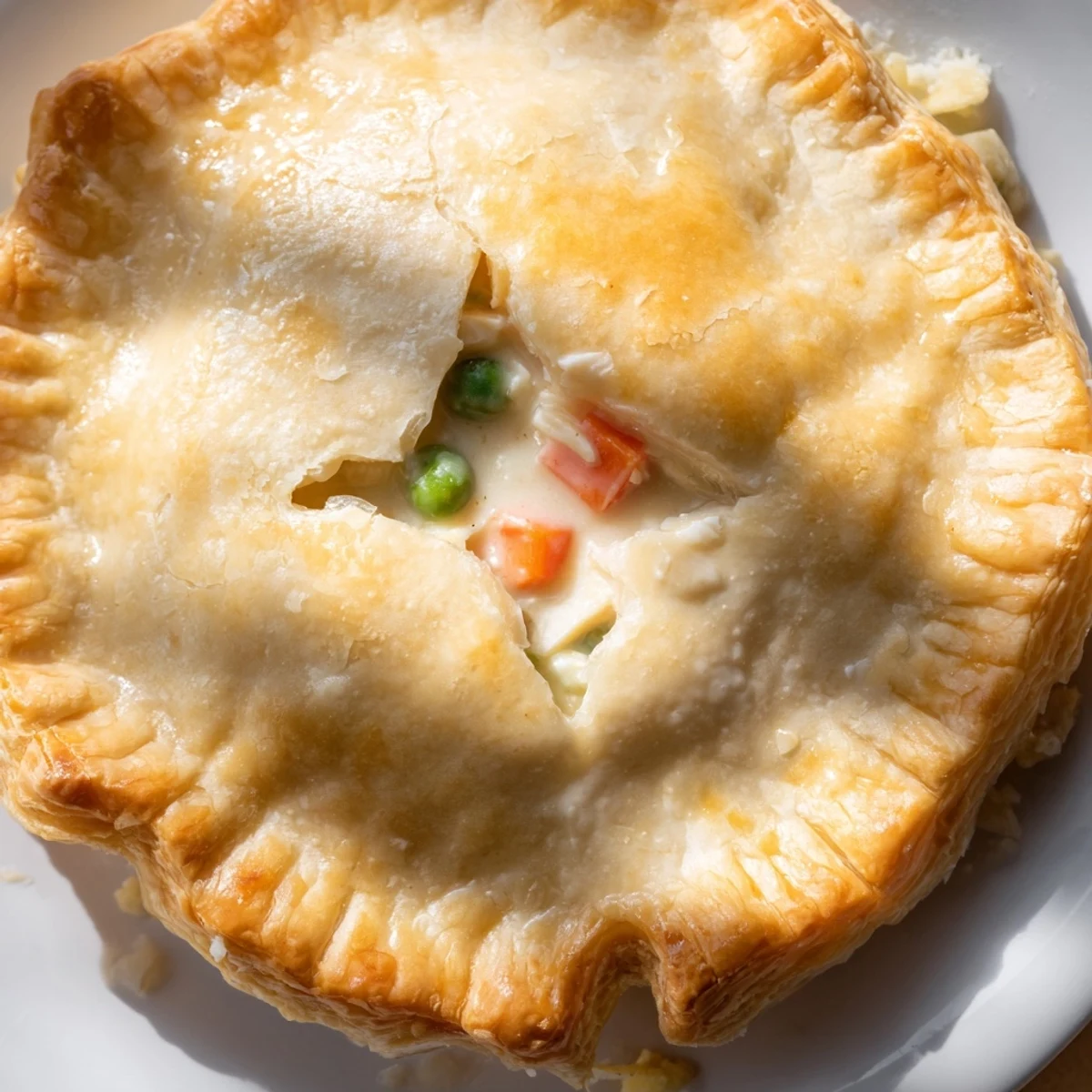
Save This dish features tender chicken combined with sautéed onions, carrots, celery, and peas in a creamy, herb-infused sauce. Encased in a golden, buttery crust, the flaky pastry adds a satisfying texture that complements the rich filling. Perfectly baked to a crisp finish, it offers a comforting balance of flavors and hearty ingredients ideal for a wholesome main course.
There's something about chicken pot pie that stops time in a kitchen. My aunt made hers on Sunday afternoons when the whole family would gather, and the smell of that golden crust baking would drift through the house long before anyone was actually hungry. Years later, I realized it wasn't the recipe itself that made those moments magical—it was how a simple dish could make everyone pause, sit down, and actually talk to each other. Now I make it the same way, and it still does that.
I made this for my neighbor last winter when she was under the weather, and she cried when she saw it. Not sad tears—the kind that means someone remembered you were struggling and showed up with food. That pie sat on her counter cooling for five minutes before she dug in, and I watched from her doorway as she took that first bite. Comfort food is real; it's not just something people say.
Ingredients
- All-purpose flour (2 1/2 cups for crust, 1/3 cup for roux): The crust flour needs to be measured by spooning and leveling, not scooping, or you'll end up with tough, dense pastry. The flour for the roux is your thickening agent, and cooking it out for two minutes removes that raw, chalky taste.
- Unsalted butter (1 cup for crust, 2 tbsp for filling): Cold butter makes flaky layers; warm butter makes pie crust that feels more like bread. Cube it and keep it in the freezer until the moment you need it.
- Ice water (6–8 tbsp): Start with less and add gradually because flour varies in how thirsty it is depending on humidity and how it was stored.
- Egg (1 whole): Just for the wash, which gives that beautiful shine and helps the crust brown evenly.
- Medium onion, carrots, and celery: This is your flavor foundation, and dicing them small helps them soften evenly and distribute throughout the filling.
- Garlic (3 cloves): Mince it fine so it cooks quickly and flavors the whole dish rather than giving you big hits of raw garlic.
- Chicken broth and whole milk: Together they create a sauce that's rich but not heavy; the broth carries chicken flavor while the milk makes it silky.
- Cooked chicken (3 cups): Rotisserie chicken is your friend here—it's already tender and flavorful, and nobody judges you for using it.
- Frozen peas (1 cup): They add sweetness and a pop of color, and frozen actually works better than fresh because they hold their shape.
- Dried thyme and sage: These are the herbs that whisper comfort, not shout spice; they're what make people ask if something is wrong because it smells like home.
Instructions
- Make the crust first and let it rest:
- Whisk flour and salt together, then work in the cold cubed butter using your fingertips or a pastry cutter until the mixture looks like coarse sand with some pea-sized chunks still visible. The chunks are what create flaky layers, so don't overmix. Sprinkle ice water over gradually while mixing gently with a fork until the dough just barely holds together—it should look shaggy and not completely uniform. Divide in half, shape into disks, wrap, and chill for at least 30 minutes so the gluten relaxes and the butter stays cold.
- Build the filling flavor base:
- Melt butter in your largest skillet and add the diced onion, carrots, and celery, letting them soften for about 6 minutes while you listen for the sizzle to quiet down a bit. Add minced garlic and cook for one more minute, stirring, so it becomes fragrant without browning.
- Make the sauce:
- Sprinkle flour over the vegetables and stir constantly for about 2 minutes so the flour cooks and loses that raw taste. Slowly pour in the chicken broth while whisking to prevent lumps, then add the milk, and keep stirring as it thickens—you want it to coat the back of a spoon after 5 to 7 minutes.
- Bring everything together:
- Stir in the shredded chicken, frozen peas, thyme, sage, salt, and pepper, then let it simmer for just 2 minutes to meld the flavors slightly. Taste it and adjust seasoning now because you won't get another chance. Let it cool while you work on the crust.
- Assemble and seal:
- Roll out one dough disk until it's thin enough to drape into a 9-inch pie dish, pressing gently so it fits without gaps. Pour in the cooled filling, then roll out the second disk and lay it over top, trimming excess dough and crimping the edges with a fork so they seal and look intentional. Cut a few small slits in the top to let steam escape, or the filling will push up and burst through.
- Finish and bake:
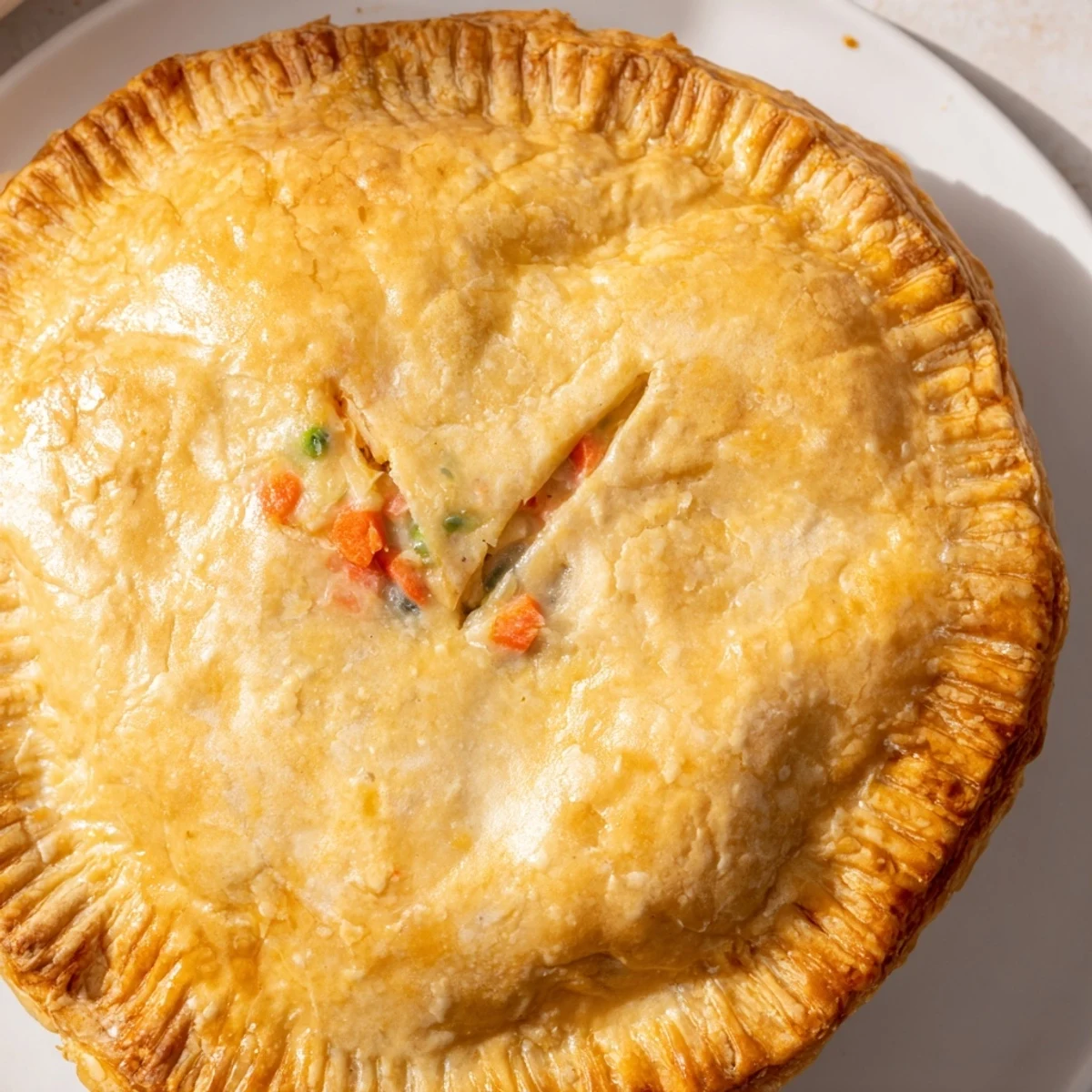
- Beat the egg with a tablespoon of water and brush it all over the crust, which gives it that deep golden color as it bakes. Bake at 400°F for 40 to 45 minutes until the crust is golden and you can see the filling bubbling up through those slits. If the edges are browning too fast, loosely tent them with foil, but uncover in the last few minutes so the crust crisps.
- Rest before serving:
- Let it sit for 10 minutes after coming out of the oven so the filling sets up just enough to hold its shape when you cut into it. If you cut into it while it's still bubbling hot, it will run all over the plate, which looks messy even though it tastes the same.
 Save
Save I once brought this to a potluck where someone's homemade lasagna was competing for attention, and this pie disappeared first. That taught me something about comfort—it's not about impressing anyone, it's about feeding the need that everyone carries to feel taken care of. When people eat food made with real butter and real time, they taste the difference even if they can't name it.
Crust Variations That Actually Work
The basic butter crust is reliable, but I've experimented enough to know what works and what doesn't. Adding a tablespoon of vodka to the ice water creates an even flakier crust because the alcohol evaporates faster than water, so it hydrates the flour without toughening the dough—but be exact with it or you'll throw off the hydration. Some people use half butter and half shortening, which makes an incredibly flaky crust, though you lose a little of that butter flavor. If you're making this for someone avoiding dairy, use cold coconut oil or a quality butter substitute, but add a pinch of salt to compensate because these don't have the same mineral notes as real butter.
Filling Customizations and Substitutions
The filling is flexible because the magic is in the technique, not the specific proteins. I've made this with leftover turkey or shredded pork and it's equally good—anything with mild, savory flavor works. For a vegetarian version, use hearty mushrooms (cremini or portobello, diced and sautéed separately to remove excess moisture) or chickpeas for protein, swapping vegetable broth for chicken. A farmer once told me that adding diced potatoes turns this into a whole meal, and she was right—just cook them slightly in the filling before assembling so they're not crunchy in the middle. Adding frozen corn alongside the peas brightens the flavor, and a handful of fresh thyme (if you have it) tied into a bundle and removed before serving adds a freshness that dried herbs can't quite match.
The Moments When This Matters Most
Chicken pot pie is winter food, but it's also the dish you make when someone's moving to a new house, when a friend is recovering from surgery, or when the weather turns cold enough that you remember how much you love baked things. I learned this isn't a recipe you make on random Tuesdays—you make it because you're saying something without needing words. That's different from most cooking.
- Make it a day ahead and reheat it gently—flavors actually deepen overnight and you can spend time with your guests instead of timing a crust.
- If your filling thickens too much as it cools, stir in a splash of milk before pouring it into the crust so it spreads evenly.
- The pie can be assembled and frozen unbaked for up to a month; just add 10 extra minutes to the baking time if baking from frozen, and skip the egg wash until you're ready to bake.
 Save
Save This pie has fed my family through winters and celebrations, and it never gets old because the ritual of making it—rolling dough, filling the kitchen with steam, waiting for the crust to turn golden—is the real comfort. Make it for someone and you're not just giving them dinner; you're giving them the memory of being cared for.
Your Questions Answered
- → How do I achieve a flaky crust?
-
Use cold, cubed butter and gently cut it into the flour until pea-sized pieces form. Avoid overworking the dough and chill it before rolling out to maintain flakiness.
- → Can I prepare the filling ahead of time?
-
Yes, you can make the filling in advance and refrigerate it. Reheat gently before assembling with the crust to ensure even cooking.
- → What herbs enhance the flavor?
-
Thyme and sage are used to add earthy, aromatic notes that complement the chicken and vegetables beautifully.
- → What are good substitutions for chicken broth?
-
For a lighter or vegetarian-friendly option, vegetable broth or homemade stock works well without overpowering the filling.
- → How do I prevent the crust edges from burning?
-
Shield the edges with foil during baking if they brown too quickly to ensure an evenly golden crust.
- → What are some additions for extra heartiness?
-
Incorporate diced potatoes or mushrooms into the filling for added texture and richness.