
 Save
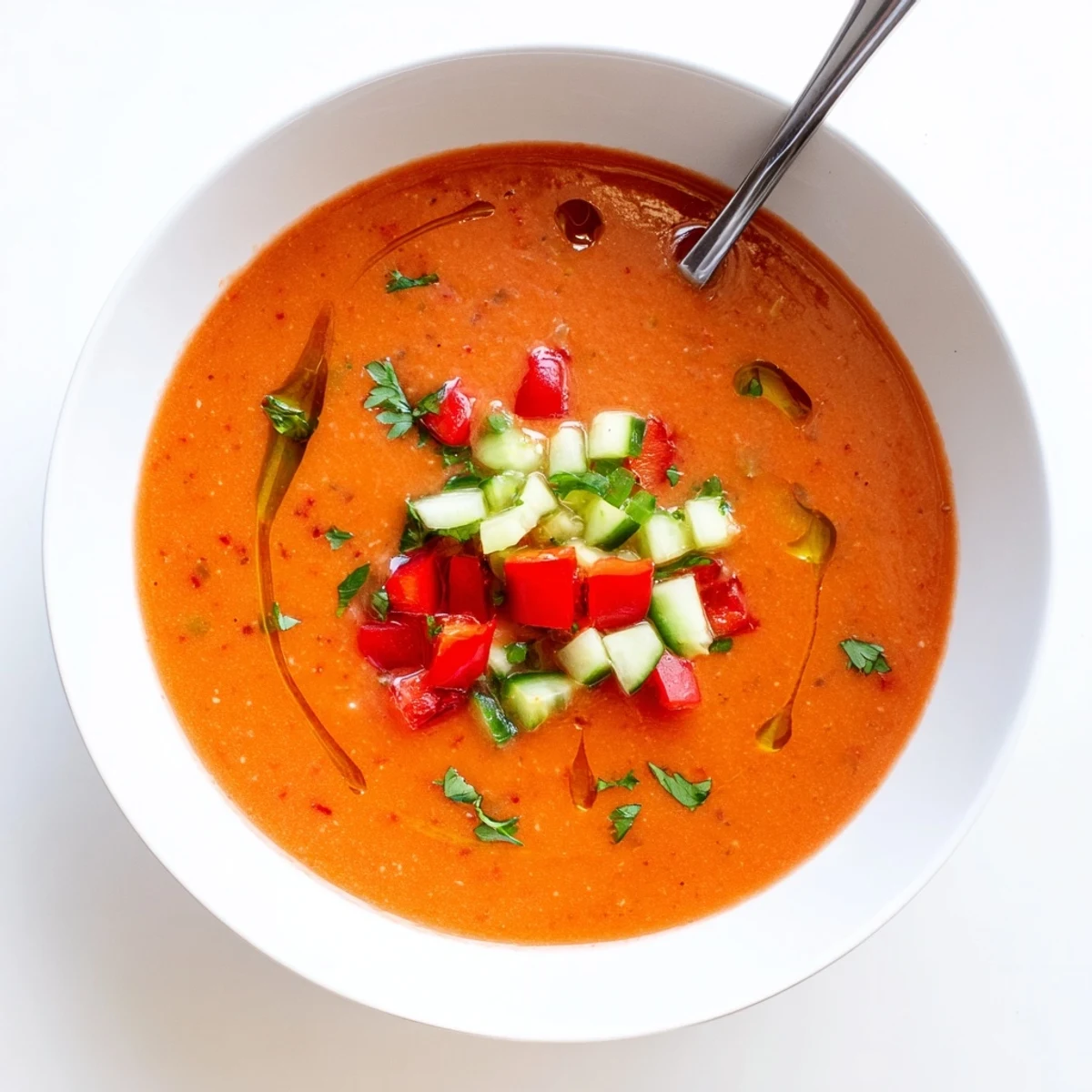
Save This classic Spanish creation brings together the vibrant flavors of ripe tomatoes, crisp cucumber, and bell peppers in a refreshingly cold preparation. The blend of fresh vegetables gets elevated with premium olive oil and sherry vinegar, creating a beautifully balanced dish that's perfect for warm weather dining. After blending to your preferred texture, simply chill thoroughly to let the flavors meld together. The result is a light, nourishing bowl that captures the essence of summer vegetables at their peak.
The blender screamed like a small jet engine at seven in the morning, which probably was not my finest decision as a houseguest in Seville. My friend Carmen came stumbling into the kitchen in slippers, took one look at the mountain of tomatoes on her counter, and simply said you are crazy but I respect it. That batch of gazpacho, made with tomatoes still warm from the market, changed how I think about soup forever.
I have since made this on roof decks in August, after overenthusiastic farmers market trips, and once at midnight when a heat wave made sleep impossible and cold soup felt like the only sane answer.
Ingredients
- 800 g ripe tomatoes: This is the soul of the soup, so use the ripest, reddest, most fragrant ones you can find. Heirlooms in peak season will make you look like a genius.
- 1 medium cucumber: Peel and seed it unless you love bitter notes and a weird texture. English cucumbers work beautifully here.
- 1 medium red bell pepper: Adds sweetness and body. Roast it first if you want a smoky twist, but raw keeps it classic.
- 1 small red onion: Keep it small. Too much onion takes over the whole bowl and no one wants to cry over cold soup.
- 2 garlic cloves: Two is a suggestion. I have used three and survived, but raw garlic is bossy so tread carefully.
- 2 tbsp fresh parsley or cilantro: Parsley is traditional. Cilantro works if you are the kind of person who likes a little controversy at the table.
- 4 tbsp extra virgin olive oil: Do not skip this or substitute cheap oil. The fruitiness is what makes gazpacho feel luxurious instead of like a smoothie gone wrong.
- 2 tbsp sherry vinegar: This is the right answer. Red wine vinegar steps in fine, but sherry vinegar gives that authentic Spanish tang.
- 250 ml cold water: Adjust to your preferred thickness. Some like it spoonable, some like it drinkable.
- 1 tsp sea salt and half tsp black pepper: Season boldly. Cold food always needs more salt than you think.
Instructions
- Rough chop everything:
- Core the tomatoes, peel and seed the cucumber, chop the pepper and onion. Nothing needs to be pretty since the blender does the real work. Toss it all in with the garlic and herbs.
- Blend until mostly smooth:
- Hit it in bursts so you can control the texture. Some people like a little bite left in there, others want it silky. You do you.
- Add liquids and season:
- Pour in the olive oil, vinegar, cold water, salt, and pepper. Blend again until it all comes together and tastes bright and balanced.
- Taste and adjust:
- Add another splash of vinegar if it tastes flat, or more water if it pours like paste. Trust your tongue over the recipe.
- Strain if you want refinement:
- Press through a fine mesh sieve to catch seeds and skins. This step is optional but turns rustic into elegant with almost no effort.
- Chill for at least two hours:
- Transfer to a container, cover it, and let the flavors marry in the fridge. Overnight is even better if you can wait that long.
- Serve with flair:
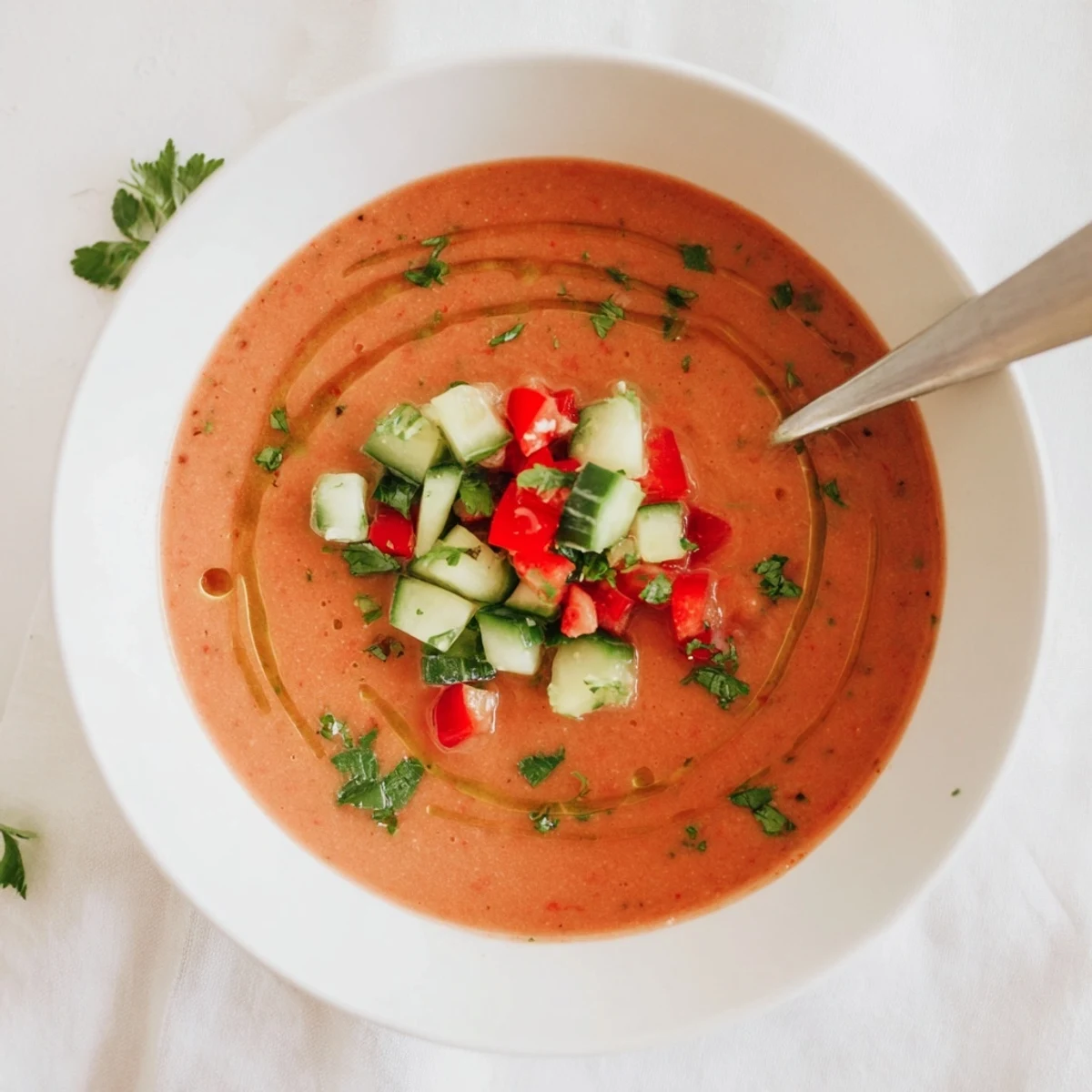
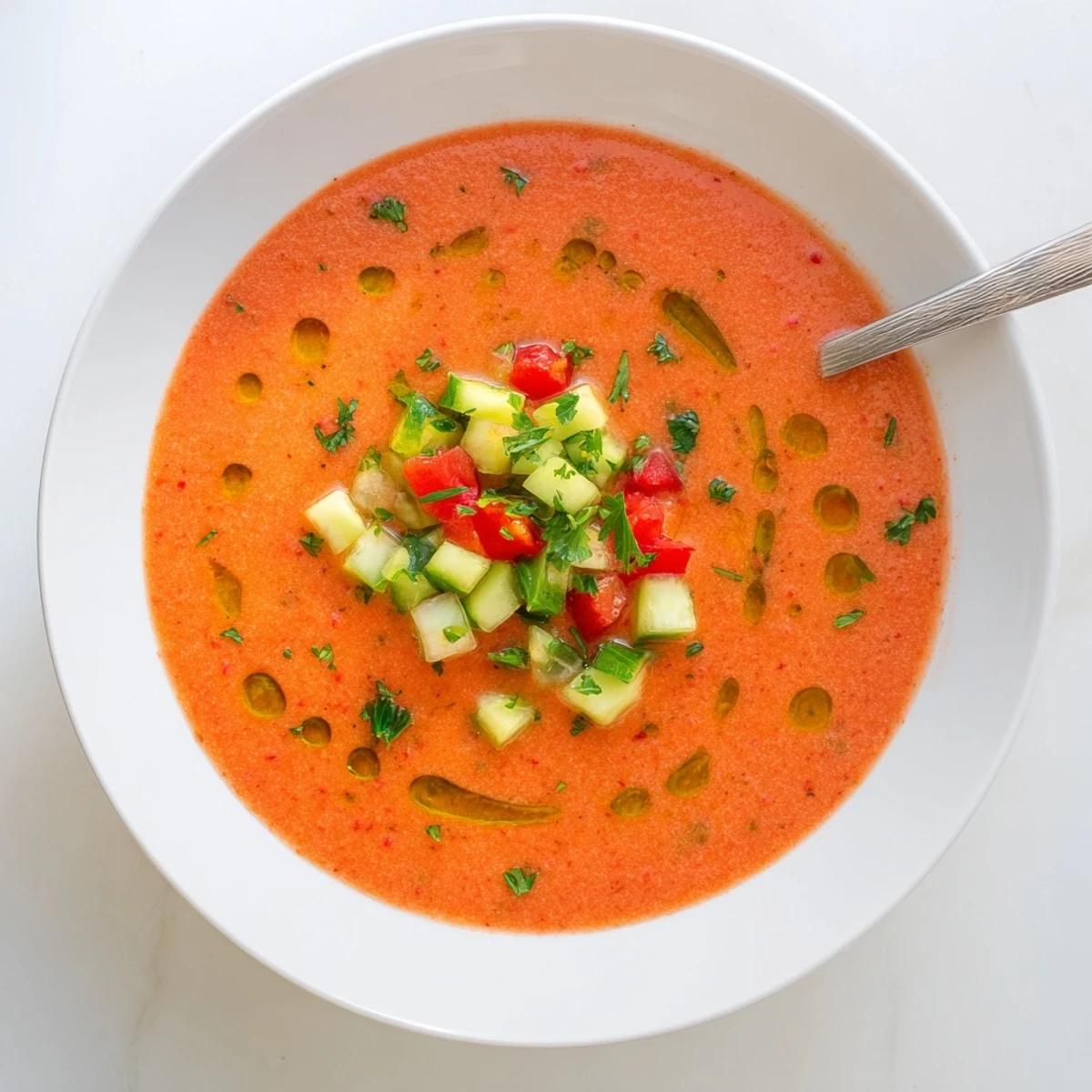
- Stir well, pour into shallow bowls, and shower with diced cucumber, pepper, herbs, croutons, and a generous swirl of good olive oil.
 Save
Save The best batch I ever made was poured into mason jars and handed out to neighbors during a blackout, and we all stood in the dark hallway drinking cold soup from jars and laughing about how fancy we felt.
Serving Ideas Worth Borrowing
Gazpacho in shot glasses as a starter at a dinner party makes you look like you planned something elaborate when you really just blended vegetables and poured them into smaller containers.
Making It Your Own
Toss in a slice of stale bread before blending if you want a thicker, creamier soup that leans traditional. A handful of almonds or a peeled peach also wandered into my blender once, and neither one was a mistake.
Keeping It Fresh
This soup holds beautifully in the fridge for up to three days and actually peaks around day two. Stir well before serving since it separates, which is totally natural and not a sign that anything went wrong.
- Freeze leftovers in ice cube trays for instant summer flavor in winter sauces.
- Shake the jar vigorously instead of stirring if you stored it in a bottle.
- Always taste for salt again before serving because cold mutes everything.
 Save
Save Keep it cold, keep it simple, and share it generously. Gazpacho is proof that the best recipes are often the ones that let the ingredients do all the talking.
Your Questions Answered
- → How long should gazpacho chill before serving?
-
Refrigerate for at least 2 hours to allow flavors to develop and the soup to reach optimal chilled temperature. It can be made up to 24 hours in advance.
- → Can I freeze gazpacho?
-
Yes, gazpacho freezes well for up to 3 months. Thaw overnight in the refrigerator and give it a good stir before serving.
- → What type of tomatoes work best?
-
Use the ripest, juiciest tomatoes available. Vine-ripened or heirloom varieties provide the best flavor. Avoid mealy or underripe tomatoes.
- → Is straining necessary?
-
Straining is optional and depends on personal preference. It creates a silkier texture, while leaving it unstrained provides more fiber and a rustic feel.
- → Can I make this spicy?
-
Absolutely. Add a jalapeño or serrano pepper while blending, or serve with hot sauce on the side for those who enjoy heat.
- → What's the best way to serve gazpacho?
-
Serve in chilled bowls with creative garnishes like diced vegetables, fresh herbs, croutons, or a drizzle of olive oil for added texture and visual appeal.