
 Save
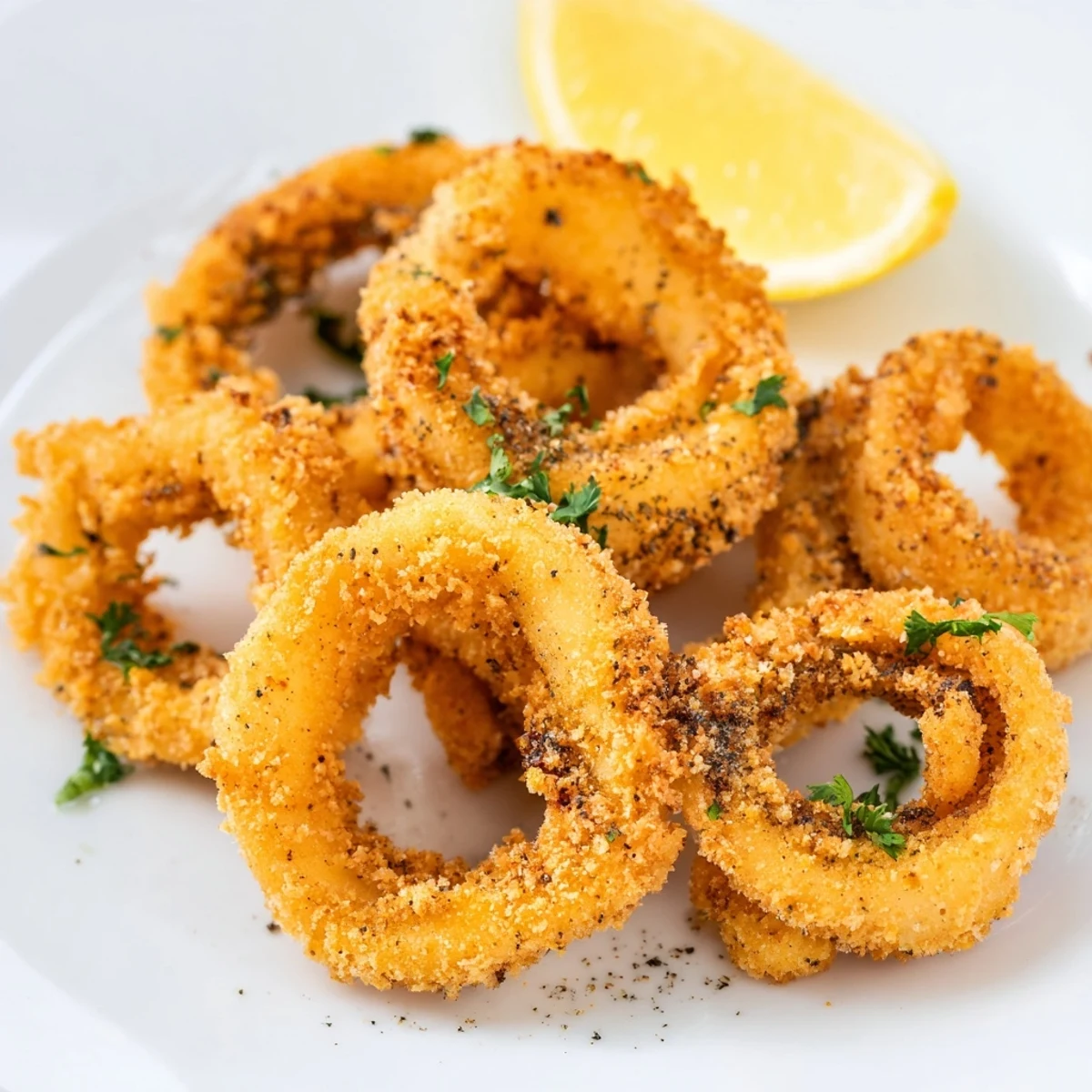
Save Enjoy tender calamari rings coated in a blend of flour, cornmeal, and spices, deep-fried until golden and crispy. Served with zesty lemon wedges and optional fresh parsley for a bright finish. This dish comes together quickly, making it an easy and delightful choice for an appetizer or light bite. Ensure frying oil is hot and avoid overcrowding to maintain crisp texture.
Tip: Add paprika or cayenne for subtle heat, and serve with aioli or tartar sauce for extra flavor. Perfect for pescatarian-friendly Mediterranean meals.
I was supposed to be impressing someone on a first dinner date, and instead of playing it safe, I insisted on making crispy calamari rings from scratch. My hands were shaking slightly as I sliced the fresh calamari, but the moment those golden rings emerged from the oil—perfectly crisp, not a hint of rubbery texture—I knew I'd made the right call. Now whenever I make this dish, that nervous excitement comes rushing back.
Years later, I brought this to a potluck where someone's grandmother had just arrived from Sicily, and I was terrified she'd judge my version. She tried one ring, smiled, and asked for my method—said it reminded her of her mother's kitchen by the sea. That moment made me realize this simple dish carries real meaning.
Ingredients
- Fresh calamari, cleaned and sliced into 1 cm rings (500 g): The foundation of everything—buy it the day you plan to cook, and ask your fishmonger to clean it if possible.
- All-purpose flour (100 g): This creates the delicate, light crust that makes people ask for the secret.
- Cornmeal or fine semolina (50 g, optional): If you want that extra crunch that echoes when you bite down, this is your answer.
- Sea salt and freshly ground black pepper (1 tsp salt, ½ tsp pepper): Don't skip the fresh grinding—it completely changes the flavor profile.
- Paprika (½ tsp, optional): A subtle warmth that feels generous without overwhelming.
- Vegetable oil for frying (500 ml): Choose a neutral oil with a high smoke point—peanut or grapeseed work beautifully.
- Fresh lemon wedges (1 large lemon): The bright finishing touch that pulls everything together.
- Fresh parsley, finely chopped (1 tbsp, optional): A whisper of green that makes the plate feel alive.
Instructions
- Prepare the calamari:
- Pat each ring completely dry with paper towels—this is non-negotiable for crispiness. Moisture is the enemy of golden coating.
- Mix your seasoned flour:
- Combine flour, cornmeal if using, salt, pepper, and paprika in a shallow bowl and whisk until evenly distributed. The cornmeal should be almost invisible but present throughout.
- Coat with intention:
- Toss calamari rings in the flour mixture, making sure each ring gets a full dusting. Shake off excess gently so you have a light, even coat, not clumps.
- Heat the oil to perfection:
- Bring oil to exactly 180°C (350°F)—use a thermometer if you have one, or test by dropping a tiny piece of bread in; it should sizzle and brown in about 20 seconds. Too cool and it absorbs oil; too hot and it burns.
- Fry in small batches:
- Work in batches of about 10-12 rings at a time so the temperature stays steady. Overcrowding drops the temperature and creates soggy, oily results instead of that precious crispness.
- Watch for the golden moment:
- Fry for 1 to 2 minutes until the rings are light golden and floating slightly. Listen for the sound to change—it gets quieter as they finish.
- Drain and serve:
- Transfer to paper towels with a slotted spoon, then to your serving platter while still warm. Scatter parsley over the top and serve with lemon wedges.
 Save
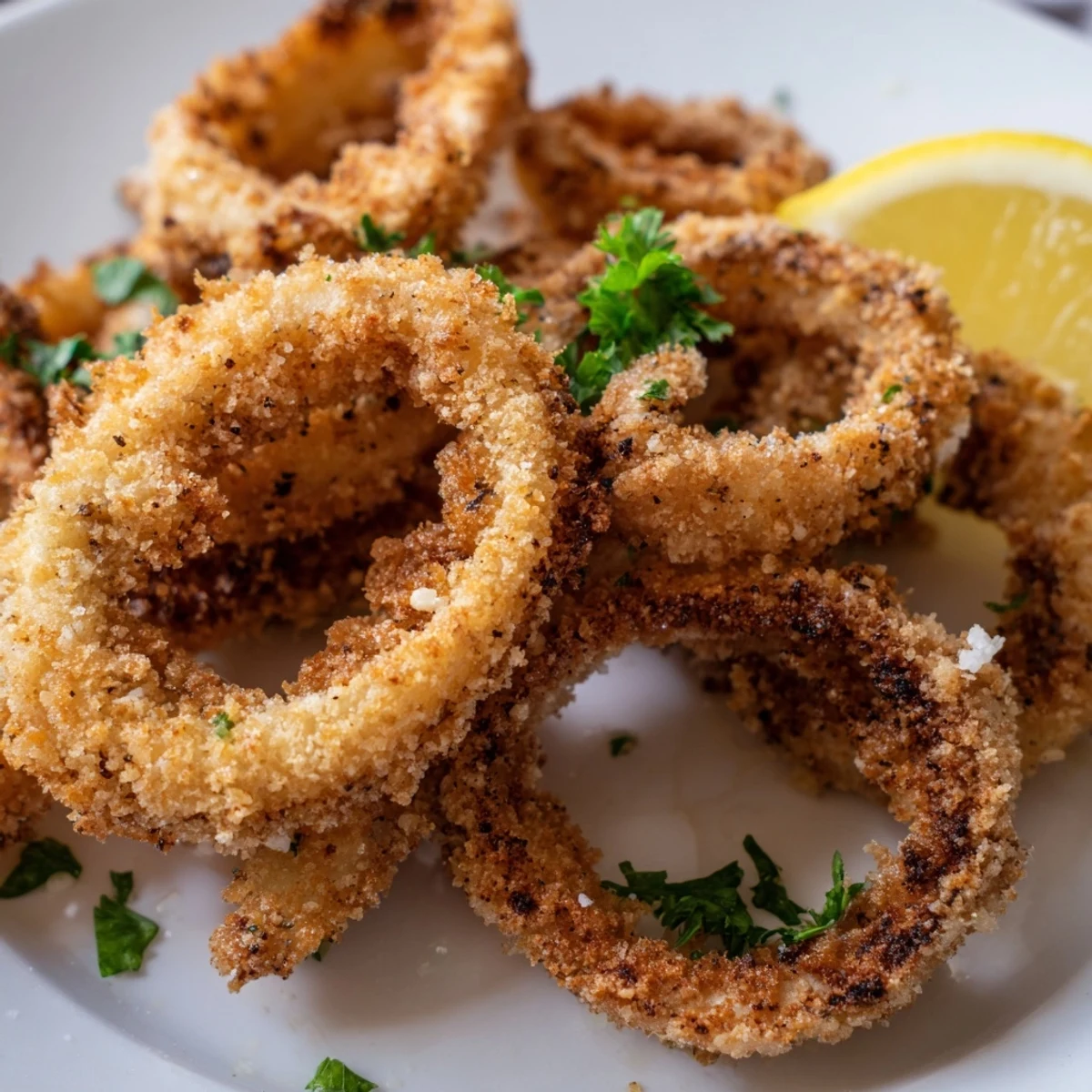
Save I learned the hard way that calamari has a tiny window where it's perfect—right at that moment when you squeeze lemon juice over it and the aroma hits you. My grandmother used to say the best appetizers are the ones that make people pause mid-conversation, and this one does exactly that.
The Secret to Golden Crispy Coating
The combination of flour and cornmeal creates layers of texture that plain flour alone can't achieve. When you use only all-purpose flour, you get a thin, somewhat delicate crust; add cornmeal and suddenly there's a subtle grittiness that catches light and creates real crunch. I've made this both ways, and the difference is immediate the moment someone bites down. The cornmeal also helps absorb any final bits of moisture clinging to the calamari surface.
Why Oil Temperature Matters More Than You Think
Getting the oil temperature right is what separates restaurant-quality calamari from soggy disappointment. When I first made this dish, I just guessed and ended up with rings that were pale on the outside and somehow still chewy inside—they'd absorbed way too much oil. A thermometer costs almost nothing, and it completely changes your success rate. If your oil drops below 170°C, the calamari will drink it up like a sponge; if it climbs above 190°C, the outside burns before the inside finishes cooking.
Variations and Final Touches
Once you master the basic version, the variations become endless and fun. I've dusted the finished rings with everything from smoked paprika to dried oregano, tried mixing in a pinch of cayenne for heat, and even experimented with fresh herbs in the coating. The beauty is that the base method stays rock-solid, so you can play with flavors without worrying about technique failures.
- Try a squeeze of hot sauce or a dollop of garlic aioli alongside the lemon for depth.
- Serve immediately while warm—waiting even five minutes starts the crispiness fade.
- Fresh calamari makes all the difference, so don't skip that quality ingredient step.
 Save
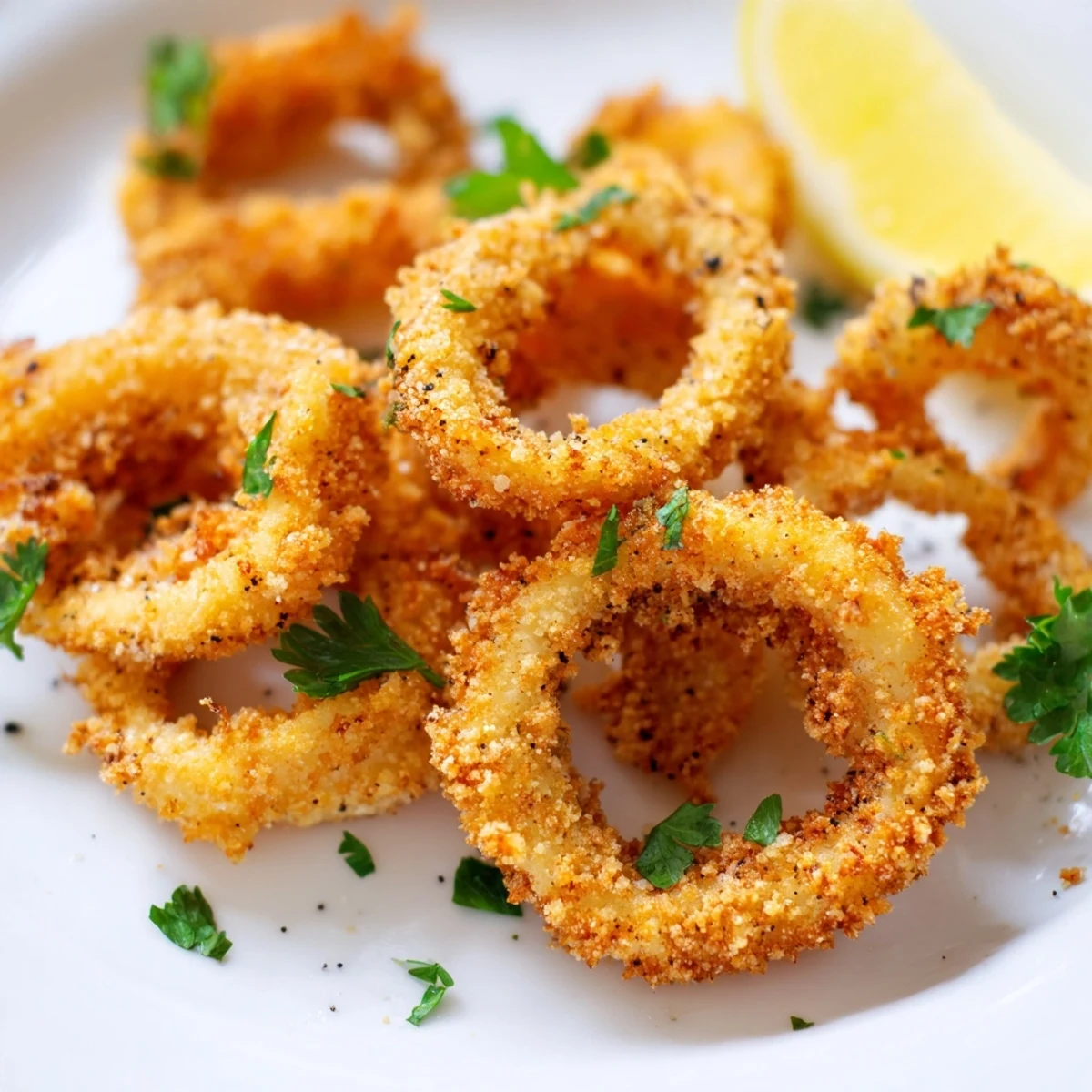
Save This appetizer has become my go-to when I want to feel like I've done something special without spending hours in the kitchen. Every time I make it, someone asks for the recipe, and I know I've just created another moment worth remembering.
Your Questions Answered
- → How do I ensure the calamari stays crispy?
-
Coat calamari evenly in the flour and cornmeal mixture and fry in hot oil (180°C) without overcrowding the pan to maintain crispness.
- → Can I make this gluten-free?
-
Yes, substitute all-purpose flour with rice flour and ensure the frying oil is uncontaminated to keep it gluten-free.
- → What is the best oil for frying calamari?
-
Vegetable oil with a high smoke point works best for deep frying to achieve even cooking and crispiness.
- → How long should calamari rings be fried?
-
Fry calamari rings in batches for 1–2 minutes until golden and crispy; avoid overcooking to prevent rubbery texture.
- → What garnishes complement fried calamari?
-
Fresh lemon wedges and chopped parsley add brightness and enhance the flavor of crispy calamari.