
 Save
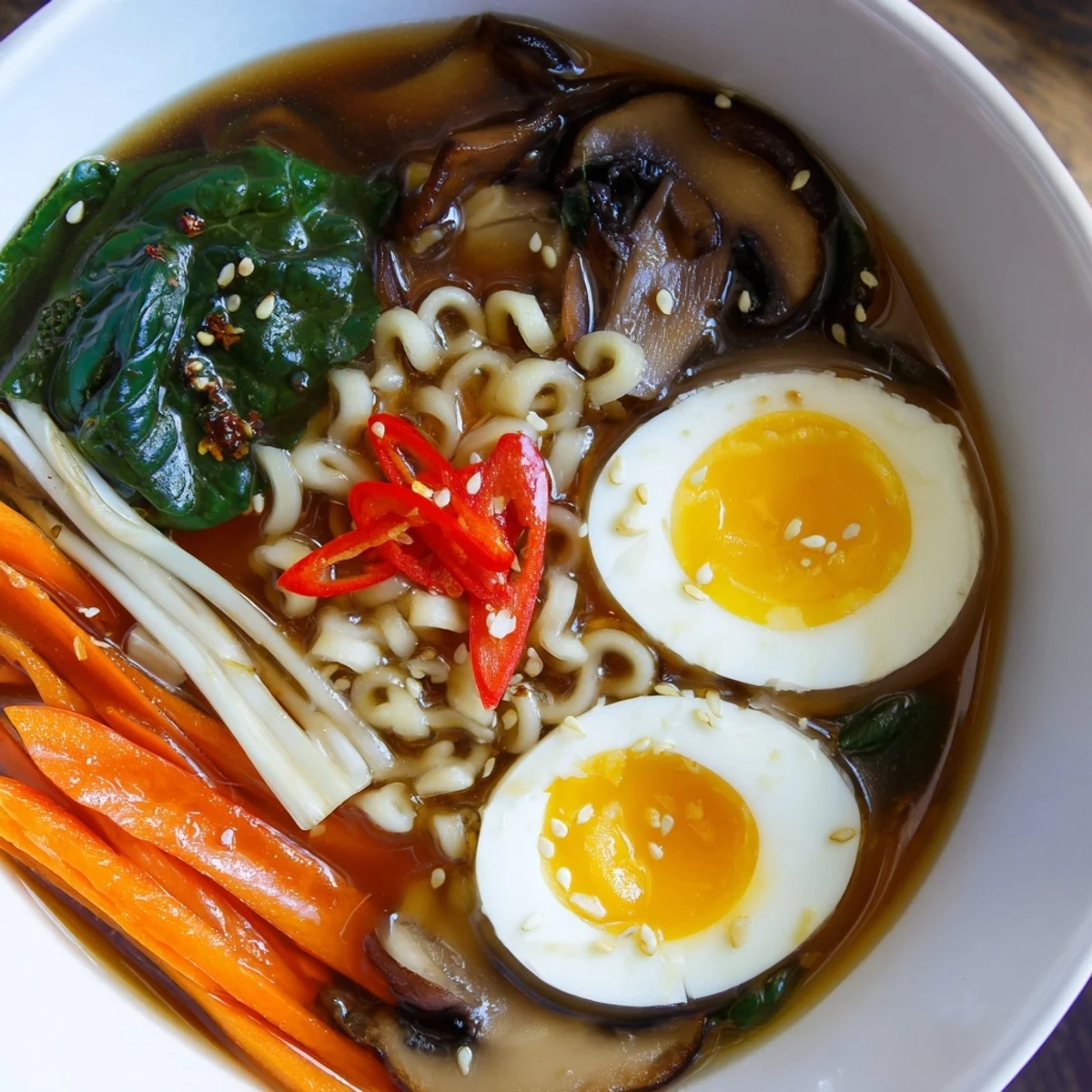
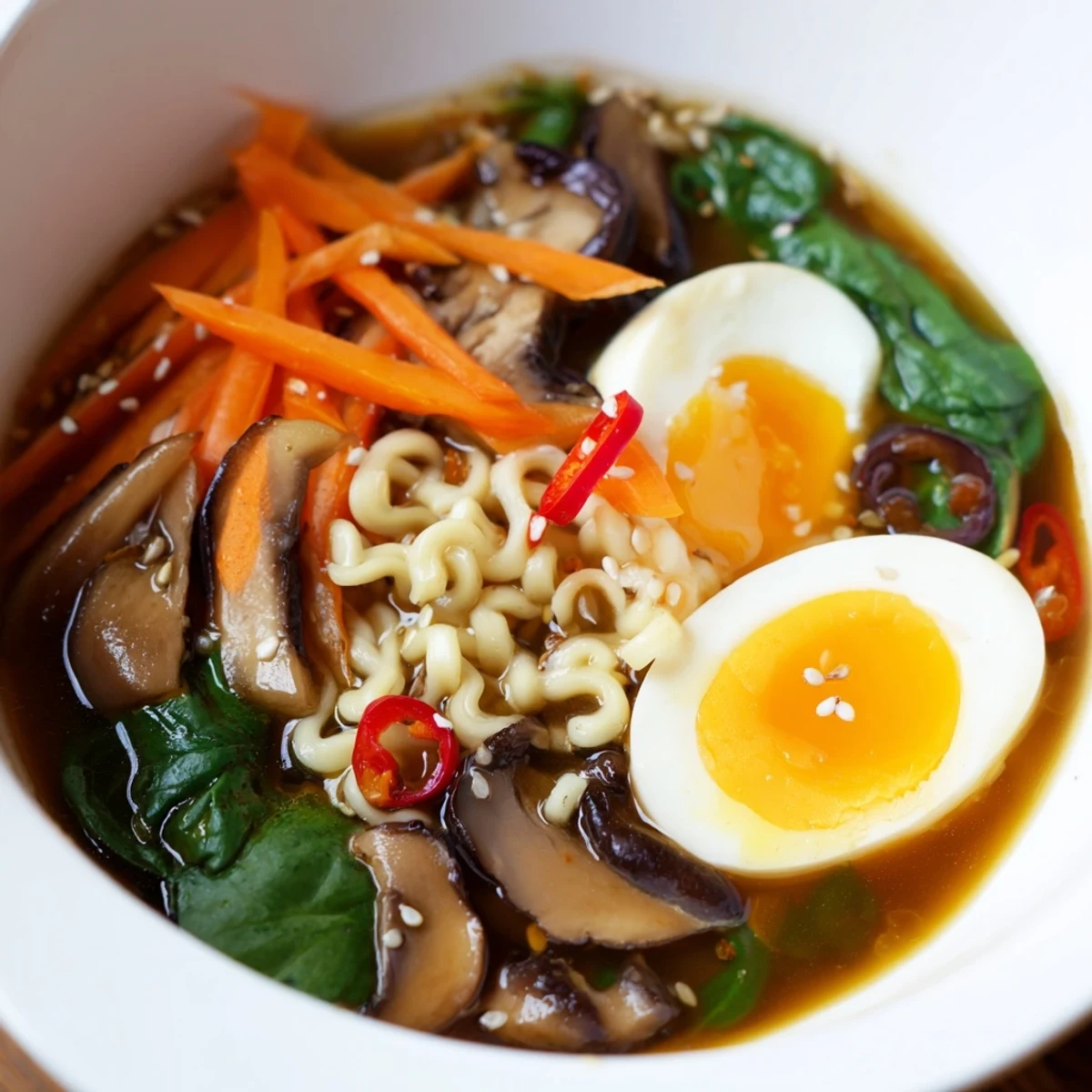
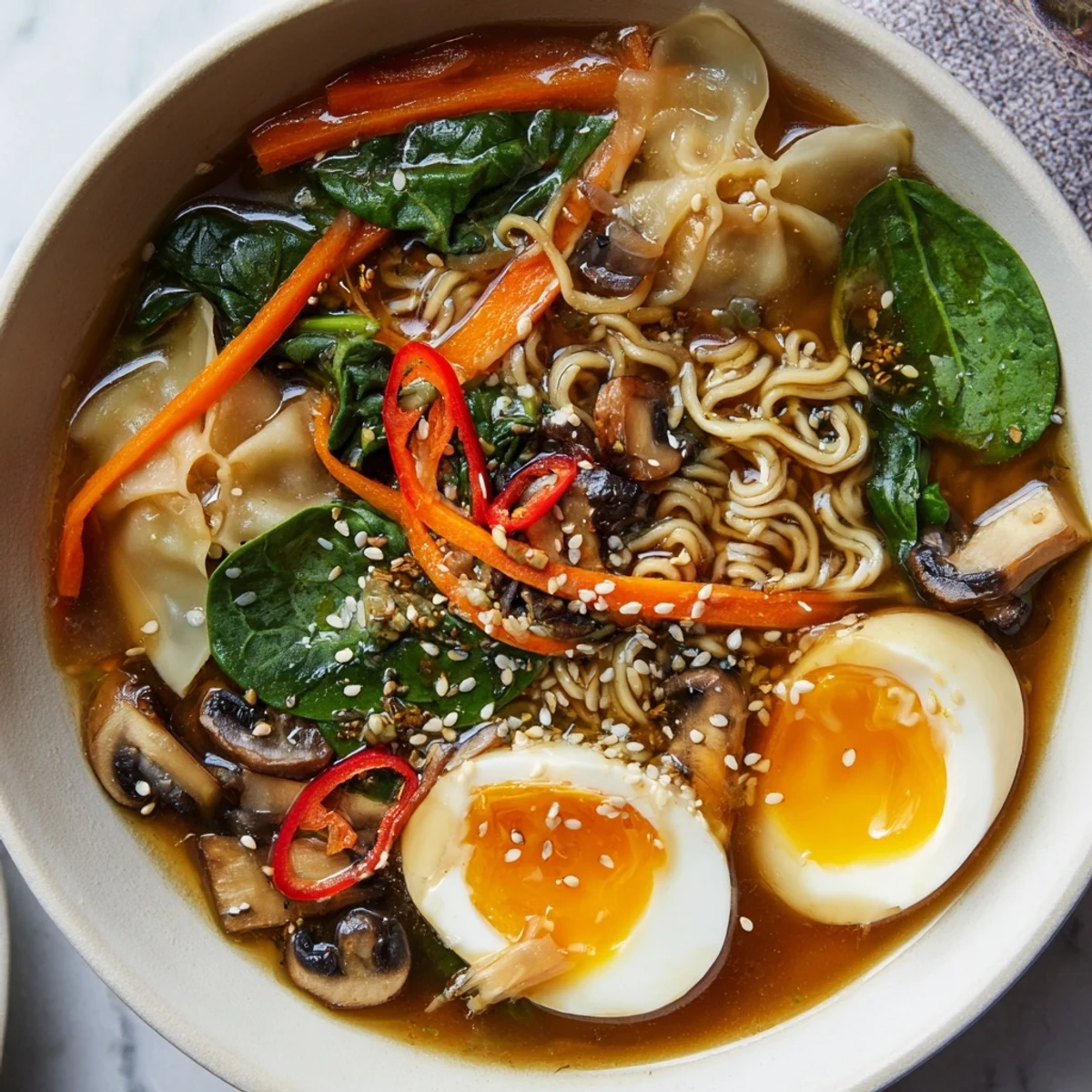
Save This satisfying bowl combines chewy ramen noodles with Asian dumplings in a deeply flavorful broth. The base starts with garlic and ginger-infused chicken or vegetable stock, enhanced with miso paste, soy sauce, and a drizzle of aromatic sesame oil. Shiitake mushrooms simmer directly in the broth, contributing their earthy richness, while fresh baby spinach and julienned carrots add vibrant color and nutrients. Each bowl gets topped with sliced green onions, toasted sesame seeds, and optional soft-boiled eggs for extra protein. The entire dish comes together in under an hour, making it perfect for weeknight dinners when you want something nourishing and comforting.
There was this tiny ramen shop near my old apartment that made the most incredible dumpling ramen, and I must have gone there fifty times trying to reverse-engineer their broth. The owner finally just laughed and told me it was about patience and good miso, not some secret technique. This recipe is what came from those rainy Tuesday nights experimenting in my tiny kitchen.
My roommate used to request this whenever she had a rough day at work, saying the steam from the broth alone was therapeutic. wed sit on the floor with our bowls between us, watching terrible movies and letting the noodles warm us from the inside out.
Ingredients
- 12 Asian dumplings: Frozen works perfectly here, but if you find fresh ones from a local market, theyre next-level
- 6 cups low-sodium broth: Starting with less salt lets you control the seasoning with soy sauce and miso
- 2 tablespoons soy sauce: This is your salt base, so taste as you go
- 1 tablespoon miso paste: White miso is milder, red miso gives you more depth
- 2 teaspoons sesame oil: Toasted sesame oil adds that nutty richness that makes ramen taste complete
- 2 garlic cloves: Freshly minced makes a difference in the final broth flavor
- 1-inch fresh ginger: Slice it thin so it infuses the broth without overwhelming
- 1 tablespoon mirin: Totally optional but adds a subtle sweetness that balances everything
- 8 oz ramen noodles: Fresh noodles have better texture, but dried work in a pinch
- 1 cup shiitake mushrooms: They hold up better in hot broth than button mushrooms
- 1 cup baby spinach: Add this at the very end so it stays bright
- 1 small carrot: Julienned thin for quick cooking and pretty color
- 4 green onions: Both white and green parts add different kinds of flavor
- 1 tablespoon toasted sesame seeds: These add crunch and nuttiness on top
- Soft-boiled eggs and red chili: Optional toppings that make it feel restaurant-quality
Instructions
- Build the aromatic base:
- Heat sesame oil in your largest pot over medium heat, then add the sliced ginger and minced garlic. Let them sizzle for about 2 minutes until your whole kitchen smells amazing.
- Create the broth:
- Pour in the broth, soy sauce, miso paste, and mirin if you are using it. Stir until the miso dissolves completely, then bring everything to a gentle simmer.
- Add the mushrooms:
- Drop in the sliced shiitakes and let them swim in the broth for 10 minutes. They will absorb all that flavor while softening up beautifully.
- Cook the noodles:
- While the broth does its thing, cook your ramen noodles according to the package directions. Drain them well and set aside, maybe tossing them with a tiny bit of oil so they do not stick.
- Cook the dumplings:
- Gently lower the dumplings into the simmering broth and let them cook for 5 to 7 minutes. You will know they are done when they float to the surface like happy little boats.
- Add the fresh vegetables:
- Toss in the spinach and julienned carrots, simmering for just 1 to 2 minutes. You want the spinach barely wilted and the carrots still slightly crisp.
- Assemble the bowls:
- Divide the cooked noodles among four bowls, then ladle the hot broth over them. Arrange the dumplings and vegetables on top so everything looks generous and welcoming.
- Finish with toppings:
- Sprinkle with green onions, sesame seeds, and any other toppings you are using. That soft-boiled egg and chili slice really take it over the top.
 Save
Save This recipe became my go-to for dinner parties because everyone gets to customize their own bowl with different toppings. Something about lifting that steaming bowl to your face and inhaling the ginger-sesame steam just feels like being taken care of.
Making It Your Own
Once you have the basic broth down, this recipe becomes a canvas for whatever you are craving or have on hand. I have added corn kernels for sweetness, bok choy for extra greens, and even swapped in udon noodles when ramen was not available.
Timing Everything Right
The biggest lesson I learned was having all my ingredients prepped before I started cooking, because once that broth is simmering, everything happens quickly. I keep a small bowl of hot water on the side to loosen up the miso paste if it is being stubborn.
Leftovers and Storage
The broth actually tastes better the next day, but the noodles will soak up all the liquid and get mushy. Store the broth and dumplings separately from any leftover noodles, and recombine them when you are ready to eat.
- Cook fresh noodles when you are reheating leftovers
- Keep any soft-boiled eggs stored separately and add them fresh
- The broth will keep in the fridge for up to 4 days
 Save
Save There is something almost meditative about assembling each bowl just so, then finally sitting down to something that warms you from the inside out.
Your Questions Answered
- → Can I use fresh dumplings instead of frozen?
-
Absolutely! Fresh dumplings work wonderfully and may cook slightly faster than frozen ones, typically needing just 4-5 minutes in the simmering broth. They should float to the surface when done.
- → What type of broth works best?
-
Both chicken and vegetable broth yield excellent results. Low-sodium versions are recommended so you can control the saltiness through the miso paste and soy sauce. The miso adds deep umami flavor regardless of broth choice.
- → Can I make this dish vegetarian?
-
Yes! Simply use vegetable broth and select vegetable dumplings. All other components including the mushrooms, spinach, carrots, and seasonings are naturally plant-based.
- → How do I store leftovers?
-
Store broth, vegetables, and dumplings in an airtight container for up to 3 days. Keep noodles separate to prevent them from becoming mushy. Reheat broth on the stove and cook fresh noodles when serving.
- → What other vegetables can I add?
-
Bok choy, corn kernels, bamboo shoots, snow peas, or sliced bell peppers all complement the flavors beautifully. Add heartier vegetables like bok choy earlier so they have time to soften.
- → Is this dish gluten-free?
-
Traditional ramen noodles and dumplings contain wheat, but you can substitute with gluten-free ramen and rice paper dumplings. Use tamari instead of soy sauce and verify your miso is gluten-free.