
 Save
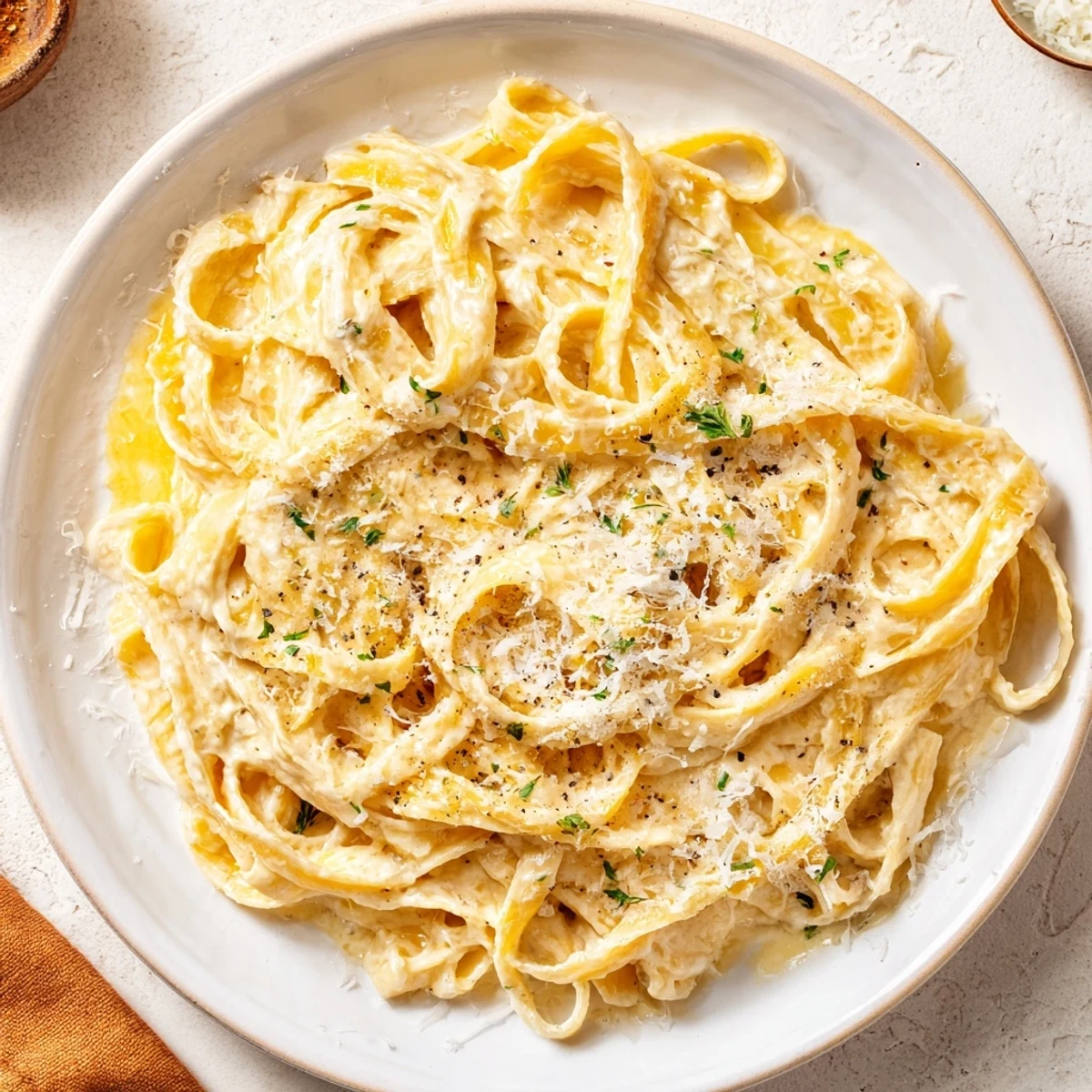
Save This Italian dish features tender fettuccine tossed in a luscious sauce made from butter, heavy cream, and freshly grated Parmesan. Garlic adds a subtle aroma, while a hint of black pepper enhances the flavor. The sauce’s creamy texture complements the pasta perfectly, and optional parsley and extra cheese brighten the plate. Ready in under 30 minutes, it's a simple yet indulgent option ideal for vegetarian dining and quick gourmet meals.
I still remember the first time I made Fettuccine Alfredo from scratch. I was in a tiny Roman kitchen years ago, watching a nonnas hands move with practiced ease as she whisked butter and cream together over a gentle flame. She never measured anything, just knew by feel and instinct. When she finally let me take the whisk, I realized this wasn't just pasta and sauce—it was a lesson in restraint and trust. The magic wasn't in complexity; it was in the quality of three simple ingredients treated with respect.
This is the dish I made for my partner the night we decided to move in together. No fancy preparations or stress, just us in the kitchen, tasting as we went, adding a pinch more pepper because that felt right. That bowl of Alfredo sitting between us at the table became the moment we both realized home wasn't a place—it was anywhere we were cooking together.
Ingredients
- Fettuccine, 400g (14 oz): Use fresh if you can find it, though good quality dried pasta works beautifully too. Fresh pasta will cook in just 2-3 minutes, so watch carefully and taste early
- Unsalted butter, 60g (4 tbsp): This is the foundation of everything—use real butter, not margarine. The better the butter, the better the sauce tastes
- Heavy cream, 250ml (1 cup): Don't use light cream or half-and-half for the traditional version; you need the richness. It makes the difference between silky and thin
- Freshly grated Parmesan cheese, 120g (1 cup): Never use the pre-grated stuff in the green can—it has anti-caking agents that make the sauce grainy. Grate it fresh while you cook
- Garlic clove, 1, minced (optional): I add it for depth, but this is where people divide into camps. Try it once with, once without, and decide what feels right to you
- Salt and freshly ground black pepper, to taste: Save a half-cup of the starchy pasta water before draining—this is your secret weapon for achieving the perfect consistency
- Fresh parsley and extra Parmesan for garnish: These finish the dish with color and a sharp cheese bite that cuts through the richness
Instructions
- Get your pasta water ready:
- Fill a large pot with cold water, add a generous pinch of salt—it should taste like the sea—and bring it to a rolling boil. While you're waiting, set out a colander and measure out a cup measure for pasta water. This starchy water is liquid gold and will save you if your sauce ever feels too thick
- Cook the fettuccine:
- Once the water boils, add your pasta and stir immediately so it doesn't stick to itself. Cook according to package directions, but start tasting it a minute or two early. You want it al dente—tender with just a whisper of resistance when you bite it. While the pasta cooks, reserve that half-cup of cooking water in a small bowl, then drain everything else
- Build the sauce base:
- In a large skillet, melt the butter over medium heat. If you're using garlic, add it now and let it soften for a minute, just until you can smell it—this wakes up the whole dish. Pour in your cream slowly, stirring as you go. Watch it come to a gentle simmer; you'll see tiny bubbles forming around the edges. Let it bubble softly for 2-3 minutes, stirring every so often
- Add the cheese with patience:
- Turn the heat down to low. Here's where people rush and regret it. Take your grated Parmesan and add it a handful at a time, whisking constantly. Each addition should fully incorporate before you add the next. This slow approach keeps the sauce silky instead of grainy. The transformation is almost magical—you'll watch it go from loose cream to the most luxurious coating
- Unite pasta and sauce:
- Add the drained fettuccine to the skillet and gently toss with tongs, lifting and turning so every strand gets coated. If it feels too thick, add your reserved pasta water a splash at a time, tossing between additions. The sauce should cling to the pasta but still flow slightly on the plate
- Taste and adjust:
- Before serving, taste it. Does it need more salt? More pepper? This is your moment to make it exactly how you like it
- Serve right now:
- Plate immediately into warm bowls, garnish with parsley and extra Parmesan, and eat while the sauce is still silky and warm. This dish doesn't wait well
 Save
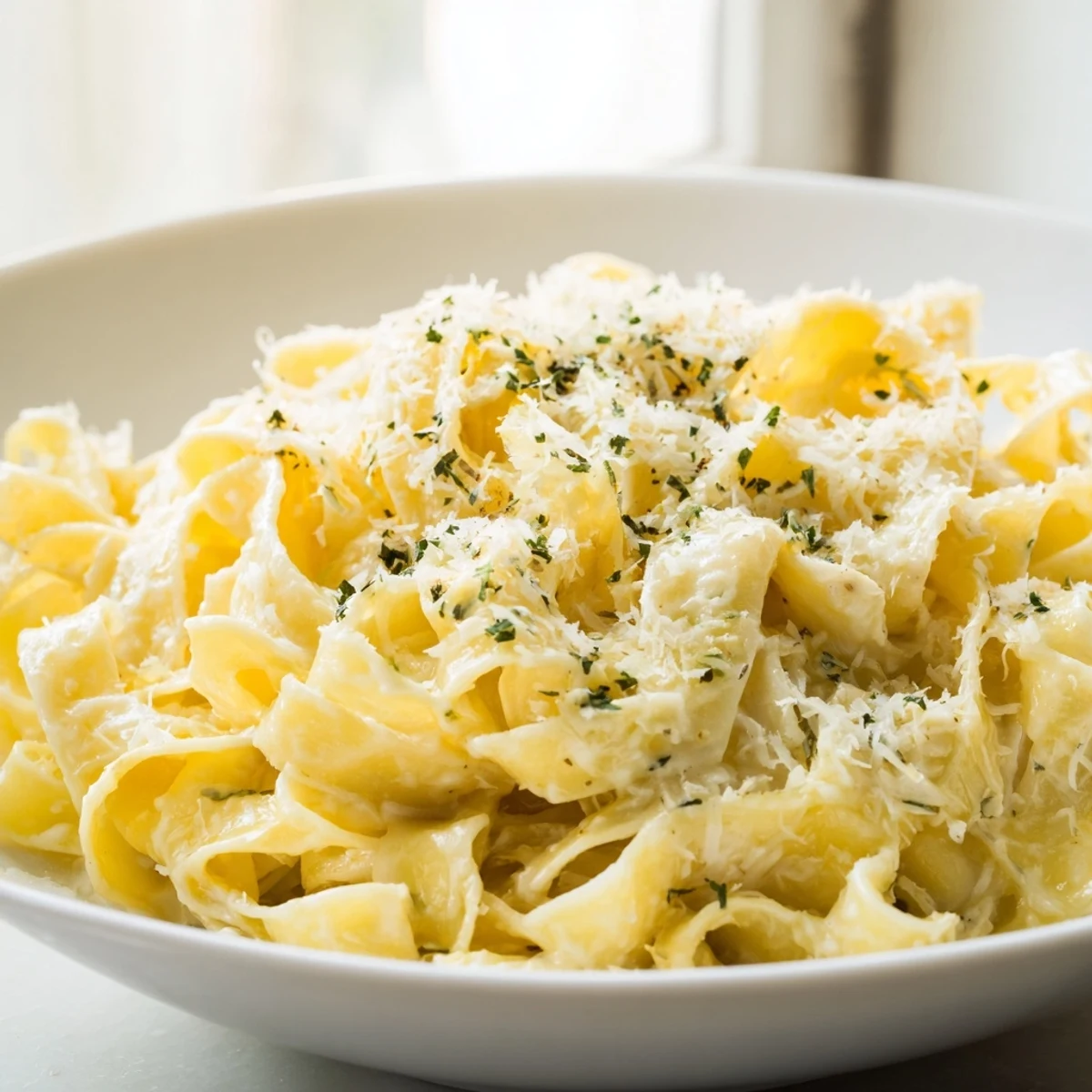
Save Years later, I made this dish for my grandmother who had never tried it. She took one bite and her eyes closed. When she opened them, she smiled and said it reminded her of the simplest things being the most memorable. That's when I understood—Fettuccine Alfredo isn't about showing off. It's about understanding that sometimes three good ingredients, treated with care and respect, are all you need to make someone feel loved.
The Art of Not Overthinking It
I think people overthink Alfredo because it feels fancy. But here's the truth: it's actually the opposite of complex. The reason restaurant versions taste so good isn't because they add secret ingredients—it's because they don't. They nail the fundamentals. They use good butter. They don't rush the cheese. They listen to the sauce and adjust at the end. When you stop trying to make it fancy and just make it well, something magical happens.
Making It Your Own
The traditional Roman recipe is pure and perfect, but that doesn't mean you can't have fun with it. I've added crispy pancetta, fresh peas, roasted mushrooms, even crab. Each time I do, I'm building on a foundation that's so solid, the additions feel like a celebration rather than a fix. That's the gift of this recipe—it's confident enough to welcome your ideas.
Timing and Temperature Matter More Than You Think
The difference between silky and broken sauce often comes down to temperature. Keep everything moderate—medium heat for the sauce, not a raging boil. Room temperature ingredients that warm up gradually rather than cold cream hitting hot butter. A final toss over low heat rather than high. These small temperature choices are what separates home kitchen Alfredo from restaurant Alfredo. Well, that and one other thing: you have to taste it as you go and trust your instincts about when it's right.
- If your sauce breaks or gets grainy, don't panic—take the pan off heat, add a splash of cold pasta water, and whisk gently until it smooths out again
- Leftover Alfredo can be gently reheated with a splash of milk or cream over low heat, but honestly, it's best eaten fresh
- Make sure your pasta is actually al dente before it joins the sauce—it will continue cooking slightly when tossed, so don't let it get soft
 Save
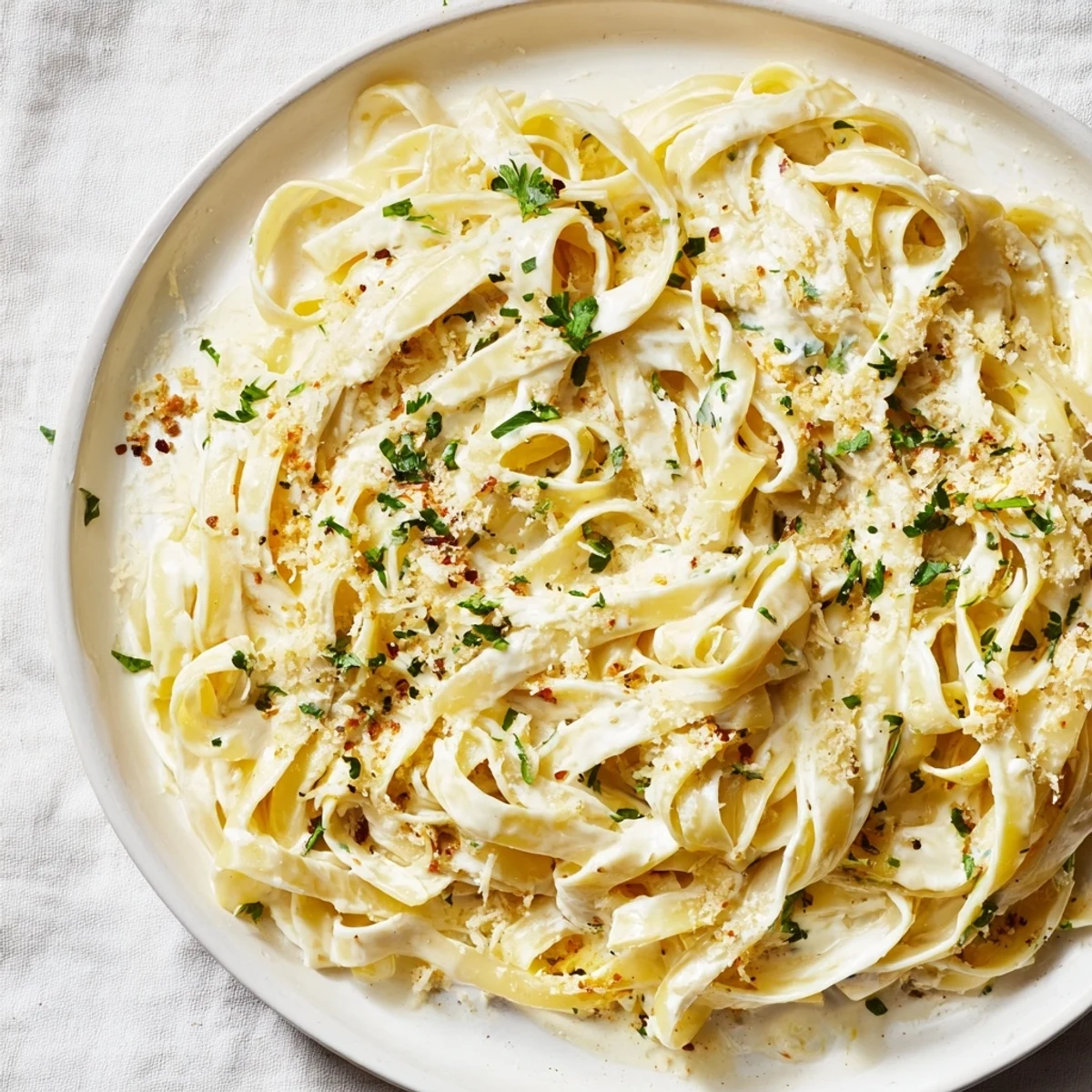
Save Fettuccine Alfredo taught me that elegance isn't about complexity—it's about knowing what matters and doing that one thing beautifully. That's a lesson that extends far beyond the kitchen.
Your Questions Answered
- → What’s the best pasta to use for this dish?
-
Fettuccine is ideal due to its wide, flat shape that holds the creamy sauce well.
- → Can I adjust the sauce richness?
-
Yes, substituting half-and-half for heavy cream lightens the sauce without sacrificing flavor.
- → Is garlic necessary in the sauce?
-
Garlic is optional; it adds a fragrant depth but the dish remains flavorful without it.
- → How can I achieve a smooth sauce consistency?
-
Gradually whisk Parmesan into simmering cream and add reserved pasta water as needed for the perfect texture.
- → What are good garnishes for this dish?
-
Chopped fresh parsley and extra Parmesan enhance both presentation and taste.