
 Save
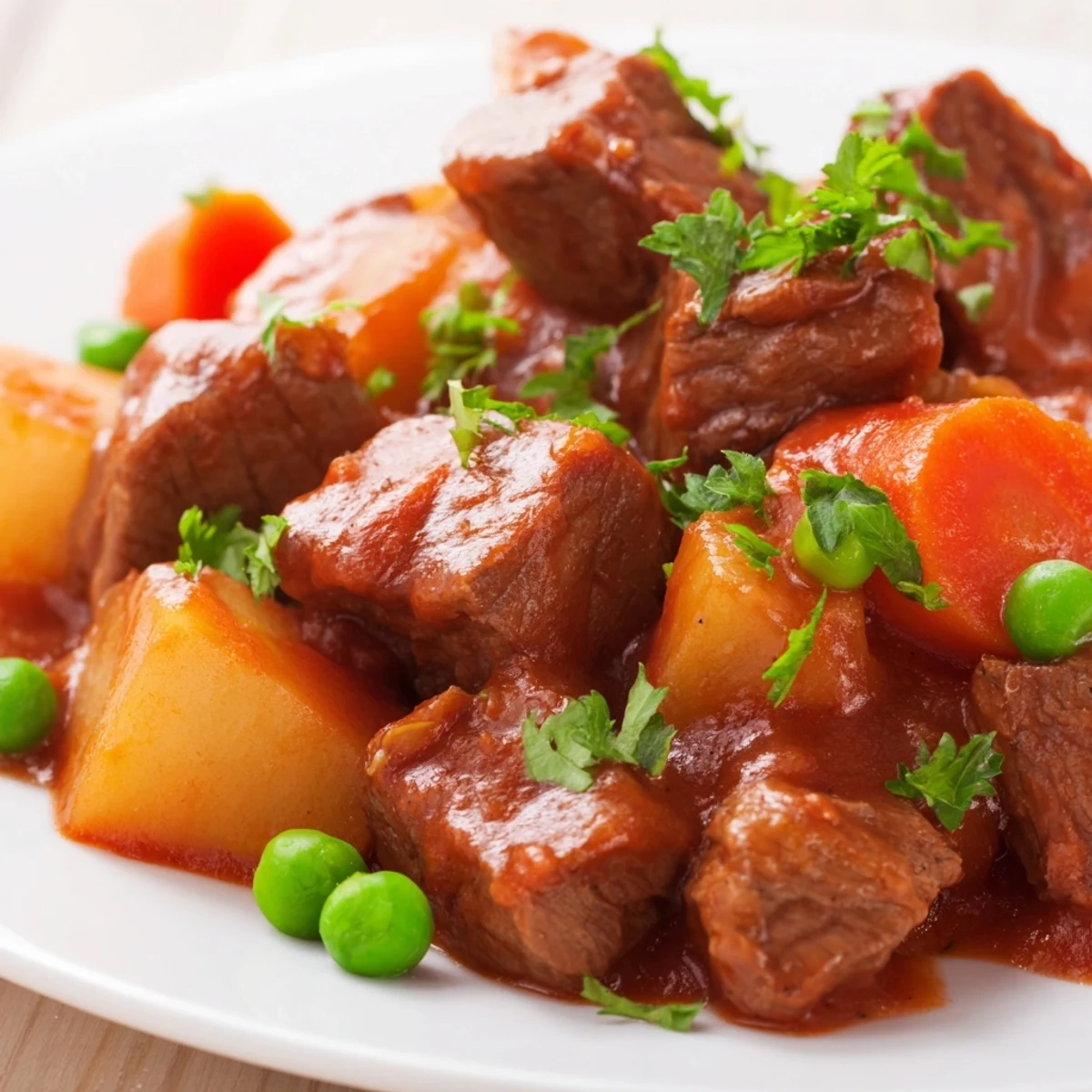
Save This hearty beef casserole combines tender beef chunks, carrots, potatoes, onions, celery, and peas in a rich, savory tomato-based sauce. The beef is seared before simmering in broth with herbs like thyme and rosemary, then baked to meld flavors and create a comforting dish. Finished with fresh parsley, this casserole offers a satisfying blend of textures and tastes ideal for family meals or meal prepping. Variations like sweet potatoes or adding red wine deepen the flavor. Serve warm, paired with crusty bread or egg noodles.
There's something about the smell of beef browning in a hot pot that made me decide to cook this casserole on a random Tuesday evening when nothing else seemed right. My grandmother used to make something similar, but I never bothered asking for the recipe until I had a kitchen of my own and was tired of takeout. The first time I built this dish from scratch, I was genuinely surprised how the flour coating on the vegetables created this silky sauce that held everything together. Now it's become my go-to when I want to feel like I actually know what I'm doing in the kitchen.
I made this for a coworker who mentioned offhandedly that he was tired of microwaved lunches, and watching him come back for seconds told me everything I needed to know about whether this recipe was worth repeating. There's a quiet satisfaction in feeding someone something warm and filling that took actual time and intention to make.
Ingredients
- Beef chuck or stewing beef: The key is using a tougher cut that breaks down into tenderness during the long bake, not a lean cut that just gets harder.
- Carrots and celery: These form the base layer of flavor alongside the onion, so don't rush chopping them or skip them entirely even if you think you don't like celery.
- Potatoes: They soak up the sauce and become creamy without any cream involved, which is honestly one of the best kitchen tricks.
- Beef broth: Use something you'd actually drink, not the cheapest box on the shelf, because it's literally becoming your sauce.
- Tomato paste and diced tomatoes: The tomato paste is concentrated flavor that intensifies everything, while the diced tomatoes add brightness and texture.
- Worcestershire sauce: This is where the umami lives, and a couple tablespoons make the whole thing taste deeper and more intentional.
- Thyme and rosemary: Dried herbs work perfectly here and actually hold up better during the long bake than fresh would.
- All-purpose flour: This isn't just for dusting; it thickens the sauce and creates a silky mouthfeel that makes everything feel luxurious.
- Olive oil: Use it for searing the beef at medium-high heat to build that golden crust.
Instructions
- Get your oven hot and your pot ready:
- Preheat to 350°F and set up your Dutch oven on the stove over medium-high heat with the olive oil. You want the kitchen to start smelling like something good is about to happen.
- Brown the beef until it stops looking raw:
- Add the beef cubes and let them sit undisturbed for a minute so they actually color, then turn them and repeat about five times total. Don't crowd the pot or they'll steam instead of sear, and remove them to a plate once they've got a nice golden crust.
- Build the flavor base with the vegetables:
- In that same pot with all the browned bits stuck to the bottom, add onions, carrots, celery, and garlic and let them soften for four to five minutes until the kitchen smells like a real dinner is being made. You're coaxing out their sweetness here.
- Dust with flour and stir:
- Sprinkle the flour over the vegetables and stir everything together for about a minute so the flour toasts slightly and coats everything evenly. This is what's going to thicken your sauce later.
- Bring all the ingredients together:
- Return the beef to the pot along with the potatoes, diced tomatoes, tomato paste, Worcestershire sauce, thyme, rosemary, bay leaf, salt, and pepper. Pour in the beef broth and stir until everything looks like it belongs together, then bring it all to a gentle simmer on top of the stove.
- Let the oven do the heavy lifting:
- Cover the pot and transfer it to the preheated oven for one full hour, resisting the urge to peek more than once. The covered pot creates a gentle steam environment where the beef surrenders and becomes impossibly tender.
- Finish with the peas and a final blast of heat:
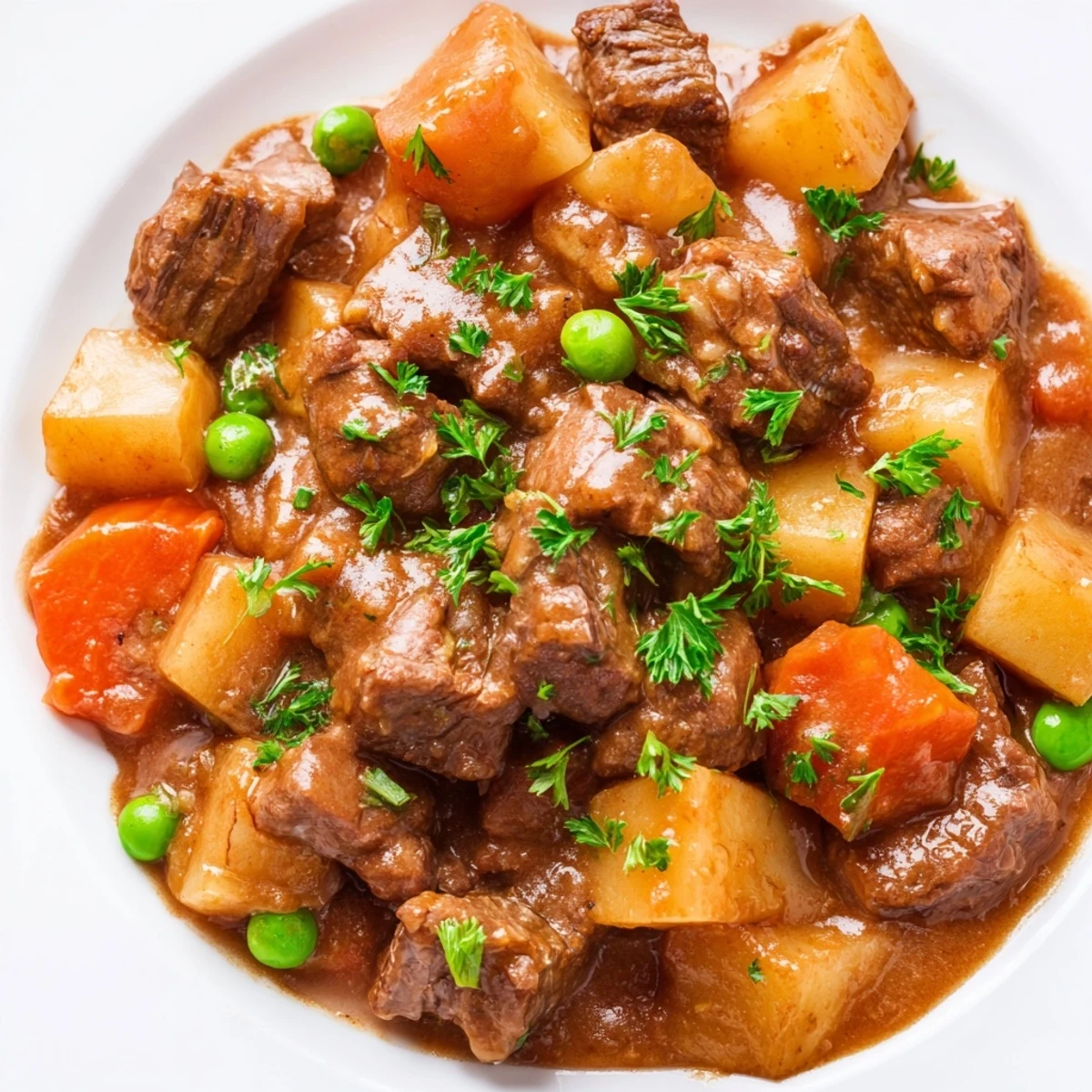
- Remove the lid, stir in the frozen peas, and bake uncovered for another fifteen minutes so the sauce reduces and concentrates while the peas heat through. Discard the bay leaf, scatter fresh parsley on top, and serve while everything is still steaming.
 Save
Save I realized this dish had become something meaningful when my partner woke up early one morning, smelled the beef searing, and just sat at the kitchen counter watching without saying anything. We didn't need to talk because the food was already doing that for us.
Why This Works as Comfort Food
There's science behind why a slow-cooked casserole feels like a warm hug instead of just a meal. The long bake allows collagen in the tough beef to break down into gelatin, which coats your mouth and makes everything feel richer than it actually is. The vegetables soften completely into the sauce rather than staying separate, so each spoonful is balanced and complete. This is exactly the kind of dish that makes you understand why people throughout history have been making stews and casseroles in similar ways across completely different cultures.
How to Store and Reheat It
This casserole improves with age in a way that feels almost unfair. Store it in an airtight container in the fridge for up to four days, and the flavors actually deepen as everything sits together. When you're ready to eat it again, reheat it gently in a 325°F oven for about twenty minutes, covered, so it warms through without drying out or getting angry.
Serving Suggestions and Variations
The casserole is honestly perfect on its own, but I've learned that a thick slice of crusty bread or a bed of egg noodles makes it feel more special without requiring any additional cooking. You can experiment with root vegetables like parsnips or sweet potatoes if regular potatoes aren't calling to you, and a splash of red wine added with the broth takes the whole thing into slightly more sophisticated territory without changing the method.
- A cold winter night calls for nothing else, but a simple green salad on the side adds freshness if you're feeling virtuous.
- Leftovers transform beautifully into a pie filling if you have puff pastry and the energy to try something new.
- Fresh bread is non-negotiable for soaking up every drop of sauce at the bottom of your bowl.
 Save
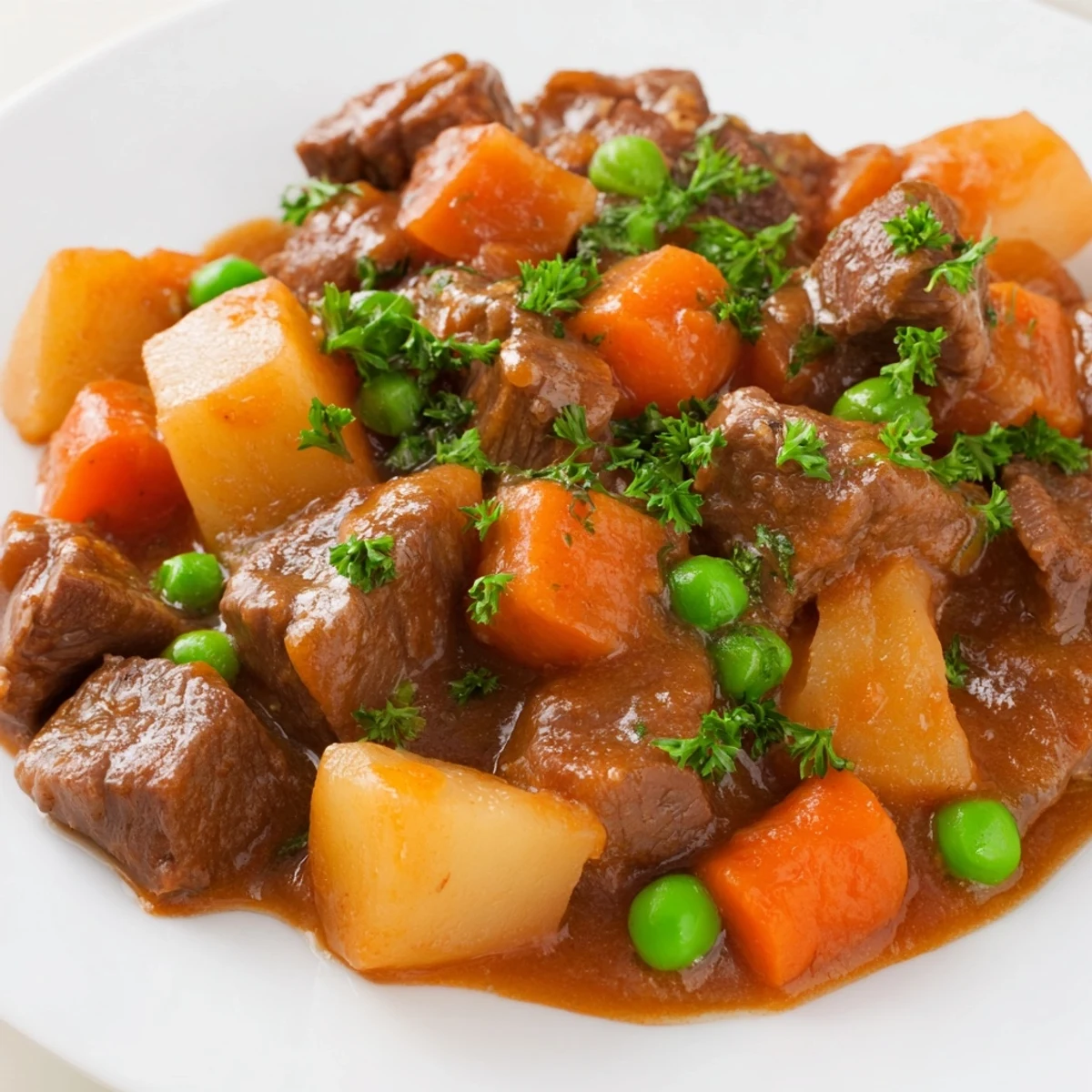
Save This casserole has become my answer to 'what are you making tonight' because it asks nothing of you except patience and delivers something that tastes like you actually care. Make it, feed people you like, and let the food do the talking.
Your Questions Answered
- → What cut of beef works best?
-
Use chuck or stewing beef for tender, flavorful results after slow baking.
- → Can other vegetables be used?
-
Yes, sweet potatoes or parsnips can replace regular potatoes for variation.
- → How do I ensure the sauce thickens properly?
-
Sprinkle flour over sautéed vegetables and stir well before adding liquids to achieve a rich sauce.
- → What herbs enhance the dish?
-
Dried thyme, rosemary, and bay leaf bring warmth and depth to the savory sauce.
- → Can this dish be prepared ahead?
-
Yes, it’s ideal for meal prep; flavors develop further when refrigerated and reheated.