
 Save
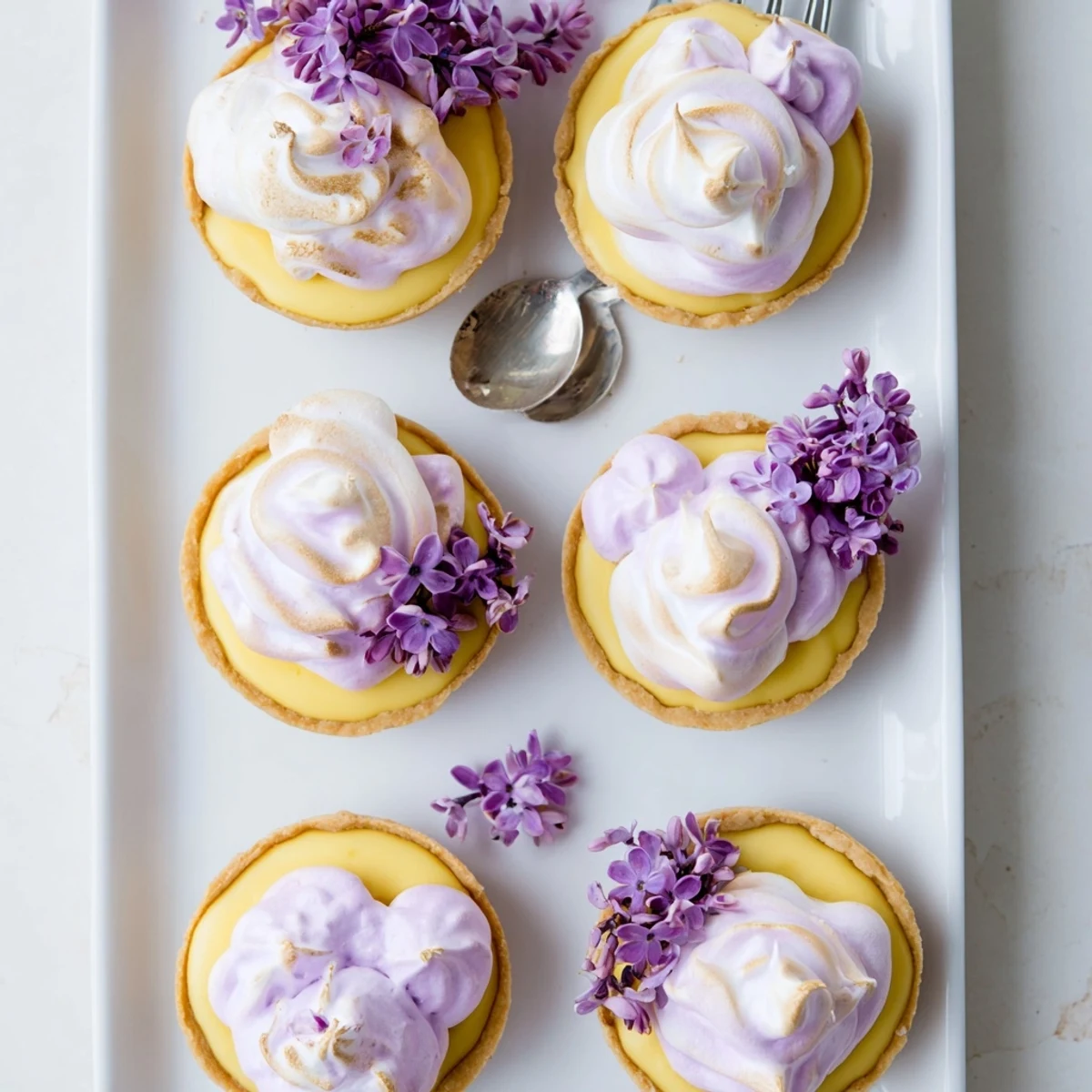
Save These elegant individual tarts combine three delightful components: tender buttery pastry shells, vibrant homemade lemon curd, and a uniquely floral lilac meringue topping. The process involves making the tart dough from scratch, whisking together a silky smooth lemon filling, and whipping egg whites with lilac syrup for that distinctive spring flavor profile. While each element requires attention to detail, the components can be prepared ahead, making assembly straightforward before serving. The result balances bright citrus notes with delicate floral undertones, creating a sophisticated dessert perfect for spring gatherings or afternoon tea.
The lilac bush outside my kitchen window exploded into bloom last week, and suddenly I was fifteen again, sneaking blossoms into sugar jars hoping to capture spring in a spoon. These mini tarts happened by accident when I had extra lemon curd and a sudden impulse to torch something delicate on a Tuesday afternoon.
My neighbor Sarah popped over while I was torching the meringues, her curiosity piqued by the smell of burnt sugar and flowers. We ate three standing at the counter, lemon on our chins, debating whether the lilac was actually noticeable or if we just wanted it to be.
Ingredients
- All-purpose flour: The structure that holds everything together, though Ive made these with spelt and nobody noticed the difference
- Powdered sugar: Dissolves better than granulated in the dough, giving you that tender shortbread texture
- Cold butter: Keep it icy and cut into small cubes, working quickly so it doesnt melt into your dough
- Egg yolk: Adds richness and helps bind the dough without making it tough
- Lemon juice and zest: Fresh is non-negotiable here, bottled juice lacks that bright punch
- Eggs and egg yolks: Room temperature eggs incorporate better and give you that silky smooth curd
- Lilac syrup: The magic ingredient, though elderflower works beautifully if you missed lilac season
Instructions
- Make the pastry dough:
- Work quickly with cold hands, rubbing butter into flour until you have crumbs that hold together when squeezed
- Press into tart pans:
- Divide the dough and press it directly into the pans, no rolling needed unless you want perfectly uniform edges
- Bake until golden:
- Let them cool completely before filling or the curd will weep and your shells will soften
- Cook the lemon curd:
- Stir constantly over gentle heat, watching for that moment it thickens and coats your spoon like magic
- Chill the curd:
- Press plastic wrap directly onto the surface to prevent a skin from forming
- Whip the meringue:
- Beat until glossy and stiff, then gently fold in the lilac syrup so you dont lose all those beautiful air bubbles
- Assemble and torch:
- Pipe or spoon the meringue on, then wave your torch until you get those gorgeous browned peaks
 Save
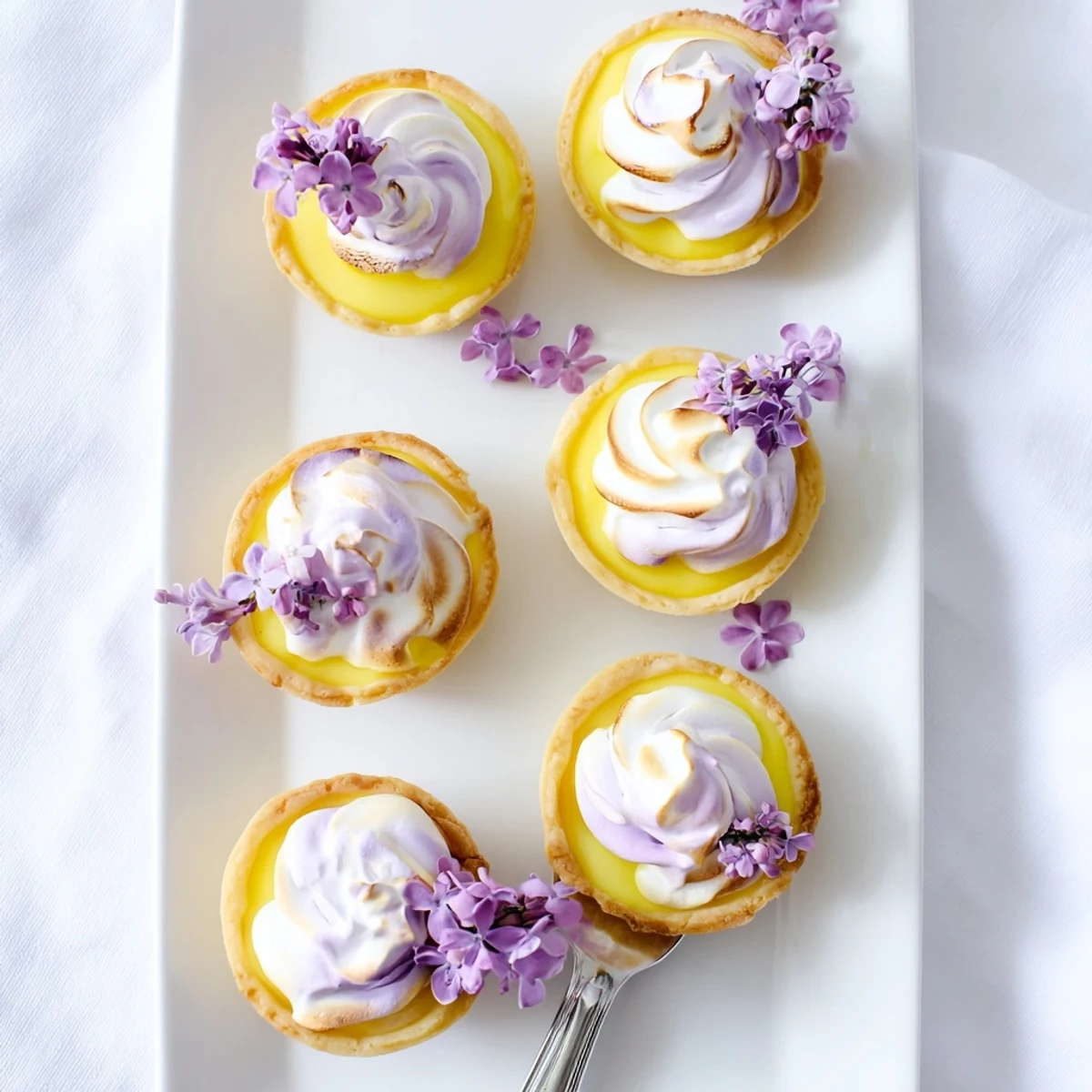
Save These became my go-to for spring dinner parties after I served them at my mothers birthday. She still talks about how the flowers on the plate matched the ones in the meringue, like I planned something elegant instead of throwing it together between work and yoga.
Making Ahead Like a Pro
Bake the shells and cook the curd the day before, storing them separately. The contrast between cold lemon and warm, torched meringue is worth the last-minute effort.
Floral Substitutions
Elderflower syrup works beautifully in a pinch, and I once used rose water when lilac season had passed. The key is subtlety, you want a whisper of flowers not a perfume counter explosion.
Serving Suggestions
These shine alongside something effervescent that cuts through the richness. I learned this the hard way after serving them with heavy red wine and watching everyone reach for water.
- A chilled Moscato echoes the floral notes without overpowering
- Sparkling lemonade keeps things light and lets the tart be the star
- Strong espresso provides that bitter contrast some guests secretly crave
 Save
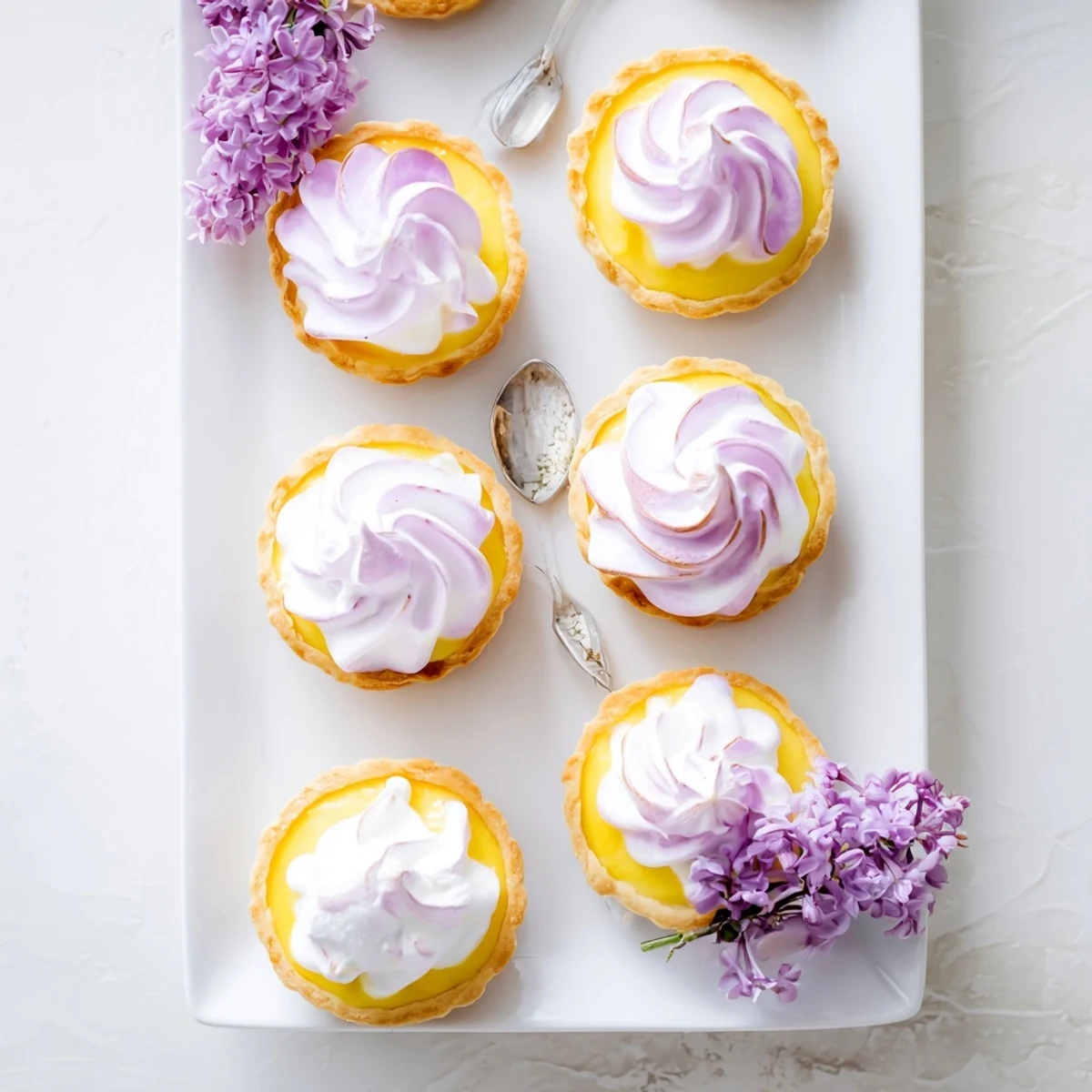
Save Spring in a tart shell, worth every minute of whisking and waiting.
Your Questions Answered
- → Can I make these tarts ahead of time?
-
Yes, prepare the tart shells and lemon curd up to one day in advance. Store shells at room temperature in an airtight container and refrigerate the curd. Assemble with meringue just before serving for the best texture and appearance.
- → What can I substitute for lilac syrup?
-
Elderflower syrup works beautifully as a replacement. Alternatively, use food-grade lavender extract sparingly (just a few drops) or simply omit the floral element and make classic lemon meringue tarts.
- → How do I know when the lemon curd is thick enough?
-
The curd is ready when it coats the back of a wooden spoon and leaves a clear path when you run your finger through it. This typically takes 6-8 minutes over medium-low heat while stirring constantly.
- → Do I need a kitchen torch for the meringue?
-
A kitchen torch creates beautiful caramelized peaks, but it's optional. You can serve the meringue as-is for a fluffy white topping, or briefly place the assembled tarts under a broiler for 30-60 seconds—watch closely to prevent burning.
- → How should I store leftover assembled tarts?
-
Refrigerate for up to 4 hours maximum. The meringue will begin to weep and lose texture after that time. For longer storage, keep components separate and assemble fresh before serving.
- → Can I use regular-sized tart pans instead of mini ones?
-
Absolutely. This recipe makes enough for one 9-inch tart or six 4-inch mini tarts. Adjust baking time to 20-25 minutes for a larger tart shell, and extend the lemon curd cooking time by a few minutes.