
 Save
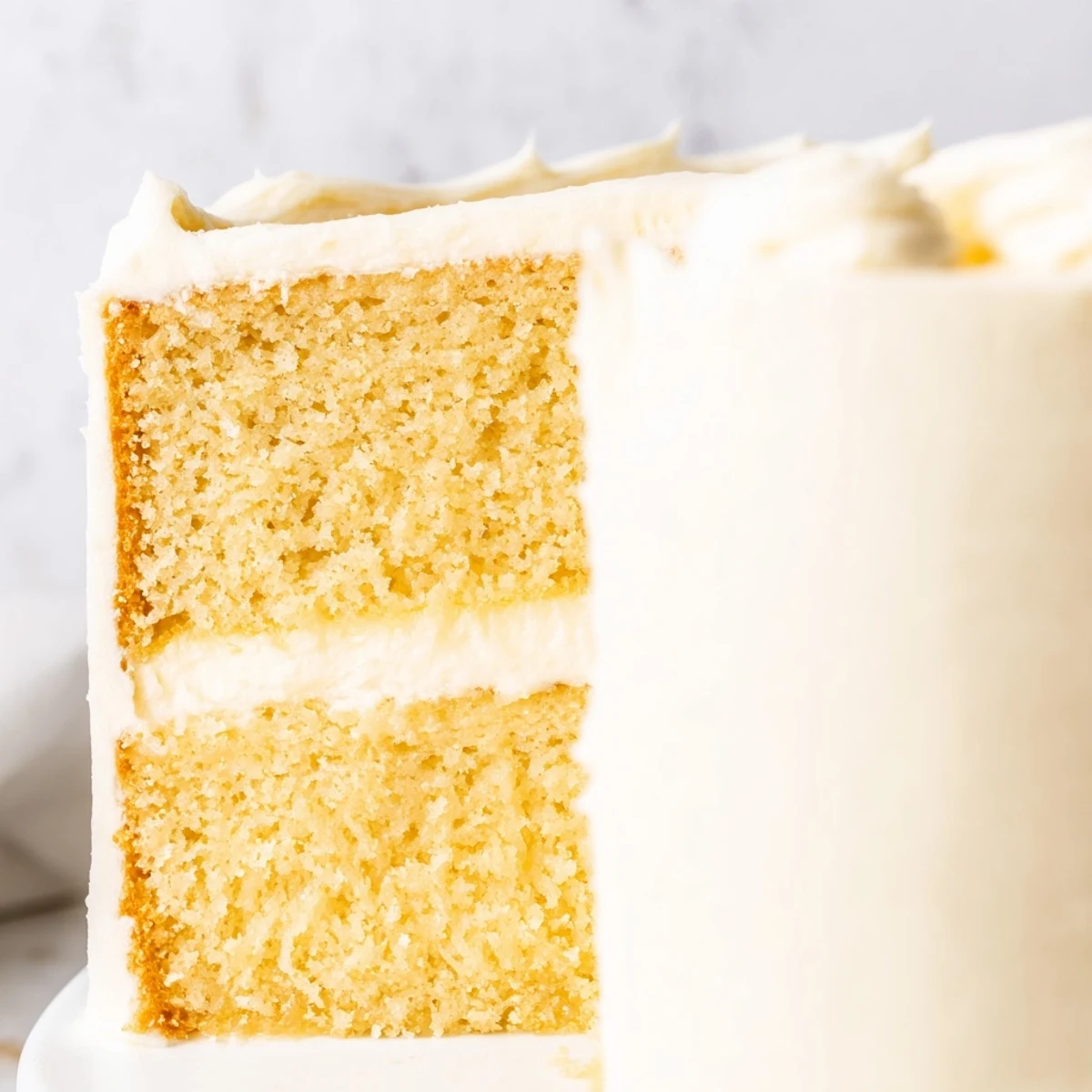
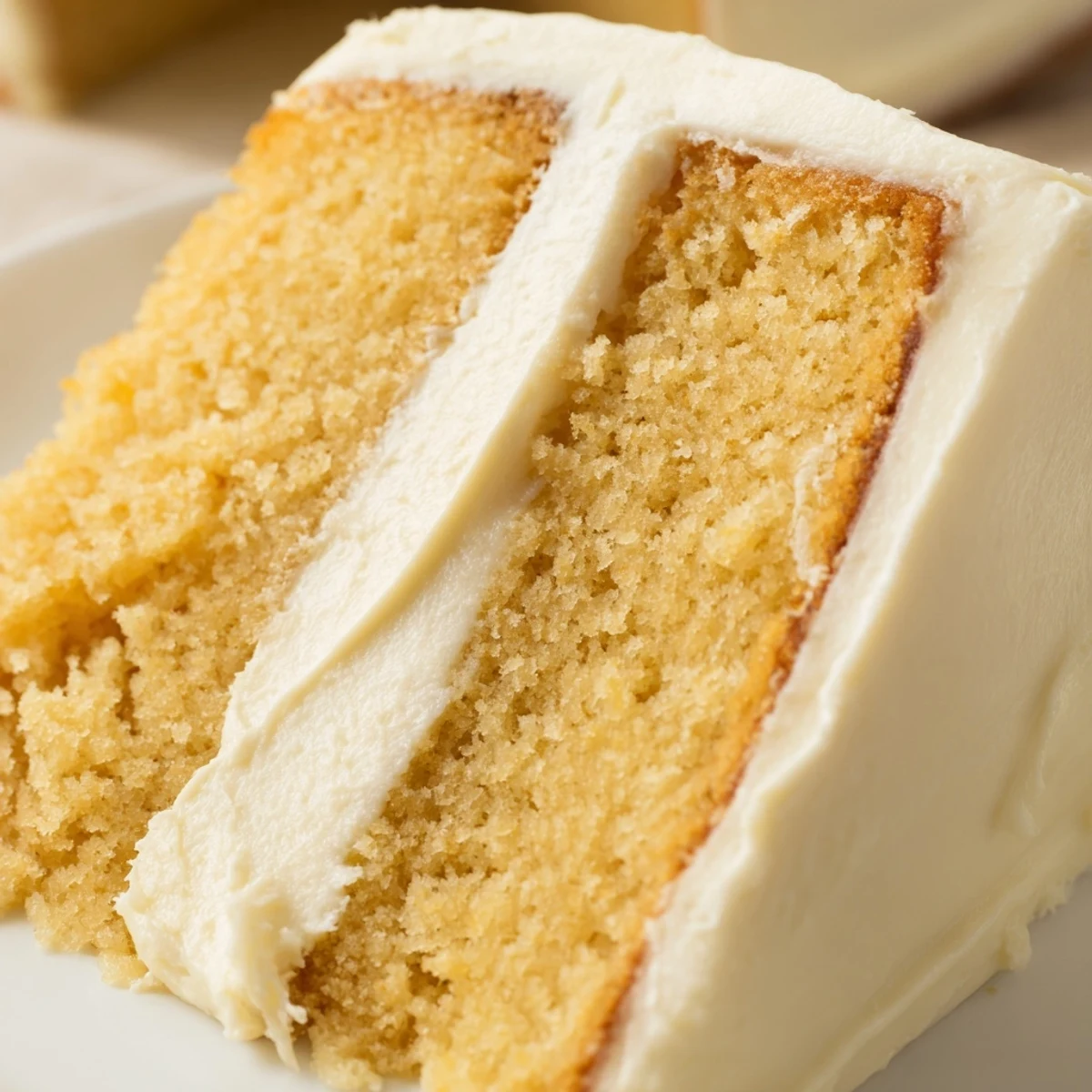
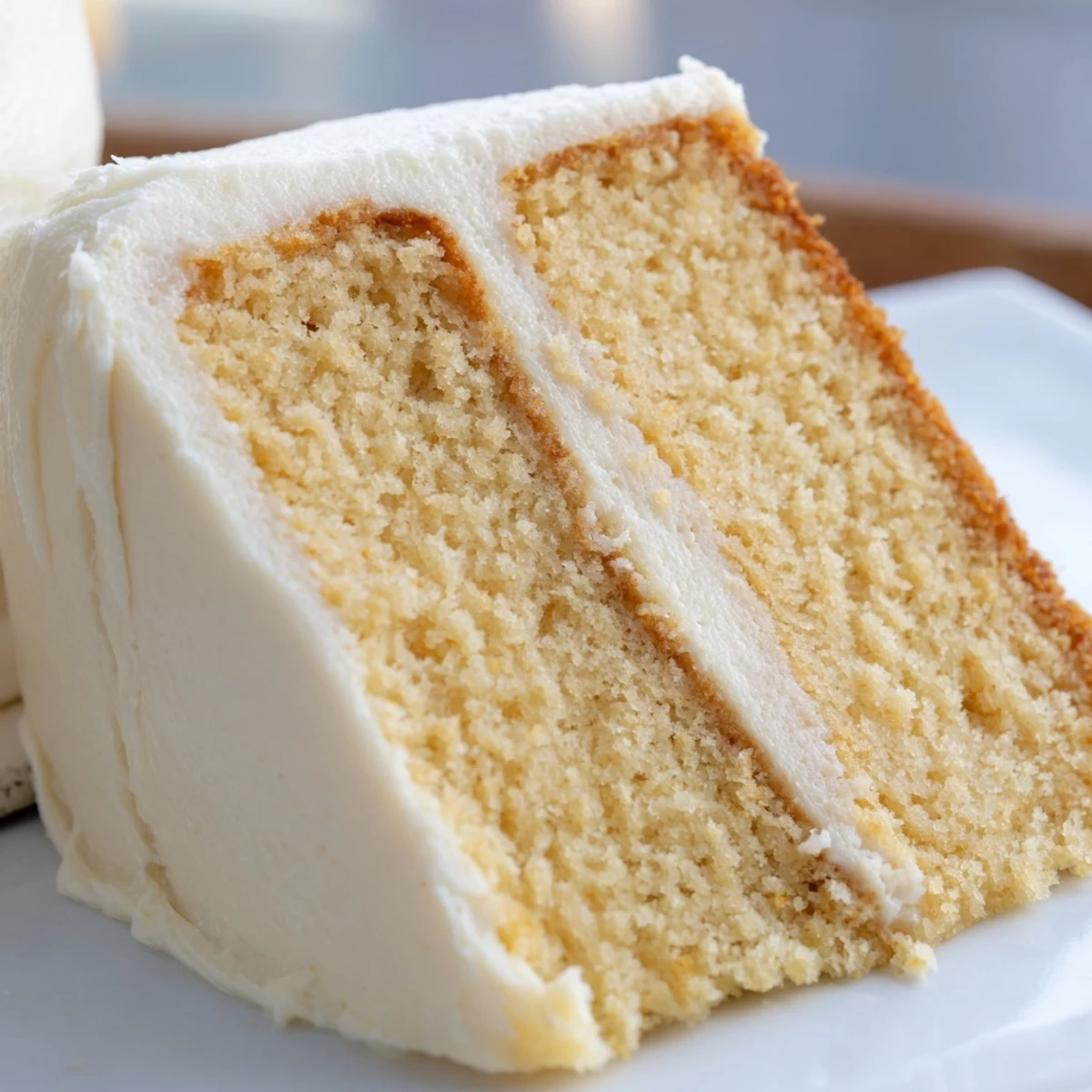
Save This classic vanilla cake delivers a tender, moist crumb with rich vanilla flavor in every bite. The accompanying buttercream frosting adds a creamy, sweet finish that perfectly complements the light cake layers. Perfect for birthdays, holidays, or any special occasion worth celebrating. Each slice offers a satisfying balance of sweetness and buttery vanilla essence.
What sets this vanilla cake apart is its reliable texture and versatility. The cake remains moist for days, thanks to the perfect ratio of butter to milk, while the buttercream frosting is silky smooth and not overly sweet. You can customize it with different fillings or decorations to suit any celebration.
The smell of vanilla always takes me back to my grandmother's kitchen, where she'd let me stand on a chair to reach the counter. That first time I baked this cake alone, I called her three times to ask if I was doing it right. Now it's the cake I turn to for everything from Tuesday night dessert to birthday celebrations, because some things never need improving.
Last summer, my neighbor's daughter asked me to teach her how to bake. We made this cake together, flour dusting both of us, her tiny hands cracking eggs with surprising confidence. When her family cut into it later that evening, she beamed like she'd invented cake itself.
Ingredients
- All-purpose flour: The backbone of this cake, providing structure while keeping it tender
- Baking powder: What gives the cake its lift, so measure accurately
- Salt: Just enough to enhance the vanilla and balance sweetness
- Unsalted butter: Room temperature is non negotiable, it creates the cakes delicate crumb
- Granulated sugar: Creamed with butter to create those signature air pockets
- Eggs: Must be at room temperature or they won't incorporate properly
- Pure vanilla extract: Splurge for the good stuff, it makes all the difference
- Whole milk: Adds moisture and richness, also needs to be room temperature
- Unsalted butter for buttercream: Softened perfectly makes frosting silky smooth
- Powdered sugar: Sifting first prevents lumps in your finished buttercream
- Whole milk for buttercream: Adjust to reach your desired consistency
- Vanilla extract: The star of the show, don't be shy with it
Instructions
- Preheat your oven and prepare the pans:
- Set your oven to 350°F (175°C) and line two 9-inch round cake pans with parchment paper, greasing them generously so nothing sticks later.
- Whisk together the dry ingredients:
- In a medium bowl, combine the flour, baking powder, and salt until everything is evenly distributed.
- Cream the butter and sugar:
- Beat the butter and sugar together for 3-4 minutes until the mixture is pale and fluffy, creating tiny air bubbles that will help the cake rise.
- Add the eggs and vanilla:
- Add eggs one at a time, letting each one fully incorporate before adding the next, then mix in the vanilla extract.
- Combine wet and dry ingredients:
- Alternate adding the flour mixture and milk to your butter mixture, starting and ending with flour, mixing just until combined.
- Bake until perfectly done:
- Divide batter evenly between pans and bake for 28-32 minutes until a toothpick comes out clean, then let cool for 10 minutes before removing.
- Make the buttercream frosting:
- Beat butter until creamy, then gradually add powdered sugar, milk, vanilla, and salt until smooth and fluffy.
- Frost and assemble:
- Once cakes are completely cool, spread buttercream between layers and frost the top and sides.
 Save
Save This cake has become my go-to for bringing people together, whether it's celebrating a promotion or comforting a friend who's had a hard week. Food has this way of turning ordinary moments into memories, and vanilla cake might just be the best example I know.
Making It Your Own
I've learned that small tweaks can make this cake feel personal without losing what makes it special. Sometimes I scrape a vanilla bean into the batter, letting those tiny specks tell everyone this is the real deal.
Timing Is Everything
The cooling part feels like forever, especially when the whole house smells like vanilla heaven, but rushing this step is how you end up with melting frosting and sliding layers. I speak from unfortunate experience.
Make Ahead Magic
One of my best discoveries was that I can bake the cakes weeks in advance, wrap them tightly, and freeze them until I need them. This has saved me more times than I can count.
- Thaw frozen cakes at room temperature, still wrapped, to prevent condensation
- If you're not serving immediately, keep the frosted cake in the refrigerator
- Bring to room temperature for 30 minutes before serving for the best texture
 Save
Save Hope this vanilla cake becomes as much a part of your kitchen story as it has become part of mine. Happy baking, friend.
Your Questions Answered
- → How should I store the vanilla cake?
-
Store frosted cake at room temperature in an airtight container for up to 3 days. For unfrosted layers, wrap tightly in plastic and freeze for up to 2 months.
- → Can I make this cake in advance?
-
Yes, bake the layers up to 2 days ahead. Wrap cooled cakes tightly in plastic wrap and refrigerate. Frost on the day you plan to serve for best results.
- → Why did my cake turn out dense?
-
Overmixing the batter can create a dense texture. Mix only until ingredients are just combined. Also ensure ingredients are at room temperature for proper emulsification.
- → Can I use salted butter instead of unsalted?
-
You can, but reduce the added salt by half in both the cake and frosting. Salted butter may slightly alter the final flavor profile.
- → How do I know when the cake is done baking?
-
Insert a toothpick into the center of the cake. If it comes out clean or with just a few moist crumbs, the cake is done. The tops should spring back when lightly touched.
- → Can I make cupcakes instead of layers?
-
Absolutely. Fill cupcake liners two-thirds full and bake at 350°F for 18-22 minutes. The recipe yields approximately 24-30 cupcakes.