
 Save
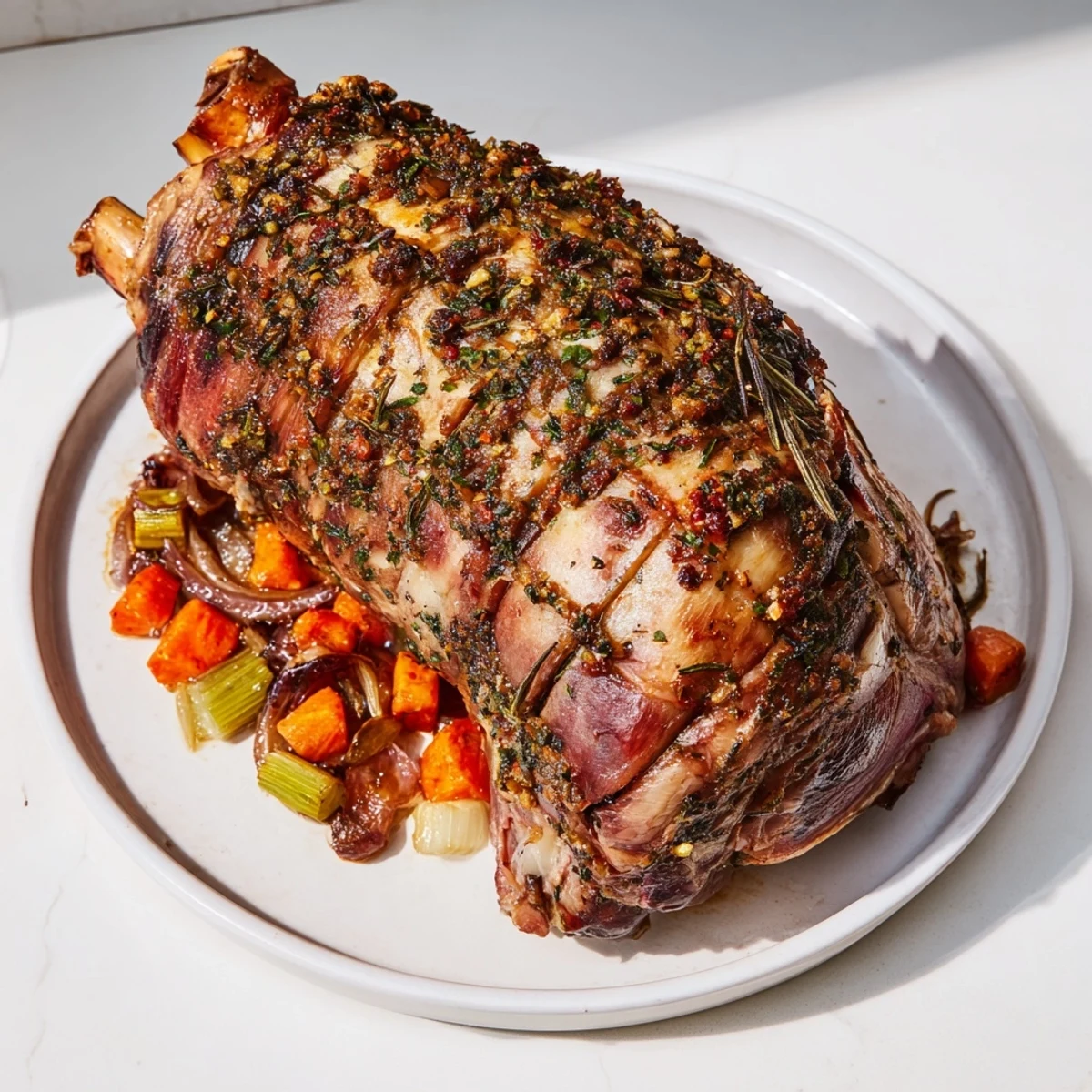
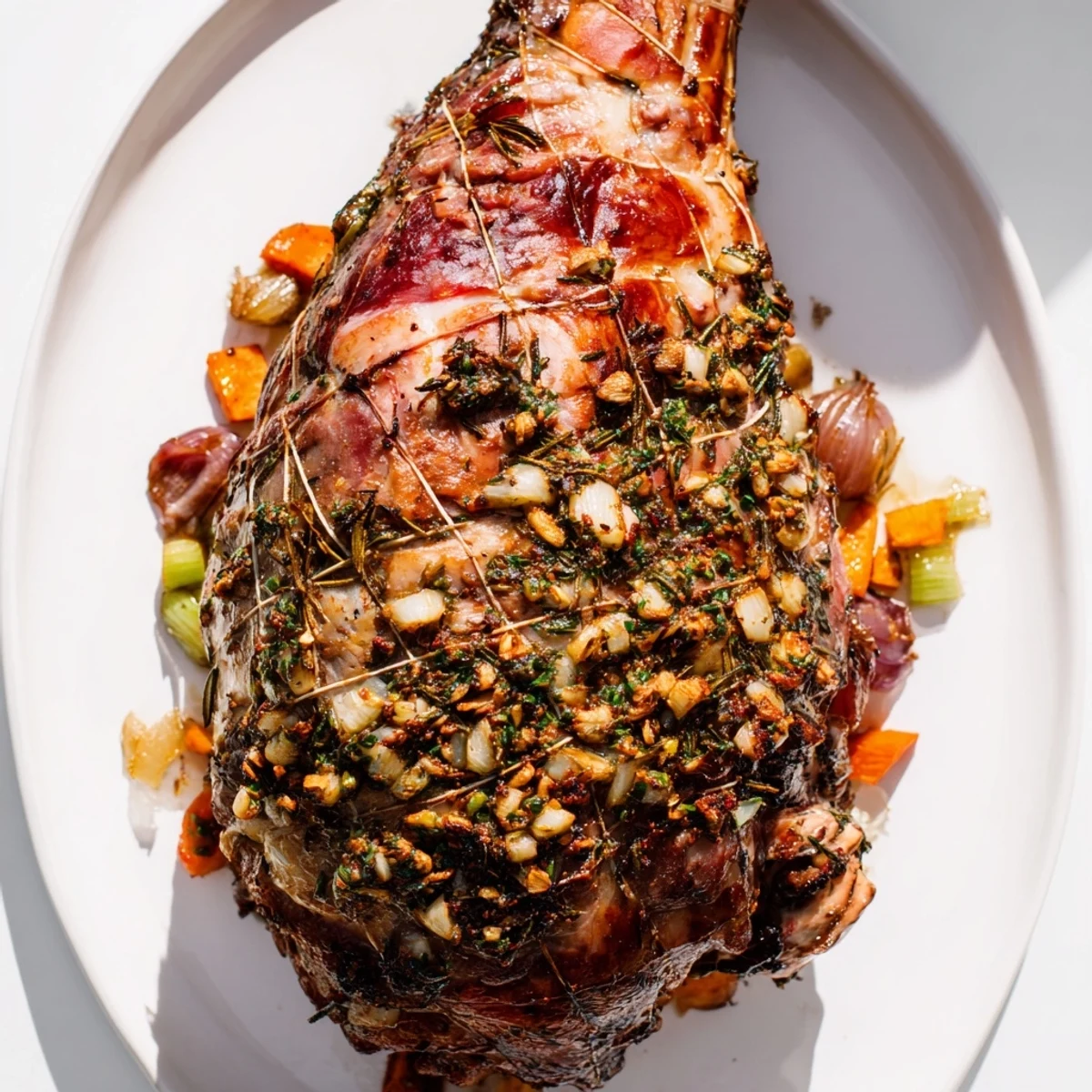
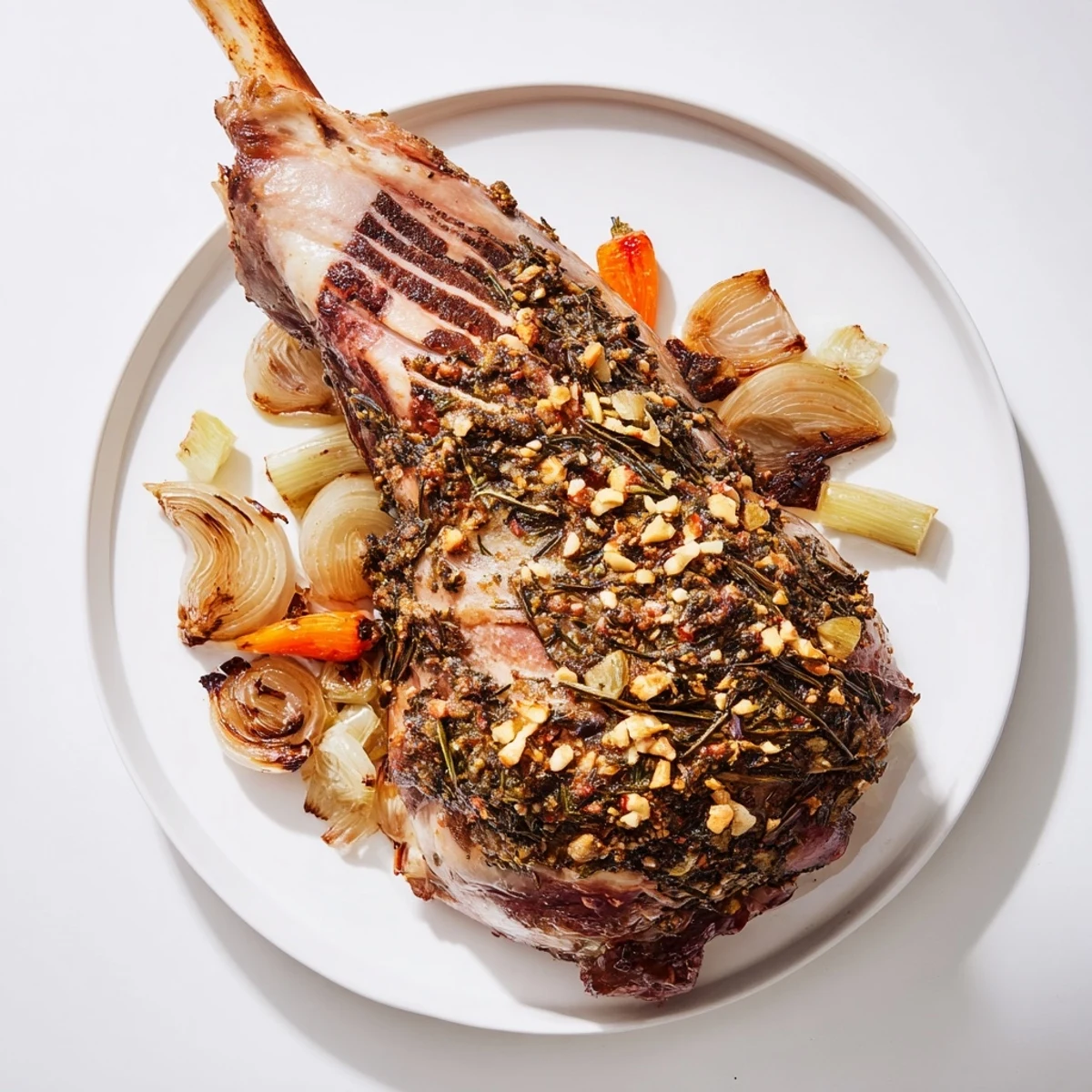
Save This dish features a bone-in leg of lamb rubbed with a fragrant mix of olive oil, garlic, rosemary, thyme, oregano, and lemon zest. Roasting atop a bed of onions, carrots, and celery creates a moist, flavorful environment. The lamb is basted during cooking to enhance tenderness, then rested to ensure juiciness. Perfect for gatherings, this method yields a juicy, aromatic meat complemented by a rich pan sauce.
I'll never forget the Easter when my grandmother first taught me to roast lamb. I was barely tall enough to see over the kitchen counter, but I remember the moment she pulled that golden, herb-crusted leg from the oven—the kitchen filling with the most intoxicating aroma of rosemary and garlic. She said, 'This is how you know someone at your table truly matters.' That recipe became my love language, and now whenever I roast lamb, I'm right back there, watching her confident hands work the herb paste into every crevice, that knowing smile on her face.
I served this lamb at my best friend's birthday dinner last spring, and I watched her face when she took that first bite. She closed her eyes and actually sighed—the kind of sigh that means you've done something right. Her partner asked for seconds before she'd even finished her first plate. That's when I knew this recipe wasn't just about feeding people; it was about making memories that taste like love.
Ingredients
- 1.8 kg (4 lb) bone-in leg of lamb: This is the star of the show. The bone keeps everything moist and adds incredible flavor. Ask your butcher for a good-quality cut—it makes all the difference, and they'll often tie it up nicely for you.
- 4 tbsp olive oil: The foundation of your herb paste. Use good olive oil here—not the fancy stuff, but something you'd actually taste on bread.
- 6 garlic cloves, minced: Fresh garlic is non-negotiable. The smell when you mince it is your first hint that something special is about to happen.
- 2 tbsp fresh rosemary, finely chopped: This is the backbone of the flavor profile. If you grow it, even better—there's something about using herbs from your own garden.
- 2 tbsp fresh thyme, finely chopped: Delicate but mighty. Strip the leaves from the stems and chop them small—they'll distribute through the paste beautifully.
- 1 tbsp fresh oregano, finely chopped: The Mediterranean whisper in your dish. It brings brightness and a subtle peppery note.
- Zest of 1 lemon: Don't skip this. The zest adds brightness that cuts through the richness of the lamb in the most elegant way.
- 1 ½ tsp sea salt and 1 tsp freshly ground black pepper: Season as you taste. These are your only seasonings, so taste as you build the paste.
- 2 large onions, thickly sliced: They become almost candy-like when roasted, catching all those incredible pan juices.
- 3 large carrots, cut into chunks: Their natural sweetness becomes concentrated in the oven's heat.
- 2 celery stalks, cut into chunks: The unsung hero that brings savory depth to your pan sauce.
- 250 ml (1 cup) dry white wine or chicken stock: This becomes liquid gold by the end. I prefer white wine for the acidity, but honest stock works beautifully too.
Instructions
- Set Your Stage:
- Preheat your oven to 200°C (400°F). This gives you time to prepare everything without rushing. Open a window—you'll want that fresh air in a few minutes anyway.
- Build Your Herb Paste:
- In a small bowl, combine the olive oil, minced garlic, rosemary, thyme, oregano, lemon zest, salt, and pepper. Take your time here. Stir it together until it looks like a thick, fragrant paste. Smell it. Really smell it. This is what's about to transform your lamb.
- Prepare the Lamb:
- Remove the lamb from the fridge about 20 minutes before cooking—room temperature meat roasts so much more evenly. Pat it completely dry with paper towels; this is crucial for a proper crust. Using a sharp knife, score the fat in a crisscross pattern, cutting about a quarter-inch deep. Don't go all the way through to the meat.
- Apply the Aromatics:
- This is the moment I love most. Using your hands or the back of a spoon, rub that herb paste all over the lamb, pressing gently so it adheres to the scored fat and every surface you can reach. Get the sides, the ends, everywhere. Your fingers will smell incredible for hours.
- Build the Vegetable Foundation:
- Scatter the sliced onions, carrot chunks, and celery in a large roasting pan. These aren't just sides—they're creating a flavorful bed and catching all those precious pan juices that become your sauce.
- The First Sear:
- Place the herb-rubbed lamb directly on top of the vegetables. Pour the wine or stock into the pan around (not over) the lamb. The vegetables will start releasing their juices and the wine will deglaze everything beautifully as it heats.
- The Initial Blast:
- Roast at 200°C (400°F) for 20 minutes. You'll hear it sizzle and the kitchen will start filling with that aroma. Don't open the oven door yet—let it do its work.
- The Long, Gentle Cook:
- After 20 minutes, lower the temperature to 180°C (350°F) and continue roasting. For medium-rare, cook for another 70 minutes, or until the internal temperature reaches 57°C (135°F) when you insert a meat thermometer into the thickest part without touching bone.
- The Baste:
- About halfway through the second cooking period, take out the pan and baste the lamb with those beautiful pan juices using a spoon or basting brush. This keeps the meat moist and develops the most gorgeous mahogany exterior. Close the door gently and let it finish.
- The Rest:
- When it reaches temperature, remove the lamb from the oven. This is the hardest part—you have to wait. Tent it loosely with foil and let it rest for 15 minutes. This isn't laziness; this is when the juices redistribute and the meat becomes impossibly tender. Walk away, take a breath, sip some wine.
- The Sauce:
- While the lamb rests, strain the pan juices through a fine sieve into a small saucepan. Discard the solids (or taste a roasted carrot—you've earned it). These concentrated juices are pure umami magic. Skim any excessive fat if you like, though a little is flavor.
- The Reveal:
- Carve the lamb into slices and arrange on a warm platter. Pour that sauce alongside. Step back and admire what you've done.
 Save
Save The last time I made this, my teenage nephew—who usually pushes food around his plate—looked up at me after his first bite and asked if he could learn how to make it. That's when I realized this recipe has become something I want to pass down, the way my grandmother passed it to me. It's not just lamb anymore; it's a tradition, a story, a piece of who we are.
Choosing Your Lamb
Not all lamb is created equal, and it's worth being intentional about what you buy. A bone-in leg gives you so much more flavor than boneless cuts—that bone is like a flavor insurance policy. When you walk into your butcher, look for meat that's a deep red, not pale. Ask questions. Where did it come from? How was it raised? A good butcher loves talking about their lamb and can recommend exactly what you need. There's a reason I always go to the same person; they know how I cook, and they save me the best cuts.
Wine Pairing and Serving
Roasted lamb wants a wine with backbone. A robust Syrah or Cabernet Sauvignon is perfect—something with enough tannins and body to stand up to all that rich, herb-infused meat. Pour yourself a glass while you cook. It's not just tradition; it's sustenance for the soul. The lamb also pairs beautifully with something simple on the side—crusty bread to soak up those pan juices, or a bright green salad to cut through the richness. I often make a lemon-dressed arugula salad that feels almost mandatory.
Variations and Flexibility
This recipe is actually more flexible than you might think, and that's one of my favorite things about it. Don't have fresh rosemary? Use half the amount of dried—it's more concentrated. Want to add extra vegetables? Halved garlic bulbs become sweet and tender, and cubed potatoes soak up all those pan juices beautifully. I've even added quartered artichoke hearts in spring. The bones of the recipe—the herb paste, the vegetable bed, the wine—stay the same, but you get to make it yours.
- Add whole garlic cloves to the pan for a sweeter, milder garlic flavor
- Toss cubed potatoes with the other vegetables for a complete meal in one pan
- Make the dish a full day ahead and reheat gently; the flavors actually improve
 Save
Save There's something about roasted lamb that brings people together. Maybe it's the time and care it requires, or maybe it's the way it smells while it cooks. Either way, when you serve this to people you love, you're not just feeding them—you're telling them they matter. That's the real recipe.
Your Questions Answered
- → How can I ensure the lamb is tender and juicy?
-
Scoring the fat and basting the lamb with pan juices during cooking helps keep the meat moist and tender.
- → Can dried herbs be used instead of fresh?
-
Yes, just use half the quantity of dried herbs to maintain balanced flavors.
- → What vegetables are recommended for roasting beneath the lamb?
-
Onions, carrots, and celery create a flavorful base that enhances the meat’s aroma and juices.
- → Is it necessary to rest the lamb after roasting?
-
Resting for at least 15 minutes allows the meat juices to redistribute, resulting in a more tender texture.
- → What liquid options work best for the roasting pan?
-
Dry white wine or chicken stock adds moisture and depth to the pan juices, perfect for making a sauce.
- → How do I check the doneness of the lamb?
-
Use a meat thermometer to reach an internal temperature of about 57°C (135°F) for medium-rare.