
 Save
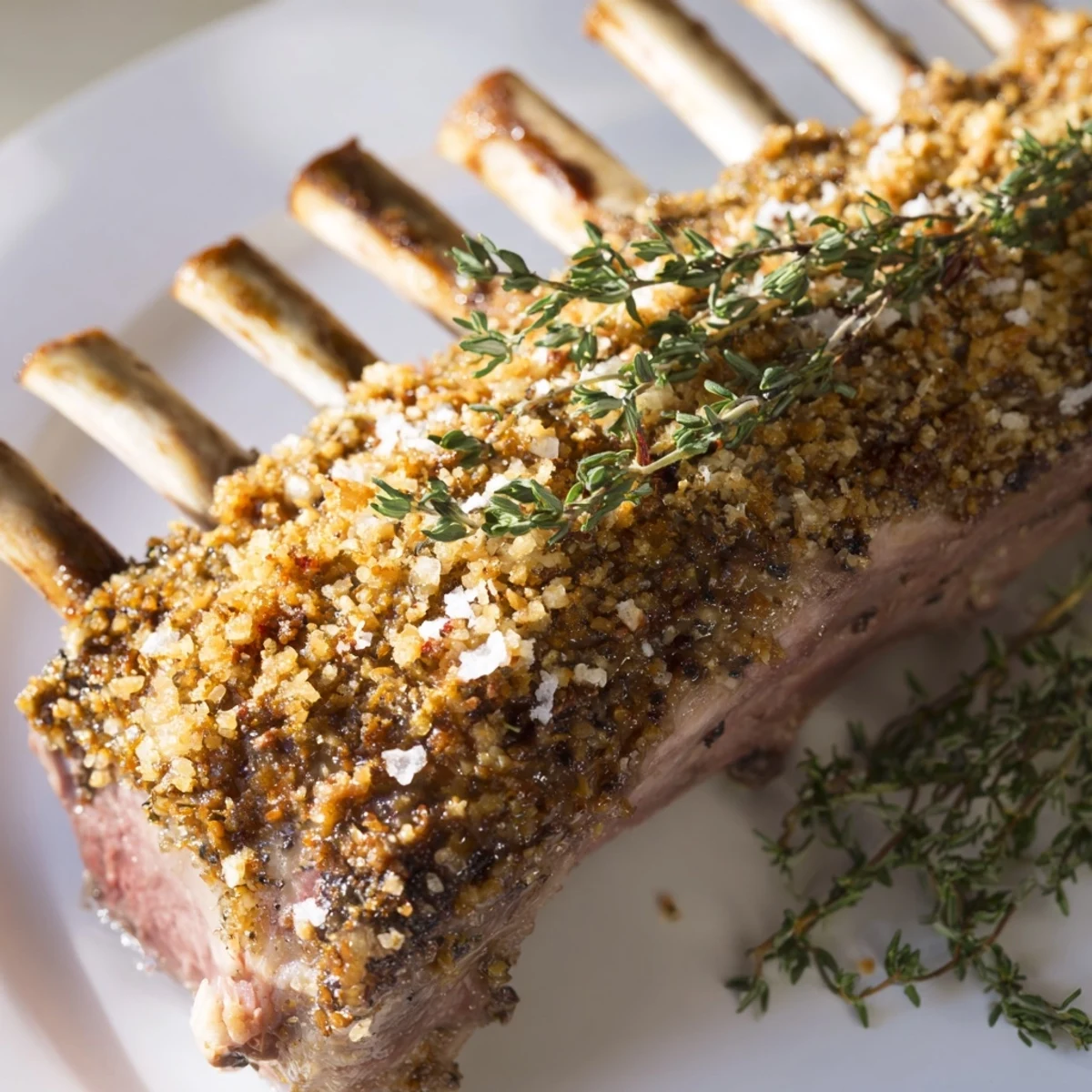
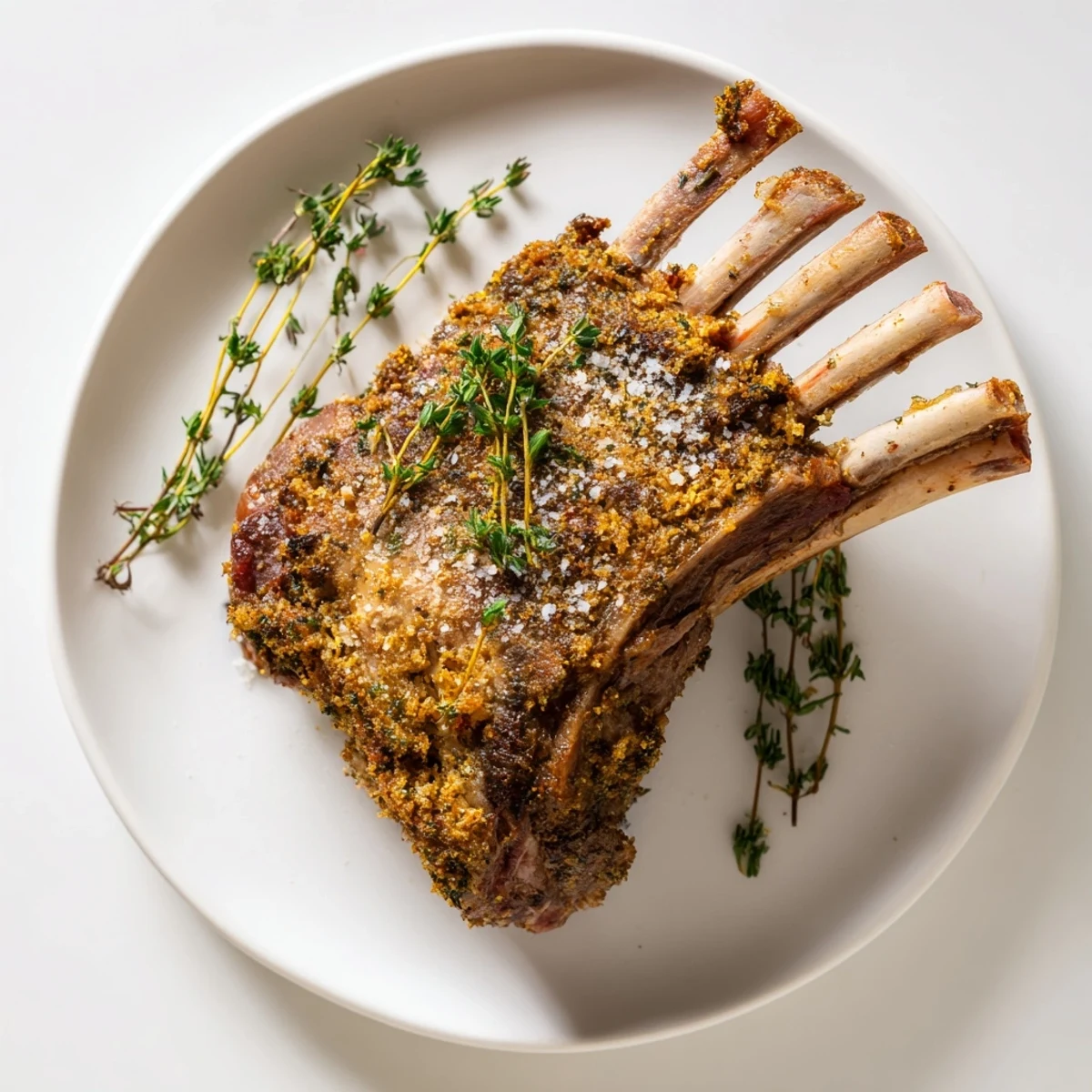
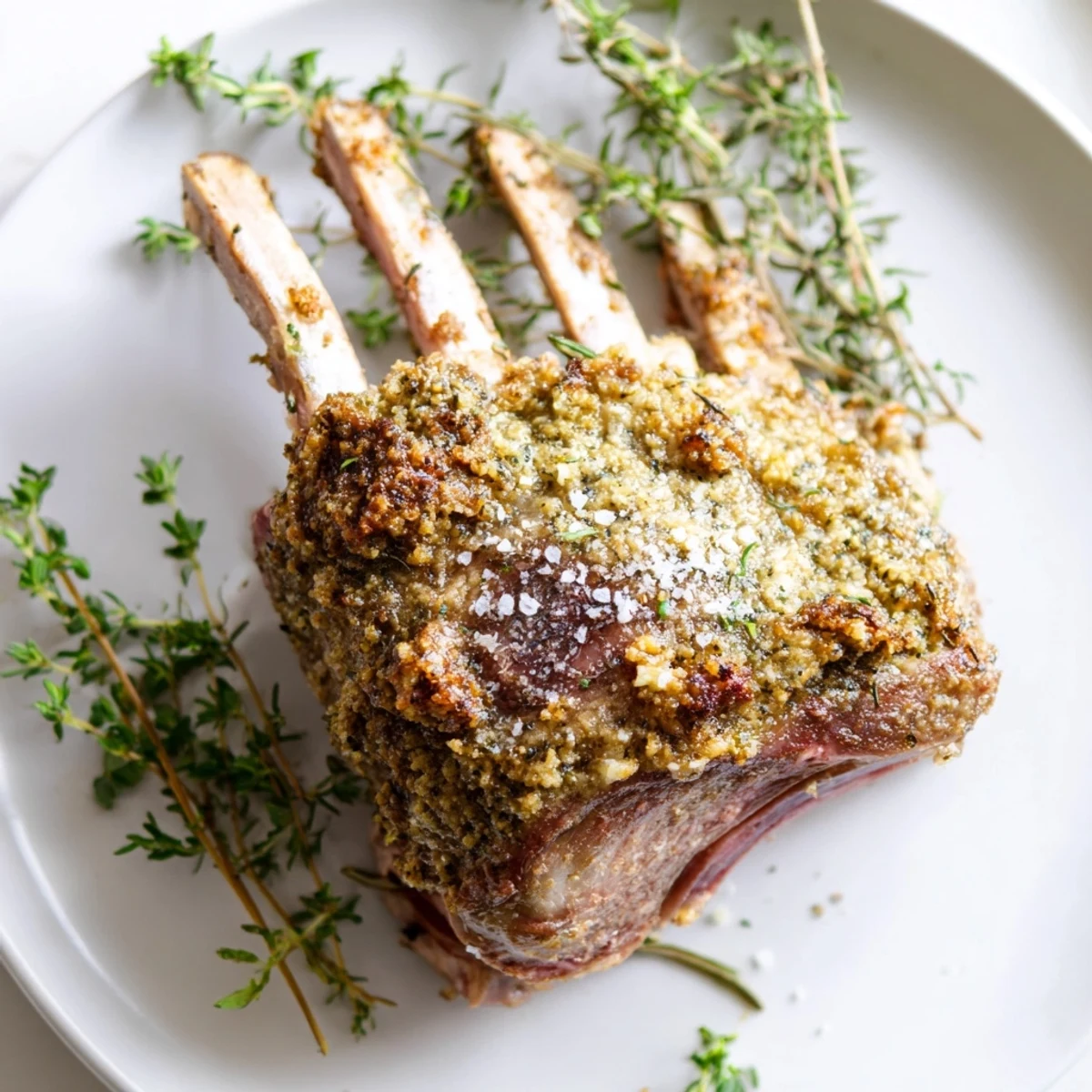
Save This dish features a lamb rack rubbed in a fragrant blend of fresh thyme, garlic, and rosemary, seared to lock in flavors, and roasted to juicy perfection. The result is a golden-brown crust that seals tenderness inside, perfectly suited for sophisticated meals. Resting the meat after roasting ensures juiciness, while optional thyme sprigs and flaky sea salt enhance aroma and texture. Pair with roasted vegetables or creamy mashed potatoes for a well-rounded experience.
I remember the first time I served roasted lamb rack at a dinner party, my hands were shaking slightly as I pulled it from the oven. The aroma of thyme and garlic had filled my entire apartment, and when I sliced into those perfectly pink chops with that golden crust, I knew I'd found something special. That night, watching my friends' faces light up with each bite, I realized this wasn't just a recipe—it was a moment maker. Now, whenever I want to impress without spending hours in the kitchen, this is the dish that always delivers elegance and flavor.
There was this moment last spring when my partner came home early and caught me mid-preparation, the kitchen already smelling incredible from just the searing alone. By the time dinner was ready, we were sitting by candlelight with a glass of wine, and that roasted lamb became the centerpiece of an unexpected but unforgettable evening. Sometimes the best meals are the ones you didn't plan to make.
Ingredients
- 1 lamb rack (about 1.2 kg / 2.5 lb), frenched: Ask your butcher to french it for you—those exposed bones look beautiful on the plate and make carving feel like real cooking. The frenching also helps the meat cook evenly.
- 2 tbsp olive oil: Use good quality here; it's one of the few ingredients that really shines through. This helps create that golden crust everyone notices.
- 3 cloves garlic, minced: Fresh garlic makes all the difference. Dried garlic powder will leave your kitchen tasting metallic instead of inviting.
- 2 tbsp fresh thyme leaves (or 2 tsp dried): Fresh thyme transforms this dish from good to unforgettable. If you can only find dried, use half the amount—it's potent.
- 1 tbsp fresh rosemary, finely chopped: This is the secret whisper underneath the thyme. It adds depth without screaming for attention.
- 1 tsp coarse sea salt: Don't skimp here. The texture and flavor of sea salt is irreplaceable; table salt feels harsh by comparison.
- ½ tsp freshly ground black pepper: Grind it fresh. Seriously. Pre-ground pepper loses its bite.
- Extra fresh thyme sprigs and flaky sea salt for garnish: The final flourish that makes people think you're a professional chef.
Instructions
- Get Your Oven Ready:
- Preheat to 220°C (425°F). This is important—you want it hot and ready when your lamb is seared and waiting. While it heats, pat your lamb rack completely dry with paper towels. Any moisture on the surface will steam instead of sear, and you want that beautiful brown crust.
- Create the Magic Paste:
- In a small bowl, combine your olive oil, minced garlic, fresh thyme, rosemary, sea salt, and black pepper. It should smell incredible—like walking through a Mediterranean garden. This paste is your flavor foundation.
- Coat Your Lamb with Love:
- Rub that herb paste all over the lamb rack, really working it into every crevice. Don't be shy. The herbs should cover every surface—top, bottom, sides. This is where all your flavor is hiding.
- Sear Until Golden:
- Heat your ovenproof skillet over medium-high heat until it's quite hot. You'll know it's ready when a drop of water dances on the surface. Place the lamb fat-side down first and listen for that satisfying sizzle. Don't move it for 2-3 minutes. You're building flavor through the Maillard reaction—this is pure kitchen chemistry. Flip and sear the other sides for another 2-3 minutes until the entire outside is a deep golden brown.
- Into the Oven:
- Carefully transfer your skillet to the preheated oven. This is when the real magic happens—the inside becomes tender while the outside stays crispy. Roast for 15-20 minutes, depending on how pink you like your lamb. Medium-rare is 57°C (135°F) internal temperature—use a meat thermometer here, trust me.
- The Sacred Rest:
- Remove from oven and tent loosely with foil. This 10-minute rest lets the juices redistribute throughout the meat. If you cut immediately, all those delicious juices run onto your plate instead of staying in your lamb. Patience here is everything.
- Slice and Serve:
- Using a sharp chef's knife, slice between each bone to create individual chops. They should be rosy pink inside with that gorgeous herb crust. Top with extra fresh thyme sprigs and a final sprinkle of flaky sea salt. Serve immediately while it's still warm.
 Save
Save There's something transformative about serving this dish. It's the kind of meal that stops conversation for a moment—where everyone pauses to really taste what's in front of them. I've seen it bring families closer together and impress people I was nervous about cooking for. It's proof that sometimes the most special moments come from the simplest acts of cooking something beautiful for someone you care about.
Choosing the Right Lamb
Not all lamb is created equal. When you're building an entire meal around this one protein, quality matters deeply. I've learned to look for meat that's bright red, not dark or grayish. The fat should be white or pale cream, never yellow—that yellowing means the lamb has been sitting around longer than you want. Ask your butcher to french the rack for you unless you're comfortable doing it yourself. They'll also know the lamb's origin and can tell you if it's grass-fed or grain-finished, which affects both flavor and texture. Grass-fed lamb tends to be leaner and more herbaceous, while grain-finished lamb is richer and more buttery. Either works beautifully here; it's just about understanding what you're bringing home.
The Herb Paste Philosophy
Early on, I used to think more herbs meant more flavor. I was wrong. The beauty of this dish is in restraint and balance. Thyme and rosemary are strong personalities—they don't need a chorus of supporting herbs. They need space to breathe. The garlic amplifies them, the salt honors them, and the olive oil carries them all directly into the lamb's meat. I learned this after an experimental batch where I added oregano and marjoram, thinking I was being creative. The result was a muddy, confused flavor that masked the lamb's natural sweetness. Now I stick to what works: thyme as the lead voice, rosemary as the harmony, everything else playing support.
Timing and Temperature Wisdom
The oven temperature of 220°C (425°F) is hot—hot enough to finish cooking the inside while keeping the outside from burning. If your oven runs cold or cool, you might need those full 20 minutes. If it runs hot, check at 15 minutes. This is where a meat thermometer becomes your best friend. I used to calculate cooking time by weight and weight alone, which led to a lot of overcooked lamb. Now I use that thermometer, and I've never had a disappointing result.
- For medium-rare (the sweet spot): 57°C (135°F) internal temperature—juicy, pink, perfect.
- For medium: 63°C (145°F)—still tender but with less pink throughout.
- Remember to measure at the thickest part, away from any bones, which cook hotter than meat.
 Save
Save This roasted lamb rack has become my answer when someone asks what dish I cook when I want to feel accomplished in the kitchen. It's elegant without being fussy, impressive without being difficult, and absolutely delicious every single time. That's the kind of recipe worth keeping close.
Your Questions Answered
- → How do I achieve a crispy crust on the lamb rack?
-
Searing the lamb rack on all sides in a hot skillet before roasting helps develop a flavorful and crispy crust.
- → What is the ideal internal temperature for medium-rare lamb?
-
Aim for an internal temperature of around 57°C (135°F) to reach medium-rare doneness and retain juiciness.
- → Can I prepare the herb paste in advance?
-
Yes, marinating the lamb with the herb paste for up to 4 hours in the refrigerator intensifies the flavors.
- → What side dishes complement roasted lamb rack?
-
Roasted vegetables, mashed potatoes, or a fresh green salad pair beautifully with this lamb preparation.
- → How long should the lamb rest after roasting?
-
Let the lamb rest loosely covered for about 10 minutes to allow the juices to redistribute before slicing.