
 Save
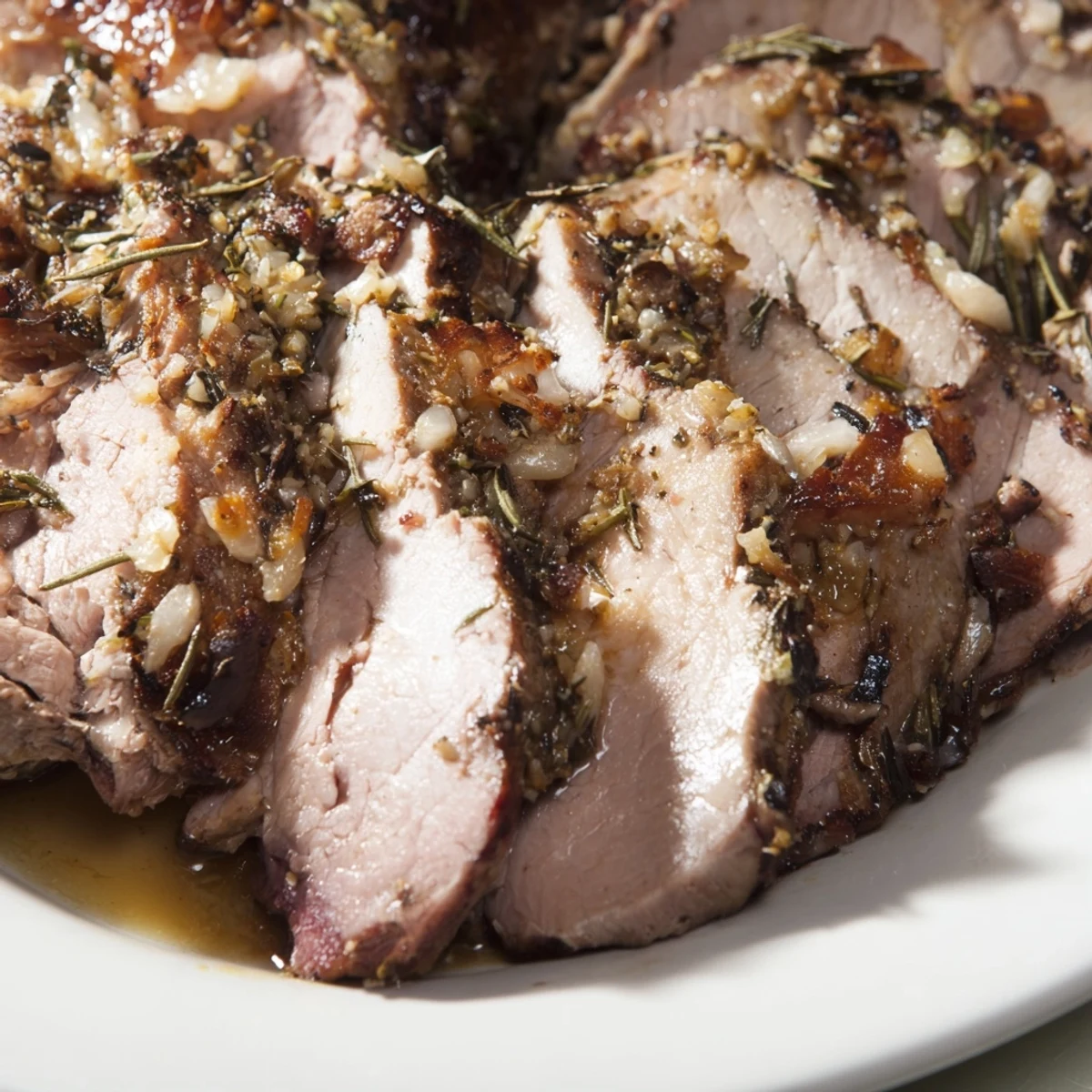
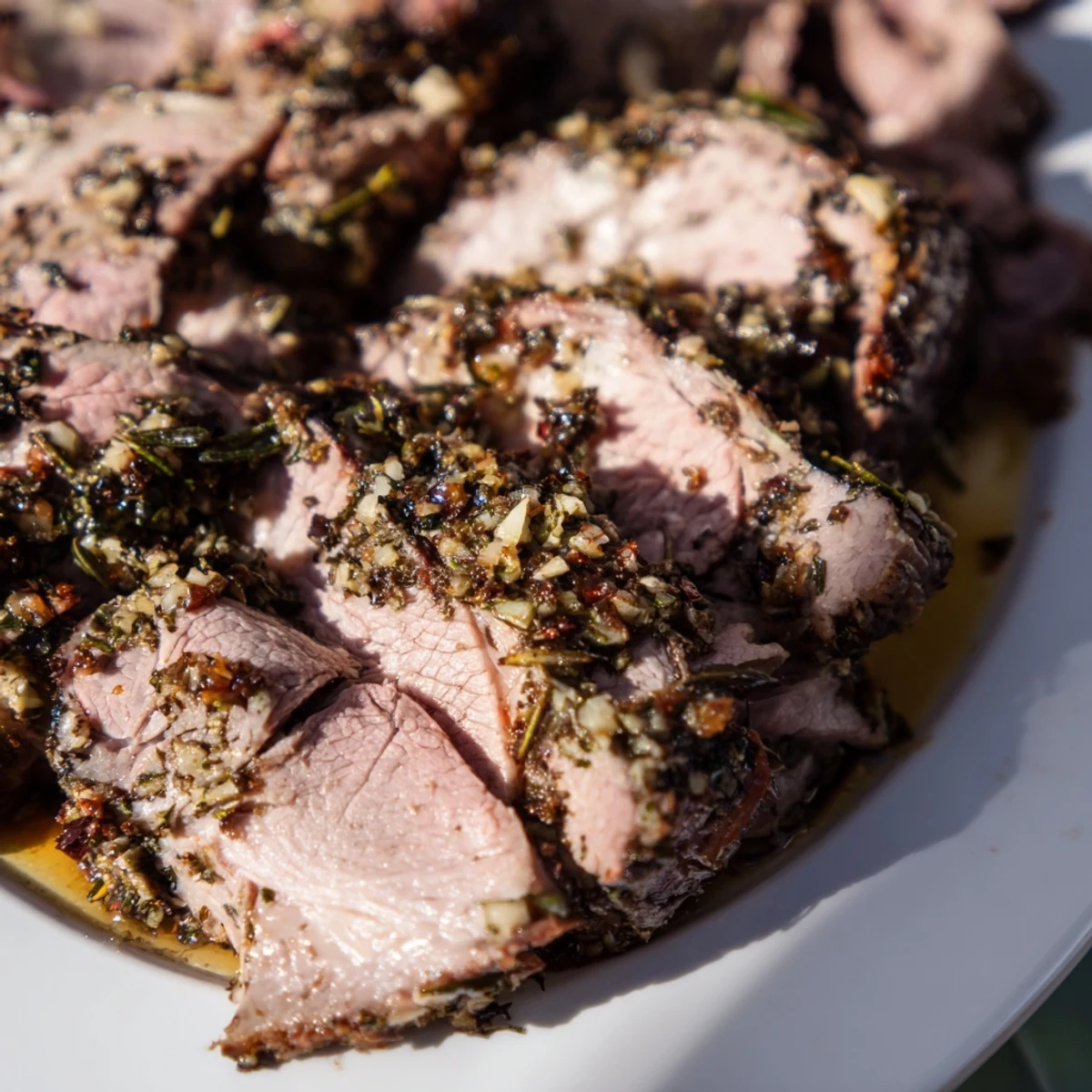
Save Discover the art of roasting a bone-in leg of lamb enriched with a savory anchovy and rosemary paste. This method involves making deep slits in the meat to infuse the bold flavors deeply while roasting it slowly with white wine and stock for moisture and aroma. The result is a beautifully tender, aromatic dish ideal for special occasions or gatherings. Resting before serving ensures juicy, flavorful slices complemented by rich pan juices, delivering a truly memorable centerpiece.
My uncle insisted I try his anchovy rub on lamb years ago, and I was skeptical until that first bite—the little umami bombs dissolved into the meat, making something I thought would be fishy taste absolutely elegant. Now whenever I roast lamb, I find myself reaching for those small cans of anchovies, remembering his confident smile as he massaged that paste into the meat. There's a particular magic in how the salty, briny fish transforms during cooking, becoming something that tastes nothing like fish but makes you wonder what the secret is. That's the dish I keep coming back to.
I made this for a dinner party once, and someone spent ten minutes trying to identify what made the lamb taste so special, convinced it was some obscure spice. When I finally confessed it was anchovies, the room went quiet before everyone burst out laughing and asked for seconds. That moment taught me something about cooking—sometimes the best-kept secrets are hiding in plain sight, and the people you cook for will love you for them.
Ingredients
- Bone-in leg of lamb (2.5–3 kg): Ask your butcher to trim it well; the bone adds incredible flavor to the pan juices, and trimmed fat means less smoke and more even cooking.
- Anchovy fillets: These are your secret weapon—they dissolve into the lamb and create depth without fishiness, but start with six and adjust down if you prefer subtlety.
- Fresh rosemary and thyme: Dried won't work here; the fresh herbs release volatile oils that infuse the meat as it roasts, creating that Mediterranean aroma.
- Garlic and lemon zest: Mince the garlic fine so it doesn't burn, and zest the lemon directly into your paste for brightness that cuts through the richness.
- Olive oil: Use good oil for the rub—it carries all those flavors directly into the lamb's crevices.
- White wine and stock: These become your pan sauce, so don't use anything you wouldn't drink; the wine adds acidity that balances the savory rub.
Instructions
- Prepare the lamb:
- Pat it completely dry—any moisture will steam rather than sear. Using a sharp knife, make diagonal slits all over the surface, about a quarter-inch deep; these pockets hold the rub and let it penetrate as the lamb cooks.
- Build the rub:
- Combine your anchovies, garlic, rosemary, thyme, pepper, and lemon zest in a small bowl, mashing everything together with a fork until you have a coarse paste. Stir in the olive oil until it's spreadable but still textured.
- Coat generously:
- Work the paste all over the lamb, pushing it into every slit and across every surface like you're giving it a massage. Don't be shy—this rub is your flavor foundation.
- Season and sear:
- Sprinkle coarse sea salt evenly over the rubbed lamb, then place it on a rack in your roasting pan with wine and stock below. The high heat will create a flavorful fond on the bottom.
- Roast with intention:
- Start at 220°C (425°F) for twenty minutes to develop a crust, then lower the heat to 180°C (350°F) and roast for about seventy minutes until your thermometer reads 57°C (135°F) for medium-rare. Every oven is different, so check early.
- Rest properly:
- Transfer the lamb to a cutting board, tent it loosely with foil, and let it rest for twenty minutes—this allows the juices to redistribute, making every slice tender and moist. While it rests, you can quickly reduce the pan juices over medium heat.
 Save
Save There was an evening when my neighbor smelled the roasting lamb through our shared wall and ended up knocking on my door halfway through cooking, drawn by curiosity and hunger. We wound up carving that lamb together at my kitchen counter, laughing about how a smell had rewritten someone's dinner plan, and it reminded me that the best meals are the ones that make people want to show up.
Building the Perfect Pan Sauce
While the lamb rests, don't ignore those pan juices—they're liquid gold. Skim off most of the fat with a spoon or paper towel, then set the pan over medium heat and let it bubble gently for a few minutes, scraping up any browned bits that stuck to the bottom. If you want a richer sauce, whisk in a knob of cold butter at the end, letting it melt into glossy richness.
When to Add Vegetables
If you want a complete meal in one pan, halve potatoes, carrots, or shallots and add them after you've seared the lamb—they'll roast in the same juices and absorb all that savory flavor. Toss them halfway through cooking so they caramelize evenly and don't compete with the lamb for attention.
Wine Pairing and Serving
This lamb practically demands a robust red wine at the table—Syrah, Cabernet Sauvignon, or Côtes du Rhône all sing alongside it. The tannins in the wine balance the richness of the meat, and that umami from the anchovies makes the wine taste more complex.
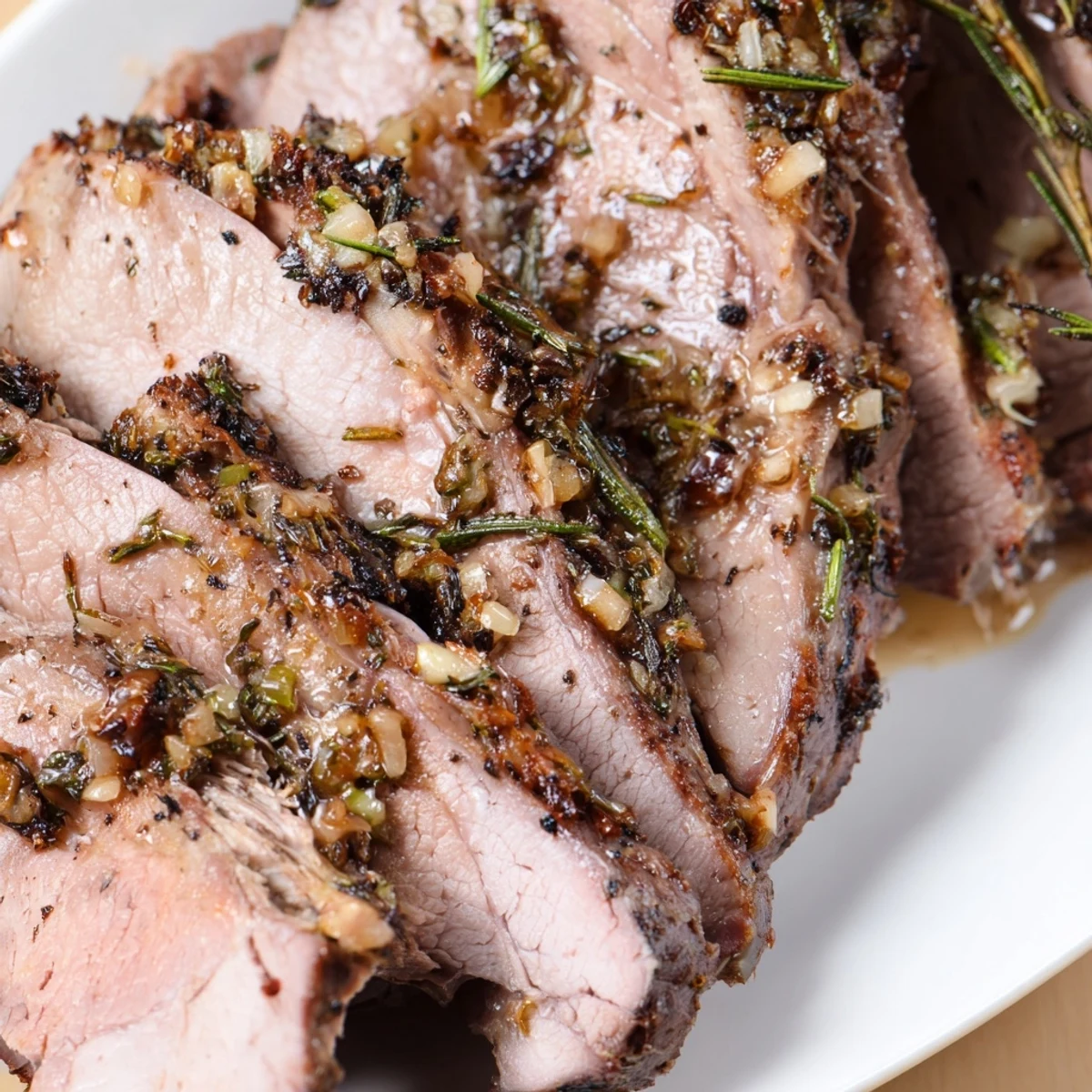
- Serve the lamb sliced thick, arranged on a warm platter with the pan sauce drizzled over.
- Fresh herbs scattered on top right before serving add brightness and color.
- Let guests see what they're eating—the golden crust and rosy interior tell the story of perfect cooking.
 Save
Save This is the kind of dish that transforms a regular evening into something worth remembering, where people slow down and taste what's in front of them. Make it when you want to feel like you've done something special, because honestly, you have.
Your Questions Answered
- → How does anchovy affect the flavor of the lamb?
-
Anchovy adds a subtle umami depth that enhances the lamb's natural savory notes without overpowering its flavor.
- → What is the benefit of slitting the leg of lamb before roasting?
-
Slitting allows the anchovy-rosemary paste to penetrate deeper, ensuring the flavors seep into the meat for a more intense taste.
- → Can the cooking time be adjusted for different doneness levels?
-
Yes, roasting time can be varied to achieve rare, medium, or well-done, using a meat thermometer to monitor the internal temperature is recommended.
- → What sides pair well with this lamb preparation?
-
Roasted root vegetables, such as potatoes and carrots, complement the rich lamb flavors and soak up the pan juices wonderfully.
- → How should the pan juices be used after roasting?
-
Skimming off excess fat and reducing the juices creates a flavorful sauce perfect for drizzling over the sliced lamb.