
 Save
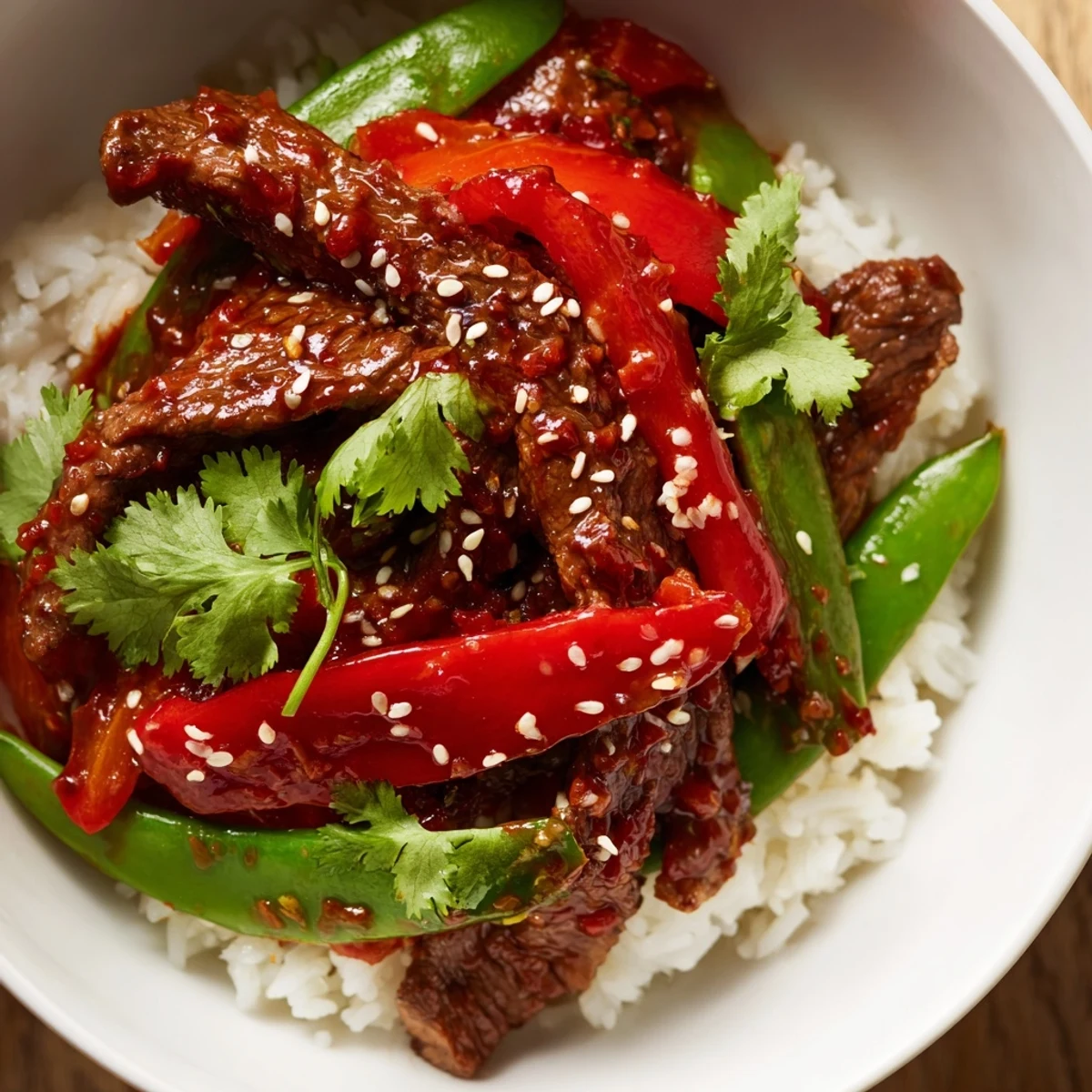
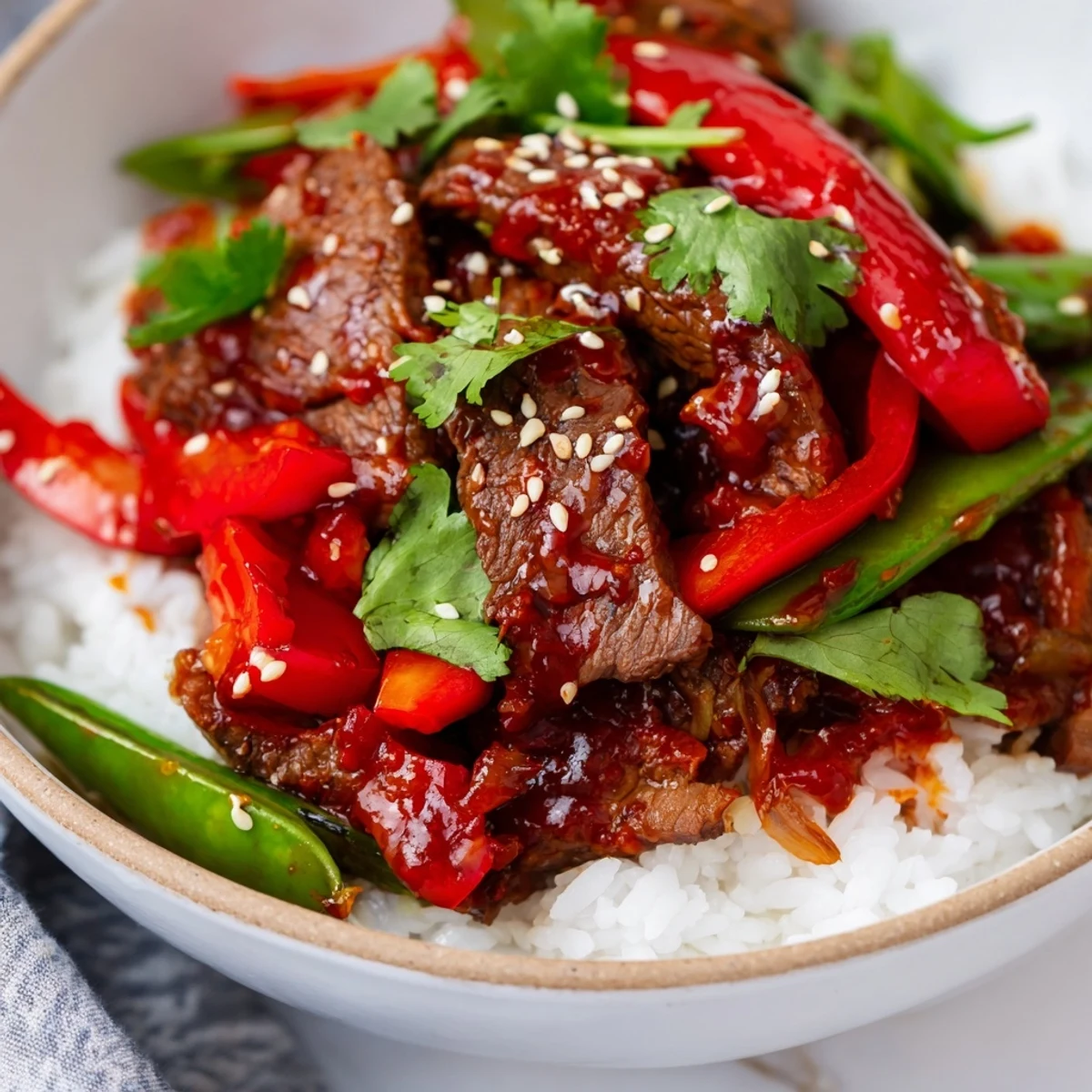
Save This dish features tender, thinly sliced beef coated lightly with soy and cornstarch to seal in juices before stir-frying. It’s paired with vibrant vegetables like bell pepper, snap peas, and carrot, quickly crisped to retain texture. The flavorful spicy sauce blends sriracha, hoisin, garlic, ginger, and sesame oil, creating a balanced kick. Served over steamed jasmine or basmati rice and garnished with sesame seeds and fresh herbs, this bowl provides a delightful combination of heat, freshness, and satisfying textures perfect for busy evenings.
There was a Tuesday night when my kitchen filled with the kind of heat that makes you pause mid-chop—not from the stove, but from the memory of watching my neighbor quickly toss beef in a smoking wok, the aroma cutting through the entire hallway. I asked for the secret, and she laughed, saying it was just good beef, good sauce, and the confidence to let the heat do its work. That night changed how I thought about weeknight dinners, turning a simple bowl into something that felt like restaurant-quality comfort.
I made this for friends who were skeptical about homemade Asian food, convinced it required some kind of culinary degree. Watching them taste it and immediately reach for more rice told me everything I needed to know about the power of good technique and honest ingredients.
Ingredients
- Flank steak or sirloin, thinly sliced (500g): Slicing against the grain is the trick that separates chewy from tender—your knife angle matters more than you think.
- Cornstarch (1 tbsp): This creates a delicate crust that helps the meat catch the heat and lock in flavor.
- Soy sauce for the marinade (1 tbsp) and sauce (3 tbsp): Soy sauce is your umami backbone, and the split between marinade and sauce ensures flavor in every layer.
- Sriracha or chili-garlic sauce (2 tbsp): This is where the personality lives—adjust based on how your friends react to spice.
- Hoisin sauce (1 tbsp): It adds a subtle sweetness that balances the heat and helps the sauce cling to the beef.
- Brown sugar (1 tbsp): Sugar isn't just sweetness; it helps caramelize the sauce and deepen the flavors.
- Rice vinegar (2 tsp): A small amount cuts through the richness and keeps the sauce from feeling heavy.
- Garlic and ginger (2 cloves and 1 thumb-sized piece): Fresh versions are non-negotiable here—they add brightness that jarred versions can't deliver.
- Sesame oil (1 tbsp): Use good sesame oil and add it last; it's too precious and aromatic to waste on high heat.
- Red bell pepper, snap peas, carrot, spring onions: These vegetables should still have some snap when they hit the plate—overcooking them will make everything taste flat.
- Jasmine or basmati rice (2 cups cooked): Jasmine rice absorbs the sauce like it was made for this moment.
- Toasted sesame seeds and cilantro: These are the final words in the sentence—they make the difference between good and memorable.
Instructions
- Prep the beef with purpose:
- Toss your thinly sliced beef with soy sauce and cornstarch, then let it sit. This brief rest allows the cornstarch to bind and the soy to penetrate, setting you up for beef that actually tastes like something.
- Build your sauce:
- Whisk everything together in a bowl—soy, sriracha, hoisin, brown sugar, rice vinegar, minced garlic, grated ginger, and sesame oil. Taste it before it hits the pan; this sauce should taste bold and slightly spicy, with a sweet undertone.
- Sear the beef without hesitation:
- Get your skillet smoking, add oil, and work in batches so the meat actually browns instead of steaming. Those browned bits are flavor, and rushing this step is where most home cooks lose the magic.
- Vegetables get their moment:
- In the same pan, quick-fry your peppers, snap peas, and carrots until they're bright and still have some resistance when you bite. This usually takes 2 to 3 minutes—stay close and keep your eyes on them.
- Bring everything together:
- Return the beef, pour in your sauce, and toss it all over high heat for about a minute until everything is coated and warm. The sauce will thicken slightly and coat the beef like a glaze.
- Plate with intention:
- Rice as the base, beef and vegetables on top, then a scatter of spring onions, sesame seeds, and cilantro if you're using it. This final layer of garnish is what catches your eye first and reminds you that you made something worth eating.
 Save
Save There's a moment when you taste this bowl for the first time and realize you've created something that tastes like someone else made it—something restaurant-level and confident. That shift from doubt to trust, that's when food becomes more than sustenance.
The Sauce Is Everything
I learned this the hard way by making the sauce too thin, then too thick, and finally understanding that the sauce isn't a topping—it's the reason you came back for another bowl. The balance of heat, sweetness, salt, and depth creates a flavor that feels complete, like someone spent hours developing it when really you spent 5 minutes whisking. That's the beauty of understanding ratios instead of just following steps.
Why Beef Over Chicken or Tofu
Beef holds up to aggressive heat and bold flavors in a way that other proteins can't quite match. It has enough substance to feel like dinner, enough richness to absorb the spicy sauce, and enough personality to stand on its own. When you slice it thin and cook it fast, you get something that's both tender and flavorful in a way that feels less like compromise and more like intention.
Timing and Temperature
This dish lives and dies by temperature—high heat, quick movements, and constant attention. The moment you start thinking about something else is usually the moment the vegetables go from crisp to soggy or the beef goes from tender to dry. Set a timer if you must, but better to trust your senses and stay present in the kitchen.
- High heat is your friend here; it creates the sear and the caramelization that makes this special.
- Keep everything moving so nothing sits in one temperature long enough to lose its texture.
- Taste as you go, and if the heat isn't where you want it, add fresh chili or chili flakes right at the end.
 Save
Save This spicy beef bowl has a way of appearing on repeat because it tastes like effort without demanding it, and it genuinely satisfies the part of you that wants something bold and alive. Once you make it once, you'll understand why it's worth making again.
Your Questions Answered
- → What cut of beef works best?
-
Flank steak or sirloin thinly sliced works well to stay tender and absorb flavors quickly.
- → Can I adjust the spice level?
-
Yes, increase or reduce sriracha or add fresh chili slices for extra heat to match your preference.
- → Which vegetables complement this dish?
-
Bell peppers, snap peas, spring onions, and carrots provide color and crisp textures, but broccoli or bok choy also work well.
- → Is there a gluten-free option?
-
Use tamari instead of soy sauce and verify all sauces are gluten-free certified to adapt this dish suitably.
- → How do I keep vegetables crisp?
-
Stir-fry vegetables on high heat for a short time, around 2–3 minutes, to retain freshness and bite.
- → What rice pairs best with this bowl?
-
Jasmine or basmati rice steamed until fluffy complements the spicy and savory flavors perfectly.