
 Save
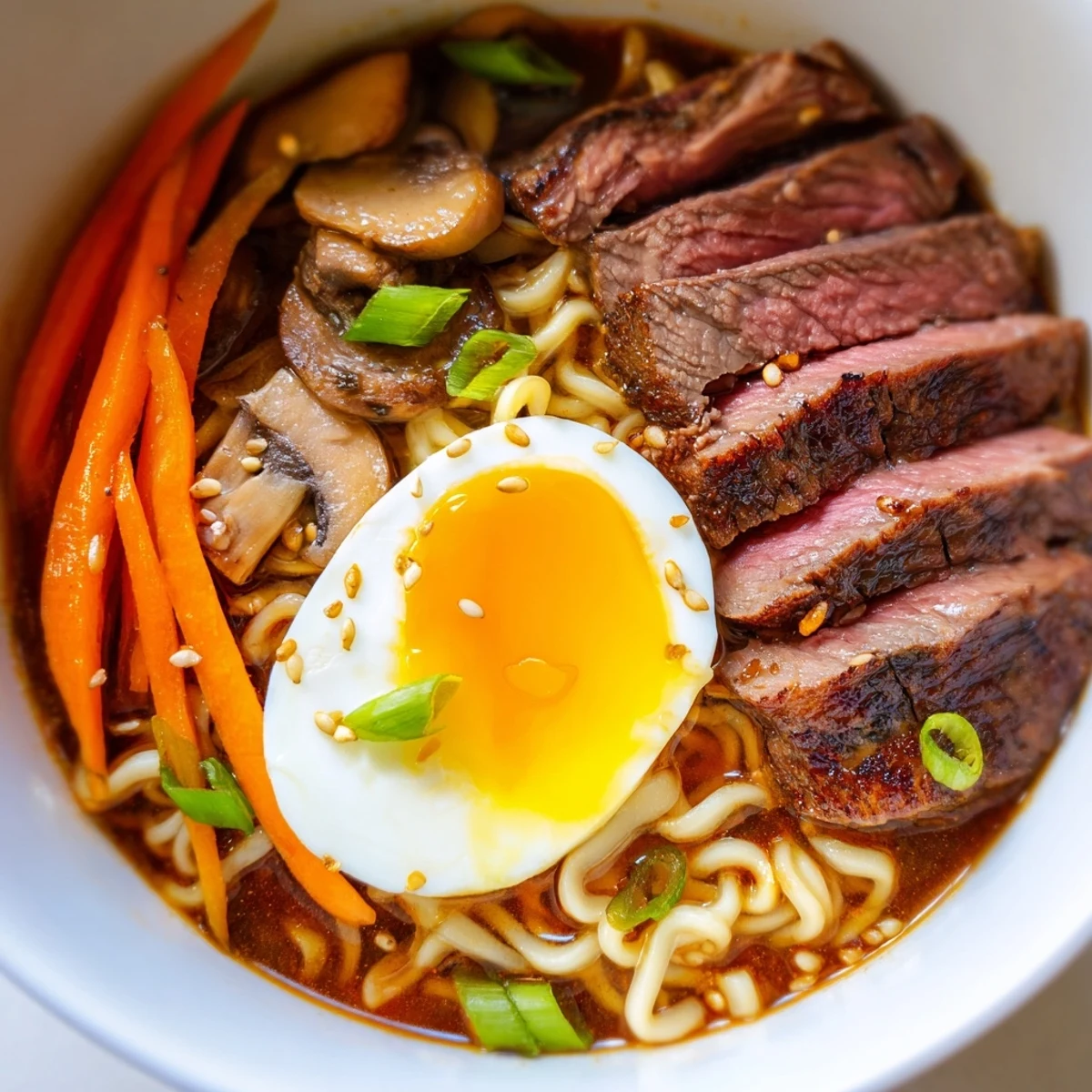
Save This dish features tender slices of marinated flank steak seared to perfection and nestled atop chewy ramen noodles. The broth is a rich, spicy blend of chili paste, miso, and soy sauce, simmered with aromatic garlic, ginger, and mushrooms. Fresh vegetables like carrots, bok choy, and spring onions add texture and color. A perfectly cooked soft boiled egg crowns the bowl, balancing heat and savoriness with creamy yolk and a sprinkle of toasted sesame seeds and coriander for a fresh finish. A warming, satisfying Japanese-inspired meal ready in under an hour.
There's this moment at two in the morning, halfway through a brutal work week, when nothing but a bowl of spicy ramen will do. I'd been avoiding ramen at home for years, convinced it was too fussy or required secret techniques I didn't possess, until a friend casually made it in her tiny apartment kitchen and changed everything. The broth came together faster than I expected, the beef sliced thin and seared to just the right shade, and when I bit into that soft-boiled egg with its warm, jammy yolk spilling into the broth—I understood the appeal immediately. Now it's become my refuge when I need something bold, warming, and entirely comforting.
I made this for friends on a rainy Sunday, and watching them hover over steaming bowls, slurping noodles and asking what that umami-rich depth in the broth was—miso, I explained—made me realize how satisfying it is to serve something that feels both elegant and utterly unpretentious. One friend went back for seconds before everyone else had finished their first bowl.
Ingredients
- Flank steak, thinly sliced: The cornstarch in the marinade keeps it tender even with high heat; don't skip this step and don't rush the searing.
- Chili paste (gochujang or sambal oelek): This is where the soul of the dish lives—use what you can find, but taste as you go since potency varies wildly between brands.
- Miso paste: Adds a fermented depth that makes the broth taste like it's been building flavor for hours; stir it in gently off the heat to preserve its live cultures.
- Mirin: The touch of sweetness that balances the chili heat and keeps everything in harmony.
- Fresh ramen noodles: Superior to dried in texture, but dried will work if that's what you have—just follow package times exactly.
- Large eggs: The six-minute soft boil is precise; set a timer, trust it, and don't guess.
- Shiitake mushrooms: They add umami and a slight earthiness that grounds the spiciness; cremini or button mushrooms are fine substitutes if needed.
- Bok choy: Wilts perfectly in hot broth and adds a subtle bitterness that cuts through richness.
- Toasted sesame seeds: Buy them toasted or toast them yourself in a dry pan for thirty seconds—the difference in flavor is remarkable.
Instructions
- Marinate the beef:
- Toss your thinly sliced flank steak with soy sauce, sesame oil, cornstarch, and black pepper in a bowl. The cornstarch acts like a protective coating, keeping the meat tender even when you sear it hard. Let it sit while you move on to the eggs.
- Soft-boil the eggs:
- Bring water to a rolling boil, lower in your eggs with a spoon, and set a timer for exactly six minutes. Ice bath immediately after—this stops the cooking and locks in that perfect jammy yolk. The moment of cracking into one over your finished bowl is pure joy.
- Build the broth base:
- Heat vegetable oil in a large pot over medium heat, add your finely chopped onion, and let it soften for two minutes while the kitchen fills with that sweet onion smell. Add minced garlic and grated ginger, cook for just a minute until fragrant, then stir in your chili paste and sliced mushrooms.
- Deepen the flavor:
- Once the mushrooms have cooked down a bit, add your soy sauce, miso paste, mirin, and rice vinegar. This is the moment the broth transforms from a simple stock into something complex. Pour in your beef broth and water, then let everything simmer gently—you want steam rising gently, not a rolling boil.
- Sear the beef:
- Get your skillet screaming hot over high heat, then add your marinated beef in a single layer. Don't fuss with it—let it sit for one to two minutes per side until it's browned and beautiful. Resist the urge to cook it through; it will finish gently in the hot broth.
- Add the vegetables:
- Slide your carrots and bok choy into the simmering broth and let them cook until tender, about three to four minutes. They'll soak up that spicy, umami-rich liquid and become part of the magic.
- Cook the noodles:
- Follow package instructions for your ramen noodles, drain them immediately, and divide them among your bowls. Fresh noodles need less time than dried, so watch them closely.
- Compose the bowls:
- Ladle the hot broth and vegetables over your noodles, then top with your seared beef slices, halved soft-boiled eggs, fresh spring onions, toasted sesame seeds, and sliced chili. A handful of fresh coriander adds brightness at the very end.
- Taste and adjust:
- This is your moment—if you want more heat, drizzle in chili oil or add another spoonful of chili paste. Spice should feel like a warm hug, not a warning.
 Save
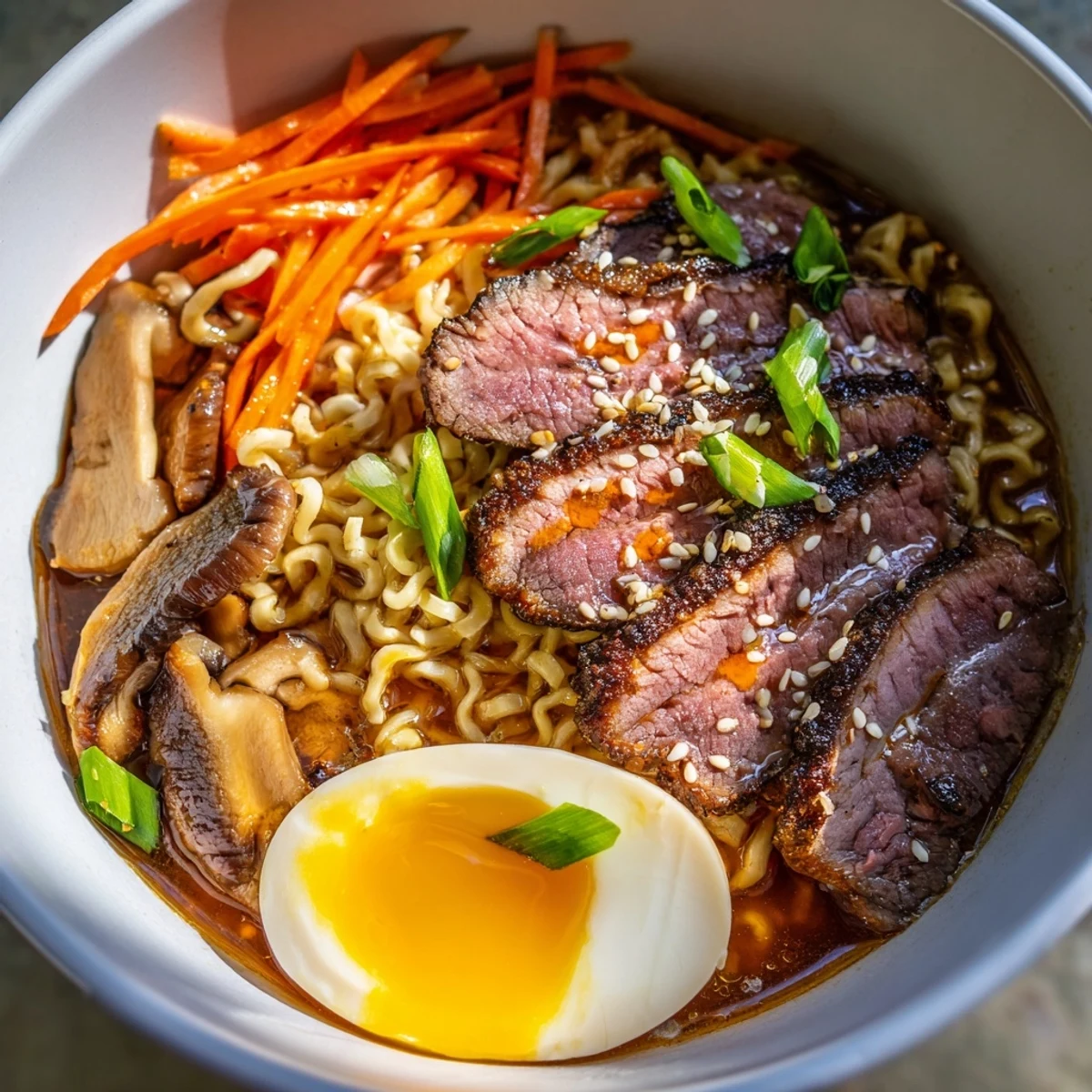
Save There's something almost meditative about the process of bringing a bowl of ramen to the table—the steam rising, the aroma hitting you before you sit down, the anticipation of that first slurp. It's food that asks you to slow down and pay attention.
The Spice Spectrum
The heat in this ramen builds gently rather than hitting you immediately, which is partly the chili paste and partly the sweetness from mirin creating balance. If you're new to spicy food, start with less chili paste and add more once you taste the base—you can always turn up the heat, but you can't take it back. Some people add a swirl of chili oil on top for extra warmth and richness, which adds a dimension that pure paste can't quite match.
Making It Your Own
The beef is flexible here—chicken breast or thigh cooks just as well, pork shoulder gives you a different richness, and if you're vegetarian, a firm press tofu seared in the same way becomes almost meaty in texture. The vegetables are suggestions too; add what's in your crisper drawer. I've used regular spinach when bok choy was unavailable, and it added a subtle earthiness that worked beautifully.
Serving and Pairing
This is a complete meal in a bowl, but if you want to serve it properly, set out all your toppings in small bowls and let people customize their own—the spring onions, sesame seeds, chili slices, and cilantro feel more special that way. A crisp Japanese lager cuts through the richness perfectly, or if you prefer non-alcoholic, a ginger ale adds subtle spice complexity.
- Serve immediately while the broth is still steaming hot and everything is at its peak.
- Keep extra chili paste or chili oil at the table so everyone can adjust their own heat level.
- Soft-boiled eggs are best eaten within minutes of assembly, before they cool down completely.
 Save
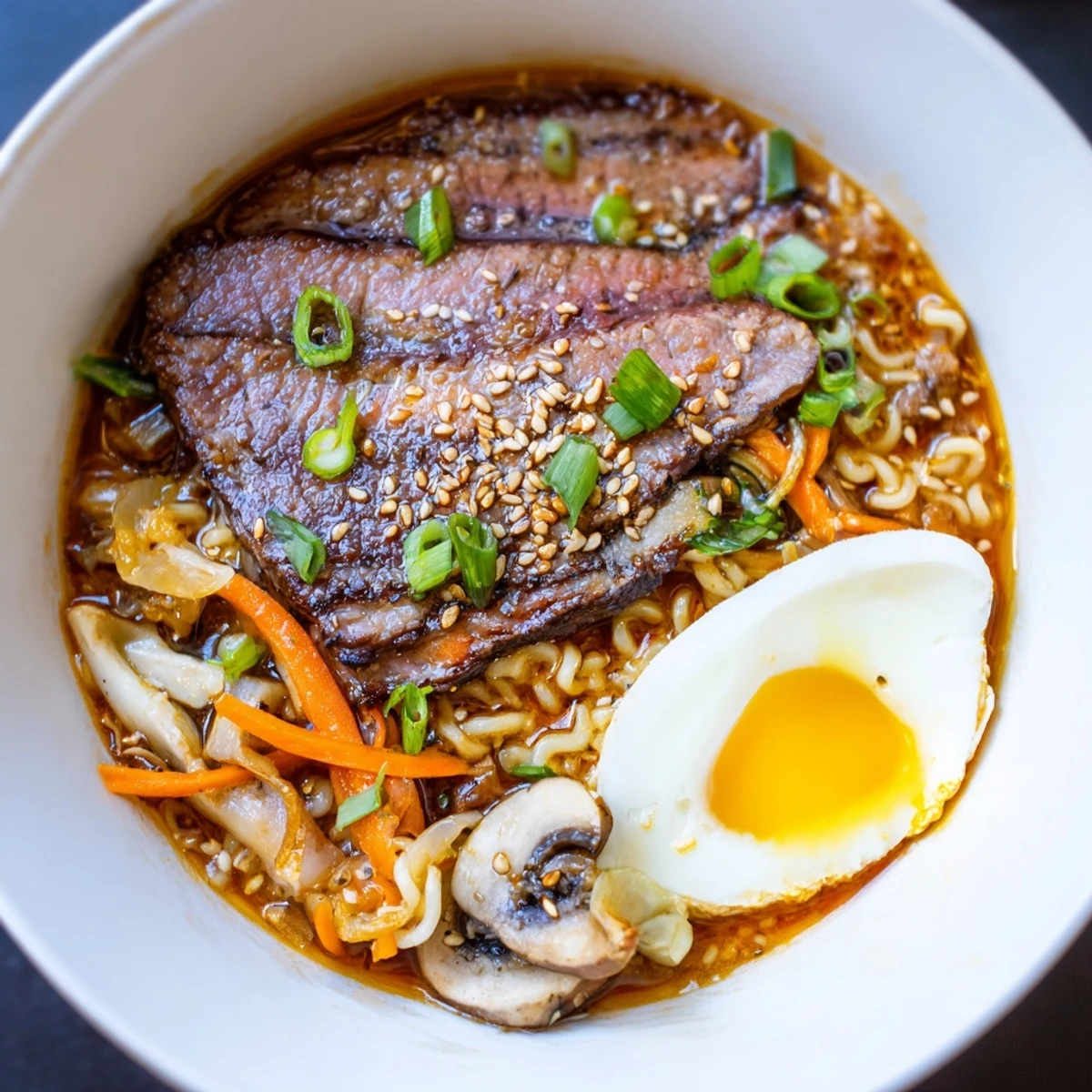
Save Once you've made this ramen a few times, it becomes the dish you turn to when you need comfort without pretense. It's fast enough for a weeknight, impressive enough for guests, and endlessly forgiving of small variations.
Your Questions Answered
- → How do I achieve the perfect soft boiled egg?
-
Boil eggs for exactly 6 minutes, then immediately transfer to ice water to stop cooking and ensure a tender, creamy yolk.
- → Can I substitute the beef with other proteins?
-
Yes, chicken, pork, or tofu can be used for a different flavor and texture while keeping the dish balanced.
- → What adds the spicy kick to the broth?
-
Chili paste such as gochujang or sambal oelek delivers a bold, layered heat that melds well with miso and soy.
- → How can I keep the noodles from getting soggy?
-
Cook noodles just before serving, drain well, and place them in bowls separately before ladling hot broth on top.
- → What garnishes enhance the flavor and presentation?
-
Sliced spring onions, toasted sesame seeds, fresh coriander, and optional red chili slices add freshness, texture, and visual appeal.