
 Save
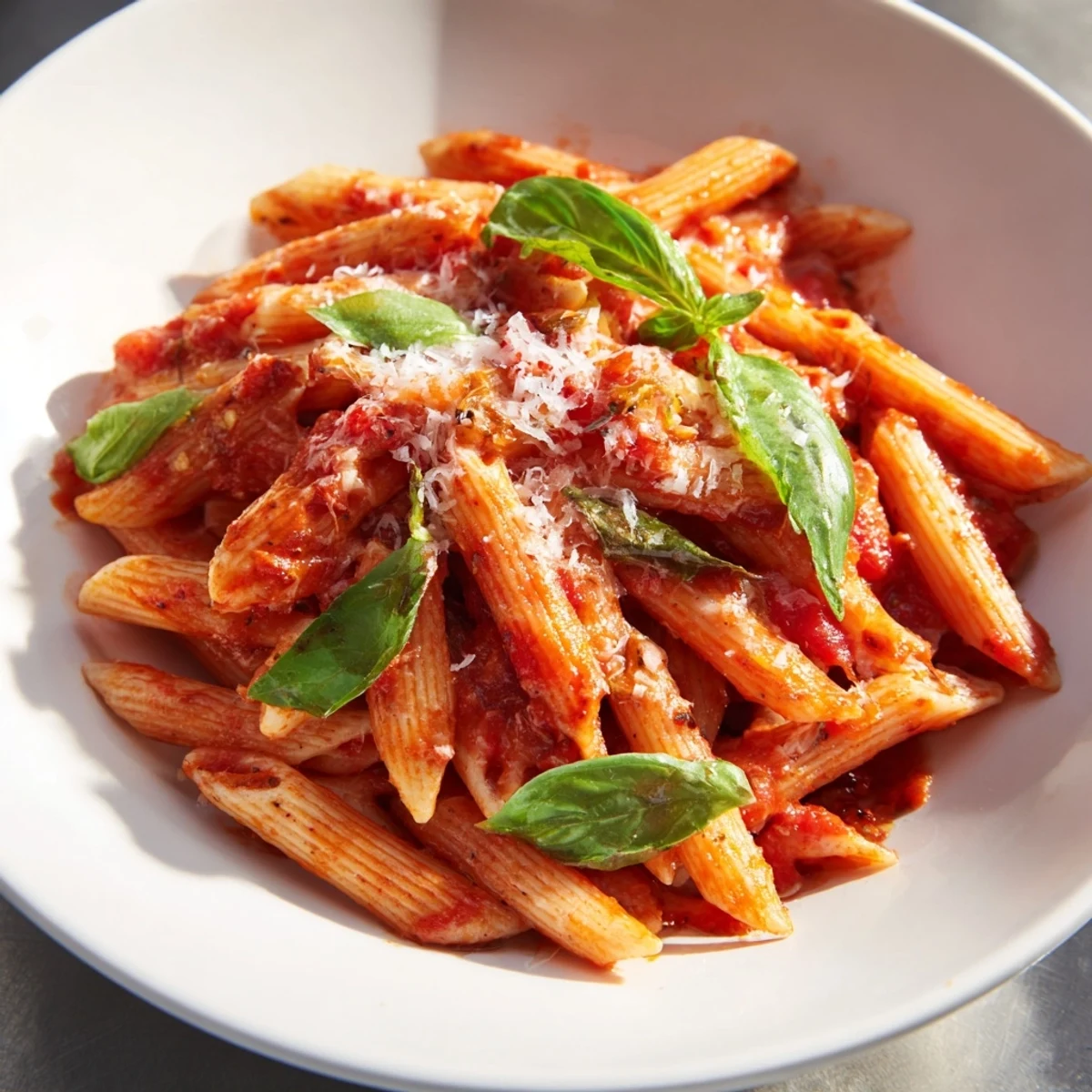
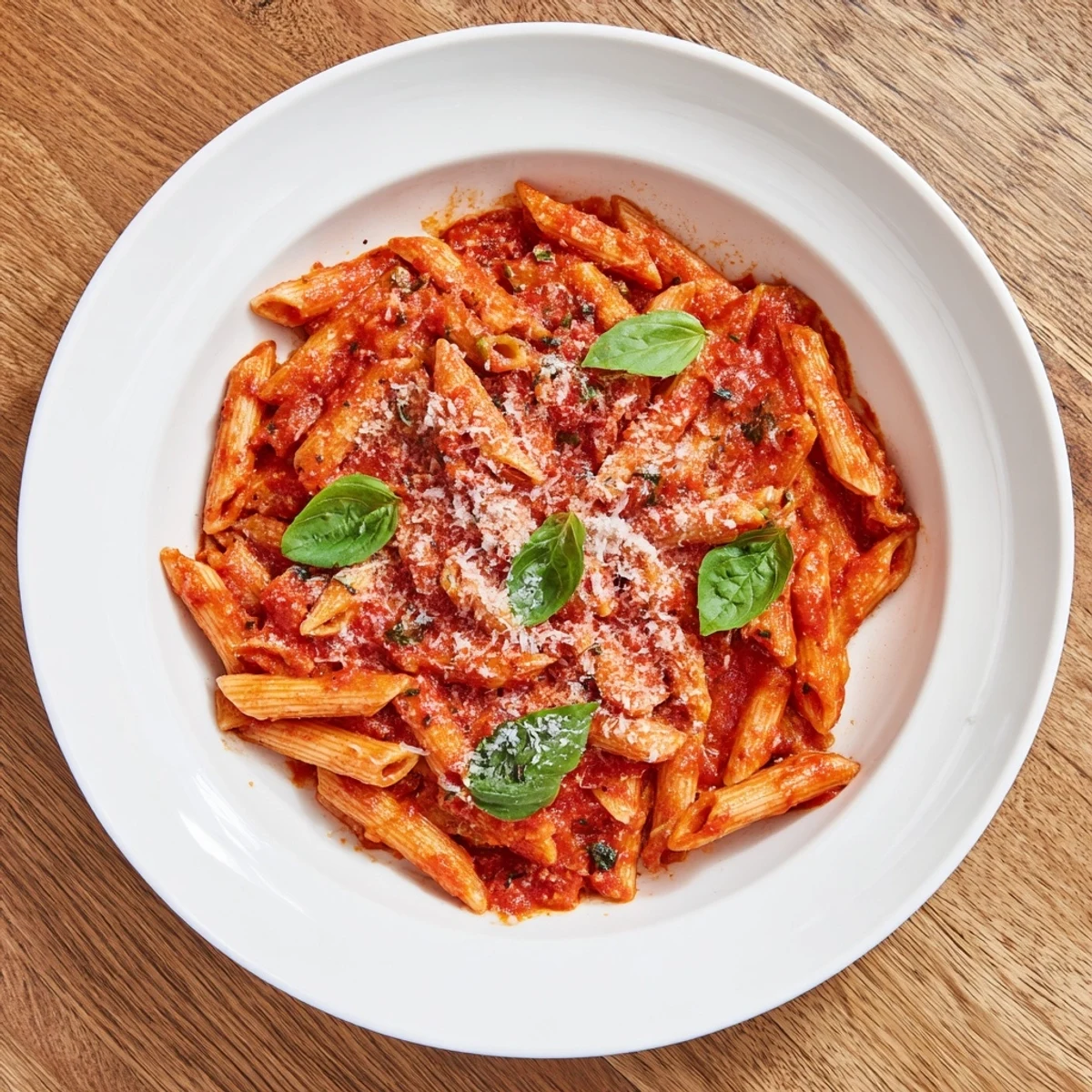
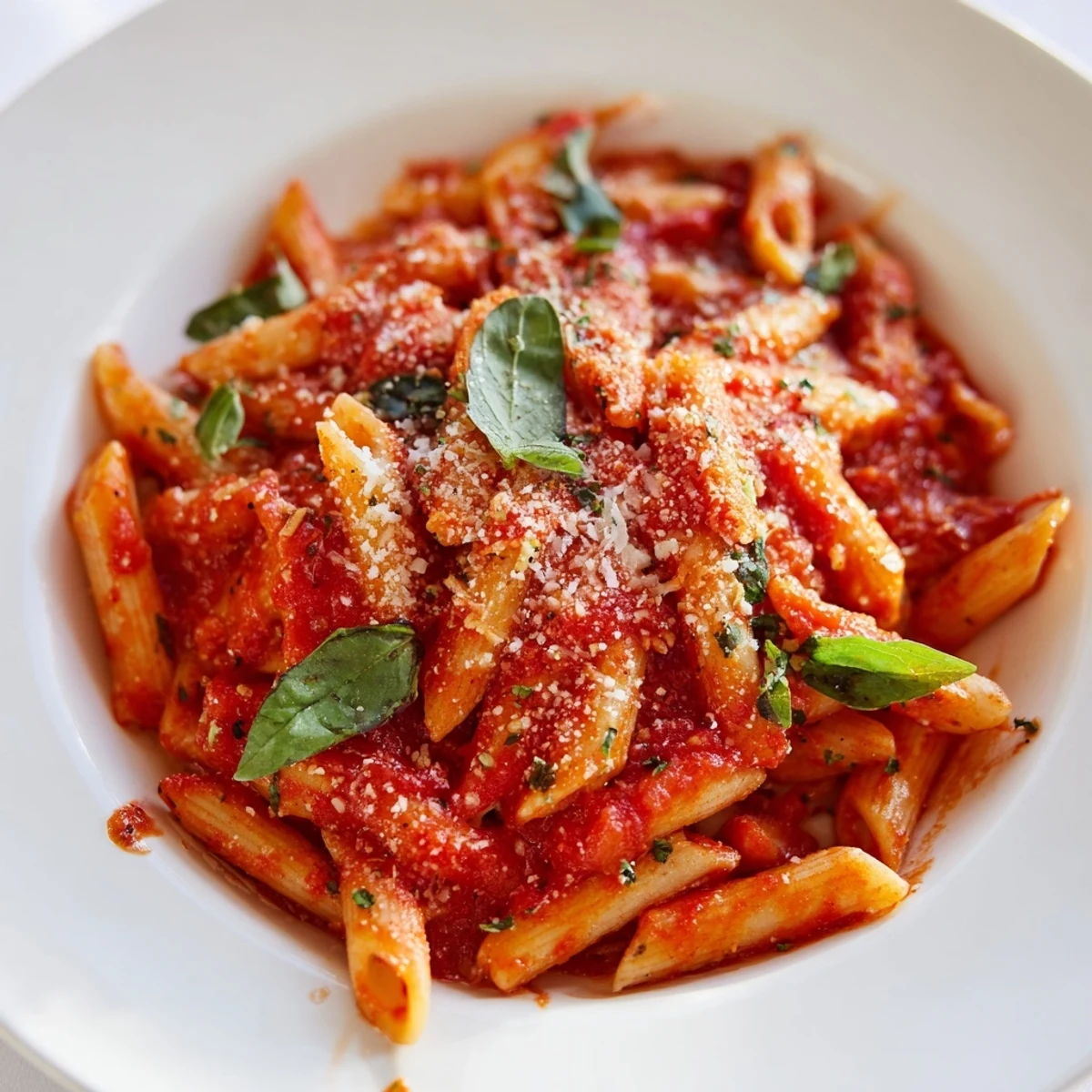
Save This Italian-inspired dish features perfectly cooked pasta enveloped in a fragrant tomato sauce made with crushed tomatoes, garlic, and herbs like oregano and basil. The sauce simmers to develop rich, balanced flavors enhanced by a touch of sweetness and optional chili flakes. Finished with a sprinkle of grated Parmesan and fresh basil leaves, it's a quick, satisfying meal ideal for any day.
There's something almost meditative about the way a kitchen fills with the smell of tomato sauce simmering on the stove. I discovered this particular version on a Tuesday evening when I had almost nothing in the pantry—just a box of pasta, some canned tomatoes, and an onion that had seen better days. What emerged was so unexpectedly vibrant and comforting that it became my go-to recipe whenever I needed something honest and uncomplicated.
I made this for a friend who'd just moved into her first apartment, and watching her face light up when she tasted it reminded me why comfort food matters. She told me later that she'd been living on takeout and sad desk lunches, and suddenly she had this thing she could make that felt real and nourishing. Now she texts me photos of her versions, each one slightly different, and I love that I accidentally gave her that.
Ingredients
- Dried spaghetti or penne (400 g): Choose a shape you actually enjoy twirling or eating—the sauce clings beautifully to both, but penne holds onto it in its ridges like it's meant to.
- Olive oil (2 tbsp): This is where the flavor foundation starts, so use something you'd actually taste on bread.
- Medium onion, finely chopped: The finer you chop it, the more it dissolves into the sauce and becomes the base layer of sweetness.
- Garlic cloves, minced (3): Fresh garlic makes all the difference—that brief 30 seconds of cooking is just enough to soften its bite without losing its personality.
- Canned crushed tomatoes (800 g): Look for ones without added sugar or weird additives; you want tomatoes and salt, really.
- Tomato paste (2 tbsp): This concentrate deepens the flavor and adds a richness that feels almost luxurious in something so simple.
- Sugar (1 tsp): Just a whisper to balance the acidity—trust this even if it feels odd.
- Dried oregano and basil (1 tsp each): These are the backbone of the Italian flavor, though they work best if you haven't had them sitting in your cabinet since 2019.
- Chili flakes (1/2 tsp, optional): A gentle warmth rather than heat, but only if you want that subtle kick.
- Salt and black pepper: Taste as you go because you're building something that should be properly seasoned.
- Parmesan cheese, grated (30 g) and fresh basil leaves: These are the final flourish that makes everything feel intentional and finished.
Instructions
- Get your water boiling:
- Fill a large pot with water and salt it generously—it should taste like the sea. Bring it to a rolling boil before adding the pasta, and don't walk away because you'll know when it's ready by the sound and steam.
- Cook the pasta to al dente:
- Follow the package timing but start checking a minute or two before. You want it tender but with just a slight resistance when you bite it, not soft all the way through. Drain it, but pour off that starchy water into a bowl first—you'll need it later as liquid gold.
- Sauté the onion:
- While the pasta cooks, warm the olive oil in a large skillet over medium heat and add the chopped onion. Let it soften for a few minutes, stirring occasionally, until it's translucent and sweet-smelling.
- Add the garlic:
- Once the onion is soft, add the minced garlic and cook for just 30 seconds—you're listening for the smell to shift from raw to warm and nutty.
- Build the sauce:
- Pour in the crushed tomatoes, tomato paste, sugar, oregano, basil, chili flakes if using, salt, and pepper. Stir everything together so there are no streaks of paste hiding in the corners.
- Let it simmer:
- Reduce the heat slightly and let the sauce bubble gently for 10 to 12 minutes. Stir it now and then, and watch as it darkens and thickens and starts to smell like something you'd drive across town for.
- Bring it all together:
- Add the drained pasta to the sauce and toss until every strand is coated. If it seems thick, pour in a splash or two of that reserved pasta water to loosen it up to a silky consistency.
- Finish and serve:
- Top each bowl with grated Parmesan and a few fresh basil leaves, then eat while it's still steaming and the flavors are at their most vibrant.
 Save
Save There was this one time I made this for my partner on a rainy Sunday, and we ended up eating it straight from the pot while sitting on the kitchen counter instead of at the table. Something about the simplicity of it—the warmth, the flavor, the complete lack of pretension—made it feel like the most generous thing I could offer on a day when nothing else seemed right.
Why This Recipe Works
The magic here isn't in any single ingredient but in understanding how they talk to each other. The onion becomes sweet, the garlic becomes mellow, and the tomato gets depth from the paste and balance from the sugar. It's a conversation that happens over just a few minutes, and suddenly you have something that tastes intentional and layered without any of the fuss.
Making It Your Own
Once you've made this a few times and it lives in your hands, start noticing what you might want to add or change. Some people stir in sautéed mushrooms or zucchini for texture, others add a pinch of red pepper flakes for warmth. I've even seen someone add a splash of red wine, which deepened everything in a way that felt like a small luxury. The recipe holds its shape no matter what you invite to the table, which is honestly why it's become such a reliable friend to have in your back pocket.
The Ritual of Serving
There's a moment right before you serve this when you should pause and smell it. That deep tomato aroma with the herbs and garlic is a reminder that you've made something real from pantry staples and about 20 minutes of attention. The way the Parmesan melts slightly into the warmth of the pasta, the way the fresh basil brings brightness to something that could otherwise be heavy—these details matter because they're what make people feel cared for.
- Always grate the Parmesan fresh if you can, because the pre-grated stuff never quite tastes like you meant it to.
- Tear the fresh basil by hand rather than chopping it so the leaves stay tender and bruise less.
- If you're cooking for someone special, the time you spend getting the details right is the real ingredient.
 Save
Save This pasta has quietly become my answer to so many moments—busy weeknights, friends dropping by unexpectedly, days when I need to feel capable in the kitchen. It asks almost nothing of you but gives back something that tastes like care.