
 Save
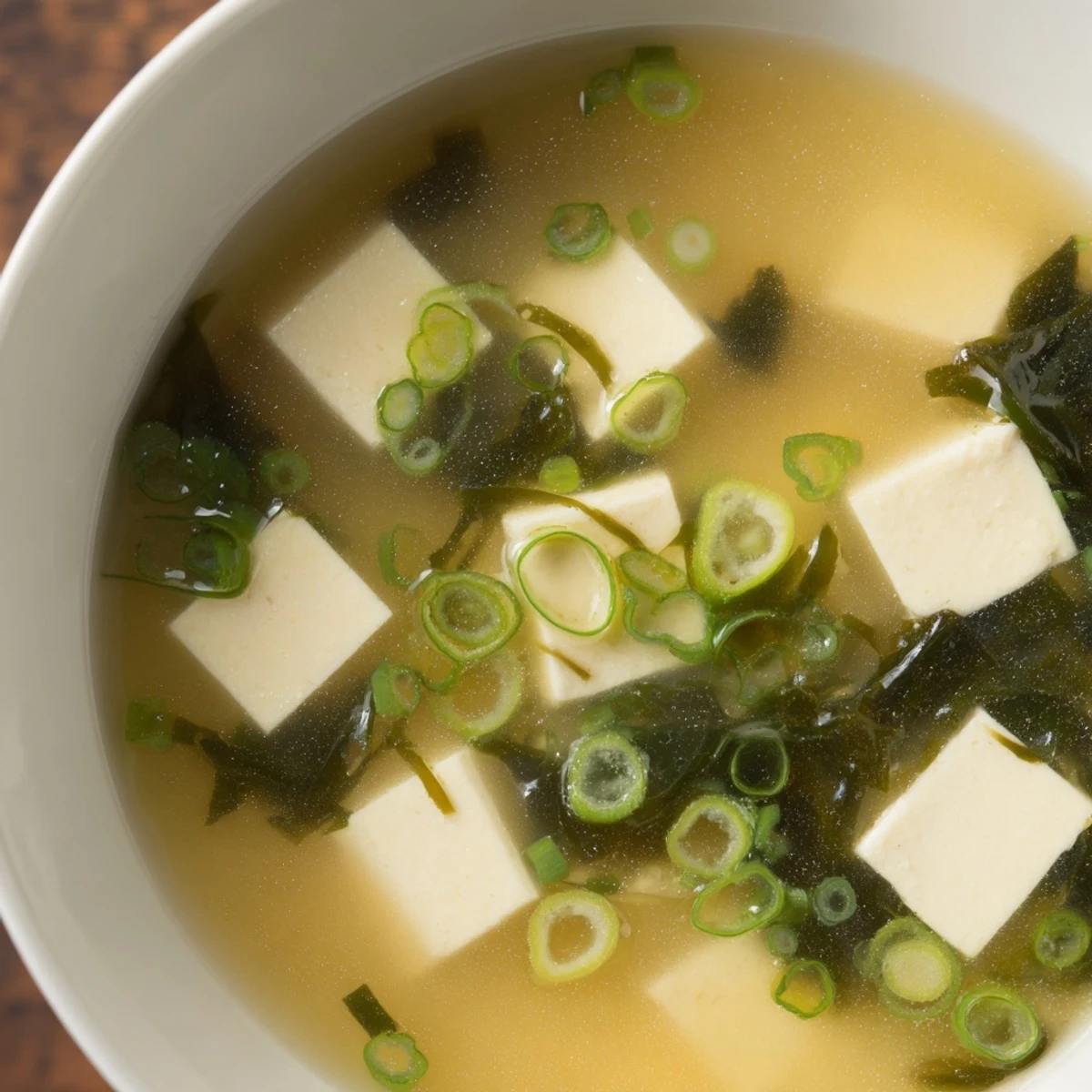
Save Create a comforting bowl of Japanese miso soup in just 15 minutes with this authentic preparation. The secret lies in properly dissolving the white miso paste into warm dashi stock, then adding silken tofu cubes and dried wakame seaweed. The key technique is whisking the miso separately before incorporating it into the broth, ensuring a smooth, well-blended base without any clumps.
This vegetarian and dairy-free version uses kombu dashi for a clean, oceanic flavor that perfectly complements the fermented notes of the miso. The finished dish delivers a warming, umami-rich experience that's both nourishing and satisfying.
My tiny apartment kitchen smelled like the ocean the first time I attempted homemade miso soup. I'd been ordering it at Japanese restaurants for years, never realizing how quickly it comes together. The wakame seaweed expanded in the hot broth like magic, transforming from dry flakes to silky ribbons. That evening with a bowl cradled in my hands, I felt like I'd unlocked a secret to comfort food.
Last winter, my friend came over exhausted from a long week at work. I set a steaming bowl of this soup in front of her without saying a word. She took one sip and her shoulders actually dropped two inches. Sometimes food doesnt need to be complicated to be exactly what someone needs.
Ingredients
- Dashi stock: The foundation of Japanese cooking, instant dashi granules work perfectly here though homemade has depth. Use kombu dashi to keep it vegetarian and skip the fish-based bonito flakes.
- White miso paste: Shiro miso is fermented for a shorter time, giving it a milder sweeter flavor that's perfect for beginners. It dissolves easily and won't overwhelm delicate ingredients.
- Silken tofu: This soft custard-like tofu absorbs the broth's flavor while providing a creamy contrast to the soup's clear base. Handle it gently so it doesn't break apart.
- Wakame seaweed: Dried wakame expands dramatically when rehydrated, so a little goes a long way. It adds that signature ocean mineral flavor and beautiful green color.
- Green onions: Fresh scallions add a bright sharp bite that cuts through the rich savory broth. Slice them thinly so they don't overwhelm each spoonful.
Instructions
- Bring the broth to life:
- Pour your dashi stock into a medium saucepan and set it over medium heat. Watch for tiny bubbles to form around the edges—you want a gentle simmer, never a rolling boil.
- Prepare the miso:
- Scoop the miso paste into a small bowl and ladle in about half a cup of the hot dashi. Whisk until completely smooth, pressing out any lumps against the side of the bowl. This step prevents clumps and ensures even seasoning.
- Combine and warm:
- Pour the dissolved miso mixture back into the saucepan and stir gently. Let everything warm through for just a minute, keeping the temperature below boiling to preserve the miso's beneficial enzymes and delicate flavor.
- Add the finishing touches:
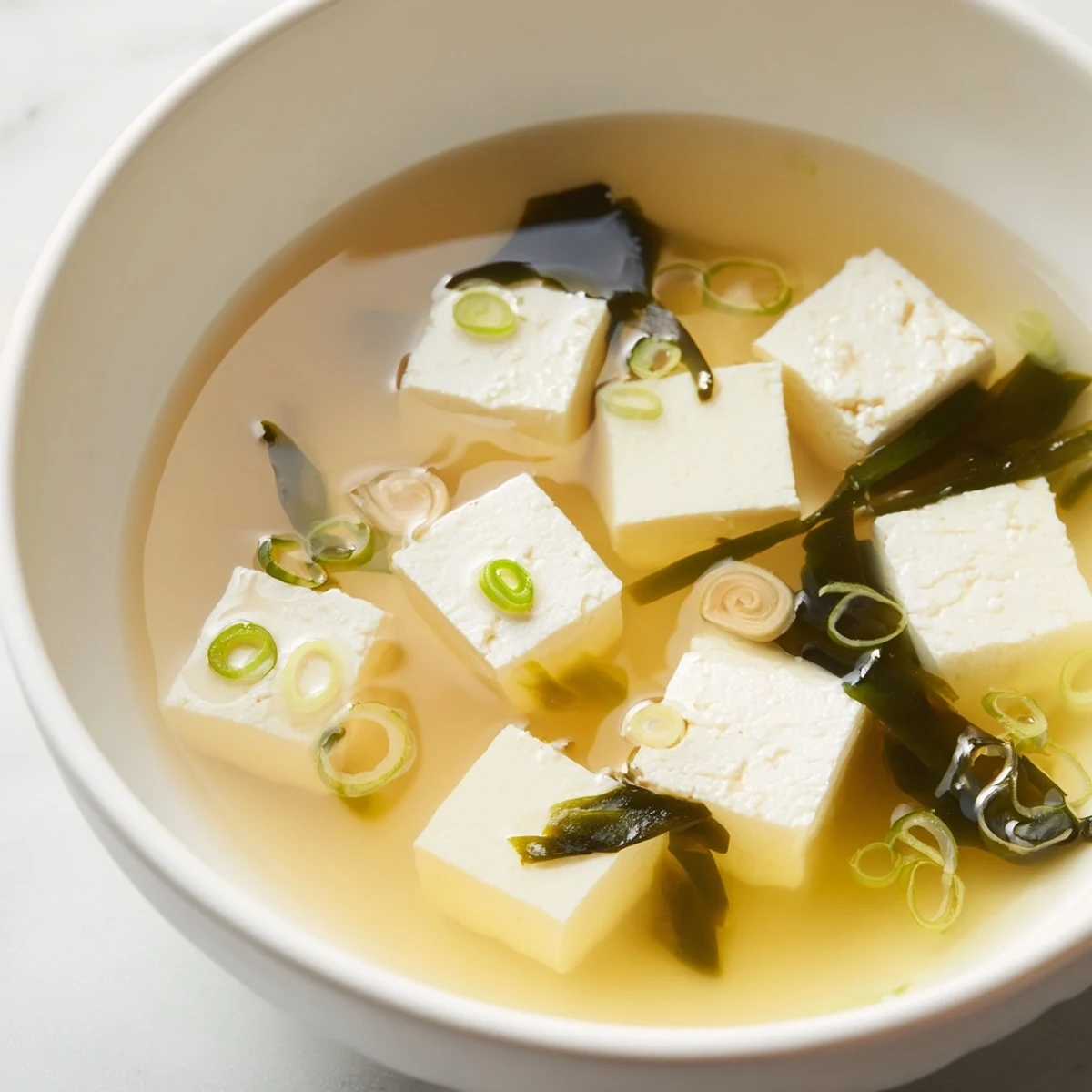
- Gently slide in the tofu cubes and sprinkle the dried wakame across the surface. Let it simmer for 2 to 3 minutes until the seaweed has rehydrated and the tofu is heated through. Remove from heat immediately.
- Serve with love:
- Ladle the hot soup into bowls and scatter the sliced green onions over the top. Bring it to the table right away while it's still steaming.
 Save
Save This recipe became my go-to when I moved across the country and knew almost no one in my new city. Something about preparing it reminded me of home, even in an unfamiliar kitchen with boxes still unpacked. The ritual of whisking miso into hot broth became a small anchor in those first chaotic weeks.
Making It Your Own
Once you're comfortable with the basic version, try mixing white and red miso paste for deeper complexity. Red miso has been fermented longer and packs a more intense savory punch that stands up to heartier ingredients.
Beyond Basic Add-ins
Thinly sliced mushrooms, fresh spinach, or matchsticks of daikon radish transform this simple soup into a more substantial meal. Add these vegetables a few minutes before the tofu so they have time to soften in the hot broth.
Serving Suggestions
In Japan, miso soup is traditionally served as part of a larger meal alongside rice and a main dish. However, it's completely satisfying on its own with a side of crusty bread for a Western-style lunch.
- Pair it with a simple green salad dressed with sesame vinaigrette
- Add a scoop of cooked rice directly into the soup for extra heartiness
- Keep extra dashi and miso on hand for emergency weeknight meals
 Save
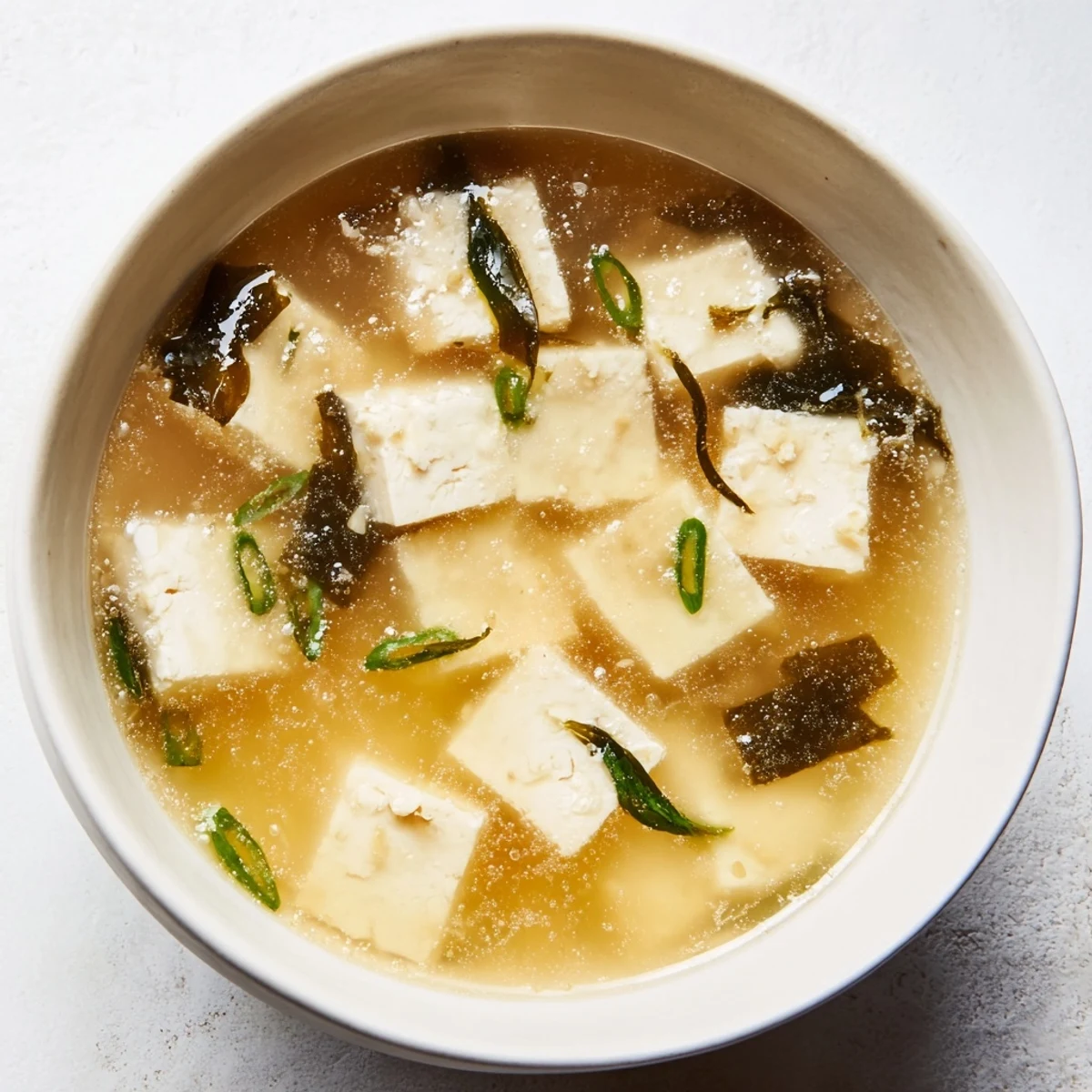
Save There's something deeply grounding about making miso soup, a reminder that nourishment doesn't need to be complicated to be profound. I hope this recipe finds its way into your regular rotation, just as it has in mine.
Your Questions Answered
- → What type of miso works best for this preparation?
-
White miso paste (shiro miso) is ideal for beginners due to its mild, slightly sweet flavor. For more depth, you can blend white and red miso pastes together, adjusting the ratio to your taste preferences.
- → Can I make this without dashi stock?
-
Yes, vegetable broth makes an acceptable substitute, though the flavor profile will differ slightly. For the most authentic taste, kombu (kelp) dashi provides the traditional umami foundation without any fish products.
- → Why shouldn't the soup boil after adding miso?
-
High heat destroys the beneficial enzymes and probiotics in fermented miso paste while creating an unpleasant, bitter taste. Keeping the temperature below a gentle simmer preserves both the nutritional benefits and delicate flavor.
- → How long can leftovers be stored?
-
The soup keeps well for 2-3 days when refrigerated in an airtight container. However, the tofu will continue to absorb liquid and may become softer over time. Reheat gently without boiling.
- → What other ingredients can I add for variety?
-
Thinly sliced shiitake mushrooms, fresh spinach, cubed daikon radish, or cooked clams make excellent additions. Add heartier vegetables during the initial simmer, while delicate greens go in during the final minute.